Every year at the PGA Show in Orlando, a few new products are awarded with awards for their innovation and design. In 2014, Tru-Roll Putters won the Top Buyer’s Choice Award. Given the volume of products on display every year this is quite an accomplishment. On the putting green during the PGA Demo Day when I met Sheldon Long, the inventor of the Tru-Roll Putter, I overheard several people talking about the product and nobody had a bad thing to say about it. The Top Buyer’s Choice award reflects observation. The design and concept of the Tru-Roll putter is simple – to get the ball rolling immediately.
The barrel shape of the Tru-Roll putter is a unique look and takes a bit of getting used to, but the design is clean and functional. There aren’t any over the top graphics or alignment aids to distract you, just a single line denoting the sweet spot and a brushed metal head. My tester was the TR-II satin putter, which has a single bent shaft, but other models offer a standard plumber’s neck hosel or straight center shaft.
By making the putter a metal tube shape instead of the traditional flat face with loft, Tru-Roll arrived at a design that consistently strikes the ball at the equator, regardless of your hand position. You can have a forward press or lock your hands slightly behind the face at address like PGA Tour player Zack Johnson, it doesn’t matter. The Tru-Roll putter will strike the ball with the same face angle and roll the putt the same way every time. The concept of a round tube putter is similar to the way a cue ball is used to roll balls across a pool table.
During play testing, I found the Tru-Roll putter to be most effective on faster greens. The ball tends to come off the face with slightly less perceived energy than a standard putter because the ball starts rolling much faster. With a traditional flat faced putter, on a long putt the ball becomes airborne temporarily, then skids for a while and starts to roll a few feet down the line.
Once I adjusted to the way the ball comes off the face I was rolling putts with very consistent speed. The nature of the design make it very forgiving on off center hits and less than perfect strokes. People who sometimes scuff their putts or tend to top the ball a bit will find the Tru-Roll putter will help them.
Because the putter head is not cambered or curved on the bottom, the putter lies very flat against the ground, which can be an issue if the lie angle isn’t fit properly for the golfer. A proper fit is always important for putters, and this putter is no exception. The other thing that takes getting used to is the rounded face. Since the face sits slightly in front of the shaft on my TR-II model, alignment was a little awkward. The TR-I model with an offset hosel would probably fix that.
Mr. Long has created a very simple and very functional putter that will help just about anybody roll the ball better and more consistently.
When I was a young man in the early 90s and started taking golf seriously, wooden headed drivers and fairway woods were already on the way out. I remember talking to a few holdouts that swore they would never let go of their beloved Ping Eye2 woods, and one friend in particular would not let go of his Powerbilt persimmon driver, but for the most part metal heads were taking over.
Back in the day, Powerbilt was one of the biggest brands in golf. Times change and name brands come and go, but Powerbilt has endured and is still making quality golf clubs. I recently had a chance to spend some time playing the Powerbilt Air Force One DFX driver, and came away impressed.
The Air Force One (AFO) series drivers have been on the market for a few years now, and the DFX driver is new for 2014. The main feature that sets Powerbilt apart from the rest is their patented N7 – Nitrogen Charging method, where they fill the clubhead with pressurized nitrogen to reinforce the face of the club without adding any weight. Powerbilt claims the nitrogen charged DFX driver offers the fastest ball speeds and tightest dispersion possible.
The club is made of forged titanium with a titanium cup face. It has a classic shape with some aerodynamic features and deep face to reduce spin and give it a more classic look. The matte black paint job is very sharp, sporting a very clean look without glare and a simple alignment marker on top. Nothing to drastic or busy here. My driver (DFX Tour model) came fitted with the Fujikura Fuel 60x shaft, but Powerbilt makes several other shafts available as stock options and a few more as upgrades. The shaft is the engine of any club, so it’s nice to have some top quality stock shaft options available to fit every golfer. The DFX MOI driver comes only with proprietary Fujikura shaft and costs $50 less.
I spent some time at the range and played 36 holes with the Powerbilt AFO DFX Tour driver. The DFX MOI driver is also available, with a larger head and more forgiveness. The deep face and classic shape makes the driver appear smaller than the standard 460cc drivers on the market, and that’s because they are. Both drivers are actually 440cc. I was expecting the “nitrogen charged” design to produce an obnoxious noise, but thankfully it didn’t sound much different than other drivers. Solid hits flew on a mid-high trajectory and seemed to roll quite a bit, so without any launch monitor data I would estimate this is a quite low spin driver as configured with the Fujikura shaft. Ball flight with this 9.5 degree driver was on par with my current 8.5 degree club, so be sure to try them out or get a bit more loft.
I was able to work the ball both ways with the DFX driver, but it seemed easier to draw the ball in most cases. As far as distance is concerned, the driver seemed to keep pace with my current gamer (Adams Super LS). The only negative I found with this club is forgiveness. Off-center hits flew considerably lower than solid shots, and distance suffered as a result. However, the DFX MOI driver would undoubtedly offer more forgiveness than the Tour model I had, which is geared towards the lower handicap golfers. I’m not sure if the pressurized nitrogen has any effect, mostly because USGA rules limit the COR of a golf club to 0.830, but it’s a cool marketing gimmick!
Overall Powerbilt has a pretty good club on their hands, and for the price it’s tough to beat. The DFX MOI driver sells for $249 direct from Powerbilt’s web store, and the DFX Tour model starts at $299 and offers more loft and shaft options. For more information, visit their website at Powerbilt Golf
Bridgestone Golf is one of the more conservative companies in golf. They seem to know what they are good at, and they stick with it. By and large they release solid products, but don’t make waves around the golf world. Their most recent irons came out a few years ago without much fanfare. The J40 Cavity Back and J40 Dual Pocket Cavity irons combine classic lines with modern cavity back technology to result in one of the best irons on the market, in my opinion. But Bridgestone is a golf ball company. That’s their sweet spot. The B330 and E series golf balls are some of the more popular in golf. I think the E6 is probably the best overall golf ball for “average Joe” golfers out there, and the new B330 is every bit as good as some of its competitors like the Titleist Pro V1 and Srixon Z-Star. When we showed up at the PGA Demo Day last January in Orlando, the last thing we expected from this quiet, conservative company is a radical new putter.
The Bridgestone True Balance putters are something unique, and an unexpected move for Bridgestone. With the current industry trend moving away from belly and long putters into a counter-balanced design, the Bridgestone True Balance putter goes in the other direction altogether, looking at the competition and saying “Talk to the hand!” Where many manufacturers are adding weight to the grip end of putters to counter-balance them, Bridgestone took as much weight away from the grip and shaft as they could to come up with a very interesting flat stick.
They achieved the weight savings by using an extremely light 35 gram graphite shaft and using a grip made of 100% EVA (Ethylene Vinyl Acetate) which is a chemist’s fancy way of saying “waterproof foam”. The standard size grip weights only 10 grams and the oversize version goes up to 20 grams. Compared to a standard rubber grip that weighs about 80-85 grams and steel putter shafts that weight over 100 grams, this putter has lost a lot of weight. Mated with a putter head that is 360 grams, the extremely head-heavy design leads to a balance point that is less than five inches from the sole.
With such a low balance point, the feel of the putter changes dramatically. You immediately get a better sense of the putter swinging like a pendulum as you stroke a putt. A grooved insert provides better feel and a true roll off the face, and the ball pops off the face with a solid clicking sound. This is a stainless steel putter, so the fell will be firmer than more expensive carbon steel putters, but the insert does a good job at dampening impact and the important thing here is that the ball comes off the face consistently and predictably every time. The other nice thing about this putter is because all the weight is at the bottom of the swing arc, it seems to want to square itself up at impact with greater ease than a standard putter.
My testing model was the TD-03 model, which is the classic heel-toe cavity back model. The putter resembles the classic Ping Anser and Scotty Cameron Newport designs that have become the standard for modern putters. The TD-01 model is a half-mallet design with a long neck to achieve a face-balanced putter. As mentioned above, there are two sizes of grip available. The standard grip is a 3cm x 2cm taper, and the oversize grip is 4cm x 3cm taper design. My tester had the oversize grip, but I prefer the standard size personally. Standard length is 34 inches, but it can be ordered anywhere from 32 to 36 inches online. Street price is $199.
I own a lot of putters, but very few have earned a regular spot in my bag. Many end up collecting dust in the garage, and some are given away to friends in need. I like this putter a lot, but there are a few things that can be improved upon to make this putter worthy of a spot in my bag on a regular basis. First is the price. I can understand someone paying $300+ for a limited run carbon steel putter from a boutique manufacturer like Bettinardi,Bobby Grace or Piretti, but $199 for a mass-produced stainless steel putter from a large company is a hard sell in my opinion. I predict we’ll see this putter do best in the $139-$159 range, but we’ll see.
The second minor complaint I have with the Bridgestone True Balance putters is the grip. While it certainly is very light, it isn’t very tacky. The oversize grip especially could be a little tougher to hold secure in smaller hands. I could see people using a tennis wrap over the EVA grip for a tackier feel without adding too much weight. You don’t want to regrip this putter with a rubber grip, as this would defeat the purpose. Even a tennis overwrap would dramatically alter the balance point, so beware. I think for most hands the standard size grip is much better.
Overall, the Bridgestone True Balance putter is a winner. Fitted with a standard size grip and a slightly longer 34.5” length, this putter will certainly find a spot in my putter rotation. I’m that guy that likes to tinker with clubs (especially putters), so it’s not uncommon for my regular playing partners to ask, “So, what putter are you using today?” I have two or three putters that I rotate into play, based on course conditions and (more importantly) my mental condition. The Bridgestone True Balance putter has now further complicated my decision…
Taylor Made adidas Golf (TMAG) has done it again. We’re used to seeing new clubs hit the market at several times during the year, but this time they’ve gone way beyond designing a new club – they’re invented a time machine! TMAG’s new time machine (aka – SLDR Mini Driver) takes us way back to the 1990s when shafts were shorter, heads were smaller and the center of gravity was close to the club face. Naturally this new SLDR Mini Driver has modern shaft options, but the design concept is similar to the older clubs of the 90s to me. Based on the premise that many players struggle with the driver, they’ve built a 3 wood that is made to hit the ball off the tee for driver-like distance. So, if I understand correctly – It’s for people that want to hit their 3 wood almost as far as a driver, but not as far as a regular driver, but straighter than a regular driver, but not quite as straight as a 3 wood. Yeah. Tell you what – I’ll let TMAG explain it to you with their official press release below:
Carlsbad, Calif. (April 7, 2014) – TaylorMade Golf Company, makers of the No. 1 played driver in golf, today announced the launch of the SLDR Mini Driver, a 260cc metalwood equipped with a 43.5” shaft, designed to promote distance and accuracy off the tee for players who frequently drive with their 3-wood.
TaylorMade research indicates that a high percentage of golfers, regardless of skill level, hit 3-wood off the tee more often than from the fairway. However, the 3-wood is designed to hit the ball off turf, not a peg. That void between product design and product use led to the development of the SLDR Mini Driver, which is engineered to be longer off the tee than a 3-woood and incredibly accurate.
“Tour pros and betters amateurs often hit their 3-wood off the tee more often than from the fairway,” said Brian Bazzel, TaylorMade’s Senior Director of Metalwood Creation. “We embraced that fact to create a metalwood that’s sized between a 3-wood and driver and is designed to be easy to hit off a tee.”
Like the SLDR driver – the No. 1 driver on the PGA Tour – the SLDR Mini Driver features a low-forward center of gravity (CG) location that reduces spin. From there, most players benefit from playing a higher loft (what TaylorMade calls “lofting up”) by combining a low spin-rate with a high launch angle, which are the launch conditions that promote maximum distance.
The SLDR Mini Driver also incorporates TaylorMade’s Speed Pocket technology, which promotes lower spin on impacts low on the clubface, where the majority of driver mis-hits occur.
And though it’s engineered to be easier to tee off with than a 3-wood, the SLDR Mini Driver is also easy to launch the ball off the turf with, thanks to its smooth sole that’s smaller and offers less resistance than a driver’s.
Aesthetically, the SLDR Mini Driver’s sleek shape and smooth matte silver crown, black clubface and black button-back gives the club an attractive appearance from all angles, especially at address. The contrasting colors also facilitate easy and accurate face alignment.
The first Tour pro to put the SLDR Mini Driver in play was Troy Matteson, who put not one but two in his bag at the Valero Texas Open: one to use off the tee and one to use from the fairway.
“The SLDR Mini Driver is intended to appeal to a wide audience,” added Bazzel. “For the Tour pro or top amateur who places a premium on distance control and accuracy, this club is a fantastic option. It’s also a great choice for those amateurs who struggle with 460cc drivers.”
Two SLDR Mini Driver models are available, standard and TP. The standard model retails for $279 and is equipped with a Fujikura 57 shaft. It is the same shaft used in the SLDR driver, but at 43.5 inches (two inches shorter than the SLDR driver) it promotes tighter dispersion for increased accuracy. The TP model retails for $379 and is equipped with Fujikura’s Motore Speeder 7.3 shaft and is built to a heavier, D5 swingweight for improved control. Lofts in both models range from 12°, 14° and 16°.
Both SLDR Mini Driver models will be available at retail starting on 5/2. Visit TaylorMadeGolf.com for more information.
While the golf industry as a whole isn’t doing as well as in years past, 2014 is shaping up to be a decent year for new golf products. While many were underwhelmed with the new product launches at the PGA Show, that doesn’t mean there is nothing worth watching in the coming months. Here are 5 companies we are keeping an eye on, as we expect them to have an impact on the market in the next twelve months…
5 Golf Companies to Watch in 2014
Hopkins Golf – Greg Hopkins knows all about wedges. After all, he was CEO of Cleveland Golf for 16 years. With his new company Hopkins Golf, he’s combining his knowledge of the golf industry with fresh ideas to market high quality, custom made wedges direct to the consumer. Cutting out the middle man allows Hopkins to charge less than his competitors. There are seven different grinds to choose from, and all kinds of shafts, grips and custom stamping options to help you design a true one-of-a-kind wedge. I’ve bought a Hopkins 60 degree “channel” grind wedge and put it in the bag almost immediately. They are that good. Plus, we’ve struck a deal with Hopkins to get readers a free custom grind on their next order by using promo code ITG20! Check them out, they will be the fastest growing wedge in golf this year.
Wolsey – Wolsey is a British apparel company that has been around since 1755. Once a very popular golf brand in the U.K. with stars like Peter Alliss and Tony Jacklin, Wolsey is relaunching their golf line and coming to the US. The era of bright colors and flashy patterns in golf fashion isn’t for everyone. For those who aren’t fans of that style, Wolsey is a perfect fit. I’m starting to see a shift from golf specific fashion to more of a “wear every day” style that works both on and off the golf course. Wolsey’s entire line is representative of that philosophy. You’ll feel just as comfortable on the course or in the office wearing Wolsey’s classic designs while taking advantage of modern technical fabrics and performance. I predict that Wolsey will be one of the fastest growing apparel brands in 2014.
Golfboard – “Surf the Earth” is the best way to describe the hottest new product at the 2014 PGA Show. Golfboard is basically a cross between a golf cart and a surfboard. The Golfboard allows a rider to “surf” along the golf course while having less impact on the turf than a golf cart. The golfboard weights 600 pounds less than a golf cart and uses the same tires as most common mowing equipment. The four wheel drive golfboard can handle 18 holes on any course while giving the rider two options for riding. You can get one with a bag stand for stability or free ride with the bag on your back. While the $4000 price tag may not be right for you, Golfboard is hoping that many progressive golf course operators will soon offer these for rent instead of a traditional golf cart. I for one, can’t wait!
Ernest Sports – Until recently, expensive doppler radar launch monitors have been reserved for high-end club fitters and tour pros because of their huge price tags. Those same systems also required a laptop, special cabling and AC power, making them inconvenient for quick sessions on the run. Of all the technology in golf these days, launch monitors and swing analyzers have made the biggest leap forward. While the typical setup for a Trackman costs about $20,000, Ernest sports is launching their new ES14 launch monitor for under $500. It’s also portable (1.5 lbs), uses AC or battery power and connects wirelessly to your phone or tablet with a custom app to display all the data. The much more expensive Trackman is able to track more info and the ES14 derives some values (like spin rate) rather than measuring them like the Trackman, but for the price difference that is understandable. The Ernest Sports ES14 can show the golfer their club speed, launch angle, ball speed, smash factor, spin rate and carry distance, which is more than enough for most people wanting to get fit for new clubs or help them improve their game. The price point makes it affordable and the compact size make it practical to carry in your bag every day.
Hack Golf – Hack Golf is not a company, but a movement led my industry leaders to make the game more fun, affordable and accessible, Hack Golf was introduced at the 2014 PGA Merchandise Show by TaylorMade CEO Mark King. We’ve seen many of these so-called growth initiatives in the past and none of them had much impact, so our skepticism is only natural. Nevertheless, Hack Golf has potential to make a real impact by crowdsourcing the movement and with ideas to grow the game like tournaments with 15″ diameter holes and non-conforming oversize clubs and balls for beginners to learn the game. I recently wrote about the state of the game and presented some of my ideas on how to make the game more fun. Hack Golf shares some of these ideas and invites people to make their voices heard, which I applaud. Head on over to Hackgolf.org and join in the movement!
TaylorMade is at it again. More new clubs! This time they are addressing a segment of the market that has been lacking in recent years – low handicap golfers. Large, clunky looking irons aren’t very popular with better players, and while TaylorMade will tell you their staff pros are playing the RocketBladez Tour irons, the clubs they play aren’t like the ones in the store.
With the new Tour Preferred irons, better players now get to choose from three different iron models. I’m sure they can even be mixed and matched by the custom department for a nice combo set as well. More details to come. Here are the basics on the three new models:
The TaylorMade Tour Preferred CB iron combines a compact and elegant shape with a semi-deep cavity back for stability and forgiveness. TaylorMade says this club is a union of speed, feel, control and forgiveness in a clean design.
The Tour Preferred MC iron marries a thin topline and sole with a shallow muscle-cavity that adds some forgiveness on off center hits while preserving the soft feel of a muscle back iron. The TP MC is an artful balance of feel, power workability and stability, according to TaylorMade.
The Tour Preferred MB irons are simple muscleback blades intended for the purist. These are for the consistent ball striker who wants the ultimate in feel and shot-shaping workability.
With a purchase of TaylorMade Tour Preferred equipment, consumers have the option to register for Tour Preferred 360. It is a consumer-minded program that will allow those golfers who have made the choice to play Tour Preferred to enjoy certain benefits (good through 12/31/15) that are normally reserved for TaylorMade’s tour players, including but not limited to:
Tour Preferred 360 Hotline – 855-654-TOUR (8687)
Annual loft/lie checks
Annual re-gripping
Access to additional content on taylormadegolf.com
Advanced communications on upcoming product launches
If I could only use one word to describe TaylorMade Golf for the past 3 or 4 years, I think it would be: Prolific.
pro·lif·ic (prəˈlifik) adjective: present in large numbers or quantities; plentiful.
TaylorMade is everywhere. Go to any major sporting goods retailer, golf store or green grass pro shop and you are likely to see TaylorMade clubs, balls, hats, bags and more. This is deliberate of course. In the marketing war to win over customers, more is better. The more you see their name on TV, in pro shops or on the course, the more likely you will become a TaylorMade customer yourself.
For this strategy to work however, you need a good product and money, and TaylorMade has both. Now backed by the adidas Sports Group, TaylorMade adidas Golf (TMAG) has a long history of industry changing products. It all started in the 70s when Barney Adams created the original “Pittsburgh Persimmon” cast metal driver. Once he got a few PGA Tour pros to try it and they started winning with it, the metalwood era had begun. By the mid 90s, wooden headed clubs were gone. In 1995, they introduced the Burner Bubble driver with a painted (imagine that) copper head and the innovative bubble shaft, and it took the market by storm. By 2004 when the R7 adjustable driver came out, TaylorMade had already established itself as an industry leader. Last year we had the famous (or infamous) white drivers and fairways, and while one TMAG staffer once told me “We’re all in on white”, they have returned to a more neutral color scheme with their most recent clubs, the SLDR Driver and the newly introduced JetSpeed Driver and Fairways.
TaylorMade SLDR Driver
The TaylorMade SLDR driver is almost old hat at this point, having come out earlier this summer. TaylorMade loves to introduce new products at several points in the year, making it seem like there is a constant stream of new goodies coming from the R&D folks in Carlsbad, California. They say what makes this driver long is the placement of the CG (center of gravity) low and forward in the club to reduce ball spin. When combined with greater loft at impact, balls are launching higher with less spin, and according to the magical club testing robots and launch monitors, it is their longest driver ever.
We’ve all heard this before of course. Longer, straighter, more forgiving – these words are attached to every company’s new product launch press releases nowadays. Will the TaylorMade SLDR driver deliver on this promise? In a word, maybe. Every golfer will get different results, and obviously a proper fitting makes a huge difference. I compared the SLDR driver side by side with two current “gamer” drivers. The Adams Super LS and a Cleveland Classic that is now my backup.
Performance
Having such a low and forward center of gravity (CG), the TaylorMade SLDR will perform better if you add some loft. If you normally play a 9.5 degree driver, try the SLDR with 10.5 degrees. The forward CG lowers ball spin to the point that too little loft will leave you unable to carry the ball very far. I had the 10.5 lofted TaylorMade SLDR TP, which is the “tour” model with an upgraded shaft. I usually play 7.5 (Cleveland Classic) to 8.5 (Adams Super LS) degrees of loft, so going to the 10.5 head was a big change. Naturally I launched the ball very high with the SLDR driver. Since I was basically comparing apples and oranges, I didn’t notice a gain or loss in distance with the SLDR driver. The SLDR driver carried a bit further than the Cleveland Classic and Adams Super LS, but because the conditions are usually soft and wet in my area I wasn’t able to see how much roll I would get. It seems that every year my swing speed goes down, but I don’t lose distance. Advancements in club and ball technology are the main reasons for that. In practical terms, distance depends largely on one’s golf swing and playing conditions. It is too hard for me to judge if this driver is really longer than my “gamers” in real world testing. One thing is for certain, this driver is as hot as any current driver, so if you have a club that is a year or two old, you will most certainly see a gain in distance with the TaylorMade SLDR driver if properly fitted.
I generally don’t mess with adjustable drivers much, because I like to work the ball both ways off the tee and prefer a neutral setup that allows me to shape shots without too much extra effort. The SLDR driver’s sliding weight allows a person to dial in up to 30 yards of side to side ball flight, according to TaylorMade. Out of the box I found the TaylorMade SLDR wanted to draw the ball, so I set it a few clicks towards to toe and found a setting that worked pretty well. Had the shaft been a little stiffer I think the default setting may have worked. Either way, this adjustment is simpler and easier to adjust than the removable weights and confusing sole plate of the R1 driver, and a welcome change.
Aesthetics
Is the era of the white drivers over? I’m not sure, but for the moment it is on hiatus for the TaylorMade SLDR driver. This one is painted a nice charcoal-gray color, which is more traditional and looks great. The chrome accent at the rear of the crown and busy graphics let you know this is still a TaylorMade driver, however. The busy design on the sole is classic TaylorMade, as the MWT (moveable weight technology) has evolved to become a single weight sliding along a track for adjustments in draw or fade bias. The adjustable hosel is still there to allow the golfer to adjust dynamic loft by opening or closing the club face. Compared to some of the more recent offerings, the TaylorMade SLDR is a pretty good looking club.
Conclusions
The SLDR driver is a solid, low spinning club that strikes a decent balance between new technology and classic looks. If properly fit, I’m confident that most golfers will see an increase in distance, but depending on what kind of driver you are upgrading from, that gain may be negligible in the real world. To get the most out of this driver, I highly recommend adding loft. Even the 10.5 that I was hitting wasn’t producing a ball flight that was too high for me. Everyone differs of course, so go out and hit one and see for yourself. If you are looking for a good upgrade from a driver that is a few years old, the TaylorMade SLDR is a worthy choice.
Cleveland Golf is taking a shot at one of the most popular putters in history with a new spin on the tour proven design. Odyssey’s legendary Two-Ball putter is still in use by many, but they say that they have come up with something better in the new Cleveland Smart Square putter. We took a close look at it before it is released to the public on November 15, 2013.
The first thing I noticed was the obvious square design on the top of the putter. By using squares instead of circles, Cleveland claims that players aim the Smart Square putter 23% more accurately than the two ball design. The second thing you’ll notice is the color. It is a matte black with white paint fill that stands in sharp contrast with my white (or sometimes yellow) golf balls. It has a pretty standard looking mallet style head and double bend shaft to make it face balanced. This balance encourages a full release of the putter during the stroke and helps keep the face square through impact. The grip is a common Winn type with a soft and tacky feel.
Most new putters I get start out by rolling balls on my putting green at home, aka my office carpet which stimps at about 11. I then take them out to the course for a few rounds and some putting green sessions. My takeaway is that the Copolymer face insert gives the putter a nice feel, with the impact feeling firm but muted with a nice sound and low vibration. The insert is similar to competing putters on the market, but feels slightly firmer and the ball doesn’t spring off the face like some other inserts. It’s just right in my opinion.
Aiming properly is this putter’s raison d’etre, and the key for Cleveland is the Dual Axis Alignment feature. The two squares provide parallel lines the frame the ball at address, and the perpendicular lines help to show if the putter face is misaligned at address. As mentioned before, Cleveland Golf testing shows players aligned the Smart Square 23% more accurately than the Odyssey Two Ball Putter. Although they don’t mention it by name, we know that’s the putter they are talking about.
The Cleveland Smart Square putter will be available in three different variations. The standard heel shafted model and center shafted models will be available in lengths from 33″ to 35″, and there will also be a 39″ model with a heavier 400 gram head and heavy grip for a counter balanced feel. In my experience, the counter balanced design is worth trying out. I really like the way a counterbalanced putter swings.
The Cleveland Smart Square putter is a simple idea that makes plenty of sense. The putter rolls the ball very well and should be easy to align. The matte black paint job will not be distracting in the sun and should hold up to regular use. MAP (Minimum Advertised Price) for the standard models is $139.99 and $179.99 for the 39″ model, but street pricing may be a bit lower than that. The Smart Square putter hits stores on November 15, 2013. For more info, visit http://www.clevelandgolf.com/smartsquareputter/ and check out the video below.
Let’s face it – these days to compete in the very competitive golf club market you need to have something unique. Companies like TaylorMade and Callaway spend lots of time and effort (and cash) in promoting their new clubs with flashy ad campaigns and PGA Tour endorsements. With every new driver model that comes out, the golf manufacturers almost always make claims to add distance and/or accuracy to your game, but let’s get real. If all these claims of more distance were true, we’d all be flying it 400 yards by now. I see lots of new club introductions every year, so when something truly unique hits the market I take note.
Cleveland Golf/Srixon made a splash last season with the Z-Star golf balls, the new XL, SL & TL series drivers (which I think are the most underrated on the market) and the re-birth of Never Compromise as a premium putter brand. Not resting on their laurels, they reintroduced one of the most popular wedges of all time in the 588 series, and this time around they are forged. Coming in 2012 is a new line of 588 forged irons in both a cavity back and blade model, and a complete line of Mashie fairway woods, hybrids and irons for the mid to high handicap players. There is also a fantastic new golf ball called the Srixon Q-Star. But the most exciting new product introduction for Cleveland in 2012 are the new Classic drivers.
With drivers becoming more and more complicated with adjustable weights and hosels, interchangeable shafts and busy graphics, Cleveland went the other way with the Classic Driver. With a unique design and color scheme inspired by the persimmon drivers of the 50s and 60s, the Classic driver is sure to turn heads. I know this for a fact, because every time I pull it out of the retro leather barrel head cover, people want to see it. The Classic driver has a traditional pear shaped profile and a large, deep club face. In fact, it's the deepest club face Cleveland has ever produced. The sweet-spot of the driver is framed in by a brass colored section, just like a brass insert from a persimmon driver of yesteryear. The paint is a nice deep reddish brown, as most wooden drivers would have been painted back in the day. The word "Classic" is written along the top as an alignment aid, but I could have done without that as I prefer a clean look with no marks on the top. Either way, this club truly is a modern representation of a persimmon driver, but how does it perform?
I put the Classic up against my current gamer, which is Cleveland's awesome Launcher TL310 driver (8.5 degrees loft). When I switched to the Launcher TL310 from the Cleveland Launcher DST, I went from a 43 gram shaft at 46 inches long to a 56 gram shaft at 45 inches, and picked up 10 yards in the process. Not only was I hitting the sweet-spot a bit more with a shorter shaft, but the head and shaft combo on the TL310 worked better for my swing. For this test, Cleveland Golf sent me a Classic 290 driver (7.5 degrees loft) along with a custom Miyazaki C.Kua 56x shaft. This is the same shaft that is in my Launcher TL310. My club maker then built the Classic driver to match the playability characteristics (frequency, shaft deflection & swing weight) of the TL310. As a result, both drivers feel much the same while swinging, and the shafts perform almost identically.
After about two months of testing, both in practice sessions, casual play and even some competitive rounds, I can conclude that the Cleveland Classic 290 driver is going to stay in the bag. I can't say with confidence that the Classic is any longer than my Launcher TL310 driver because I've hit bombs with both clubs, and there are too many variables like ambient temperature, wind and course conditions to take into consideration. I'll have to get on a launch monitor for a while to determine which is longer, and if I do I'll be sure to update everyone on the results. What I can say is that the Classic driver spins less than the TL310 and other drivers I've hit recently. In my two months with the Classic, I've noticed that the ball flight is more penetrating and solid shots launch with less spin and seem to knuckle through the air with no ballooning, even into a strong headwind. When you catch a tee shot on the "hot area" of the driver (A shot struck just above the sweetspot), it launches high with very little spin and goes forever. Less spin means more fairways, and I've noticed that I'm hitting the ball with less movement left to right and right to left with the Classic. I've never been a very straight driver so I really notice when my tee shots don't curve as much. If I had to make an educated prediction, I would say that tee shots with the Classic driver carry less but roll more, and the Launcher TL310 hits a ball that carries more but rolls less than the Classic driver.
The sound and feel of the Cleveland Classic are a little different than most titanium drivers on the market today. I have to admit I prefer the sound and feel of the TL310, which is a nice high pitch click. At impact, the TL310 feels like the face is flexing, almost like a trampoline. The Classic driver however feels a bit harder, and you can't feel the ball on the face as much at impact. Perhaps this is part of what makes the driver spin less than the TL310. It certainly doesn't feel bad, but its not as smooth as the TL310. If you hit a hard two-piece distance ball with the Classic driver, you might want to wear ear plugs. I recently played in a "glowball" night golf event and the sound of that hard glow in the dark golf ball with the Classic driver left my ears ringing. Check out the video below and you'll see what I mean.
I had a chance to ask Nate Radcliffe, Cleveland Golf/Srixon's Metalwoods Development Manager, a few questions about this driver:
ITG: What was the origin of the design and the retro theme of the Classic driver?
NR: The design of the Classic driver was inspired by our heritage and history in creating persimmon woods decades ago. Cleveland is one of the few remaining OEMs that originally produced a Tour quality persimmon wood.
ITG: Is the brass colored face insert area actually an insert, or simply painted differently?
NR: The brass colored trapezoid is actually a thin metallic coating that is deposited over the titanium face and sole. The trapezoid hints at original persimmon designs but has drawn many extremely positive comments from our tour staff regarding alignment.
ITG: Is the driver a one piece construction, or several pieces welded together?
NR: The driver is created from several pcs using multiple, and carefully selected titanium alloys.
ITG: How does the Classic driver differ in performance compared to the TL series clubs?
NR: The Classic's deep face provides the potential for players with elevated tee heights to produce a high launching yet penetrating ball flight. Relative to the Launcher Ultralite, the Classic will spin slightly less for most players.
As far as specs go, there will be something for just about everyone in the Cleveland Classic Driver. There are three different models to choose from: The Classic 270, 290 and Classic Tour. The number designations refer to the club's overall weight. The Classic 270 is the lightest model, with a 460cc club head and a super-light Miyazaki C.Kua 39 shaft and a 25g Golf Pride grip, making it one of the lightest drivers on the market to help slower swingers to gain a few yards by swinging the club faster. The Classic 290 is a bit heavier, with a Miyazaki C.Kua 43 shaft and 36g grip. Also 460cc in size, this one favors a wide range of golfers that want a stronger shaft and more playability. Both the 270 and 290 drivers have a square face angle at address. The Classic Tour driver has a smaller club head that measures 440cc, and sits one degree open at address. Designed for better players and strong swingers, the Tour driver is fitted with a premium Miyazaki Kusala Black 61 shaft that promotes a penetrating trajectory with a very stable feel. This model weighs in at 310 grams.
Model: Classic 270
Size: 460cc
Lofts Available: 9, 10.5, 12
Shaft: Miyazaki C.Kua 39
MSRP: $299
Model: Classic 290
Size: 460cc
Lofts Available: 7.5, 9, 10.5, 12
Shaft: Miyazaki C.Kua 43
MSRP: $299
Model: Classic Tour
Size: 440cc
Lofts Available: 8.5, 9.5, 10.5
Shaft: Miyazaki Kusala Black 61
MSRP: $379
The Cleveland Classic driver will be available in retail locations on Feb 17, 2012. You can also pre-order from Cleveland at shop.clevelandgolf.com
Conclusions & Recommendations
Because the Classic driver is a low spin club, I suggest hitting this one before you buy. You may find that you'll need a bit more loft than usual, which will produce the ideal high-launch, low spin ball flight that is desireable these days for maximum distance. The Classic 290 will probably be the most popular model, with loft options from 7.5 to 12 degrees and a square clubface. With so many custom shaft options it's a good idea to get fitted by a reputable club fitter, should you choose to go with a custom shaft. For 90% of golfers out there I'll recommend the stock Miyazaki shafts. I've been playing them for a few years and they are among the best in golf for stability, consistency and light weight.
Cleveland Golf keeps coming up with great clubs, and the Classic driver is no exception. I thought the Launcher XL, SL and TL series drivers were as good as anything on the market, but with the Classic driver they have managed to make a uniquely styled, high performance driver that separates itself from the pack. Not only that, but its price point is better than most of the clubs it competes with. This driver is going to make a big splash in the marketplace, and in my opinion it is worth a demo for everyone serious about their game!
Subscribe to our email updates! You'll get the latest fresh news, reviews and stories delivered right to your inbox or RSS reader, and automatically be entered in our latest contests and giveaways! We are 100% SPAM FREE! Also, don't forget to check in with our Facebook fan page for exclusive content and get involved by leaving us comments on what you think!
For decades, the material of choice for iron shafts has been steel. Compared to the hickory shafts of yesteryear and composite shafts of the present, steel shafts proved to be more consistent and stable. On professional golf tours around the world, steel shafts have been the overwhelming shaft of choice for irons for many years. There are several great steel shafts available for irons, like the new KBS C-taper shaft and the venerable Dynamic Gold shaft that has been around for what seems like forever. There have also been many advancements in composite shaft technology in the last decade. Graphite shafts are getting longer, lighter and more stable, but there hasn’t been a significant advancement in steel shaft design in a long time. Until now.
Earlier this year while watching coverage of the PGA Tour on television, I noticed tour players Matt Kuchar and Brandt Snedeker playing iron shafts that weren’t like the rest. They appeared to be composite shafts, but after some research I found out they were Aerotech Steelfiber shafts. I reached out to Aerotech Golf for more information on the shafts and they agreed to send me a set of the very same constant weight, taper tip Steelfiber i95 shafts played by the PGA Tour pros. To help me test these shafts, I had them spine aligned and installed on a set of Cleveland CG16 Tour Concept iron heads by my club maker extraordinaire Glen Belden. He’s been building and fitting amateur golfers and touring pros since 1979. These iron heads are similar to the retail version but have a smaller head with less offset preferred by their tour players. They are also made of softer metal for better feel . In this case – 8620 with a raw satin finish.
Founded in 1991, Aerotech Sports was the first company to produce an NHL approved composite hockey stick. They made helmets, bike components, fishing rods and more until breaking into the golf industry in 1994 when they produced their first golf shaft. At first Aerotech operated as an OEM supplier, making shafts for companies like Cleveland, Adams, Fenwick, Zevo and Pure Spin. In 2002 they launched their own line of branded shafts, and in 2005 Aerotech Golf was born.
The Aerotech Steelfiber shaft is like nothing I’ve ever seen before. Aerotech has managed to combine materials to create a shaft that has all the best properties of composite and steel shafts without any of the drawbacks. The innovative Steelfiber shaft is a high modulus graphite core wrapped with very thin steel fibers. Each steel fiber has a diameter of only 8 microns, or approximately 1⁄10th the diameter of a human hair. That means there is over 59 miles of steel fiber covering the entire surface of each shaft! This construction translates to a shaft that is very stable & consistent like steel, but is light weight and absorbs vibration like a graphite shaft.
I’ve played with heavy (130+ gram) Dynamic Gold X100 steel shafts in my irons for most of my golfing career, so I was a bit worried when switching to a 95 gram Steelfiber shaft. Before even hitting the first shot with my new irons, I knew that these shafts were going to be special. Just flexing these shafts with my hands, they felt stiffer than any graphite iron shaft I’ve ever tried. In my hands they felt as stiff as my old X100 shafts, even though they are 35 grams lighter, and after hitting a few hundred balls on the range my predictions were confirmed. This shaft is remarkable. After playing with these shafts in my irons for over 20 rounds, hundreds of range balls and several months in temperatures ranging from 50 to 95 degrees, I can say that the Aerotech Steelfiber shaft is a winner.
The first thing that stands out about this shaft is the vibration dampening. The Aerotech Steelfiber shaft does a great job at mitigating the shock and vibration of hitting the ground with an iron swing. As a result, they make your irons feel softer. My cast 8620 irons heads feel like butter on a solid strike, and on a cold day they eliminate that “stinger” you get if you hit the ball a few grooves low. The second thing I noticed was the stability and consistency of the Steelfiber shafts. It took me almost 72 holes to adjust to the shaft’s tendency to want to go straighter than my old shafts. I’m used to working the ball left or right with my irons, but these shafts hit it straighter than my old X100s and I had to make an adjustment and play less fade or draw. This sounds like a good problem to have for most golfers! The steel fibers woven around the shaft make them incredibly stable too. I’m able to hit knockdown shots, high shots and everything in between with no fear of losing control or ballooning the ball like a graphite shaft. Finally, the lighter weight of this shaft allows me to swing the club a bit faster, producing a little more distance. For me the gain wasn’t much, maybe a half club, but for others it will be more significant. Compared directly to the Dynamic Gold X100, the Steelfiber i95 tends to hit the ball slightly higher.
Aerotech offers the Steelfiber shafts in five weight classes: 70, 80, 95, 110 and 125 grams. On the lighter end of the spectrum, the i70 and i80 shafts will benefit players looking for more distance and/or a more stable composite shaft option for their irons. The i80 shaft is the most popular shaft in the Steelfiber line, and the one I would recommend for most golfers out there. The i95 shaft that I tested for this review is a great transition shaft for those wanting to move into a lighter weight iron shaft without going too light and substantially changing the feel of the club during the swing. The 95 gram weight allows the player to see some good improvement in distance while still maintaining accuracy and incredibly consistent distance control. The Aerotech Steelfiber i110 and i125 shafts are generally preferred by stronger players that are looking to maintain the overall effort it takes to swing their steel shafted irons, but want to benefit from the vibration dampening characteristics of a composite shaft. Aerotech Golf is able to maintain the playability of the 125 gram shaft by minimizing the wall thickness with the use of metal to increase weight instead of adding more graphite. Because graphite is 1/5th the weight of steel, it would take 5 times the amount of graphite material for the same weight increase, which increases wall thickness and gives the shaft a boardy feel.
As with many other golf products, the biggest measure of success for a company can be adoption on the PGA Tour. Aerotech shafts are used by several players on the PGA Tour without paying the players to use them. Most notable is Matt Kuchar. Using the Steelfiber i95 in his irons, Matt was #1 on the 2010 money list, scoring average, all around ranking and top ten finishes. He also finished second in the FedEx Cup standings. “When I switched to Aerotech Golf shafts, I was looking for a lighter weight iron shaft that could provide me with consistent ball flight and spot on distance control. Aerotech’s SteelFiber shafts fit the bill perfectly. The SteelFiber technology has allowed me to take advantage of all the benefits of a graphite shaft yet still maintain complete control over my golf ball.”
The only negative I can find about these shafts is that for a player like myself who is used to playing heavy clubs, the adjustment to light weight shafts can take some time. Despite my love for these shafts in my irons, I’m hesitant to install them in my wedges. I think I would have to go with the i125 to maintain the same weight and feel I prefer in a wedge. That being said, if you get these I highly recommend a skilled club maker installs them in order to get the gram weighting of your iron heads right, or they may be way too light on the swing-weight scale. This is often an issue when moving from a steel shaft to graphite in your irons.
Aerotech Golf really has something with the Steelfiber shaft. To me it’s the most significant advancement in iron shaft technology in my lifetime. The construction is unique and the performance of the Steelfiber shafts far exceeded my expectations. Any golfer who is looking to take advantage of the benefits of composite shafts without sacrificing the control and consistency of steel shafts needs to take a look at these. The Steelfiber line of shafts is also available for woods and hybrids, and they have a composite wood shaft called the Claymore that has taken the world of professional Long Driving by storm. The Steelfiber shafts are priced comparably to other premium steel shafts, and I believe they are a better value. Give them a try, I know you won’t be disappointed. Let us know what you think or what your experience with them is like by leaving a comment.
Don’t forget to “LIKE” the Facebook fan page for daily updates, exclusive content, unboxing pictures and more! Get involved in which products we review and tell us what you think!
For a while I’ve been searching for a replacement for my current 3-wood, which is an Adams RPM LP Tour Prototype with 13 degrees of loft, fitted with the awesome Fujikura Rombax 7W06 shaft. It is over five years old, but I have yet to find a club that can beat it. I put it in play at a US Open Qualifier 3 years ago and haven’t even thought about changing it until this year. Considering I picked it up for only $40 on eBay, I would say I got my money’s worth. I set out to test three new fairway wood models designed for better players in an effort to find the successor to the 3-wood throne in my golf bag. After several rounds and hundreds of range balls, I think I finally have a winner.
Over the summer, I traded in a hybrid I won at a tournament for a Taylor Made R11 TP 3-wood, intending to sell it. When the buyer backed out I decided to give it a shot. It has 14 degrees loft and a Fujikura Motore F3 80x shaft. For the testing, it was set up neutral on the FCT adjustable hosel. I recently received the Tour Edge Exotics CB4 Tour 3-wood (15 degrees, Aldila RIP Sigma X-Flex) for review, and Nike Golf sent me their new VR Pro Limited Edition 3-wood (also 15 degrees, Diamana ‘Ahina, X-Flex) at the same time, so I decided to test the Exotics and Nike head-to-head with the Taylor Made. As a control, I used my trusty old Adams.
All 3 clubs are fitted with high quality shafts, and all 3 are very solid feeling clubs. I didn't notice any measurable distance advantage with any club, but I would need to use a launch monitor to be sure. My Adams went the furthest, but that's because it has less loft than the others and I'm more familiar with it, having it in my bag for over 3 years.
The Nike VR Pro Limited edition ($229 street price) and Exotics CB4 Tour ($299 street price) produced a mid-level ball flight that balloons just a tiny bit, but it’s predictable. The Taylor Made R11 TP ($299 street price) flew a bit lower with no ballooning (likely due to a stronger shaft and slightly lower loft). All 3 clubs are workable both ways, and they work well from a variety of lies.
The Taylor Made tends to dig a bit and take a small divot, where the others glide over the turf. That is undesirable, and sometimes leads to fat shots and pop-ups. Both the Exotics and Nike look great, with no extraneous marks or graphics, but the Taylor Made is a bit distracting with the white paint, logo and pin stripes on the crown of the club. I’m not a big fan of the White clubs, but if they perform I can overlook it. For the most part, adjustable clubs seem like a marketing gimmick to me, but I really like the ability to adjust the club open or closed with the sole plate of the Taylor Made without having to remove the shaft. The adjustable FCT hosel has settings for lower or higher loft, but this is misleading. (See my note below for an explination) The Nike looks very clean and sharp, and the graphics and sole design are attractive. The all black head and shaft of the Exotics is very cool. I think if Darth Vader played golf, he would probably have this club in the bag.
All three clubs sound great at impact but the Nike’s metallic click sounds the most like my gamer, so it wins the acoustic battle in my mind. However, some may prefer the CB4 Tour’s titanium click sound, which is a little higher pitched than the metal heads of the others.
NOTE: Adjustable TaylorMade Woods & Dynamic LoftThe TaylorMade R11 TP 3-wood features an adjustable design, allowing a player to adjust the club for lower, standard or higher loft. You can also adjust the sole plate to alter the face angle of the club. In theory this means the R11 can play at 13, 14 or 15 degrees of loft, but the way they achieve this is a bit confusing. Allow me to explain - When setting the R11's FCT hosel to the "lower" setting you think you are reducing the loft of the club from 14 to 13 degrees, but really what you are doing is simply opening the face angle of the club 2 degrees. Using an oft misunderstood concept called dynamic loft, when you open the face of a driver or fairway wood by two degrees and the club returns to the ball square, the resulting loft at impact will be about one degree lower, thus theoretically producing a lower ball flight. Conversely, if I set the club to the "higher" setting all I'm really doing is setting the clubface two degrees closed. When I make a swing and return the clubface back to the ball with a square face angle, the result is a higher dynamic loft of one degree and a higher ball flight. This is one reason why those closed faced, offset, slice-fighting drivers always seem to hit the ball so high. Since the sole plate of the R11 TP can also adjust the face angle of the club at address, you can create a paradox. For example - If you set the hosel on "lower" (open face) and set the sole plate to closed, the club will sit perfectly square, exactly the same as the neutral position. I can also set the sole plate to open, and the FCT hosel to "higher" (closed) and it is the same as the previous two settings. Perfectly square. The two adjustable features can cancel each other out, not affecting ball flight at all. Are you confused yet?
Conclusions
On the range and over the course of several rounds, I found every one of these clubs worthy of going in the bag, but in the end the Exotics beats the Nike by a slim margin. If price is a big factor for you, you may want to consider the Nike. The Taylor Made is a good club and performs well, but it was third in this test. A representative from Taylor Made told me their Superfast fairways would have fared better, so we'll revisit when I can test the Superfast. Don't feel too sorry for TaylorMade just yet, because the R11 (and R11 TP) Driver is one of the best on the market, and worth a hit for anybody. Here are my final notes:
The Exotics CB4 Tour has an edge in forgiveness over the Nike and Taylor Made, making it appealing to a broader range of players.
The Nike is the cheapest by $70, but the loft options are limited to 15 or 19 in the Limited Edition. You’ll have to buy the regular VR Pro to get the 13 or 17 degree lofts.
The Taylor Made is ugly. I like a clean, simple look. The the color, graphics and FCT hosel of the R11 TP makes this the ugly duckling of fairways.
With the option of all three clubs in my bag on the range, more people reached for the Exotics CB4 Tour first. Nuff said.
Subscribe to our email updates! You'll get the latest fresh news, reviews and stories delivered right to your inbox or RSS reader, and automatically be entered in our latest contests and giveaways! We are 100% SPAM FREE! Also, don't forget to check in with our Facebook fan page for exclusive content and get involved by leaving us comments on what you think!
For golfers who have lost distance over the years or are looking for a few extra yards (Who isn’t?) with forgiveness on off-center hits, Cleveland Golf is introducing the new CB Black line of woods, irons and wedges as a solution. The CG Black line is the next logical step from Cleveland’s ultralight drivers that debuted last year with great success.
The Cleveland CG Black driver weighs in at a paltry 265 grams, making it the lightest driver on the market. Using an aerodynamic crown design called “Speed Crown Design” which is shaped like a teardrop helps to generate more swing speed by optimizing airflow around the head during the swing. Cleveland’s “MaxCOR2 Variable Face Thickness Technology” increases the trampoline effect on off-center hits, increasing distance. The CG Black driver features the ultra-light Miyazaki C. Kua 39 shaft and a Golf Pride Tour 25 grip, a combination that decreases the overall weight of the club. In my experience with several models of Miyazaki shafts, they have been very stable and consistent at weights from 39 grams all the way up to 85 grams. The minimum advertised price for the CG Black driver is $399.99
Click photo to enlarge
Like the driver, the Cleveland CG Black fairways are among the lightest in golf. The teardrop crown shape increases swing speed and the weight screw at the rear of the sole plate to create a deep and low center of gravity, helping shots get airborne. As with the driver, the CG Black fairways are draw biased for greater distance and a strong trajectory. The same Miyazaki C. Kua 39 gram shaft is in the fairways. The minimum advertised price for the CG Black fairways is $229.99
Click photo to enlarge
The Cleveland Golf CG Black irons and wedges feature a multi-material construction that incorporates a thin titanium face for maximum forgiveness and distance. CG Black irons and wedges have an undercut cavity that positions the center of gravity low and deep to optimize trajectory, spin and playability. The irons are available with optional Miyazaki 59 gram graphite shafts or the Nippon NS Pro 850GH lightweight steel shaft. All irons and wedges sport Cleveland’s Tour Zip Grooves and Laser Milled treatment to maximize spin. The Cleveland CG Black irons carry a minimum advertised price of $999.99 (graphite) and $899.99 (steel) for a set of 7 irons. the CG Black wedges will be $139.99 (steel) and $149.99 (graphite)
The prices are a minimum advertised price, but I suspect when the CG Black line is released on November 25, 2011 that the retail prices will be slightly lower. We’ll be getting a set of these very soon and posting our review as soon as we can so stay tuned!
Subscribe to our email updates! You'll get the latest fresh news, reviews and stories delivered right to your inbox or RSS reader, and automatically be entered in our latest contests and giveaways! We are 100% SPAM FREE! Also, don't forget to check in with our Facebook fan page for exclusive content and get involved by leaving us comments on what you think!
Bridgestone fans rejoice! The New J40 irons are here with two models available. These are essentially the same two models that were available last year as the Bridgestone J38 Irons, but with some design updates. The cavity back model looks different entirely, with a new triangular muscle shape in the cavity, but the J40 Dual Pocket cavity iron resembles last years J38 with just a few changes. Check out the official Bridgestone press release below, and stay tuned for a full review of both new models. I can tell you already from early testing that they will be on most golfers’ short list for 2012!
Covington, Ga. — Bridgestone Golf, the #1 Ball-Fitter in Golf, announces the arrival of its highly anticipated line of J40 Forged irons. Arriving in time for the holiday season, the J40 line will be available at golf specialty stores and green grass retailers nationwide in October 2011. The new precision-forged J40 series offers two different iron models providing greater precision and softer feel for a variety of golfers.
“The J40 irons deliver on everything iron enthusiasts have anticipated from our new launch and continue what has been loved about our product from the J33 series onward,” said Corey Consuegra, Golf Club Marketing Manager, Bridgestone Golf, Inc.
Click Photo to Zoom
Building on the innovative weight management system introduced by its predecessor, the J40 Forged Dual Pocket Cavity irons are designed for the serious player that demands a buttery feel and more traditional topline, but needs a bit more help with squaring the clubface at impact. The J40 Dual Pocket Cavity irons key design features include:
Midsize head for producing a mid-to-high launch
Revamped dual pocket cavity that provides increased Tour Stability by moving more discretionary weight to the perimeter, creating even higher MOI than the previous version
Improved leading edge relief to help prevent digging in softer conditions
Click Photo to Zoom
The J40 Forged Cavity Back irons offer the ultimate balance between form and function. The J40 Forged CB’s striking good looks and clean traditional design is tailor made for better players who prefer a classy no-frills look and thin topline at address. The J40 Forged Cavity Back irons key design features include:
Compact head with higher face progression for a mid-height launch
Unique v-cut cavity design that places more mass higher on the clubface for a higher center of gravity, resulting in a more controllable, penetrating ball-flight
Tapered sole-design for more versatility in shot making, allowing players to ‘work the ball’ and more easily control trajectory
Enhanced trailing edge relief for better performance from a variety of lies, especially out of the rough
“With the J40s, we now offer even better performance and cleaner aesthetics. The J40 series truly reaffirms that Bridgestone is THE brand of choice for premium iron enthusiasts,” said Consuegra.
Both sets of the J40 irons are premium forged from 1020 mild carbon steel for the ultimate in soft feel and feature conforming grooves for optimum distance and spin control. The new J40 irons come standard with the Tour-proven Project XTM flighted shafts. Both come standard in a set of 5-pw and feature a street price of $699 (MSRP $799). An additional 3-iron and 4-iron will be available uponrequest ($115 per club).
For more information on the J40 iron series and Bridgestone Golf’s entire Fall 2011 product offering, visit www.bridgestonegolf.com.
Subscribe to our email updates! You’ll get the latest fresh news, reviews and stories delivered right to your inbox or RSS reader, and automatically be entered in our latest contests and giveaways! We are 100% SPAM FREE! Also, don’t forget to check in with our Facebook fan page for exclusive content and get involved by leaving us comments on what you think!
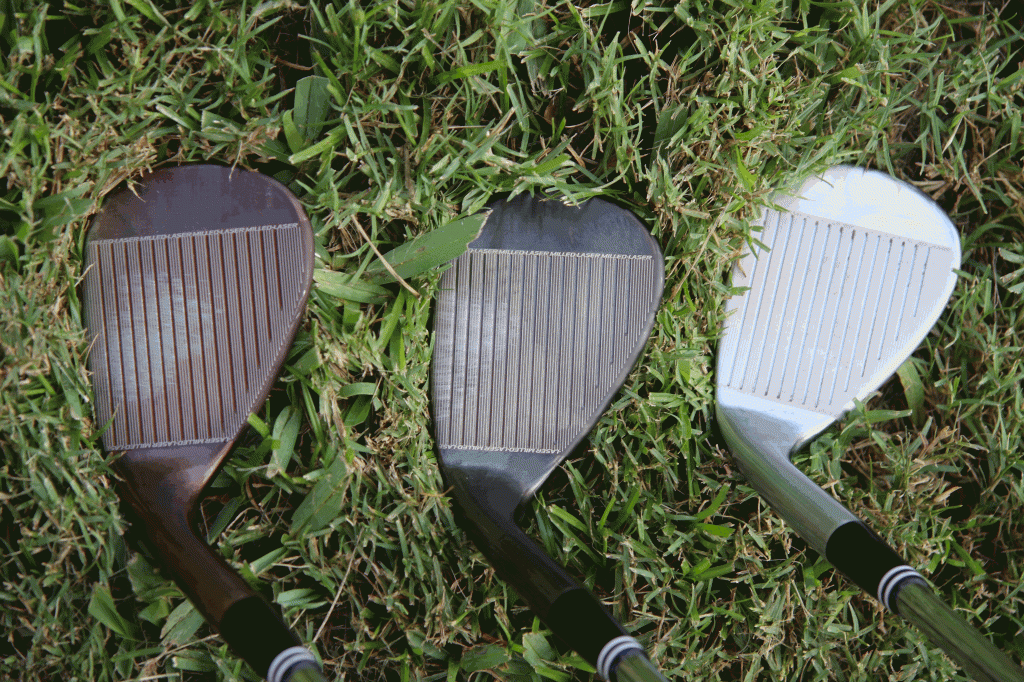
Not too long ago, I had the great pleasure of taking Miura Golf’s 1957 Special Edition small blades for a demo. I came out very impressed, but not surprised. Katsuhiro Miura is known as one of golf’s most skilled craftsmen, and his high-quality forged clubs reflect that. The feel and workability of his forged blades is second to none, so it stands to reason that Miura wedges would also perform well.
Miura Golf offers several different models and grinds in their wedges. I’ve seen just about every kind of wedge come through my office, and the basic shape and performance of the sand wedge hasn’t changed much in the 20+ years that I’ve been playing the game. When I saw the Miura K-Grind wedges, I had to give them a closer look.
Features
The sole of the new K-Grind wedges is fluted, which bears resemblance to finger-tip impressions or knuckles. These three channels are supposed to reduce the resistance against the wedge in sand, thick rough, and even the fairway. Theoretically, the sole of the wedge moves with the grass instead of against it. The channels move around the sand instead of colliding with it. This allows the wedge to accelerate through the ball with less effort in every condition to improve the odds of hitting a good shot.
The company line:
· Better results out of wet sand.
· Reduces the odds of “catching it heavy” on long bunker shots.
· Better acceleration on ½ and ¼ swings around the green.
· Digs it out of deep rough.
· Works great in normal conditions with the same feel and performance for which Miura wedges are known
The K-Grind wedges also feature True Temper’s DG Spinner shaft. The DG Spinner is a Dynamic Gold shaft specifically designed for wedges to produce more spin and a lower trajectory. This shaft was created in direct response to the USGA’s new groove rule which reduced the size and shape of “U” grooves starting in 2011. Says Greg Cavill, True Temper’s director of metals R&D and engineering: “The DG Spinner’s unique design incorporates a specially engineered recessed section along the length of the shaft that decreases launch angles by as much as three degrees and increases the ball’s spin rate by as much as 700+ rpm. The result is a more penetrating ball flight for distance control and increased spin for greater accuracy and stopping power on the green.”
For now, the K-Grind wedge comes only right-handed in a 56 degree loft. The bounce is measured at 12 degrees, which is generous and should be good in all turf conditions. Suggested retail price is $250 USD
Appearance
The chrome finish is classic and the graphics aren’t tacky or overwhelming. I prefer a simple look. If it was up to me, all that would be written on my wedges is the loft on the back. These sport the Miura Series 1957 stamp beside the company name. On the sole is the loft and a simple “K” stamp. The fluted trailing edge is unique and eye-catching, and the sandblasted groove area frames the face nicely. The shape of the Miura M-Grind wedges is the classic teardrop, with a slightly straighter leading edge. I prefer a straight leading edge for easier alignment, but some say a more curved leading edge allows the wedge to move through tall grass and sand with greater ease. I think it’s just personal preference.
Performance
So how did they actually perform? In a word – flawlessly. These wedges look great, feel great, and can hit every shot in the book in the hands of a skilled wedge player. I spent a few sessions on the range hitting all kinds of shots, and took it to the bunkers and chipping green afterwards. To start, the feel is great. You would expect a Miura forging to feel buttery soft, and these do. The only drawback to a soft forged wedge is that they are more prone to nicks and wear than harder metals, but if feel and playability is more important than durability, these wedges are at the top of the class. It was difficult to tell if the DG Spinner shaft in this 56 degree wedge really produces more spin, since my gamer is a 54 degree wedge with a regular Dynamic Gold shaft. One day we’ll get a few demo shafts on a trackman radar to test their claims. For now, I can say that this wedge produces enough spin to compare it with any other wedge out there. I had no trouble hitting the “crowd pleaser”, a low spinning chip shot that bites hard. Nor did I have any issues stopping full shots from the fairway.
The K-Grind wedge really shines around the greens, in bad lies or when chipping. The fluted trailing edge allows for the club to be opened while reducing contact with the ground. On bunker shots and other shots with an open face, the club glides through the impact area with ease. There’s no way to measure the effects of the K-Grind on various lies, but even if it didn’t help at all, you would still have a high performance wedge that looks cool and feels great.
I currently carry 46, 54, 60 and 64 degree wedges. The 64 comes and goes with the 3 iron depending on the course. I’m considering closing the gaps a bit and moving to a 46, 52, 58 and 64 setup. Either way, a 56 degree wedge doesn’t have a place in my bag or I would be gaming this new Miura wedge. Of course, Miura Golf offers five different models of wedges with differing grind, finish and loft options to meet every golfer’s needs. Lofts range from 49 to 60 degrees. If you are looking for a premium high-performance butter-soft forged wedge, you need to look at Miura Golf and their offerings. You won’t be disappointed!
Subscribe to our email updates! You’ll get the latest fresh news, reviews and stories delivered right to your inbox or RSS reader, and automatically be entered in our latest contests and giveaways! We are 100% SPAM FREE! Also, don’t forget to check in with our Facebook fan page for exclusive content and get involved by leaving us comments on what you think!
You know those rubber shoes that everyone’s wearing? They are comfortable and light weight, and you can get them in all kinds of wacky colors. Alas, they don’t have very good traction for playing sports, especially golf. For a while I thought it would be great if someone came up with a golf version of these light and comfortable shoes. Finally someone did. They are called Dawgs, (www.dawgsgolf.com) and the shoe is called the Spirit. Dawgs doesn’t just make golf shoes. In fact, the company specializes in EVA footwear made for casual comfort, or working shoes for people who’s careers have them on their feet all day long. Many medical professionals and food service workers wear Dawgs for all day comfort and support. Being on your feet for 8 hours or more on a hard floor can really take a toll on your body, so it’s imperative to wear a comfortable pair of shoes.
Dawgs have taken their experience from designing shoes for commercial use and used it to come up with the world’s lightest golf shoe – The Golf Spirit!
At less than 7 ounces per shoe (Men’s size 9 is under 7oz; Women’s size 7 is under 6oz), the Dawgs Golf Spirit is designed for golf in extreme comfort. While extremely light weight, the Golf Spirit shoe doesn’t seem to sacrifice weight for comfort. The shoes are made from high quality EVA (a.k.a. Closed Cell Resin) to absorb shock, protecting your heels and foot. The Golf Spirit shoe has 9 soft spikes embedded in rubber/EVA out soles for traction on the golf course. It’s important to note that the spikes are not replaceable, as they are part of the shoe. From the looks of them however, I would bet that they will probably last for the life of the shoe. The shoe also has a quick adjusting Velcro strap for a better fit, and ventilation holes all around to keep your feet cool.
I took my pair of black Dawgs Golf Spirit shoes to the practice range at LPGA International in Daytona Beach, FL to try them out. After a practice session, I hopped on to the course for 18 holes. The first thing I noticed about the Spirits was how light they are. I'm used to my heavy leather soled Ecco World Class GTX shoes, so putting these on for me is like wearing a slipper. The integrated spikes stick out quite a bit, and since these are so light and made of EVA, they tend to flex a lot making it slightly awkward on a hard surface like the parking lot. Once on the grass however, they feel very similar to many other lightweight golf shoes.
The fit is snug and supportive, with plenty of padding in the heel area to absorb shock. At first it takes a little while to get used to the fact that you can feel the wind pass through the shoes as you walk. Because EVA is odor resistant, you don't need to wear socks with these shoes. That's a bonus for those of us who get shamed by friends for their hideous golfer tan lines! Traction during the swing was no problem at all, as the integrated spikes did their job, holding my feet in place. As expected from a shoe this light, there isn't a tremendous amount of lateral support, but it was certainly enough for my golf swing. If you generate enough torque during your swing to spin out of your shoes, the shoes probably aren't your problem anyway.
Living on Florida, we are in the unenviable position of dealing with all sorts of critters like scorpions, poisonous snakes and fire ants to name a few. Scorpions are rarely seen on a golf course, and no golf shoe in the world will protect you from an angry Eastern Diamondback Rattlesnake. However, fire ants are a big problem all over the Southern USA, and if you've ever had a run in with them you won't be eager to repeat it. The Dawgs Golf Spirit shoes have ventilation holes all over them, and while they allow for ventilation, it also makes it very easy for fire ants to ruin your day very fast if you happen to be standing near them, so be careful where you step in these!
The Dawgs Golf Spirit shoes were comfortable and a joy to wear. In terms of fashion, it might be tricky to incorporate these with your high priced golf shirts and belts. But for anyone who just wants to swing out to the local muni and walk 18 holes with your family or golf buddies in cargo shorts, these are the ticket. On a hot day it's nice to not have to wear socks. Heck, you can even step right into that water hazard to play your sliced tee shot without taking them off.
Dawgs Golf Spirit shoes come in sizes ranging from 8 to 17 (No half sizes) They seem to run a half size small, so for example if you normally wear a 10.5, make sure you get into a size 11. They also come in several colors like Black, Black/Tan, White/Black, Navy/Lime and a few others. They are also available for ladies and children. Priced at $50, these are cheaper than most golf shoes, and perfect for beginners or as a spare pair to leave in the car in case you forget your shoes. Again, because they are made of odor resistant EVA, they won't stink up your trunk or fall apart in the heat of the car. If you order two or more pairs direct from their website, you'll also get free shipping. If you are looking for an ultra-light and comfortable golf shoe, give these a try!
Want to win free stuff? Subscribe to our email updates! You'll get the latest fresh news, reviews and stories delivered right to your inbox or RSS reader, and automatically be entered in our latest contests and giveaways! Also, don't forget to check in with our Facebook fan page for exclusive content and get involved by leaving us comments on what you think!
Callaway Golf’s putter division – Odyssey Golf – has been making putters for some time. They have gained a huge following with amateurs and professionals all over the world with their popular putting instruments. As the modern golf ball has evolved from a wound construction to a 2 piece, 3 piece and 4 piece design, they have also become harder and harder. To counteract this trend, Odyssey started making putters with inserts in the face to provide a softer feel. While they were not the only manufacturer to make insert putters, Odyssey’s inserts were the best feeling, and they quickly rose to the top of the very competitive putter market.
The design of putters hasn’t changed much over the years, and despite the new and funky designs we see every year, most people still use the more traditional shapes and styles. Having said that, Odyssey has thrown caution to the wind with the introduction of the new BackStryke series of putters. Let’s take a look at these interesting new putters and see if they live up to the hype. As we first talked about in our First Look at the BackStryke, their are 3 main design features on these putters – Visible Face Alignment, Forward Press Stabilization and Stroke Balance. The video below gives us a brief overview of these features.
Technology & Features
1. Visible Face Alignment
With the BackStryke, Odyssey has moved the point at which the shaft enters the head to the back of the club, rather than the traditional position near the face. The result is a putter that affords the player an unobstructed view of the leading edge of the putter, making alignment easier. Combine this look with the very popular 2-ball alignment feature and you have a putter that is very easy to square up to the target line. The other two models feature alignment lines that give a different look, but still make it easy to line up your putts.
2. Forward Press Stabilization
The forward press has always been a textbook key to good putting. A forward press putting stroke is one in which the hands are pressed forward of the ball before making a stroke, promoting solid contact and truer roll. Recently the forward press has been reborn, with putting legend and teacher Dave Stockton working with Phil Mickelson before the masters and re-emphasizing Phil’s forward press move. The position and angle of the shaft with the BackStryke putters helps promote a forward press hand position.
3. Stroke Balance
Most putters on the market are of the “toe hang” variety, which means that when held from the shaft, the balance of the head makes it hang with the toe down. Some putters are face balanced, which when held from the shaft results in the face of the putter remaining parallel with the ground. This helps make the putter more stable on off center hits. With the BackStryke putters from Odyssey, the putter is balanced along the stroke path. In practice, this results in a putter that doesn’t like to open or close during the putting stroke.
Appearance
Odyssey has always pushed the envelope when it comes to design, so it's not surprising that they've come up with some odd looking putters over the years. The BackStryke putters are no exception. Because the shaft goes into the back of the head rather than near the face, this creates an unconventional look. Many people will be familiar with the 2-Ball model, as it looks a lot like the other 2-ball models. The Marxsman and Blade models are different, with black and white alignment lines. If you are one of those players out there that doesn't like center shafted putters because the shaft distracts you and makes it harder to line up, you may like the BackStryke line. The putters feature Odyssey's new White Ice insert, which to me is a step back in time to the feel and responsiveness of the original White Hot insert from several years back. The finish is slightly darker than the standard White Ice putters, which creates more contrast between the white insert and alignment features and the rest of the putter. The grip is the familiar Winn pistol style.
Performance & Feel
I'll be honest, my thoughts on this putter (my test unit was the 2-Ball model) has been like a stormy relationship. It's been up and down. When I first saw them at the 2010 PGA Merchandise show, I thought they looked cool and seemed to roll the ball well. When I first got my demo unit from the folks at Callaway/Odyssey, I was a little skeptical. After rolling about 50 putts in my living room over several days, it didn't impress me. To be fair and thorough with my review I had to play with it for at least 18 holes, so I took it out to Eagle Creek Golf Club in Orlando, FL. Again, after rolling a few on the practice green, I didn't feel comfortable enough to game it right away. The look and feel when making a putting stroke was just awkward to me. After playing 7 holes I was 3 over par and struggling with my regular putter, so with nothing to lose I pulled out the BackStryke and put it in the game for the rest of the day. I told myself to just trust it, and the results were stunning. With the BackStryke coming off the bench, I proceeded to make seven birdies on the remaining 11 holes, including a 45 foot snake on the 15th hole. I just missed a five footer on 18 for birdie that would have made it 8 for 11.
When it comes to this putter, it's true that you shouldn't judge a book by its cover. The look and setup takes time to get familiar with for sure. It's been 36 holes and I'm just now becoming comfortable with the BackStryke. I'm used to the face of a putter opening as the putter swings back, returning to square at impact, and closing slightly on the through swing in a traditional arc shape. With the stroke balance feature of this putter, it tends to want to remain square to the line as I make my back swing, making me believe my stroke is off. It took me several putts to realize this and determine that it is actually what is supposed to happen. I also have a tendency to have my hands slightly behind the ball at address with this type of putter, but once I committed to make a slight forward press my results improved dramatically. If you can see the face insert at address, make a slight forward press until it disappears. This is the ideal position to get the best roll from this putter.The feel is very much like the original White Hot inserts, with the ball popping off the face with some energy. The previous White Hot XG insert was much too mushy for my taste. The new White Ice insert has added more resilience for that extra pop, but retained a soft, controlled feel. The 2-Ball model I had also makes a slight pinging noise at impact, which many players like for auditory feedback. While it is heavy and has a large head for forgiveness, the sound and feel of the putter provide great feedback, and the player can tell right away if a solid putt was hit.
Specs & Pricing
The Three models available in the BackStryke series (2-Ball, Marxman and Blade) all come standard with 3 degrees of loft, 69 degree lie and 355g head weight. I have noticed that Odyssey's putters tend to sit flatter than most. 70 degrees is usually a putter's standard lie angle. The putters are available in 33", 34" and 35" lengths. For the lefties out there, the only model available for you currently is the Marxman. Street price so far is around $199.
Overall Impressions
The Odyssey Backstryke putters are a bit like a late night infomercial. You want to look away, but somehow you are draw to it like a moth to a flame. At first glance, I didn't want to put it in play and didn't really trust it when I did, but after I got past the odd setup and unfamiliar way it swings, I started making putts in bunches. This putter is heavy, solid and likes to swing square to square. The key to the BackStryke is to just use it the way it was designed. If you use a forward press style, you should try this baby. If you fight it, you'll have trouble getting any confidence with it.
The design of the BackStryke putters is new, innovative and it certainly won't be for everyone. Traditionalists and players with a hands-back setup like Zach Johnson probably won't like it. However, I think Odyssey really has something with this putter, and I'm certainly a believer!
Want to win free stuff? Subscribe to our email updates! You'll get the latest fresh news, reviews and stories delivered right to your inbox or RSS reader, and automatically be entered in our latest contests and giveaways! Also, don't forget to check in with our Facebook fan page for exclusive content and get involved by leaving us comments on what you think!
Since being purchased by SRI Sports in 2007, Cleveland Golf has been hard at work developing new clubs and products and they have seen a nice resurgence in the market and on the professional tours. Anchored by their ever-popular wedge offerings like the new CG15 Wedges and solid and playable irons like the new CG7 Black Pearl and the new HB3 Hybrid irons, Cleveland is making a comeback in the driver market in 2010. Cleveland’s previous driver offerings didn’t make a huge impact and while they were solid clubs, they were not very popular with consumers. The HiBore and HiBore Monster drivers just didn’t appeal to players visually, even though they performed well.
For 2010, Cleveland Golf has answered the call and is introducing three new driver models – the Launcher DST, DST Draw and Launcher DST Tour. Switching gears and going back to a more traditional looking club will help, and if that doesn’t get you interested, the performance of the new clubs certainly will. So, let’s see how the Launcher DST performs! (Click on the pictures for a closer look!)
Appearance
As I mentioned before, Cleveland went with a more traditional look for the DST. The new driver is a standard pear shape with a black paint job on the crown and some blue highlights around the chrome sole plate. The face area has just a few score lines arranged in a semi-circle around the sweet spot. The top line has no alignment marks or badges which makes for a nice clean look, focusing your attention on the ball that is about to be punished. This club has a very classic, simple look and to me it’s a nice departure from the odd shapes and weird materials and colors in use by some club companies these days. Some drivers look more like spaceships than golf clubs.The DST is a 460cc driver, but the black paint job and classic shape doesn’t make it look that big. The DST Draw sits three degrees closed and is draw biased via internal weighting. The DST Tour comes in at 430cc, and again it looks more compact, which is a feature some people prefer. Sitting two degrees open, it should appeal to better players and players who move the ball from right-to-left. As it is important to some, even the head cover looks nice. It’s made with a white vinyl with a dark blue sock, and a bright red Cleveland logo on the top. I’m not sure what the “E-Z Grab” handle is there for, we don’t really need that on a head cover, but I’ve seen weirder things on head covers before.
Technology
The Launcher features Cleveland's Sub 300g Technology, which makes it one of the lightest drivers in golf. The overall club weight is below 300 grams, which is 25 grams lighter than standard drivers. They achieve this in part by using a lighter grip and a new Mitsubishi Diamana Red shaft that weighs only 47 grams. This allows the shaft to be lengthened to 45.75" for more swing speed and the overall weight allows golfers to swing it faster for more distance. Cleveland's claims of increased distance are from 3 to 10 yards. The DST uses variable face thickness to create a larger C.O.R. on off center hits, so that mishits fly further. A lower and deeper center of gravity also helps get the ball in the air faster with higher MOI for straighter drives.
Specs and Options
The Diamana Red 47g is the stock shaft, but by no means is it the only shaft available for the Launcher DST and DST Tour. In fact, Cleveland has a very large selection of custom shaft options available from companies like Aldila, Fujikura, Grafalloy, Graphite Design, Mitsubishi, UST, and SRI Sports' hot new Miyazaki shafts. The Launcher DST is available in lofts of 9, 10.5 and 12 degrees. The Launcher DST Tour is available in lofts of 8.5, 9.5 and 10.5, and the stock shaft length is 45.125", rather that the stock length of 45.75" for the Launcher DST and DST Draw.
Performance
Cleveland was wise in keeping the Launcher name for these drivers, because its a great way to describe them! These clubs launch the ball. I have four demo units - a DST Tour with the stock Diamana 47g shaft, a DST Tour with the new Miyazaki Kusala Black 72x, and 2 standard DST drivers - One with the Miyazaki Kusala Black 61x, and the other with an orange colored Miyazaki C. Kua 43X. The Diamana Red is very light, and is designed for high launch conditions. It features a low torque, softer tip section to launch the ball higher with low spin. The Miyazaki Kusala Black shaft is designed with a firm tip section for lower launch and very low spin. The Miyazaki C. Kua series are extremely light, while still offering high performance for all golfers. The C. Kua series shafts have been very popular on the professional tours.
[caption id="attachment_1822" align="alignright" width="300" caption="DST (Left) and DST Tour (Right)"][/caption]
The DST Tour with the Diamana Red was noticeably lighter than the others, which had 61 and 72 gram shafts, compared to the 47 gram Diamana. Despite it's light weight, this is no wet noodle shaft. Diamana shafts are widely played on the PGA Tour in heavier weights like 75 and 85 grams, but several of the Cleveland Staffers were playing with the 47 gram Diamana shaft before switching to the hot new Miyazaki C. Kua shaft. A few years ago, shaft companies couldn't make a shaft that light because it couldn't stand up to the strength of a fast swinger. However, with the advances in shaft technology and materials, both the Diamana and C. Kua shafts perform very well. In fact I was quite impressed at how stable the C. Kua 43X was at impact for such a light weight shaft. My DST Tour 8.5 had no trouble getting into the air, and while the shaft could be felt working at impact, the ball didn't balloon as I would have expected. For most golfers, this shaft will be the best option, as it produces a mid to high launch with mid to low spin. The lighter weight will allow most golfers to generate more club head speed without swinging faster.
For players seeking the pinnacle in shaft technology and stronger swingers who desire tour-like performance, the new Miyazaki shafts are a must hit. One of the fastest growing shafts on tour, Miyazaki already has more than 100 players using their shafts! Made in Japan and owned by SRI Sports, the parent company of Cleveland Golf/Srixon, Miyazaki shafts feature artwork from an artists by the name of Kusala and C. Kua. The Kusala series has three models, the Black series (Low launch), the Blue series (Mid launch) and Silver series (High Launch), all producing different ball flights. The C. Kua series are the ultra-light weights, and feature shafts ranging from 59 grams, to 43 grams and even a 39gram shaft! I'll go into the technology of these new shafts in a spotlight very soon. For now, all you need to know for the purposes of this review is that they are very high-end premium shafts and they perform brilliantly.
The DST head and Miyazaki Black 61 shaft are a great fit together, and the result is a high launching ball that carries far without excess spin. Where my current driver (Titleist 909D2 w/ Grafalloy Epic) lands and stops, this one lands and hops forward with a bit of roll. I was testing on a wet golf course, but just the fact that balls were not backing up out of their pitch marks was a great sign. A few more drives, this time on a downwind par four with a dry fairway, and the ball shot forward from the landing spot with little discernible backspin. It was a breezy day and several holes were into the wind. Despite the high launch, my ball didn't balloon at all. (Update - I have been gaming the Cleveland Launcher DST driver with the C. Kua 43x shaft for several months now and it's easily the best driver I've hit in years.)
Feel and Forgiveness
The DST and DST Tour drivers are both about as forgiving as you would expect. Off center hits can be felt, and the gear effect helps to bring the ball back into play, but these are not game improvement drivers. If you struggle with a slice, the DST Draw will certainly help mitigate that, with a three degree closed face at address and draw-bias internal weighing placed low and towards the heel to help square the face at impact. The feedback is perfect. You know it when you miss hit them, and the loss of distance isn't too bad. The sound is a high-pitch click, but doesn't over power with the sound of shattering glass like some drivers. The video above can give you an idea of what the club sounds like at impact. The stock shaft, being designed for high launch, feels like it's kicking at the bottom, as designed. This makes it feel too weak, but the low torque prevents the club from twisting and the dispersion was very good. You can see the deflection in the shaft in the video. That's an Extra Stiff shaft too! By comparison, the Miyazaki Black shaft felt very strong and stable but not too boardy. A big swing is required to really bend these babies if you go with the Extra Stiff flex. Personally, I think the Miyazaki shafts will be a huge success.
Warning to DST Draw buyers: Be careful when selecting the proper loft for a closed face driver. The more you close the face of a club, the greater the dynamic loft at impact becomes. For example, a 10.5 degree driver with a 3 degree closed face will be more like a 12 degree driver at impact. Conversely, the DST Tour driver with a two degree open face will tend to hit the ball lower. An 8.5 degree loft at impact becomes more like a 7.5 loft. If anyone wants a better explanation of dynamic loft, just let me know and I'll write an article about it. It's a subject that hasn't been talked about much, but needs clarification since the advent of adjustable heads.
Given the three different heads and lofts, combined with the multitude of custom shaft options, I would highly recommend a proper fitting to get you into the best driver for your game. Cleveland has a number of Demo Days planned throughout the country. Just check out the schedule on their website, or visit a retailer near you for a fitting. A few years ago I switched to a properly fit driver and shaft and gained 20 yards. I picked up the Launcher DST with the Miyazaki Black 61x shaft and hit it 10 yards past my current driver.
Overall Impressions
The Launcher DST drivers are very solid, long, and classic looking. Cleveland Golf has managed to pack a lot of technology into a club that doesn't look very technologically advanced. With clean lines and paint job and the great shaft options available, Cleveland has a big winner on their hands with the Launcher DST. Available now with prices in the $299 range, this is the best driver deal I've come across so far this year. If you haven't hit a Cleveland driver in a while, give this one a try. You won't be disappointed. For a second opinion (and a lefty's take) on the Cleveland Launcher DST Driver, check out the review by my friend Dave!
Want to win free stuff? Subscribe to our email updates! You'll get the latest fresh news, reviews and stories delivered right to your inbox or RSS reader, and automatically be entered in our latest contests and giveaways! Also, don't forget to check in with our Facebook fan page for exclusive content and get involved by leaving us comments on what you think!
Bridgestone is a relative newcomer to the world of golf for many people, but did you know that Bridgestone started making golf balls back in 1935? Yeah, I thought that was pretty amazing myself. Bridgestone started making golf clubs as early as 1972 and even though the company may not be as well known in the US market as Callaway, TaylorMade and Titleist, they have become the number one producer of golf balls in Japan. If you haven’t looked at Bridgestone Golf before, it’s probably time that you do, because their 2010 line-up of balls and clubs are going to take the US market by storm.
Bridgestone’s golf ball spots on television have become pretty well known. You know the ones? Fred Couples sitting with a beautiful woman reading fan mail about the B330RX golf ball, only to find out Lee Trevino is the one who’s letter they are reading? They also have had some success with their Ball Fitting campaign for amateurs. Indeed, the B330 line is a good golf ball and we should give it it’s due, but this post is about the new clubs for 2010. More specifically, the new J38 460 driver and Fairway woods.
Leading up to the PGA Show in Orlando I stopped by the PGA Demo Day at Orange County National and hit so many golf balls with so many different clubs that my hands, arms and back hurt for days! Of all the beautiful and technologically advanced drivers I got to hit, the Bridgestone J38 460 was one of the hottest, best feeling clubs there. What’s so special about the J38? Read on!
The J38 driver is all new for 2010. Followers of Bridgestone Golf will note that this is the first new driver they've introduced in some time. It's easy to get caught up in the 12 month new product lifecycle of TaylorMade and Callaway, but Bridgestone and a few others don't seem to follow that strategy. Along with a totaly new look, the J38 driver features an extended crown profile from the shallow face that promotes a low and deep center of gravity, for high launch and low spin. That, according to Bridgestone, allows for longer carry and maximum distance. There isn't any fancy weight plugs, or an adjustable hosel, or spiffy multi-material construction in this club. Bridgestone sticks to the KISS principle and I admire that.
The biggest selling point for me is the high-quality Fujikura Motore F1 shaft that comes standard. It weighs in at 65 grams and comes in R/S/X flexes. This shaft is an upgrade for most other drivers, but comes standard in the J38. What's also impressive is the list of custom shaft options from Bridgestone. It's simply too long to show here, but the full list is available on their website. I counted almost 50 different shafts and a dozen grips that can be custom ordered with your J38.
The J38 460 comes in 8.5, 9.5 and 10.5 degree lofts and all models are 45" long and sit square at address. There isn't much trickery going on here to help you hit it further, like making the shaft an inch longer as some companies do these days. The facts are, the longer the shaft, the harder it is to make solid contact. The primary factor affecting distance is solid contact, so a longer club doesn't necessarily mean more distance for most players. The Driver will retail around $399 and will be available in stores in March of 2010.
Stay tuned soon for a first look at the hot new J38 Cavity Back and J38 Dual-Pocket Cavity irons!
Want to win free stuff? Subscribe to our email updates! You'll get the latest fresh news, reviews and stories delivered right to your inbox or RSS reader, and automatically be entered in our latest contests and giveaways! Also, don't forget to check in with our Facebook fan page for exclusive content and get involved by leaving us comments on what you think!
Since 1979 when Cleveland Golf was founded, they have made quality golf clubs. Like many golf equipment manufacturers they have had their ups and downs. There is a lot of competition out there, with the huge marketing machines of Taylor Made and Callaway stealing the show. Cleveland has been through thick and thin and has maintained a solid market share in this hugely competitive market. Cleveland is largely known for it’s wedges, and with the introduction of it’s newest model – The CG15 – they are poised to regain a bigger piece of the pie in 2010. They are also introducing a new line of drivers and fairways called the Launcher DST, which we’ll review very soon right here. The irons remain much the same, but they have created a new club from a popular design that I think will do very well, and they are called the CG7 Black Pearl irons. I wrote a preview article about these in September, and we were very eager to try them out! Let’s take a closer look at these clubs and what they have to offer.
Appearance
Cleveland’s CG series irons are not new. In fact they have been around since May of 2007. The CD Gold and CG Red irons are still in use on the professional tours also. Next came the CG7 and CG7 Tour irons, which are also widely used on the pro tours, and finally we have the new CG7 Black Pearl (BP) and CG7 Tour Black Pearl irons. The new BP irons look similar to last year’s CG7 irons, with similar basic shape and graphics. The biggest difference is obviously the new Black Pearl finish. The matte black finish looks a lot like the gunmetal finish that was available in previous Cleveland clubs. They also feature Cleveland’s new Laser Milled face texture that increases surface roughness to maximize spin, along with the already popular Zip grooves. There is a lot going on in the cavity of the CG7s. Crammed in there is a one piece injection molded visco-elastic insert that covers the entire perimeter of the cavity and the base of the head. This insert provides vibration dampening across the entire face for superior feel, even on off center hits, according to Cleveland. All of this, combined with the heel and toe weighting provides for a pretty forgiving iron that looks very sharp as evidenced by several double-takes from interested observers as we tested these on the range at LPGA International in Daytona Beach, Florida.
CG7 Tour BP
Performance
The CG7 line of clubs are firmly placed in the middle of Cleveland’s lineup. For the ultimate in game improvement for high handicap players, they offer the HiBore XLi and launcher Irons. For the traditionalist and/or better players, they have the CG Tour forged blades, and for everyone in between, they now have the CG7, CG7 tour, CG7 BP and CG7 Tour BP irons. Given their position in the lineup, they should appeal to a wide range of players from scratch golfers to mid handicaps. The CG7 BP irons have more offset and stronger lofts than the CG7 Tour BPs. The difference doesn’t seem like much – the PW is 45 vs. 46 degrees, and the 5 iron offset goes from .180″ to .135″ – but it makes a big difference. Most lid to low handicap golfers will prefer the Tour version that has less offset and weaker lofts. Even with a 46 degree pitching wedge, many players will have to carry a gap wedge to bridge the difference in loft from PW to SW.
My test set of CG7 Tour Black Pearls came with the venerable Dynamic Gold shaft and Cleveland grip. I warmed up with my own clubs first and then grabbed the CG7 BPs. My first impression was that they sat nice and square and were easy to line up. The contrast of the white scoring lines against the black finish may be a distraction to some, but I didn't mind it. The feel of these clubs was a surprise. They feel softer than I would have imagined for a cast cavity back iron. This may be due to the visco-elastic insert, dampening the feel and sound of impact. As I continued to hit balls, I found it rather easy to shape shots and hit knockdowns and punches. These clubs perform at a very high level! The feel is very muted and softer than expected, and the forgiveness is about where I expected. They will moderately help a mis-hit shot, but you'll know you miss hit it. As far as performance goes, they were very similar to my Srixon i701 Tour Forged irons, and I think I could adjust to these in just a few rounds.
As with all new clubs, the new finish starts to wear immediately, and the sandy turf in Florida certainly expedites this process. After several hits, the face of the clubs show scratches and wear to the micro grooves. With the shorter clubs especially, the Zip grooves will scuff a new golf ball that is trapped aggressively against the turf. Out of the rough the deep and sharp Zip grooves provide spin, and the rounded shape and compact club head helps them slide through tall grass better than most. Just to avoid confusion, these clubs conform to the current USGA groove specifications for amateur golfers. They do not conform to the PGA Tour condition of competition that goes into effect Jan 1, 2010. For more info on the new groove regulations, read my explination of the new rule here.
Specs and Options
The CG7 BPs come with several different shatf offerings. In steel the standard offering is called the flightspeed shaft, but you will probably want to chose one of the custom shafts. You have the choice between the Dynamic Gold, DG Lite, DG Sensicore, Dynamic Gold SL, Project X, Rifle Flighted and Rifle shafts. In graphite, you have a choice between a standard Cleveland branded shaft or offerings from Aldila and Grafalloy. I've never been a fan of "stock" shafts, as I feel these are mass produced with lower quality standards than the custom option shafts. As always, I highly encourage getting properly fitted for your new irons also. It's just a smart thing to do and helps you make the most of your investment.
[caption id="attachment_1292" align="aligncenter" width="570" caption="Specs - CG7 Black Pearl Irons"][/caption]
[caption id="attachment_1294" align="aligncenter" width="568" caption="Specs - CG7 Tour Black Pearl Irons"][/caption]
With Cleveland Golf, it's important to note that they have a great promotion going on for the remainder of 2009. If you purchase a set of in-line Cleveland Golf Irons in 2009, you will be eligible to trade in your set for any of the new models of equal or lesser value introduced from January 2010 to December 2011 at no charge. All you have to do is buy your set at an authorized Cleveland Golf dealer and register your purchase at this website. It may sound too good to be true, but it’s not. If you are tempted to make a purchase, you can use our affiliate link to get free ground shipping on any orders over $75...
Overall Impressions
I think Cleveland golf has another winner on their hands with the CG7 Black Pearl irons. Matched with the hot new CG15 wedges, they will make a great addition to anyone's bag. They are forgiving without sacrificing feedback, and feel almost like a forged club. They look really sharp, and everyone we showed them to liked them at first glance.
Pros: Good feedback with forgivness, Solid muted feel, good spin potential, sharp looks
Cons: Stock "flightspeed" shaft, opt for a custom shaft. dark finish shows wear faster than chrome clubs
Cleveland Golf has a long history of making great wedges. The almost iconic 588 wedges are still in play all over the world for pros and weekend hackers alike. Founded in 1979, Cleveland Golf was purchased in December of 2007 by SRI Sports, the parent company of Srixon Golf in Japan. Over the last few years the wedge market has become very competitive, with the tour success of Titleist’s Vokey wedges taking a slight edge in weekly wedge count on the PGA Tour. The founder of Cleveland Golf – Roger Cleveland, sold the company in 1990. Later, he hooked up with Callaway Golf and now designs clubs for them. Even Taylor Made has gotten into the act, and several smaller companies also seek to steal some market share in the wedge world. Still a market leader, Cleveland Golf has a new wedge offering for late 2010. The CG15. Last month I first wrote a preview of these wedges, and Cleveland was nice enough to loan me a few to test out in person. Let’s take a look at these beautiful new wedges and see how they perform.
Appearance
With the exception of advances in CNC machining that led to sharper and deeper grooves, technology in wedges hasn't changed much since Gene Sarazen invented the modern sand wedge back in the early thirties. Subsequently, little has changed in Cleveland's wedge offerings in the past few years. From the CG10, to the CG12 and now the new CG15, Cleveland retained the same basic look. There isn't much you can change on a classic wedge design, so most companies relocate the text or change the graphics. With the new CG15 wedges, they have moved the bounce angle number and dots from the hosel area to the sole of the club, just below the loft number. They've also moved the company name from the sole to the back of the club, replacing the logo that was there on the CG12. Cleveland has also rolled back the trailing edge of the club to make it more playable when opening the club.
Cleveland's new CG15 Wedges are offered in 3 distinct finishes - Chrome, Oil Quenched and Black Pearl. The chrome finish is the classic treatment that we are all used to seeing in a wedge or forged iron. The Black Pearl finish is a dark matte finish similar to Cleveland's gunmetal finish. This dark finish has become familiar to Cleveland fans. The other finish being offered with the CG15 wedges is called Oil Quenched. This finish has a beautiful reddish brown tint to it, and like other non-chromed clubs, it will rust over time. Many players have come to prefer a rusty style wedge, one for the glare resistance, and two because many players believe a lack of polish makes the clubs softer. Either way, a choice of three finishes certainly is more than most companies can offer.
Performance
The good folks at Cleveland Golf sent me three wedges of different lofts and finishes to put through their paces. I had a 52 degree Oil Quenched, 56 degree Black Pearl and 60 degree Chrome wedge to test out. The timing of my play testing was almost perfect. I was fortunate to have a fantastic venue to test out the wedges at Golden Ocala Golf and Equestrian Club in Ocala Florida. I was in town competing in the Florida State Mid-Amateur Championship and I had several friends available to hit some balls with them and give me their opinions. The short game practice facility at Golden Ocala is second to none, featuring three beautiful practice greens with bunkers and plenty of space to hit from all angles. In fact, there is enough space to hit short chips all the way out to 100 yard shots, making it a perfect place to try out new wedges. I put the CG15 wedges through their paces, hitting everything from basic chips and bunker shots to pitch shots, knockdowns and full wedges from a variety of lies. To sum things up, these wedges are very solid. They have the predictable feel common to Cleveland wedges. It's soft and muted, and vibration is kept to a minimum, even on mishits. The feel almost reminds me of a forged cavity back iron, even though these wedges are neither forged nor cavity backs. This is a common misconception among consumers. Cast and forged clubs differ only in the manufacturing process, not in feel or performance. The reason many cast clubs feel harder than forged ones is simply that harder metals are easier to cast than softer ones. Cleveland has never made a forged wedge, and neither has Bob Vokey, who's Titleist wedges combine with Cleveland to dominate the wedge market. They use soft carbon steel to cast their wedges, and they feel every bit as soft as a forged club of the same metal.
Cleveland's Zip Grooves have been augmented with a new feature called Laser Etched grooves, introduced for the CG15 wedge. Using a laser, 4 texture lines are milled between each groove exactly to the conforming roughness limit. This roughness application optimizes ball-to-face friction and maximizes spin under the rules of golf. In my experience, the ability to produce spin depends less on the club or grooves, and more on the golfer's ability and the golf ball used. Having said that, these wedges can put some serious spin on the ball. From a fairway lie the spin produced is similar to most other wedges. On chip shots executed with proper technique, the ball skids and grabs hard, trickling the rest of the way to the hole. From the rough is where the modern box grooves really shine. Because of the increased groove volume and shape, more grass and dirt is trapped by the grooves and balls hit from the rough spin much more than when hit with wedges with more traditional V grooves. I had no problem stopping the ball reasonably quickly from lies in all but the thickest rough.
I found that the initial finish on the face of the Black Pearl and Oil Quenched wedges wears quickly, but this is normal and unavoidable, just as with any other wedges. The face of the chrome wedges also wears just as fast, but because of the finish its not as noticeable. The grooves and even the laser etched grooves micro grooves held up well in my 4 days of testing, and I predict they will wear well for at least a season for most golfers. It remains to be seen how long the laser etched grooves last under normal use. I always recommend new wedges every year for serious golfers. These wedges are very well balanced, and in the hands of a skilled golfer they become deadly scoring weapons. I was able to hit low spinning shots and high flops alike with ease. The multiple bounce and loft options ensure that they have a wedge for everyone's needs or wants. Another option that has been in Cleveland's arsenal for a few years is the DSG wedge, which stands for "Dynamic Sole Grind". These wedges have a sole that is beveled to allow the leading edge to sit closer to the ground when the face is opened. This allows for more versatility for a variety of lies and turf conditions.
Specs and Options
With three finishes, two different grind options, lofts from 48 to 64 degrees and several bounce options, there is sure to be a CG15 for everyone. The most popular lofts have several bounce options to make the wedges more versatile for different players and turf conditions. The 56 degree loft for example is offered with 10, 14 or 16 degrees of bounce, and the DSG version has 8 degrees. There are also several custom shaft options available to upgrade the stock shaft, which is the now very popular "wedge flex" shaft that many companies are selling wedges with. This is a shame, because these shafts are garbage. I have seen wedge flex shafts flex all over the place on a shaft deflection board, and the weights are also not tightly controlled as they are on a shaft like the Dynamic Gold. I would highly suggest ordering wedges with the same shafts that are in your irons for consistent feel.
Overall Impressions
I think Cleveland has a winner with the new CG15 wedges. They feel very solid and well balanced, and Cleveland offers more loft, bounce and finish options than any other manufacturer. The Zip Grooves with Laser Etched micro grooves generate plenty of spin, and they look great in the bag. My personal favorite is the Oil Quenched finish (seen at far left below), which has a gorgeous red tint that is unlike any other club out there. I wish the stock shaft was of better quality, and I also would love to see a comprehensive wedge fitting system available to help match players with all those loft and bounce combination for best performance.
Pros: Soft, solid feel, tons of loft/bounce options, good spin potentialCons: Stock "wedge flex" steel shafts are disappointing. Laser etched grooves may wear fast. With so many loft/bounce options, Cleveland needs a comprehensive wedge fitting system.
The Cleveland CG15 wedges will become available after November 13, 2009 for an MSRP of $119 each. For more pictures, see my preview article here.
Want to win free stuff? Subscribe to our email updates! You'll get the latest fresh news, reviews and stories delivered right to your inbox or RSS reader, and automatically be entered in our latest contests and giveaways! Also, don't forget to check in with our Facebook fan page for exclusive content and get involved by leaving us comments on what you think!

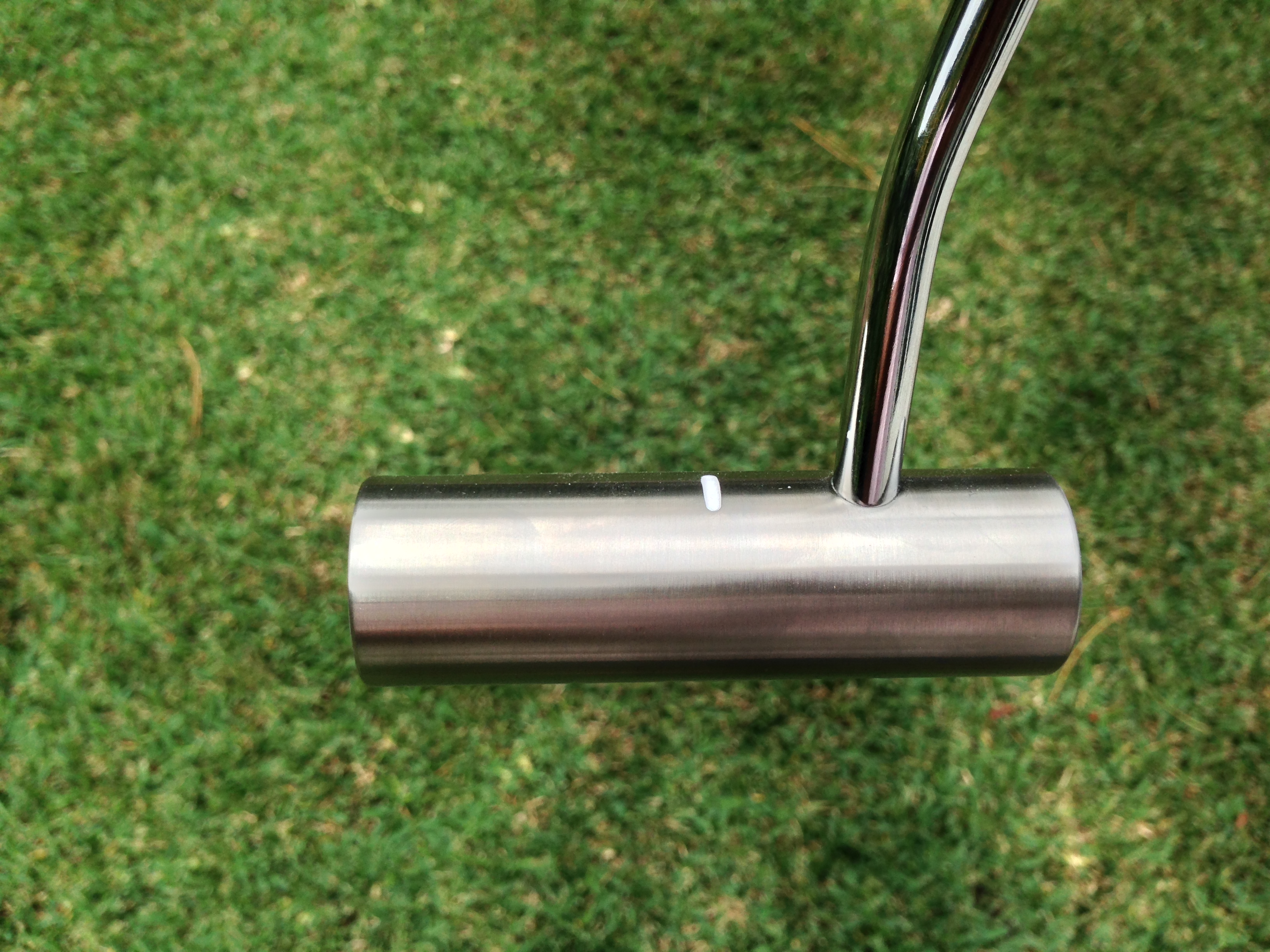 Every year at the PGA Show in Orlando, a few new products are awarded with awards for their innovation and design. In 2014, Tru-Roll Putters won the Top Buyer’s Choice Award. Given the volume of products on display every year this is quite an accomplishment. On the putting green during the PGA Demo Day when I met Sheldon Long, the inventor of the Tru-Roll Putter, I overheard several people talking about the product and nobody had a bad thing to say about it. The Top Buyer’s Choice award reflects observation. The design and concept of the Tru-Roll putter is simple – to get the ball rolling immediately.
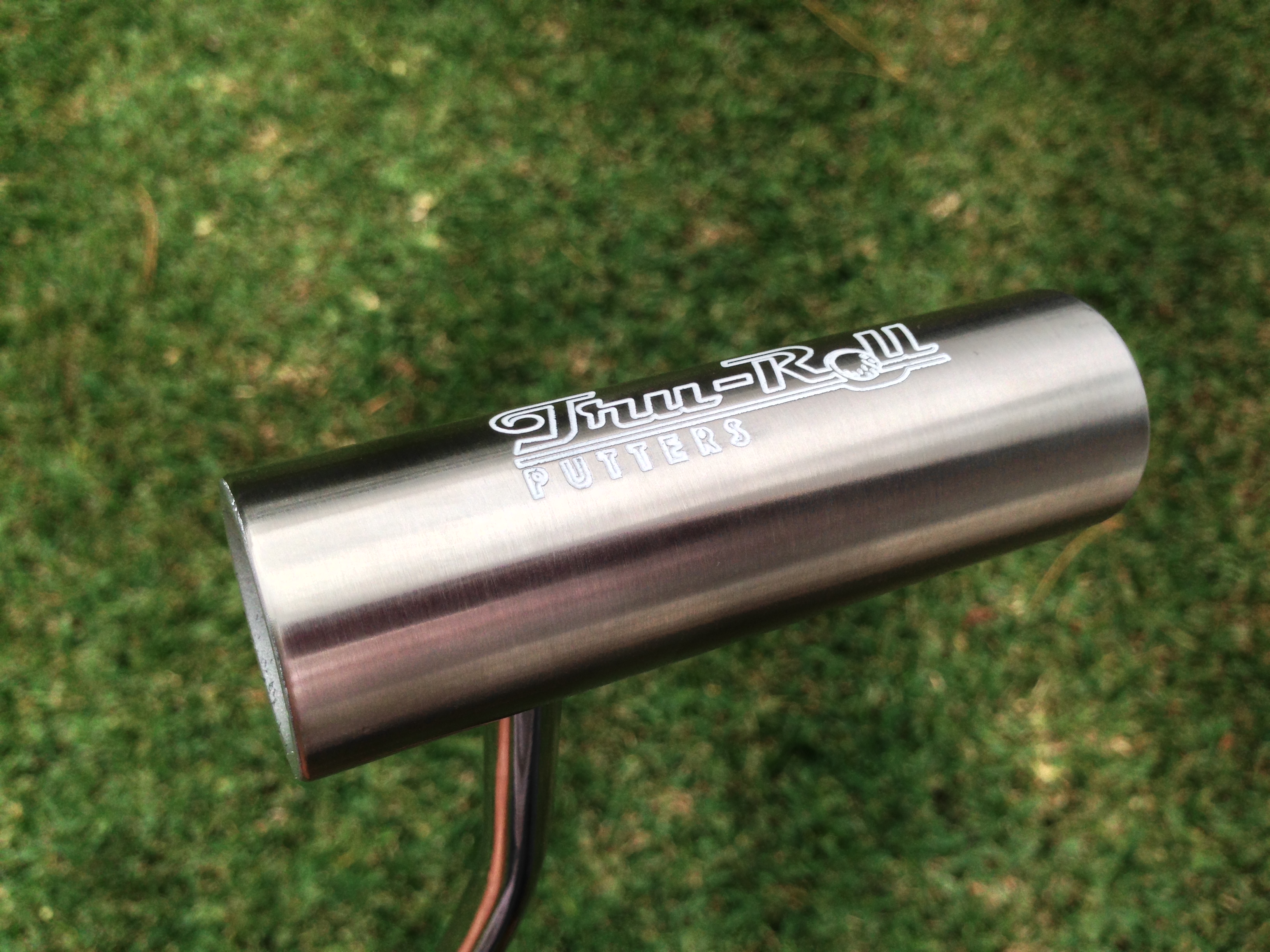 During play testing, I found the Tru-Roll putter to be most effective on faster greens. The ball tends to come off the face with slightly less perceived energy than a standard putter because the ball starts rolling much faster. With a traditional flat faced putter, on a long putt the ball becomes airborne temporarily, then skids for a while and starts to roll a few feet down the line.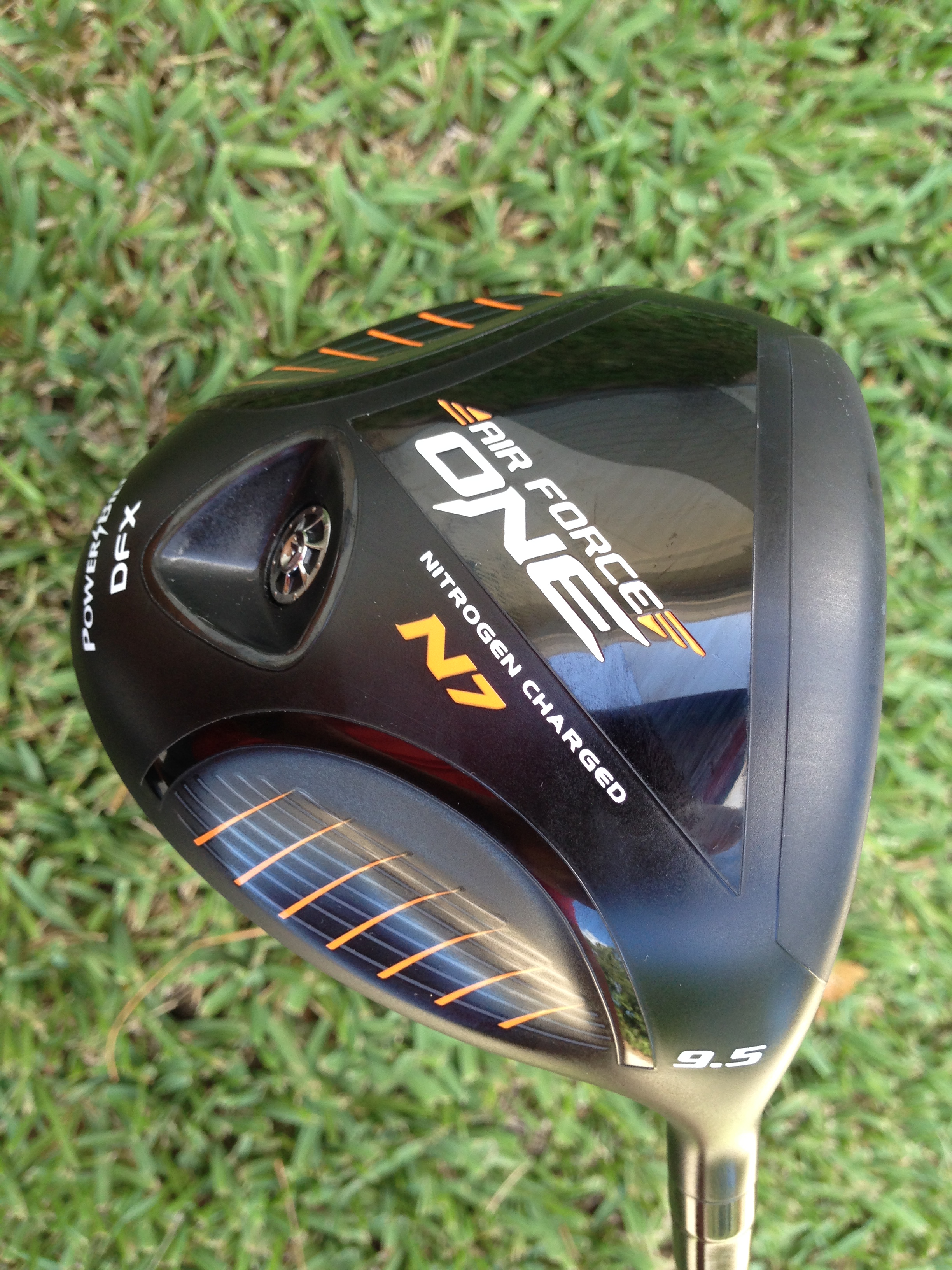
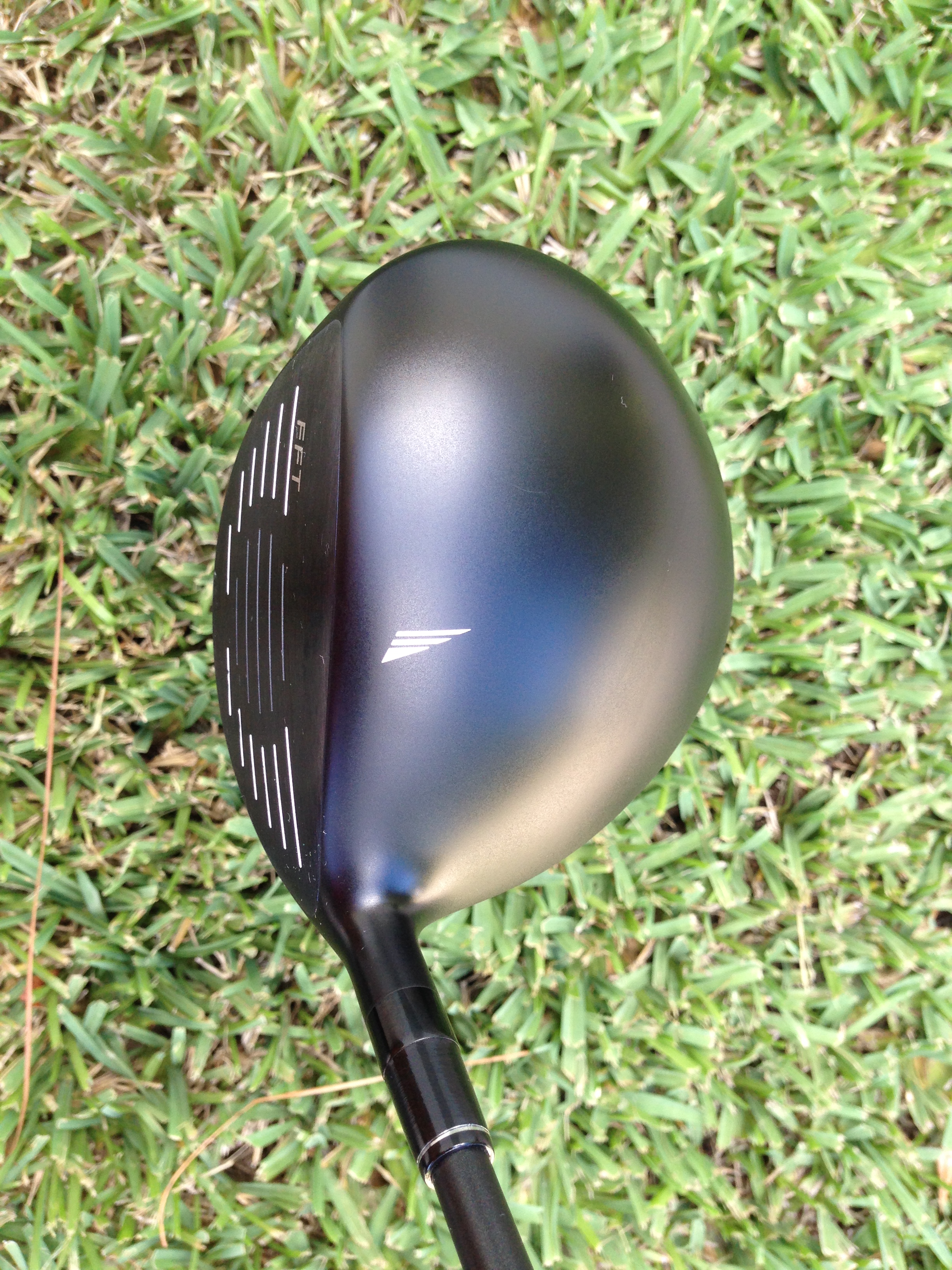
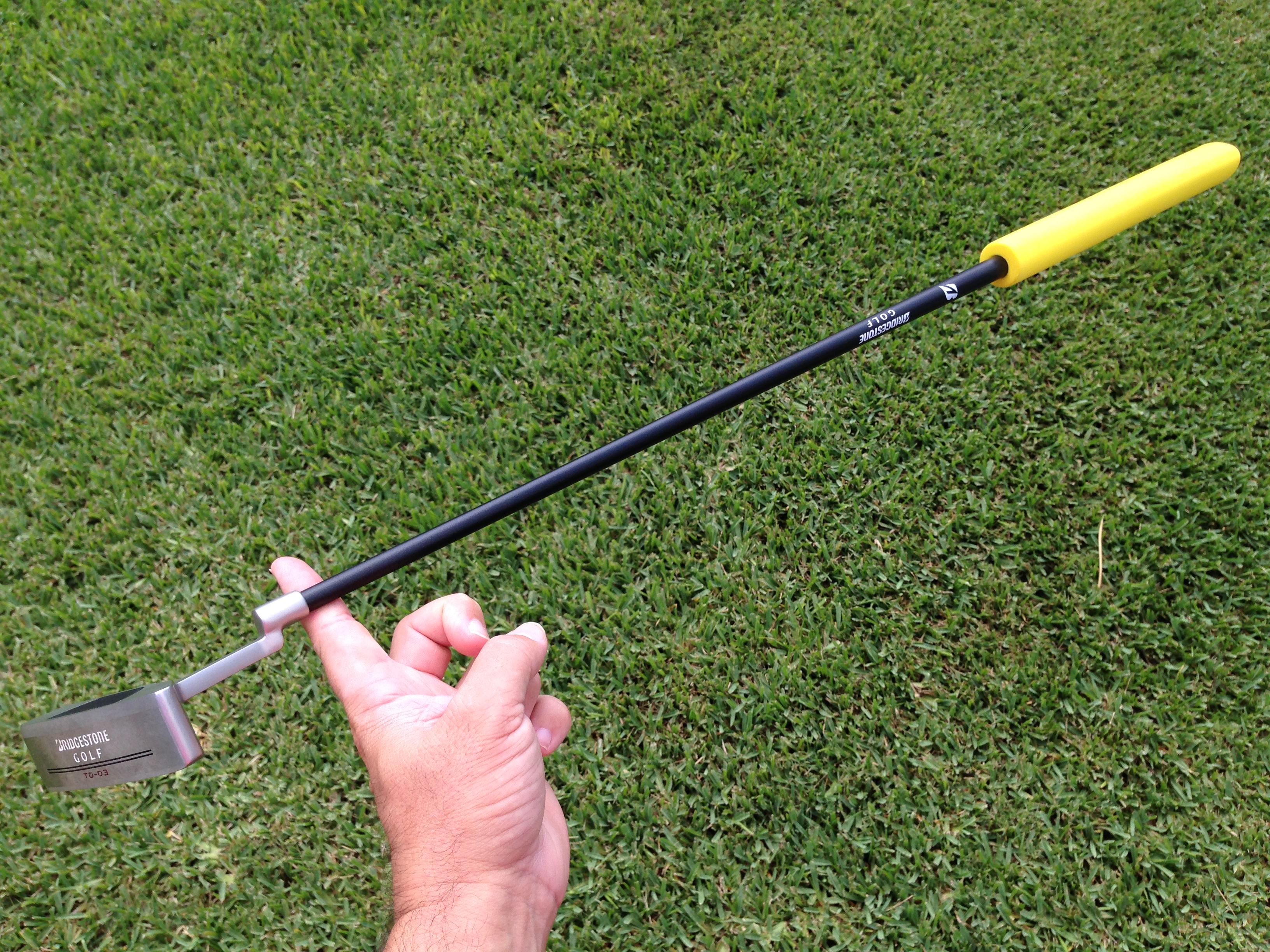
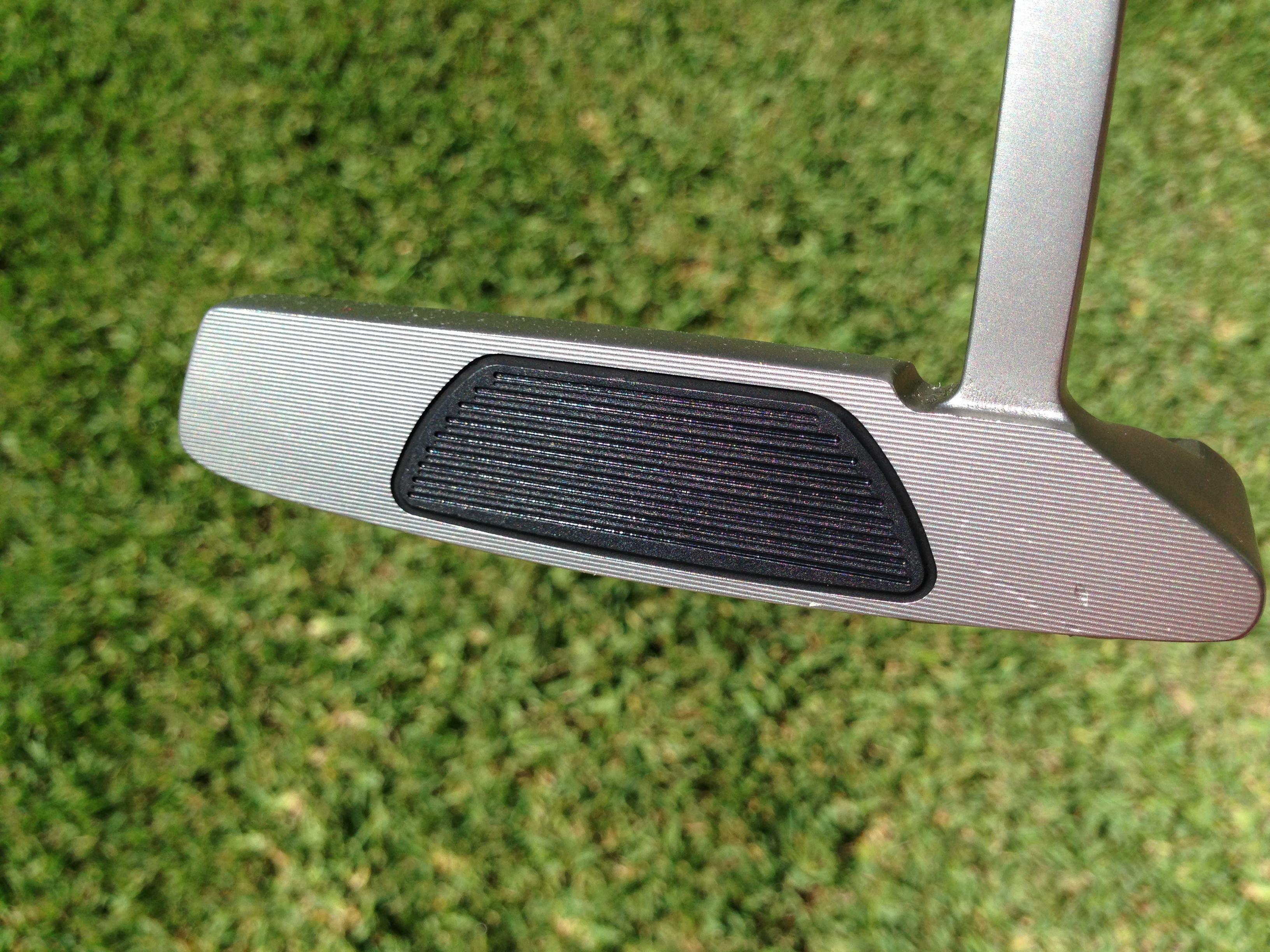
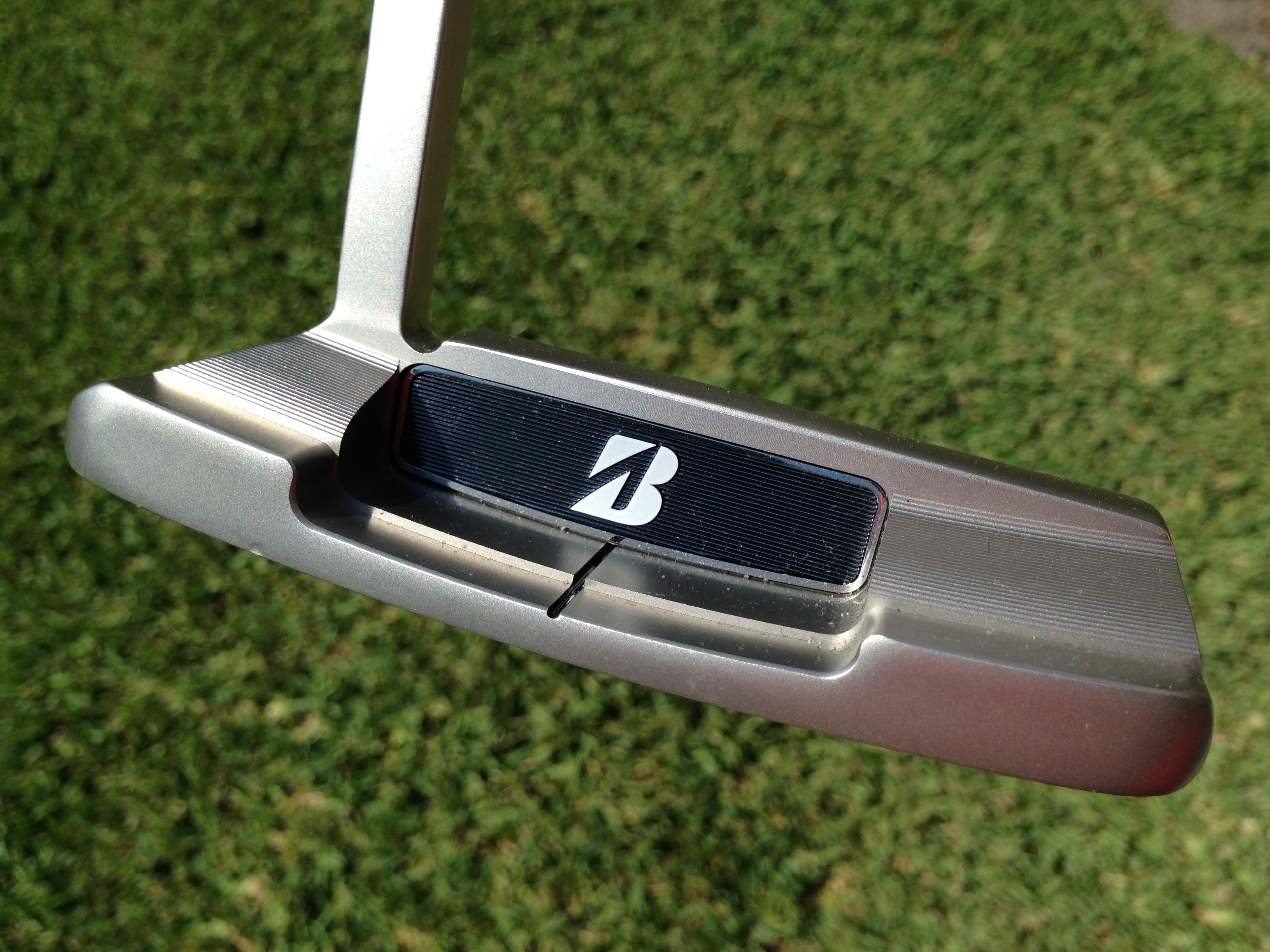
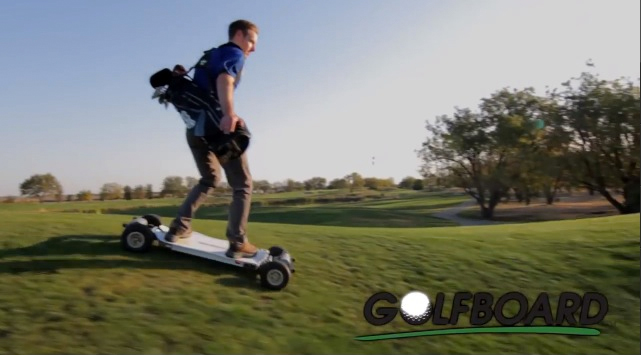
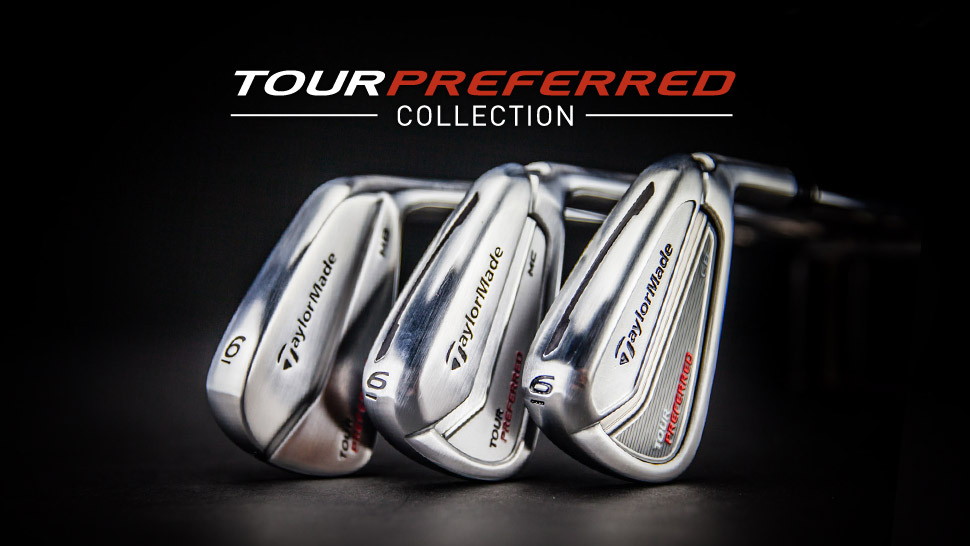
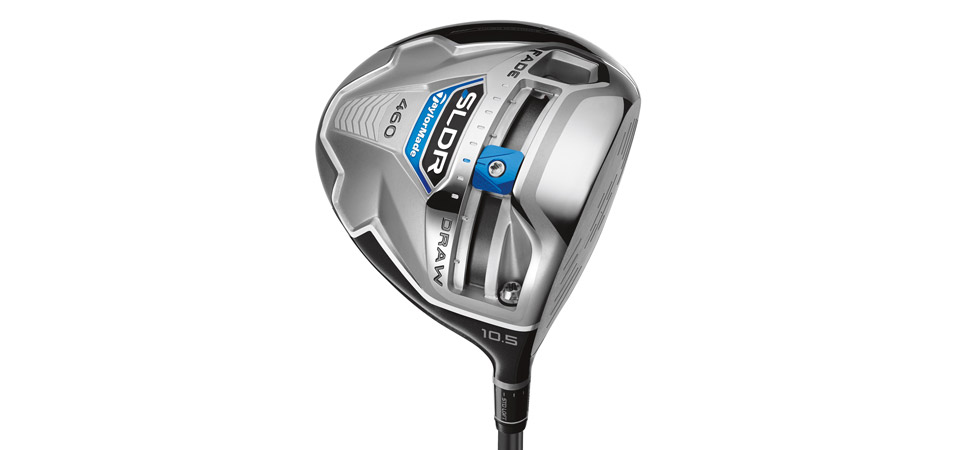
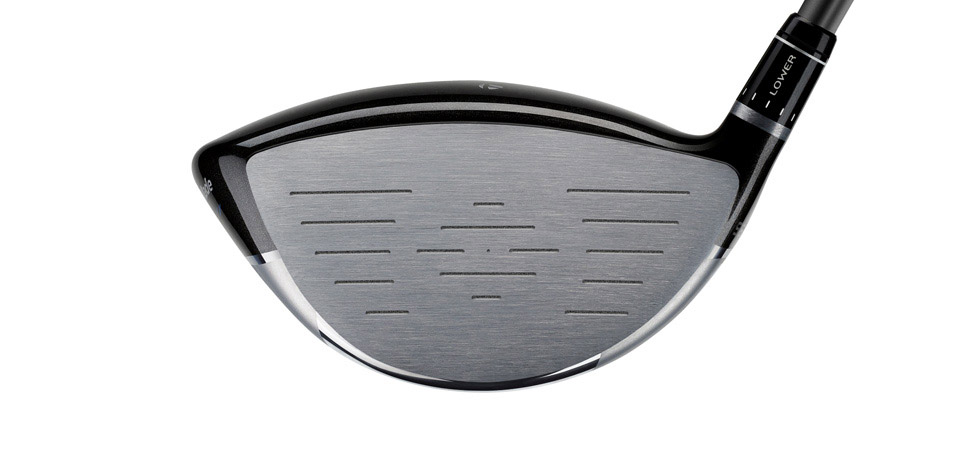
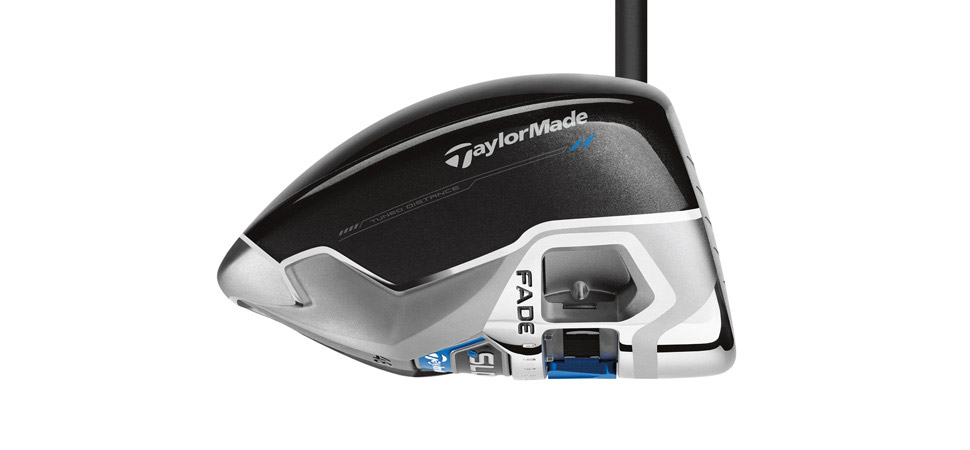
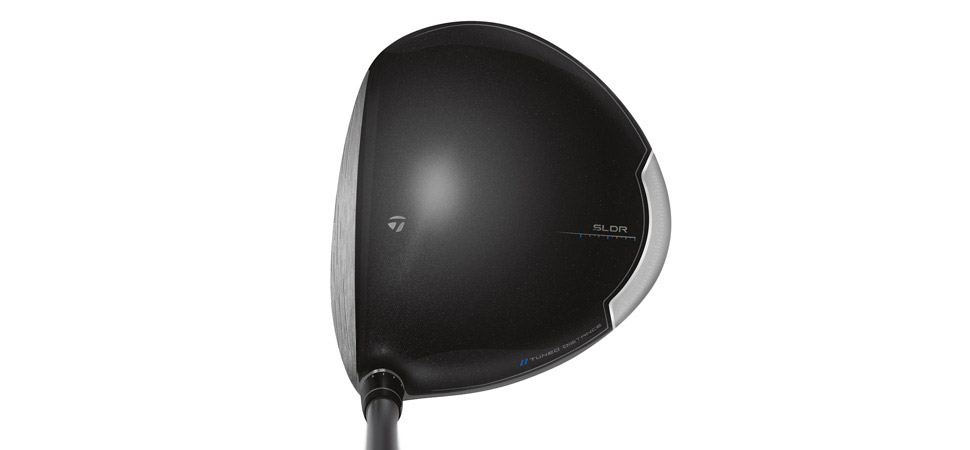
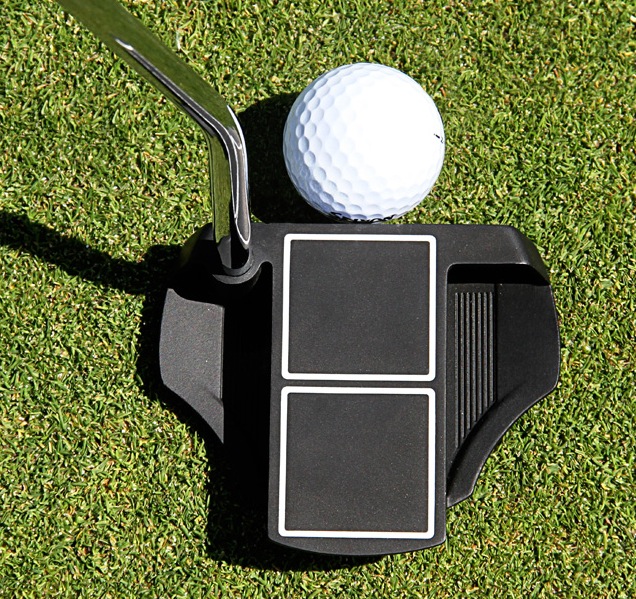
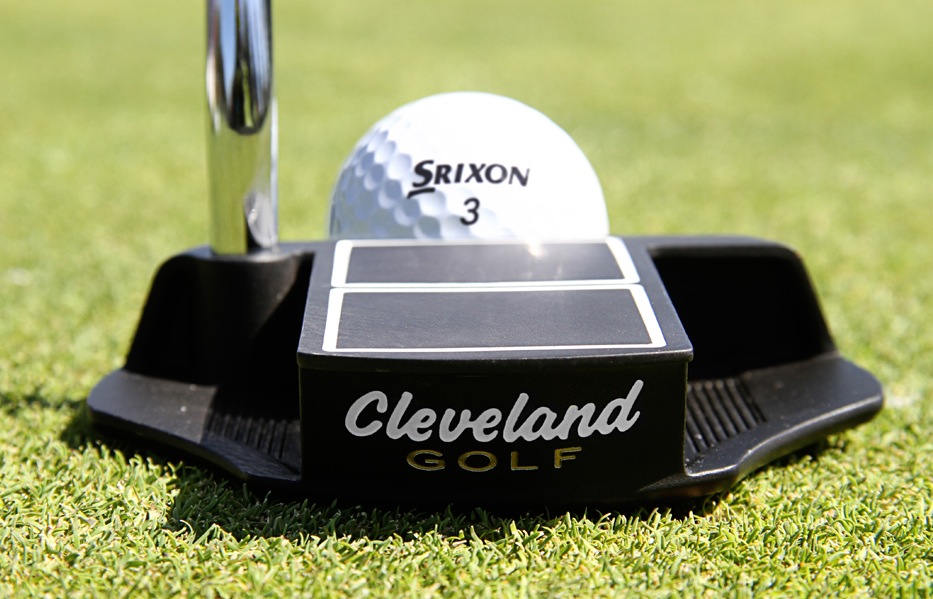
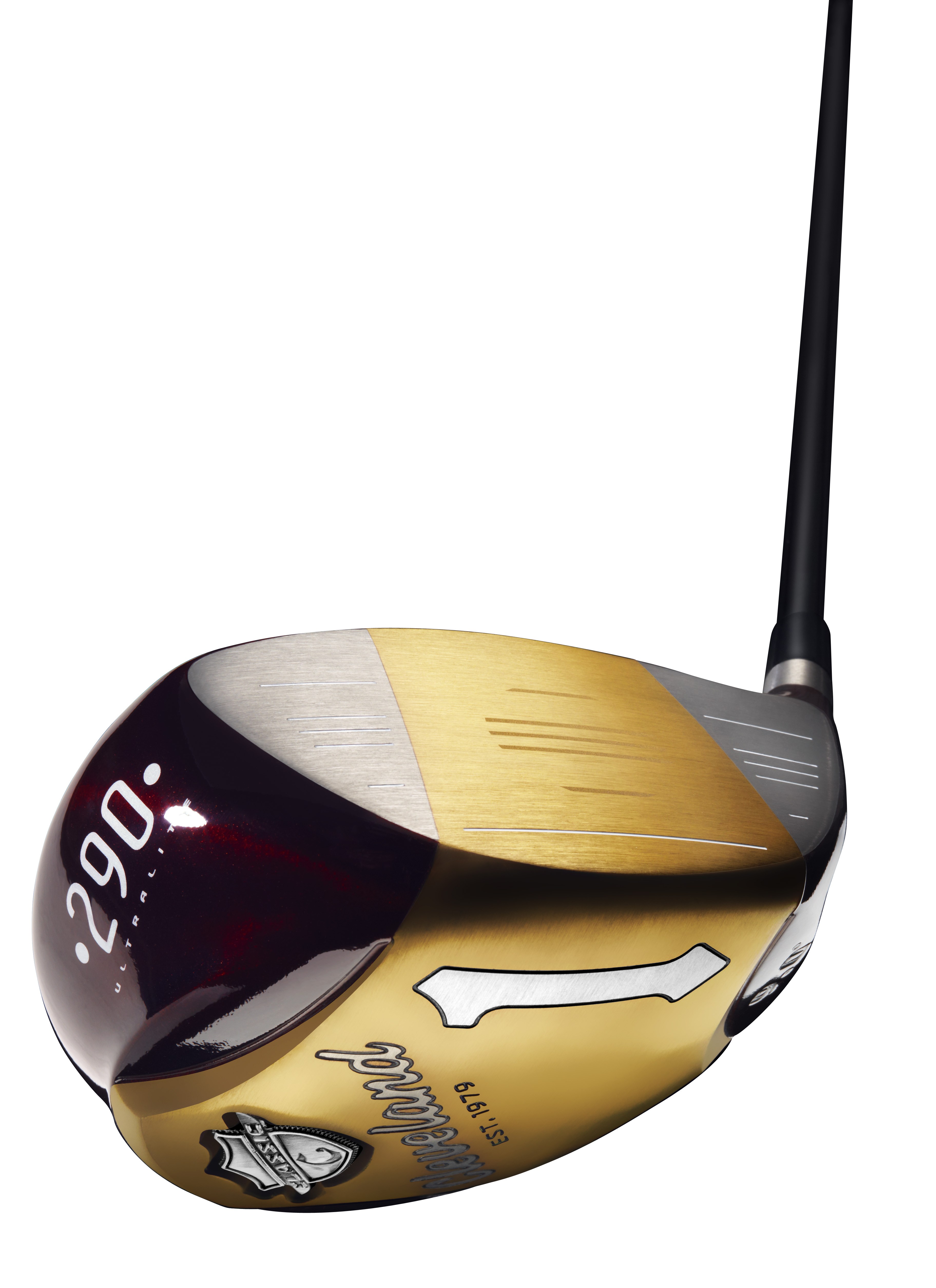
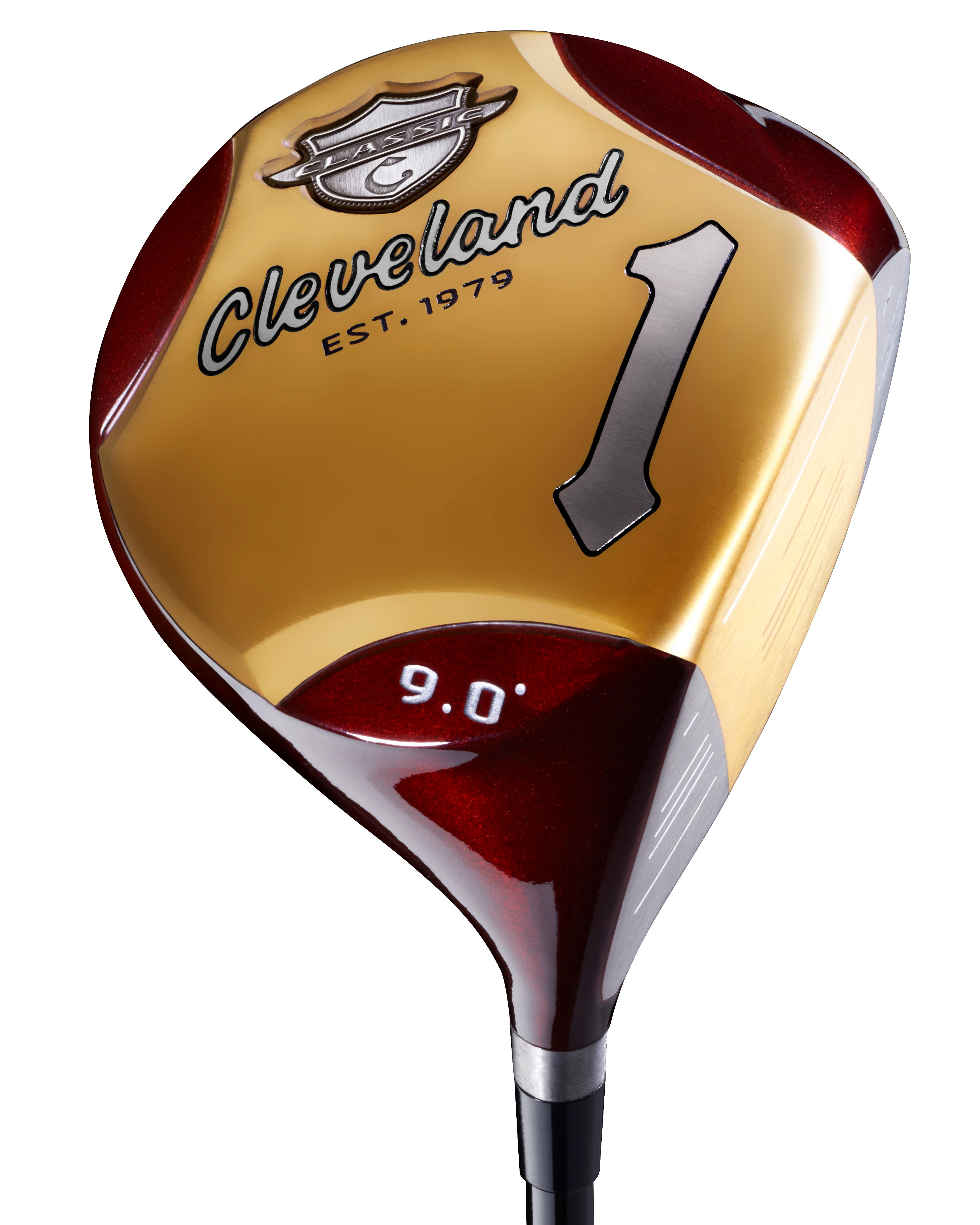
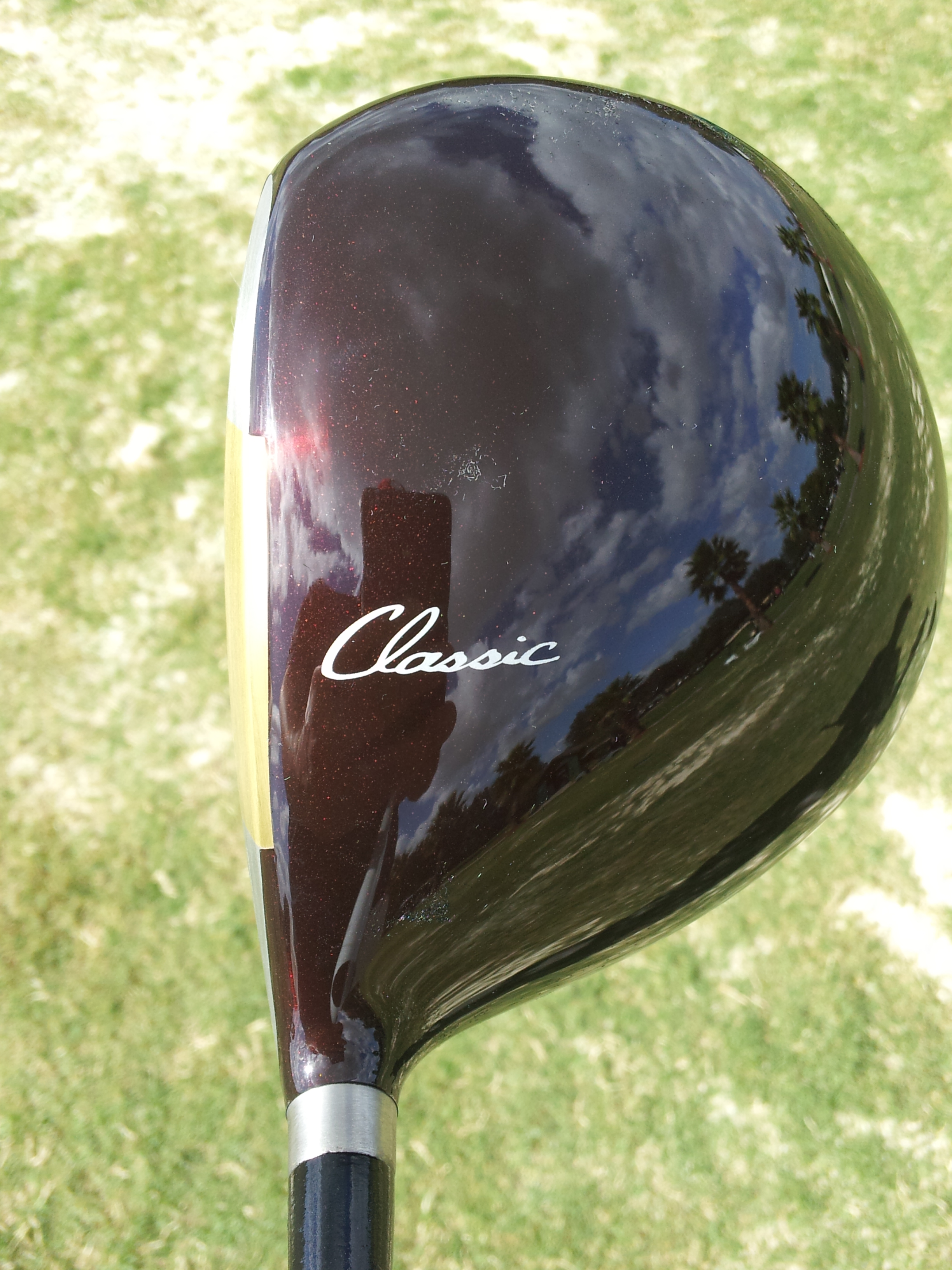
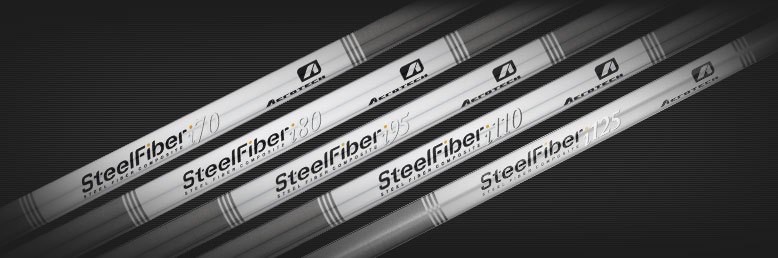
 The
The 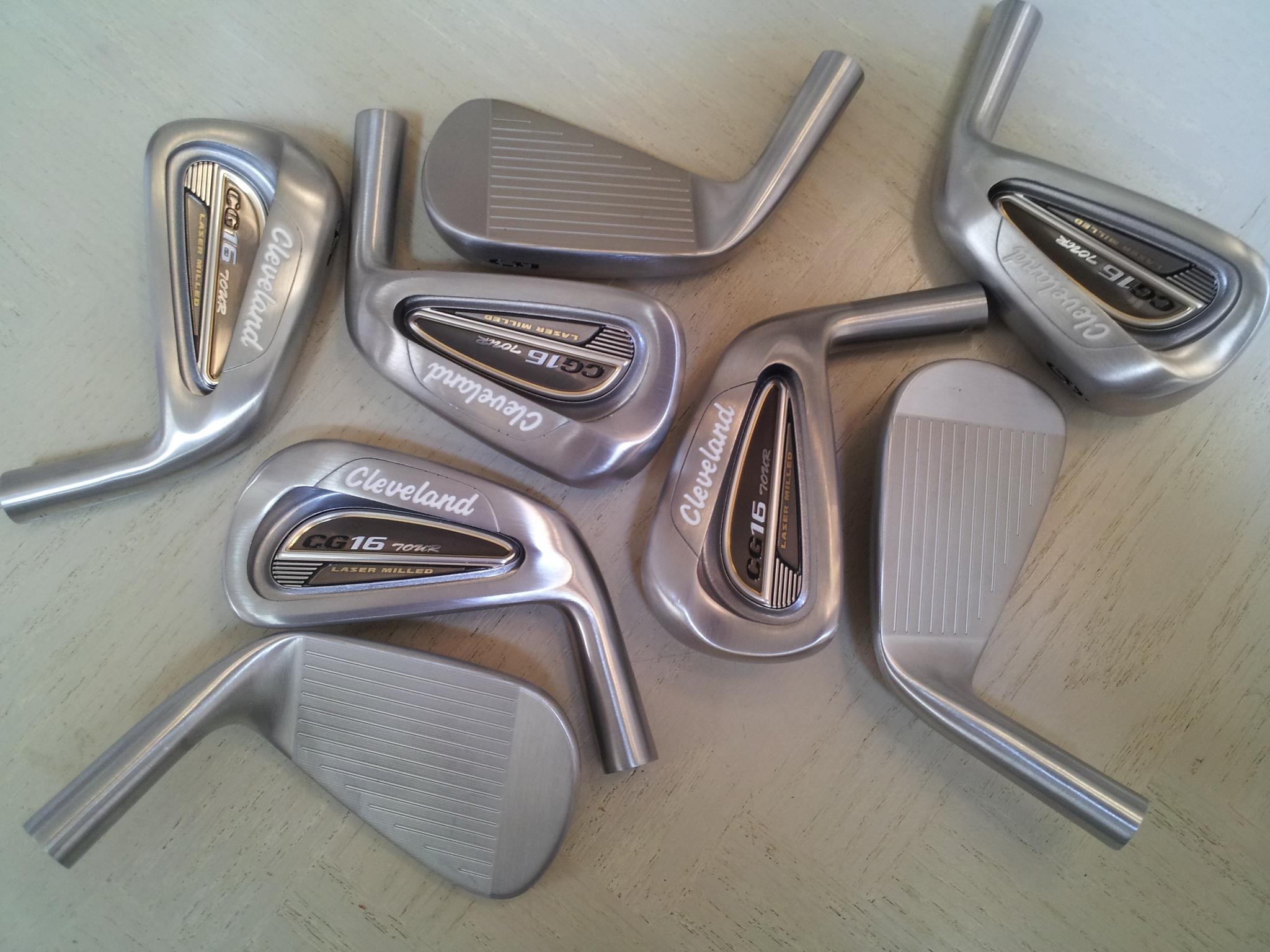
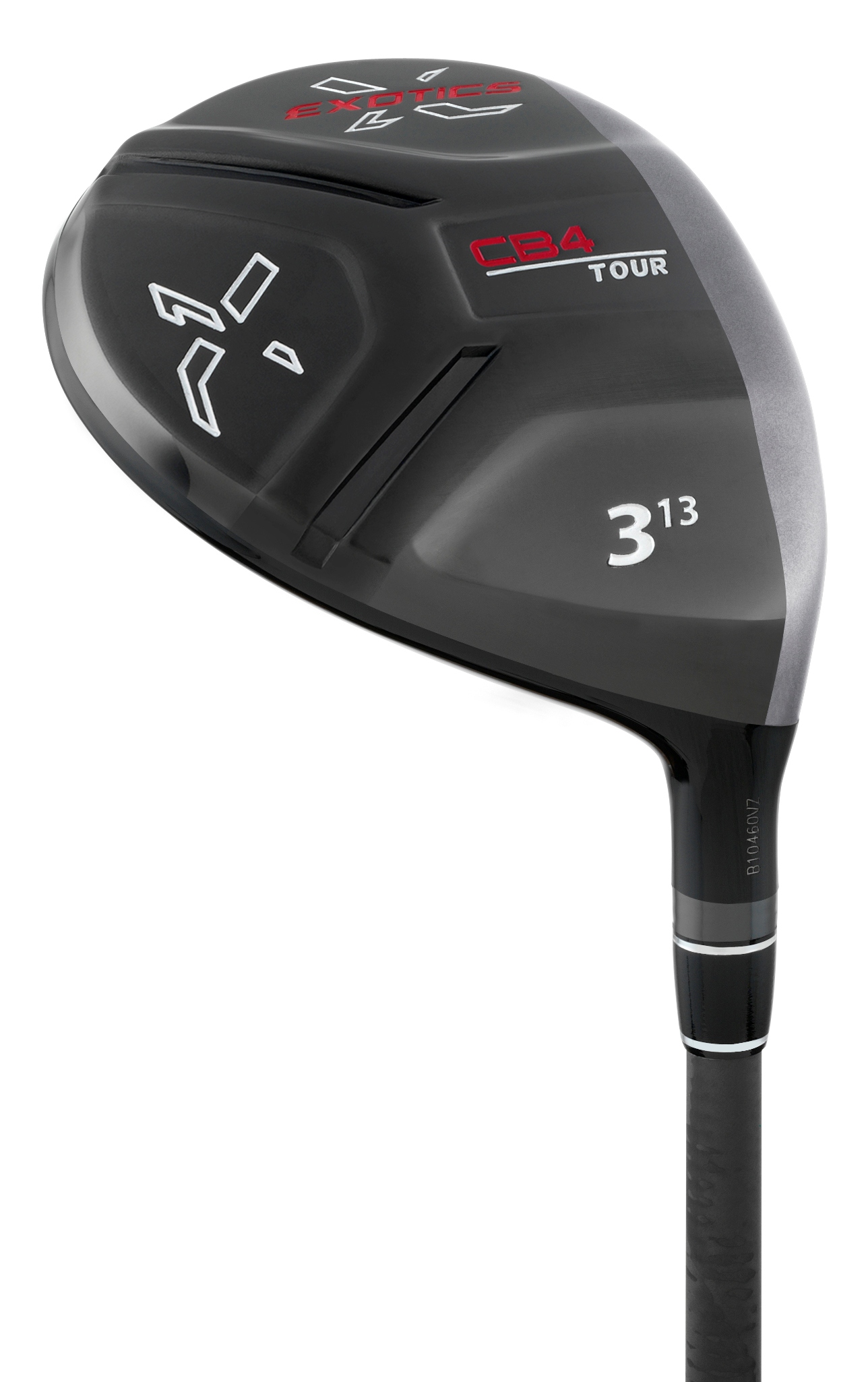
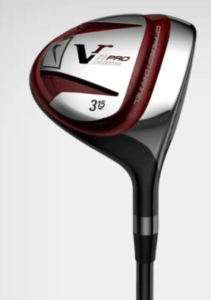 All 3 clubs are fitted with high quality shafts, and all 3 are very solid feeling clubs. I didn't notice any measurable distance advantage with any club, but I would need to use a launch monitor to be sure. My Adams went the furthest, but that's because it has less loft than the others and I'm more familiar with it, having it in my bag for over 3 years.
The Nike VR Pro Limited edition ($229 street price) and Exotics CB4 Tour ($299 street price) produced a mid-level ball flight that balloons just a tiny bit, but it’s predictable. The Taylor Made R11 TP ($299 street price) flew a bit lower with no ballooning (likely due to a stronger shaft and slightly lower loft). All 3 clubs are workable both ways, and they work well from a variety of lies.
The Taylor Made tends to dig a bit and take a small divot, where the others glide over the turf. That is undesirable, and sometimes leads to fat shots and pop-ups. Both the Exotics and Nike look great, with no extraneous marks or graphics, but the Taylor Made is a bit distracting with the white paint, logo and pin stripes on the crown of the club. I’m not a big fan of the White clubs, but if they perform I can overlook it. For the most part, adjustable clubs seem like a marketing gimmick to me, but I really like the ability to adjust the club open or closed with the sole plate of the Taylor Made without having to remove the shaft. The adjustable FCT hosel has settings for lower or higher loft, but this is misleading. (See my note below for an explination) The Nike looks very clean and sharp, and the graphics and sole design are attractive. The all black head and shaft of the Exotics is very cool. I think if
All 3 clubs are fitted with high quality shafts, and all 3 are very solid feeling clubs. I didn't notice any measurable distance advantage with any club, but I would need to use a launch monitor to be sure. My Adams went the furthest, but that's because it has less loft than the others and I'm more familiar with it, having it in my bag for over 3 years.
The Nike VR Pro Limited edition ($229 street price) and Exotics CB4 Tour ($299 street price) produced a mid-level ball flight that balloons just a tiny bit, but it’s predictable. The Taylor Made R11 TP ($299 street price) flew a bit lower with no ballooning (likely due to a stronger shaft and slightly lower loft). All 3 clubs are workable both ways, and they work well from a variety of lies.
The Taylor Made tends to dig a bit and take a small divot, where the others glide over the turf. That is undesirable, and sometimes leads to fat shots and pop-ups. Both the Exotics and Nike look great, with no extraneous marks or graphics, but the Taylor Made is a bit distracting with the white paint, logo and pin stripes on the crown of the club. I’m not a big fan of the White clubs, but if they perform I can overlook it. For the most part, adjustable clubs seem like a marketing gimmick to me, but I really like the ability to adjust the club open or closed with the sole plate of the Taylor Made without having to remove the shaft. The adjustable FCT hosel has settings for lower or higher loft, but this is misleading. (See my note below for an explination) The Nike looks very clean and sharp, and the graphics and sole design are attractive. The all black head and shaft of the Exotics is very cool. I think if 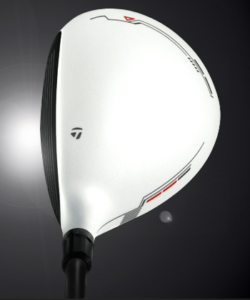 All three clubs sound great at impact but the Nike’s metallic click sounds the most like my gamer, so it wins the acoustic battle in my mind. However, some may prefer the CB4 Tour’s titanium click sound, which is a little higher pitched than the metal heads of the others.
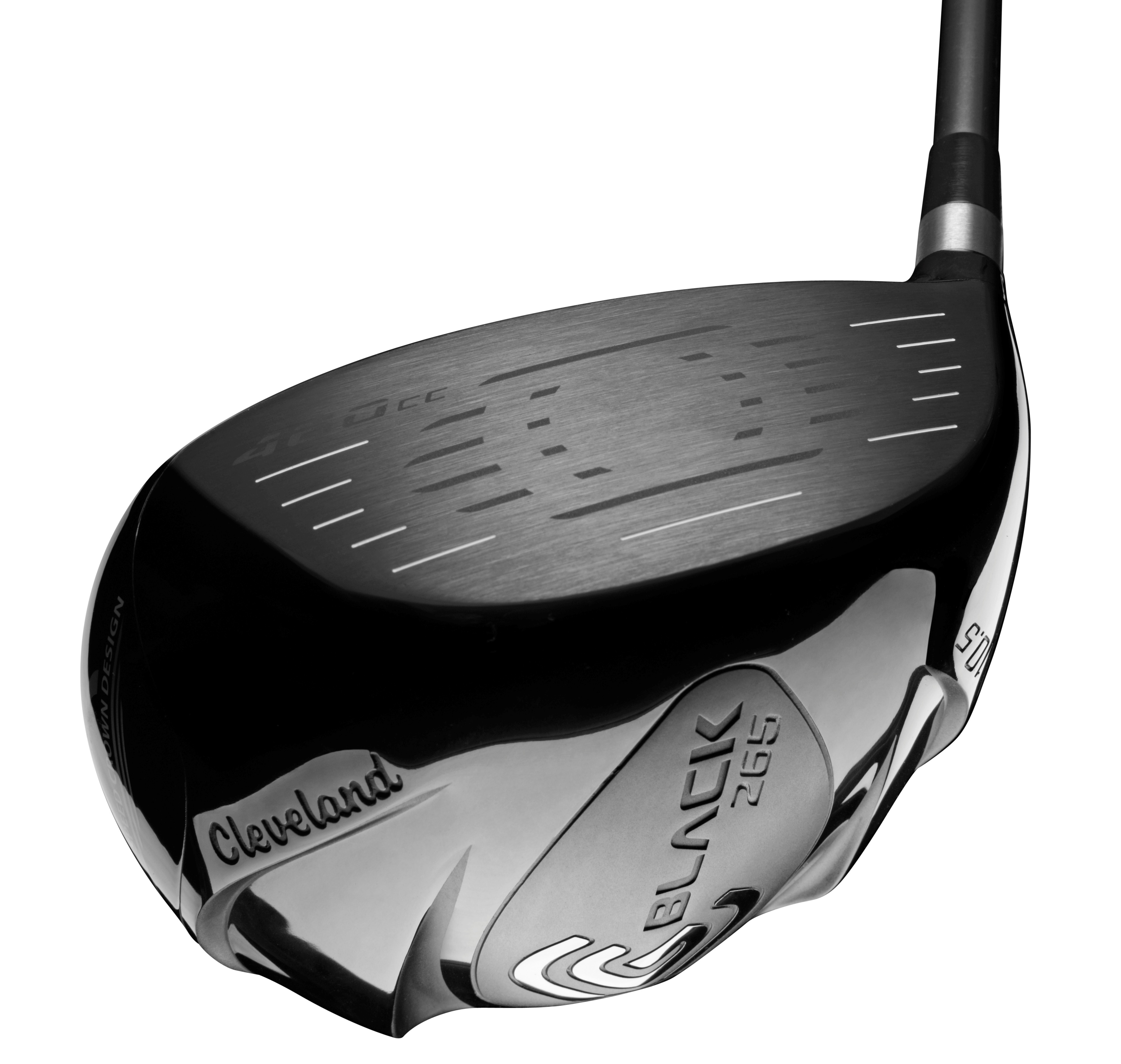
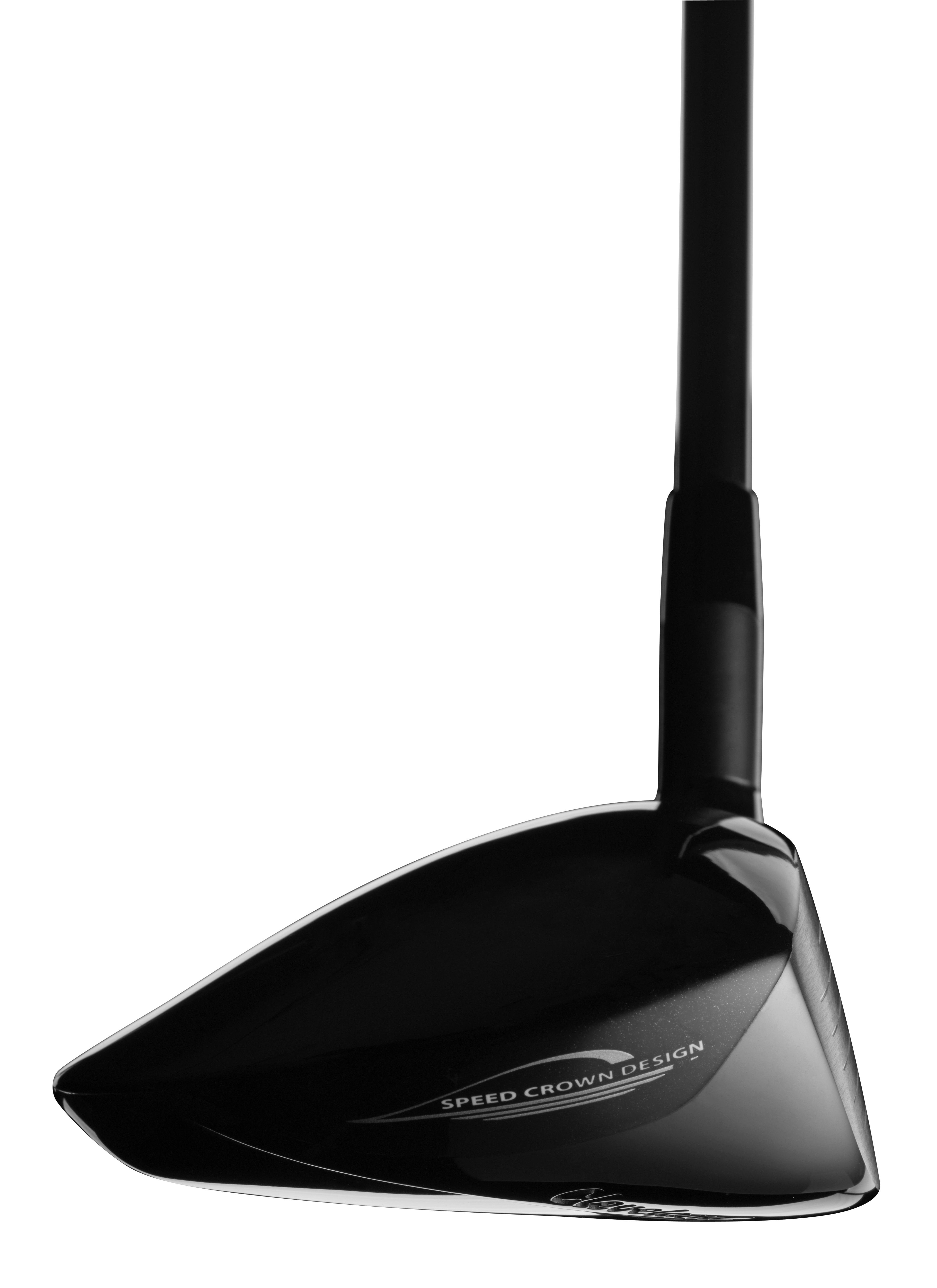
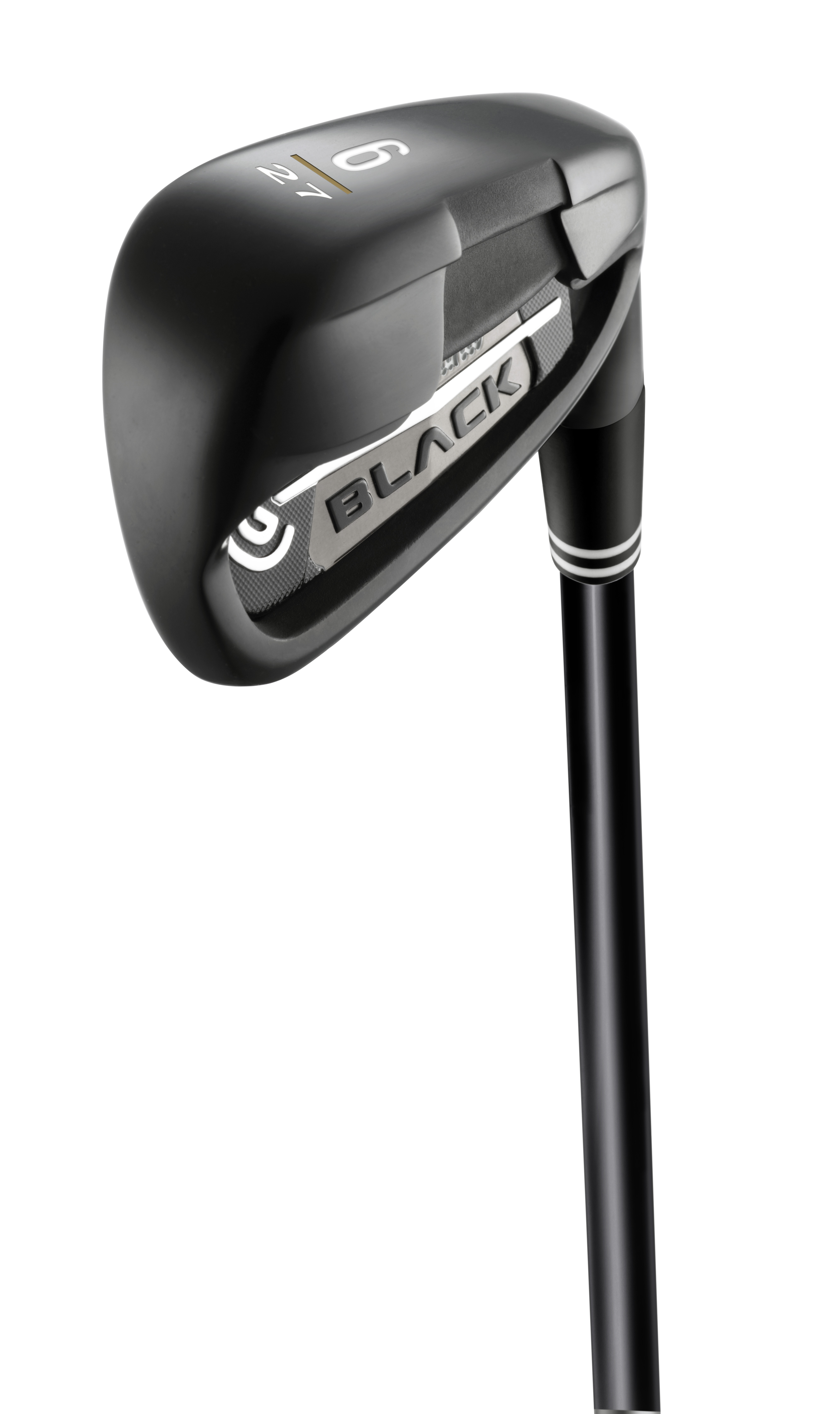
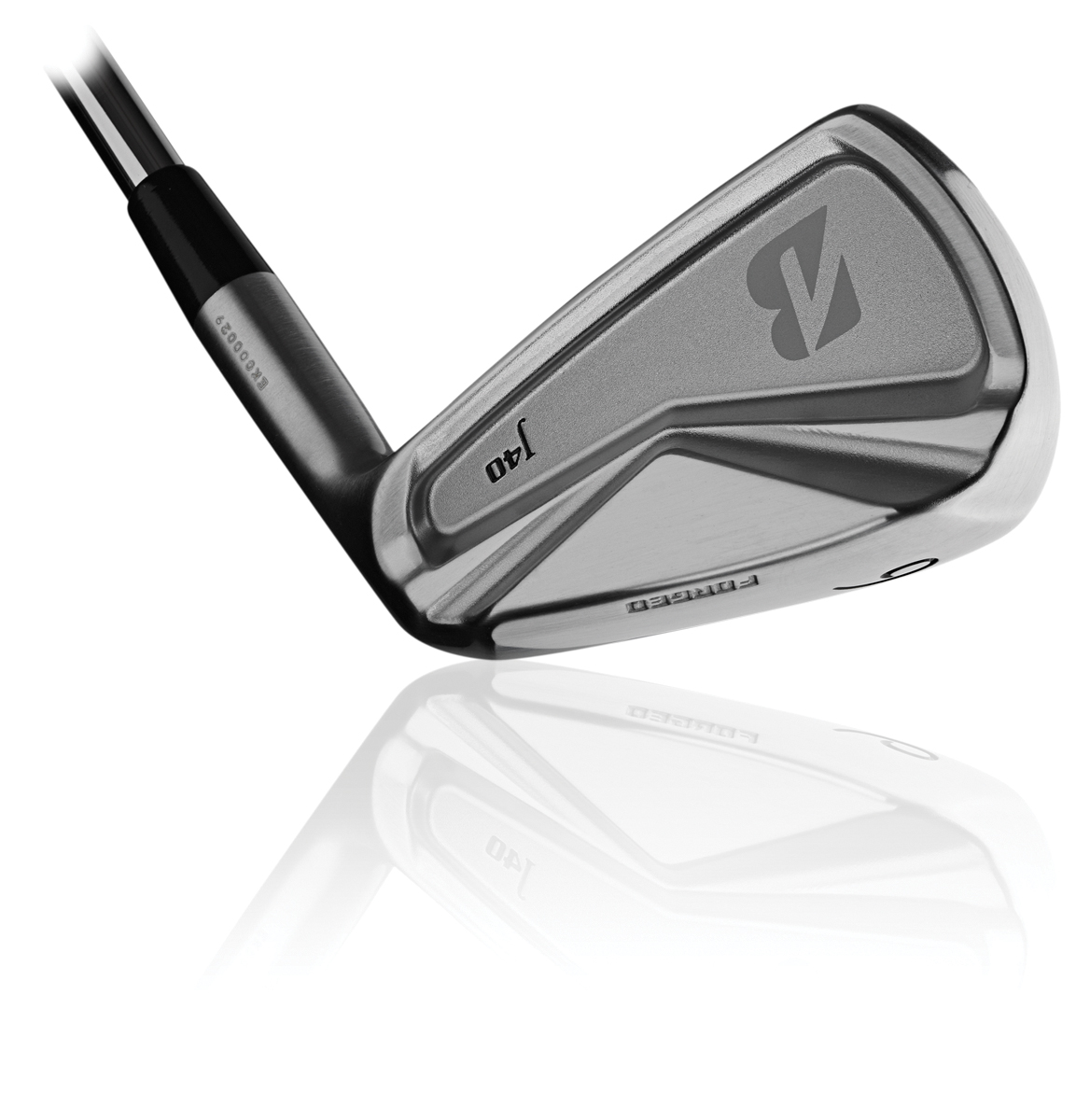
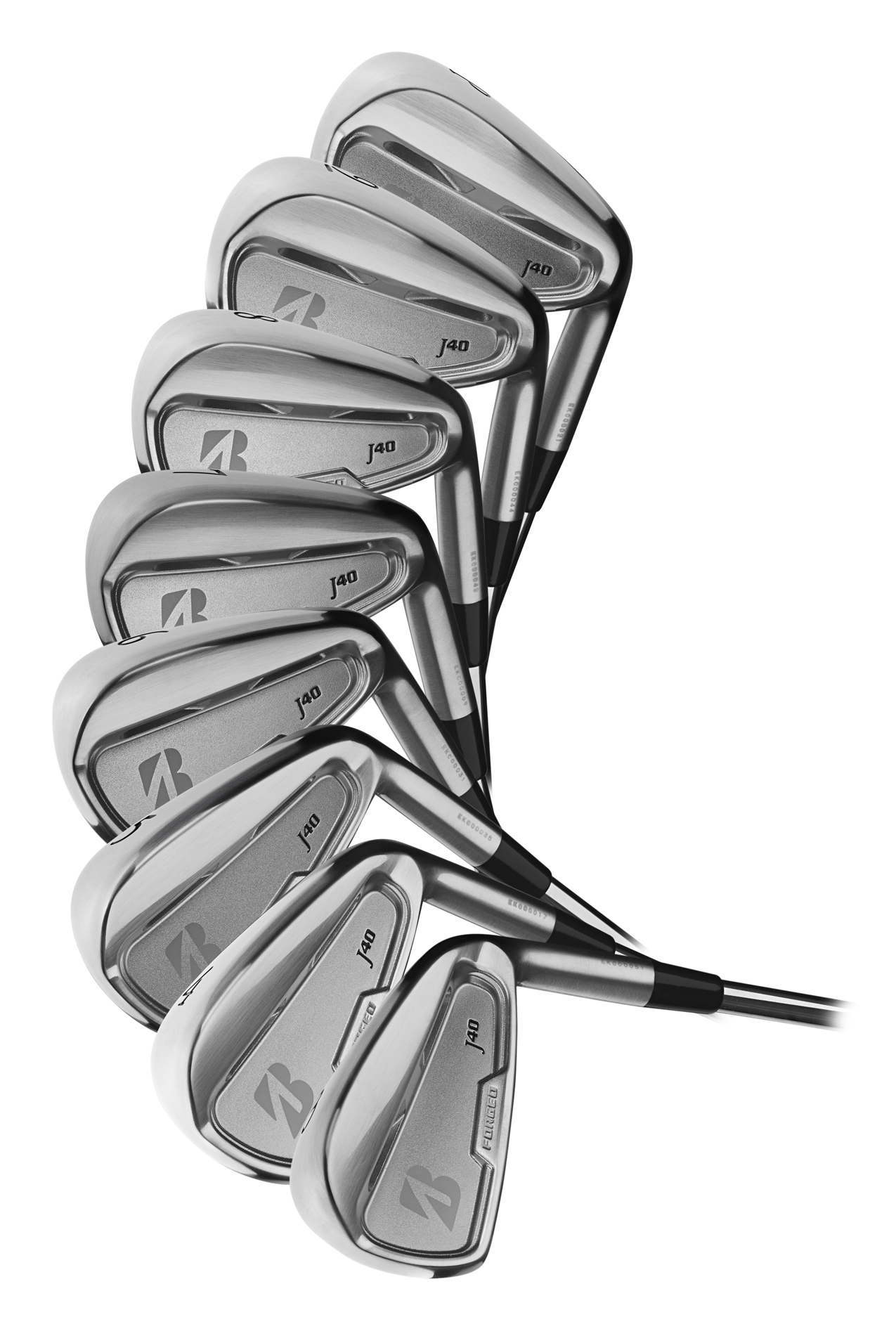
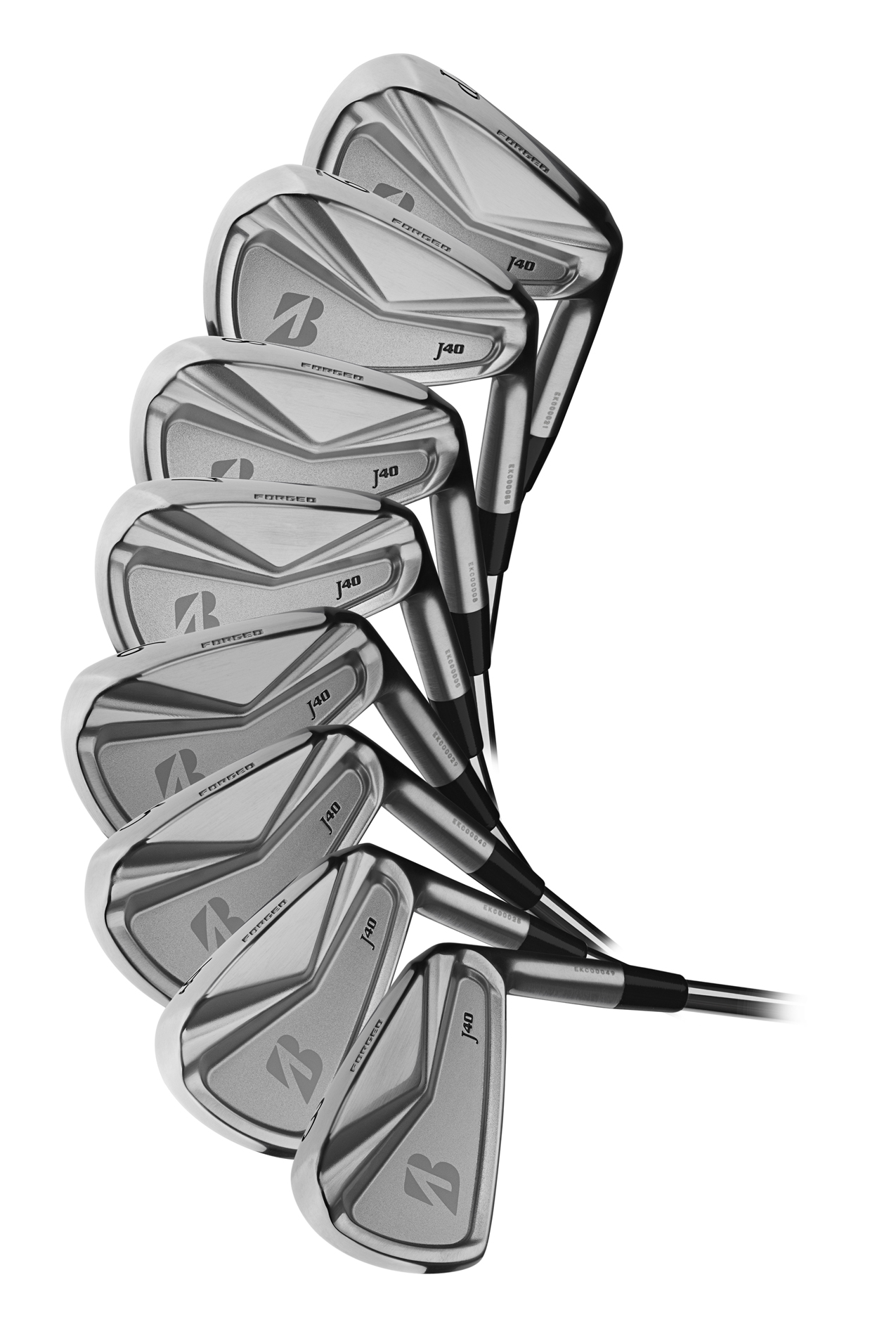
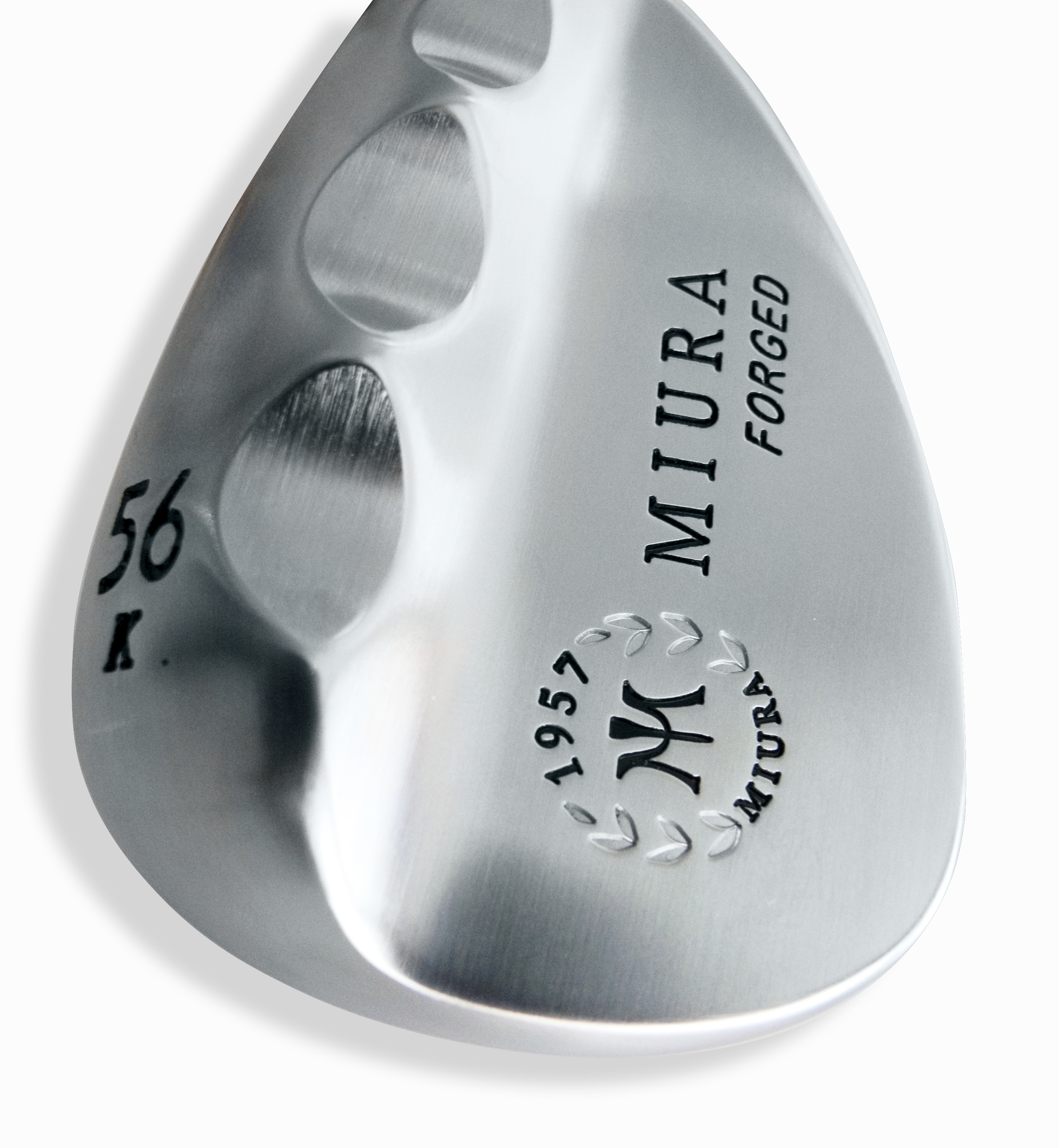
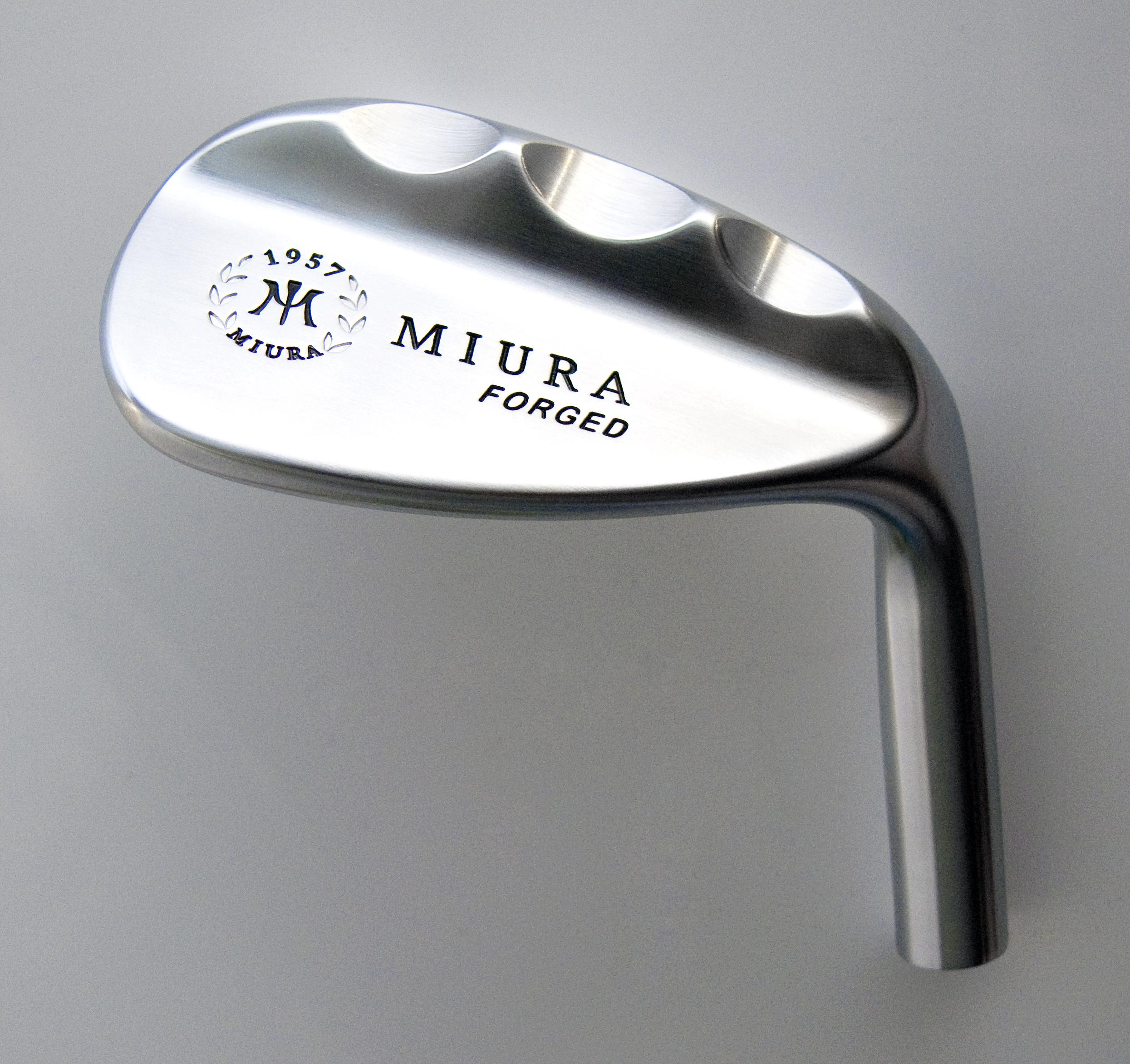
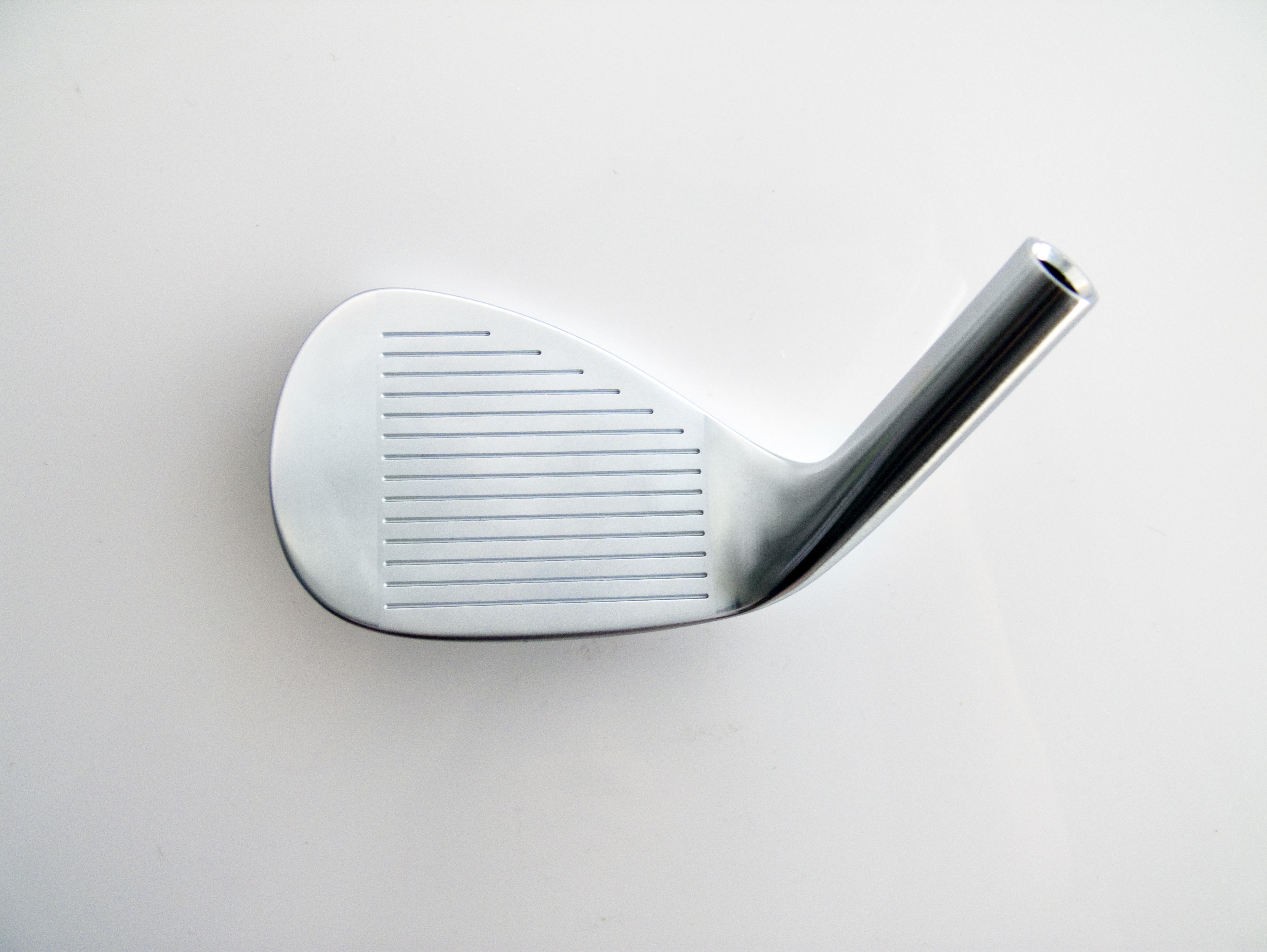
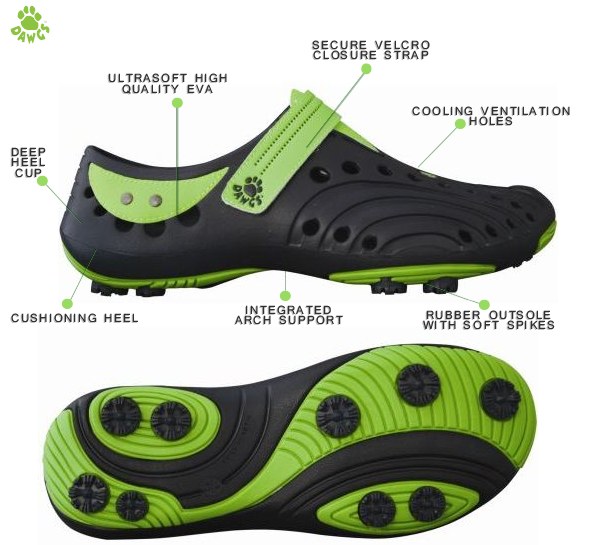
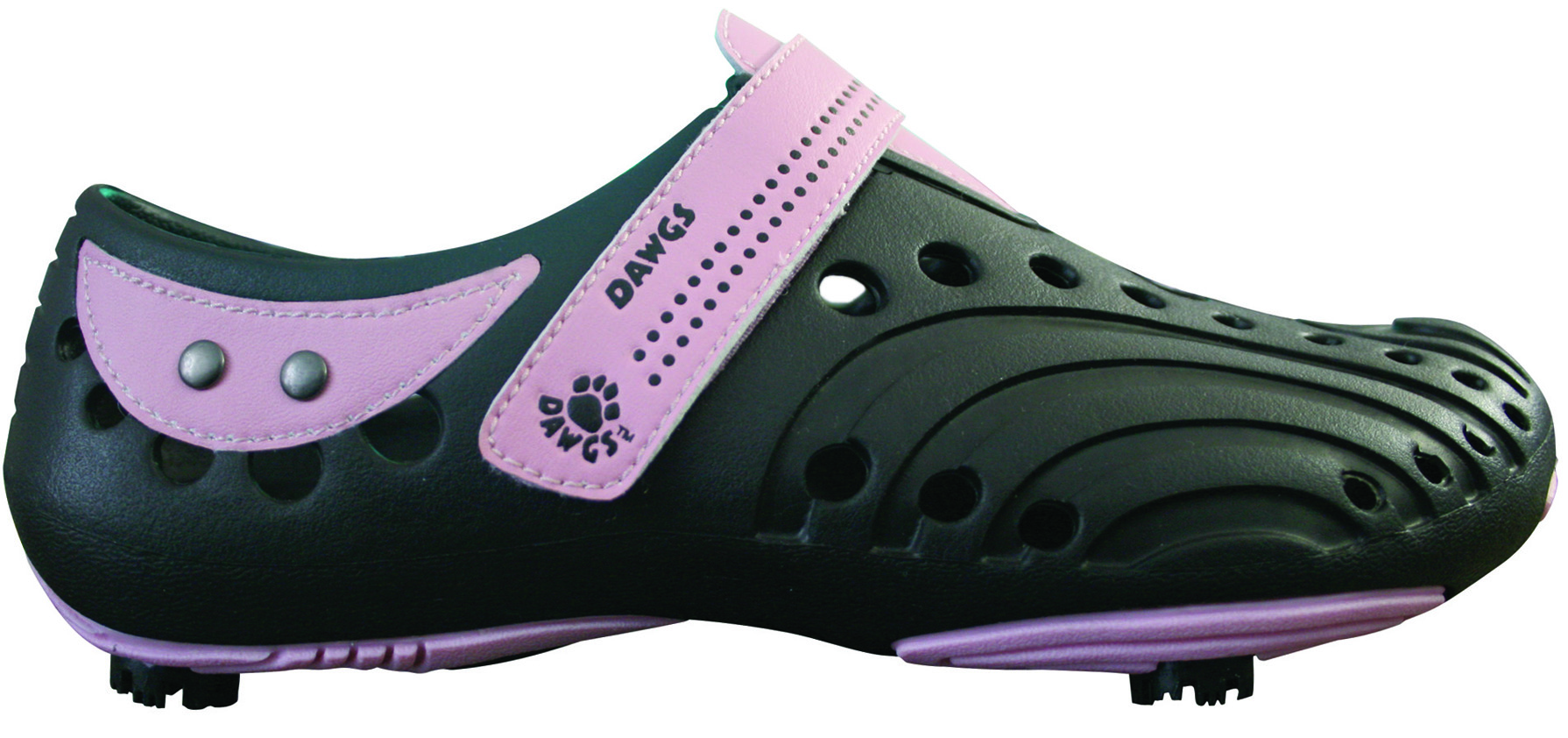
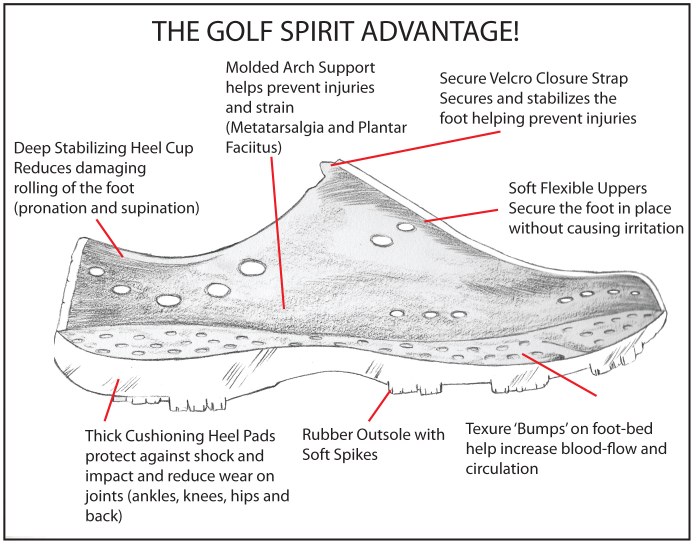
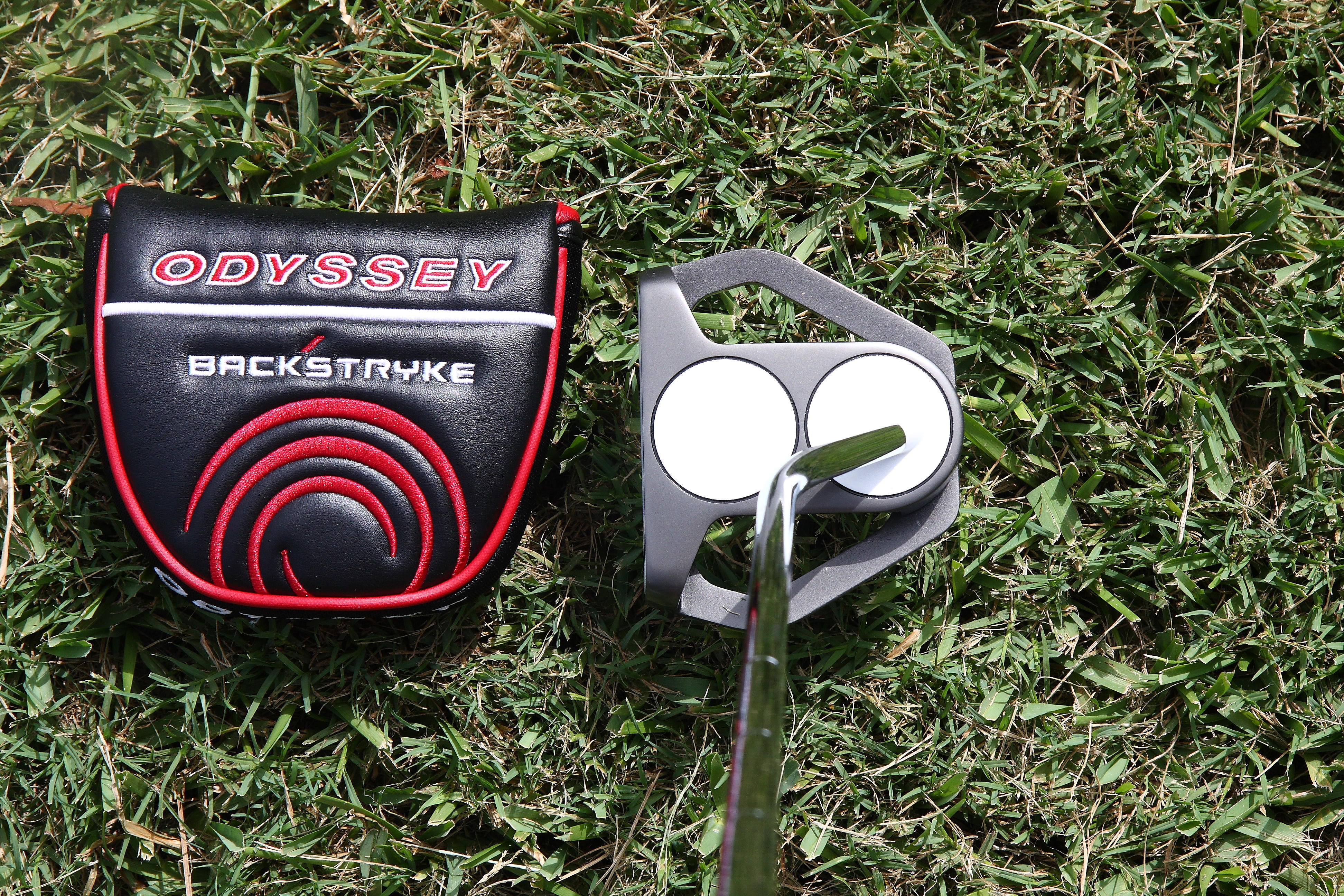
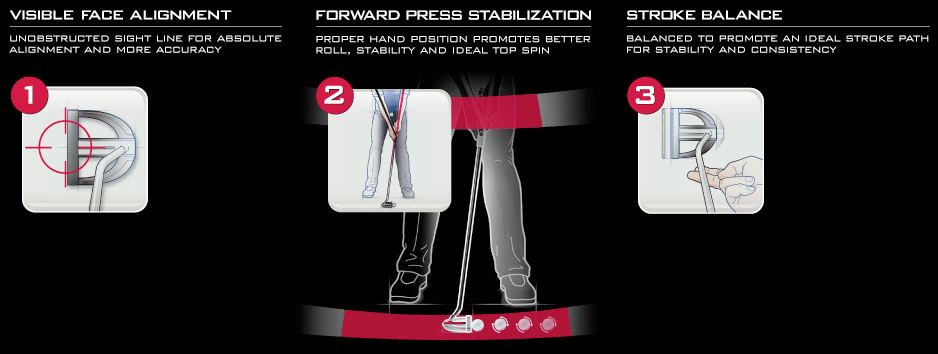
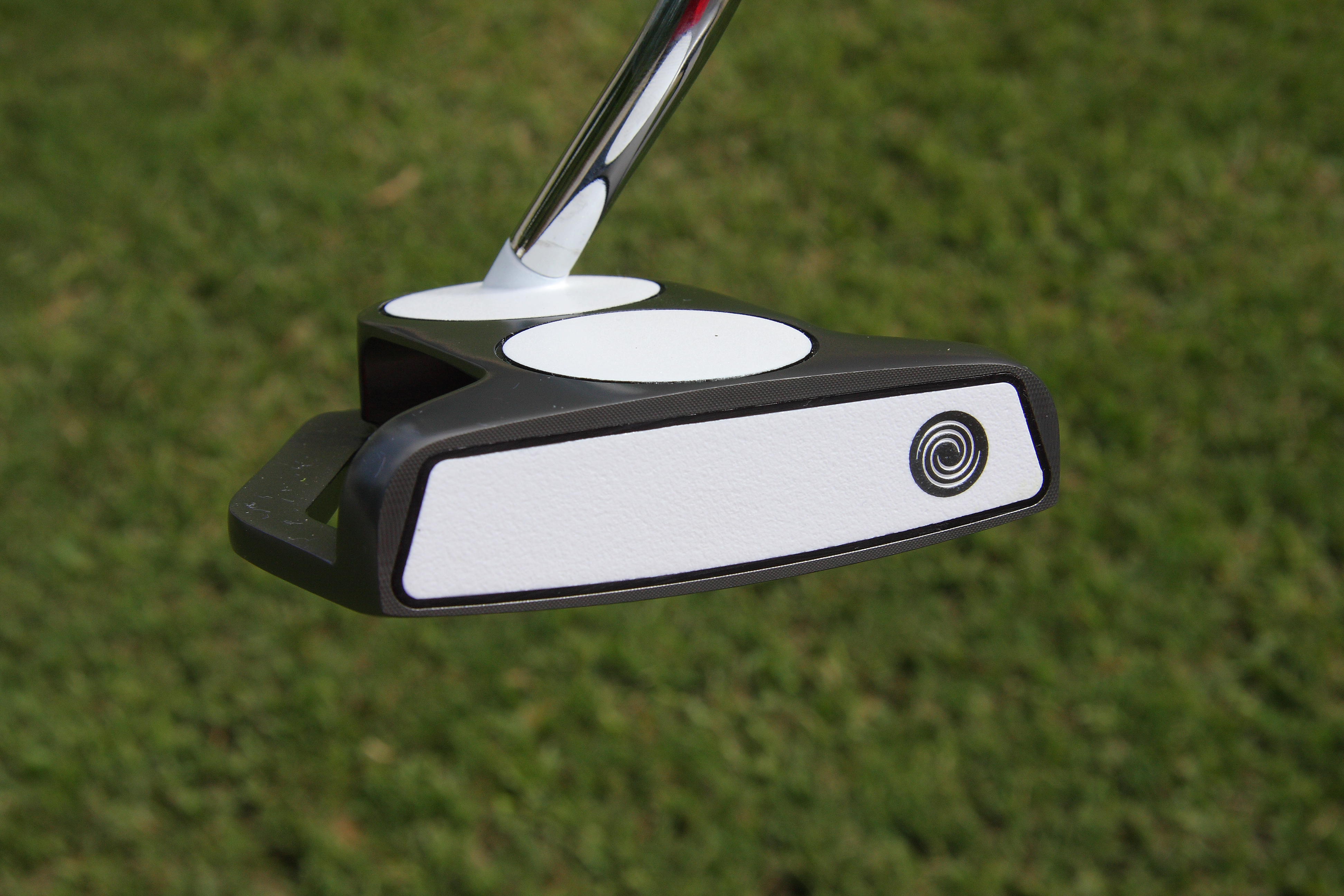
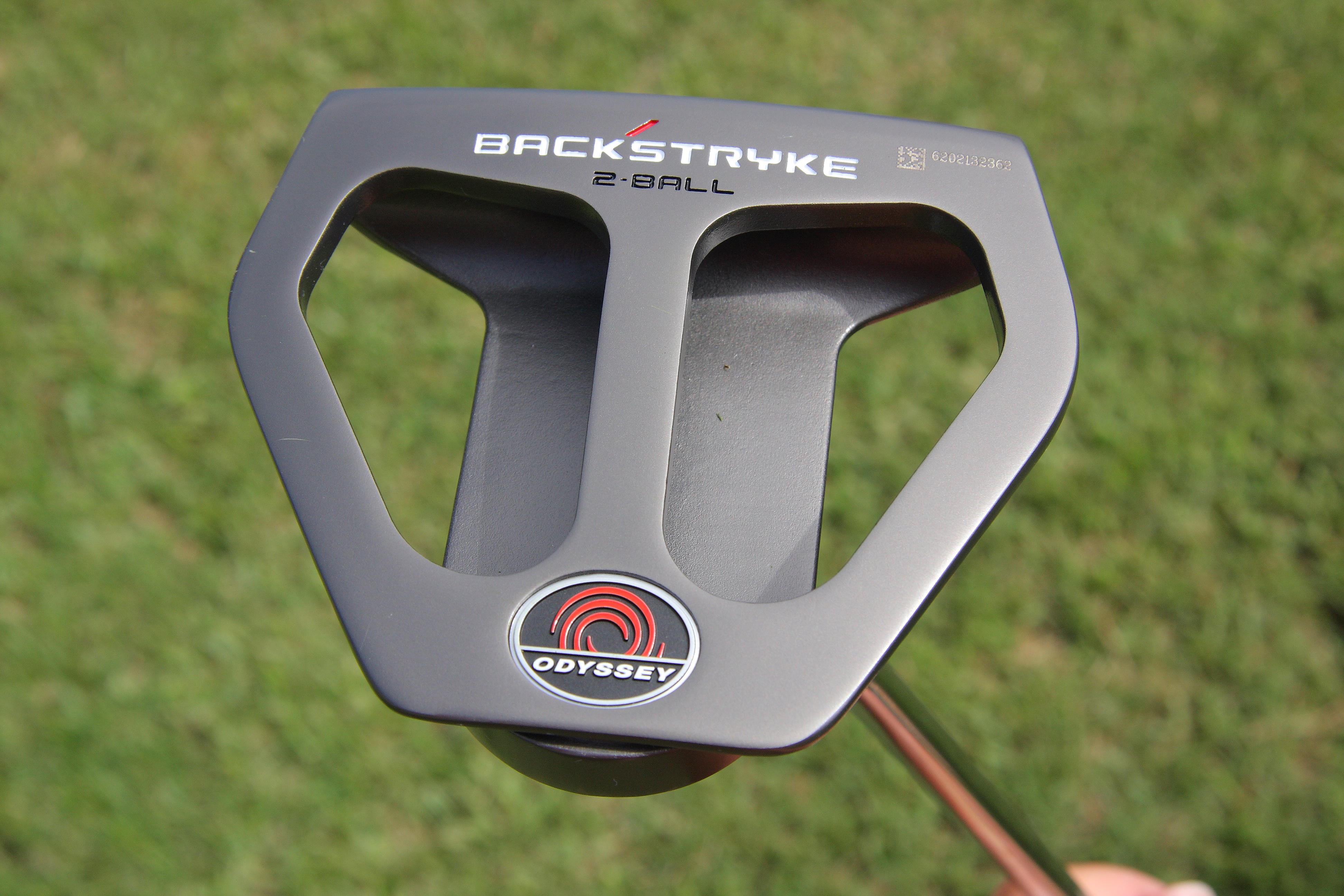
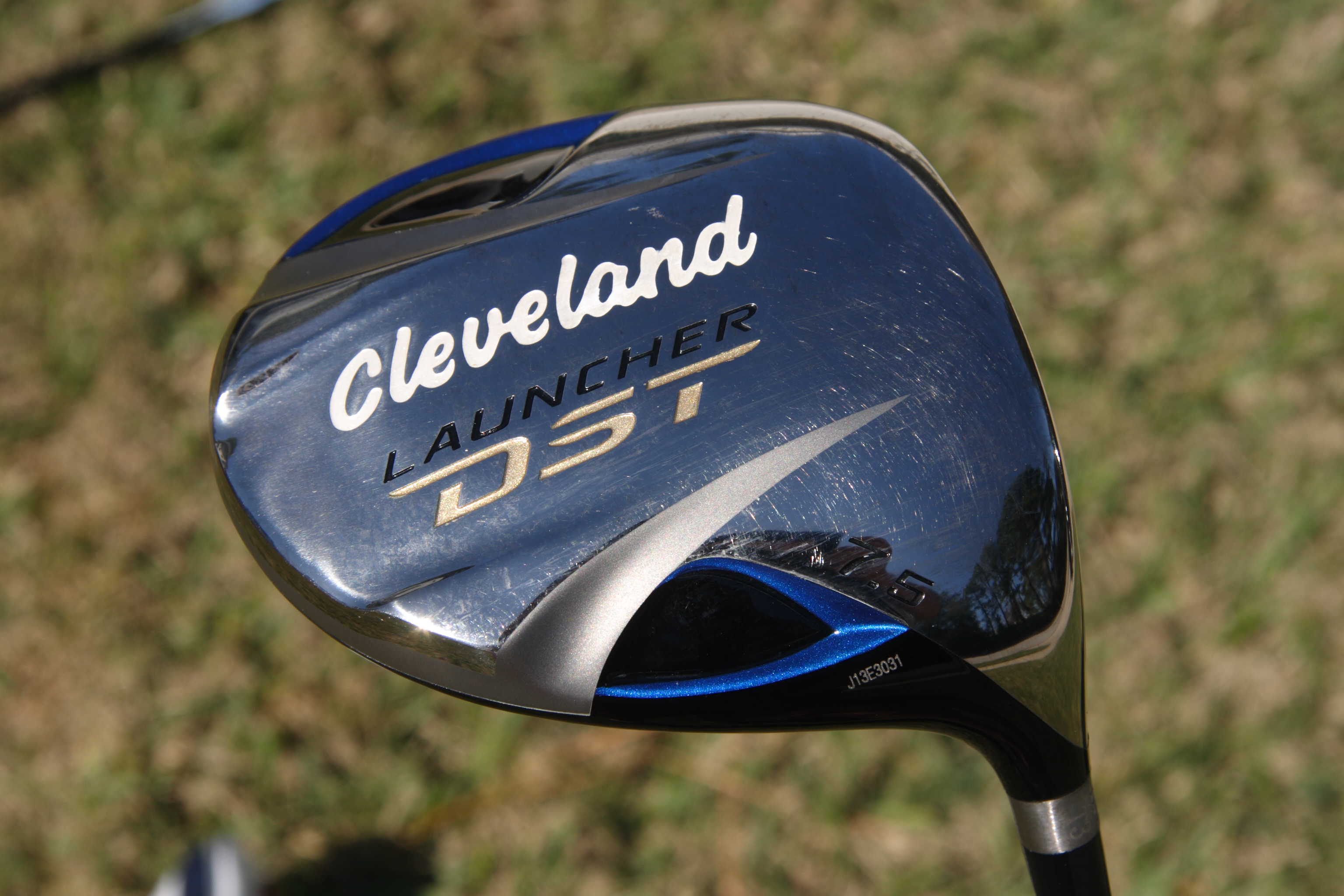
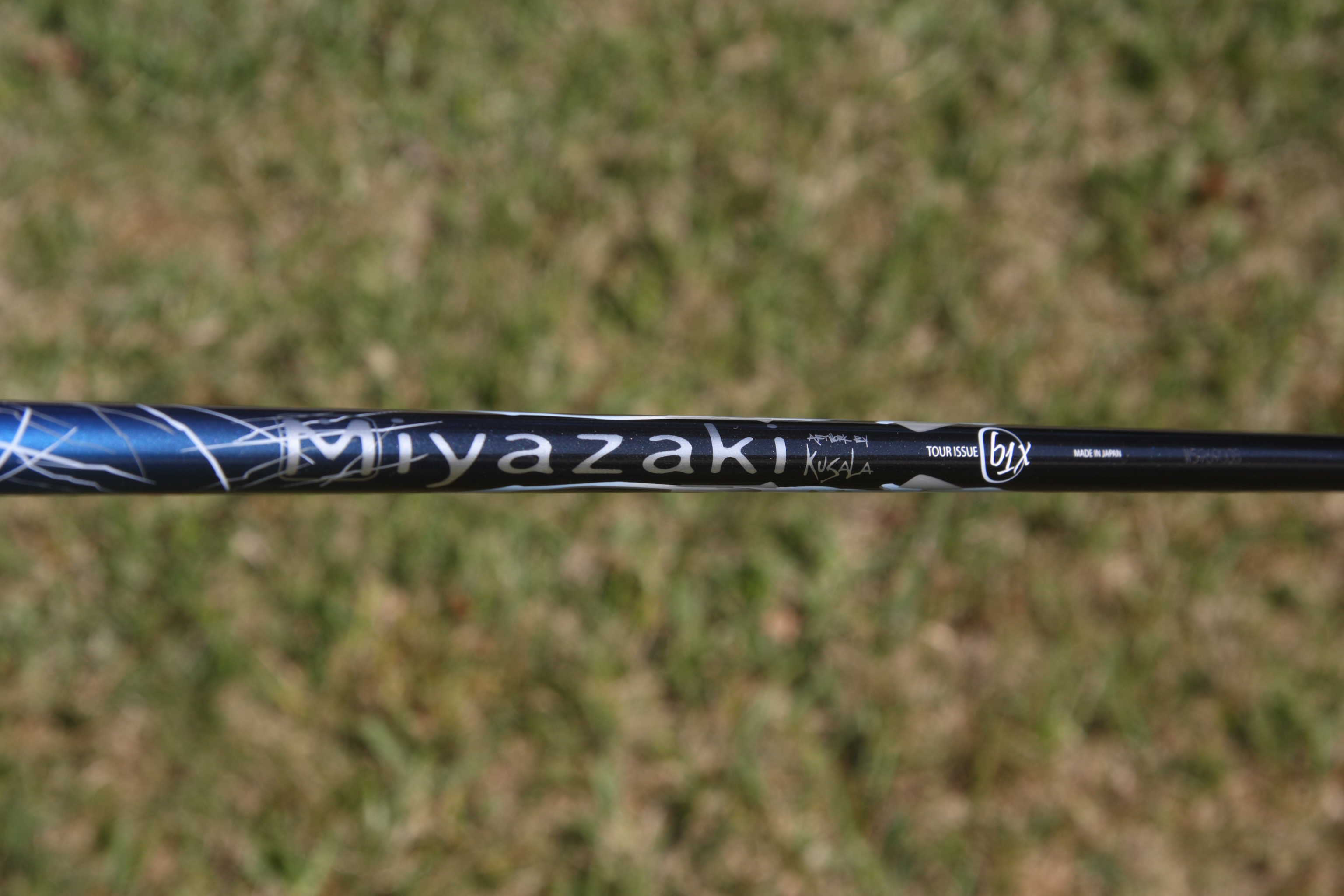
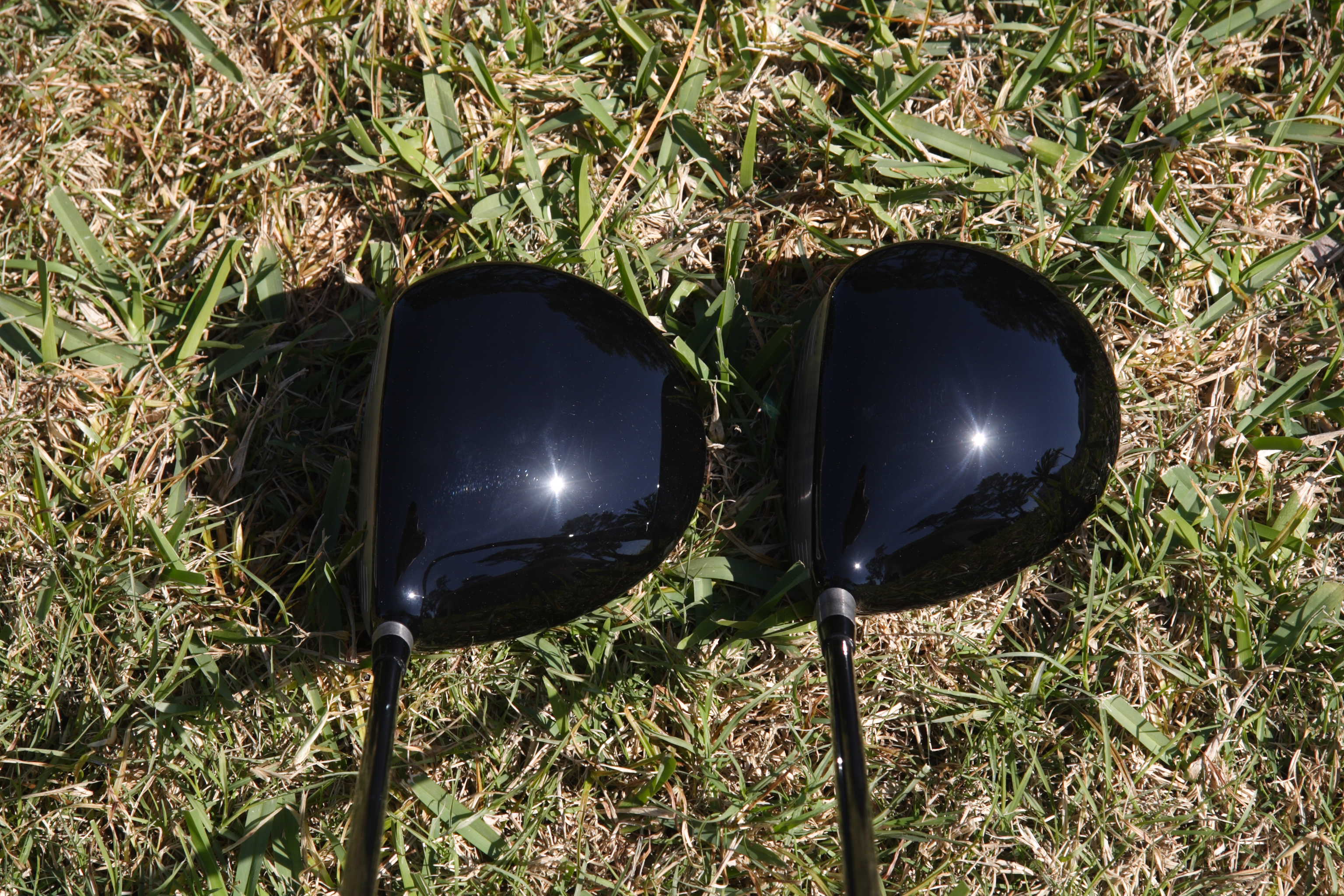
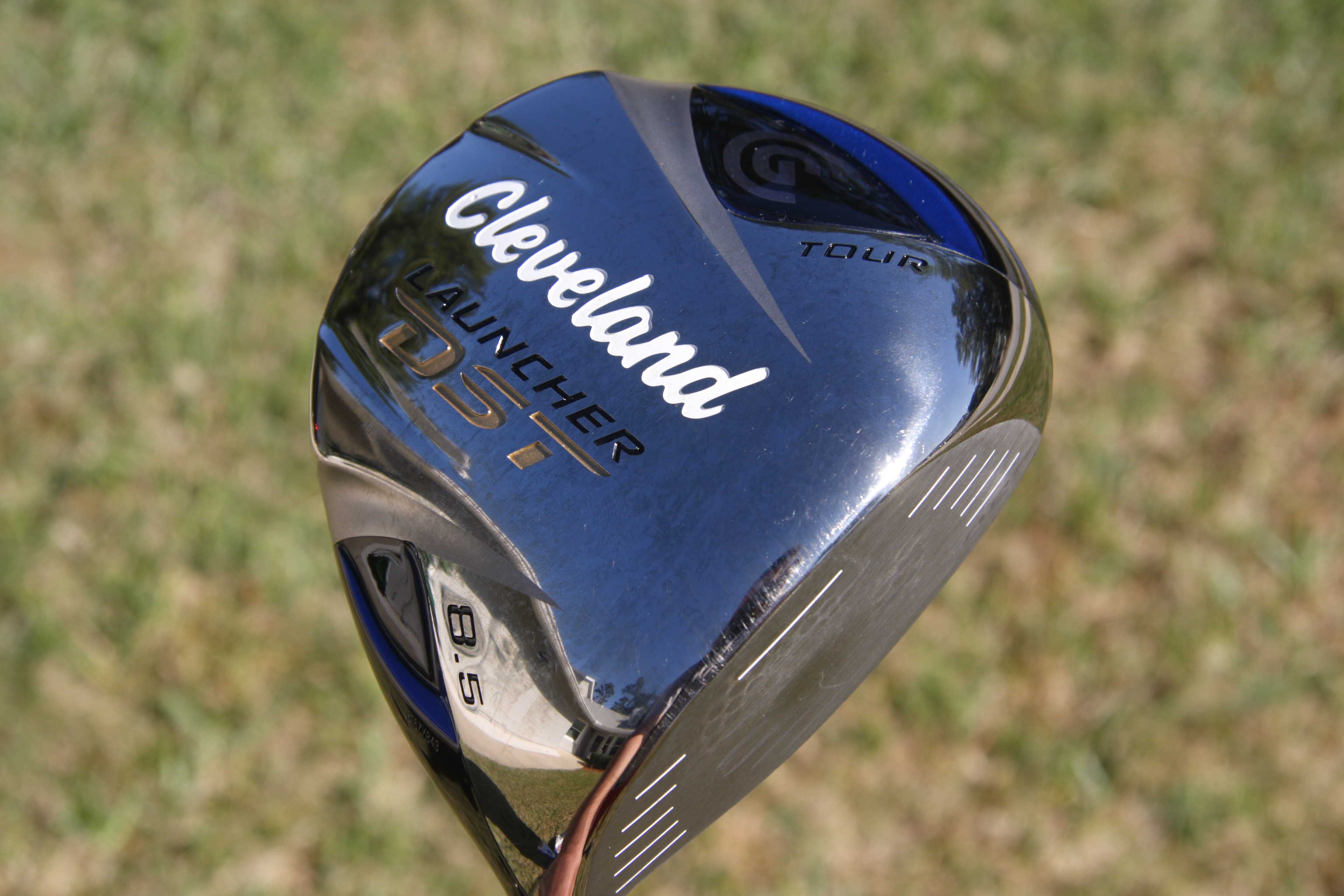
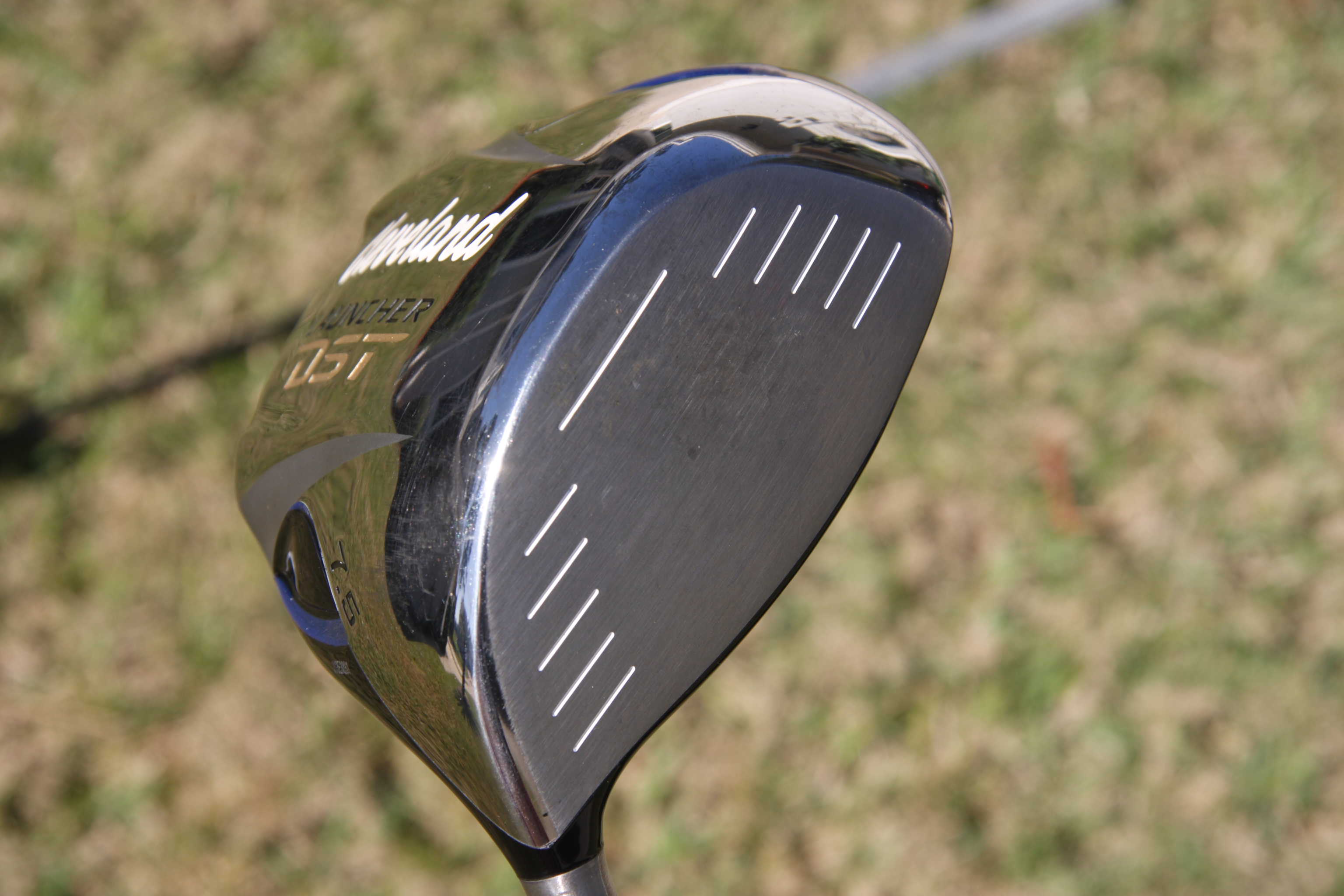
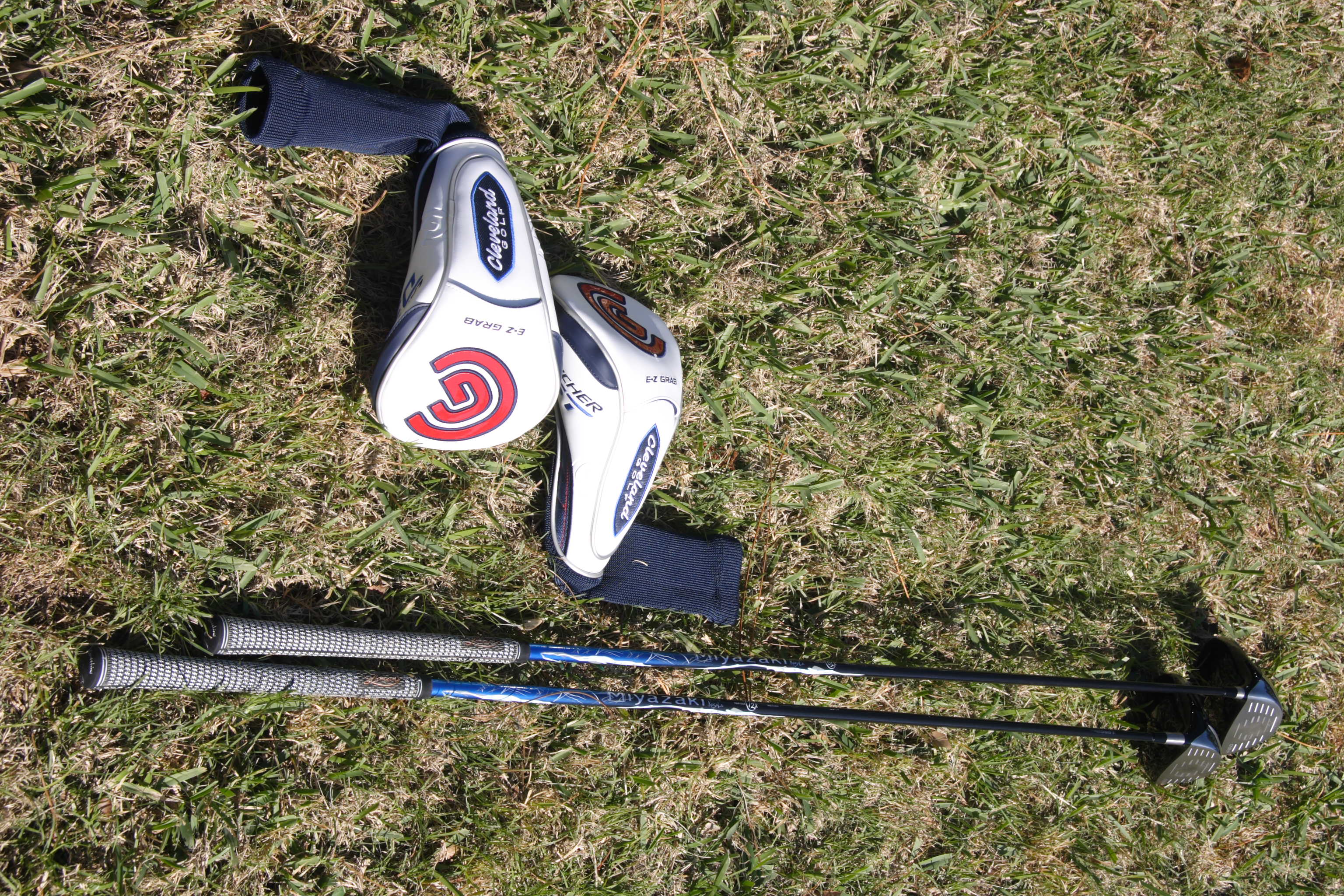
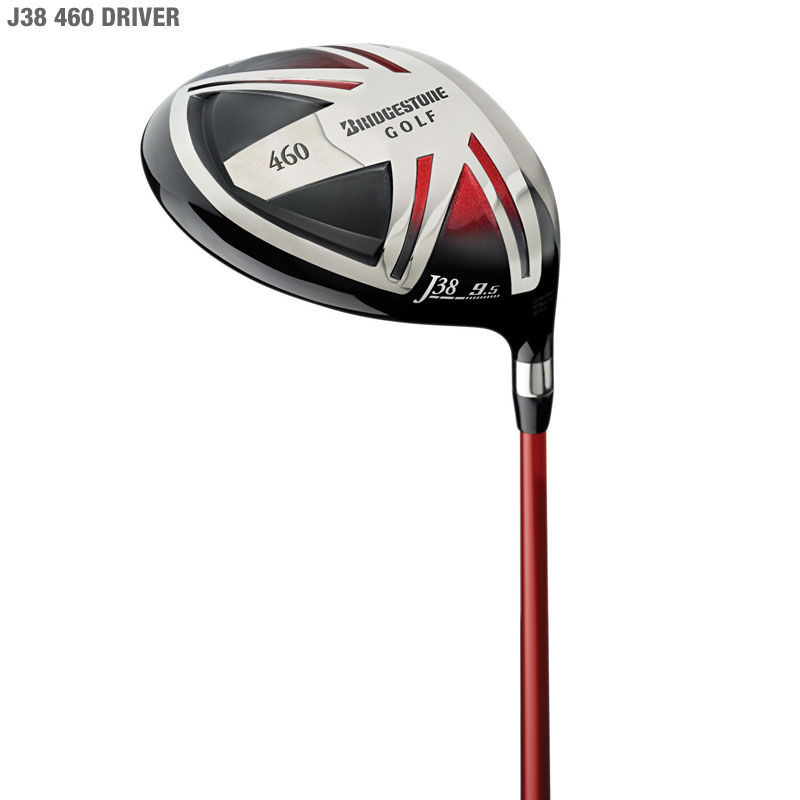
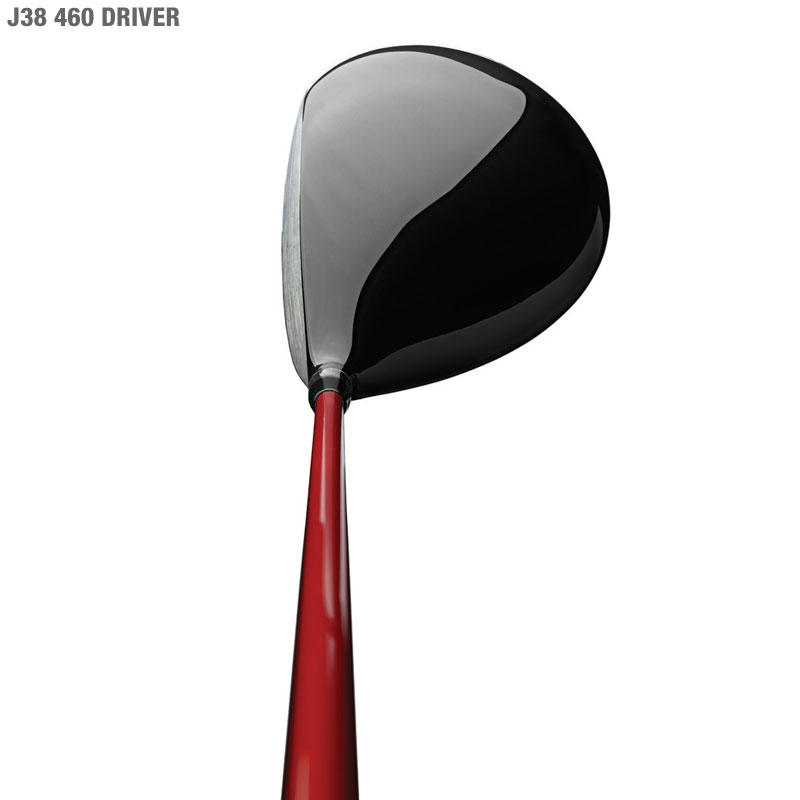
 Since 1979 when Cleveland Golf was founded, they have made quality golf clubs. Like many golf equipment manufacturers they have had their ups and downs. There is a lot of competition out there, with the huge marketing machines of Taylor Made and Callaway stealing the show. Cleveland has been through thick and thin and has maintained a solid market share in this hugely competitive market. Cleveland is largely known for it’s wedges, and with the introduction of it’s newest model –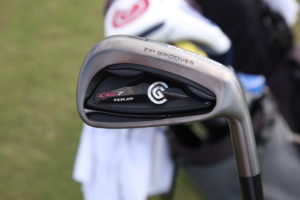
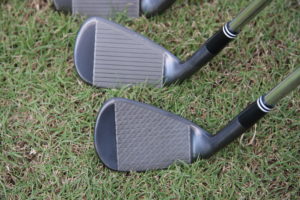 As with all new clubs, the new finish starts to wear immediately, and the sandy turf in Florida certainly expedites this process. After several hits, the face of the clubs show scratches and wear to the micro grooves. With the shorter clubs especially, the Zip grooves will scuff a new golf ball that is trapped aggressively against the turf. Out of the rough the deep and sharp Zip grooves provide spin, and the rounded shape and compact club head helps them slide through tall grass better than most. Just to avoid confusion, these clubs conform to the current USGA groove specifications for amateur golfers. They do not conform to the PGA Tour condition of competition that goes into effect Jan 1, 2010. For more info on the new groove regulations, read my
 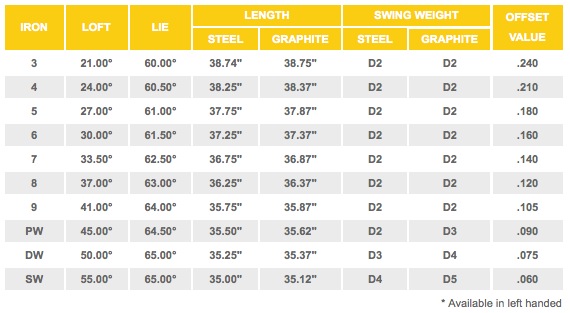 [/caption]
[caption id="attachment_1294" align="aligncenter" width="568" caption="Specs - CG7 Tour Black Pearl Irons"]
[/caption]
[caption id="attachment_1294" align="aligncenter" width="568" caption="Specs - CG7 Tour Black Pearl Irons"]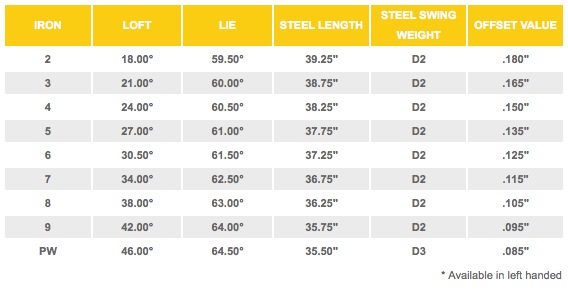 [/caption]
With Cleveland Golf, it's important to note that they have a great promotion going on for the remainder of 2009. If you purchase a set of in-line Cleveland Golf Irons in 2009, you will be eligible to trade in your set for any of the new models of equal or lesser value introduced from January 2010 to December 2011 at no charge. All you have to do is buy your set at an authorized Cleveland Golf dealer and register your purchase at this website. It may sound too good to be true, but it’s not. If you are tempted to make a purchase, you can use our
[/caption]
With Cleveland Golf, it's important to note that they have a great promotion going on for the remainder of 2009. If you purchase a set of in-line Cleveland Golf Irons in 2009, you will be eligible to trade in your set for any of the new models of equal or lesser value introduced from January 2010 to December 2011 at no charge. All you have to do is buy your set at an authorized Cleveland Golf dealer and register your purchase at this website. It may sound too good to be true, but it’s not. If you are tempted to make a purchase, you can use our 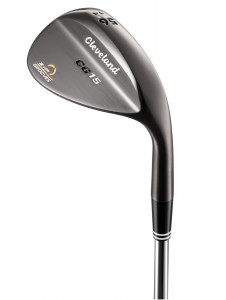
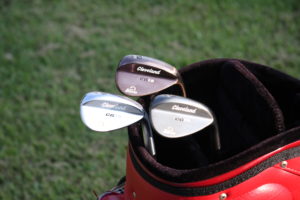 Cleveland's new CG15 Wedges are offered in 3 distinct finishes - Chrome, Oil Quenched and Black Pearl. The chrome finish is the classic treatment that we are all used to seeing in a wedge or forged iron. The Black Pearl finish is a dark matte finish similar to Cleveland's gunmetal finish. This dark finish has become familiar to Cleveland fans. The other finish being offered with the CG15 wedges is called Oil Quenched. This finish has a beautiful reddish brown tint to it, and like other non-chromed clubs, it will rust over time. Many players have come to prefer a rusty style wedge, one for the glare resistance, and two because many players believe a lack of polish makes the clubs softer. Either way, a choice of three finishes certainly is more than most companies can offer.
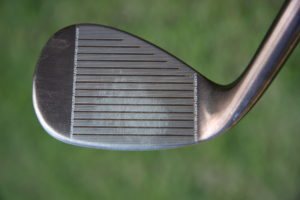 Cleveland's Zip Grooves have been augmented with a new feature called Laser Etched grooves, introduced for the CG15 wedge. Using a laser, 4 texture lines are milled between each groove exactly to the conforming roughness limit. This roughness application optimizes ball-to-face friction and maximizes spin under the rules of golf. In my experience, the ability to produce spin depends less on the club or grooves, and more on the golfer's ability and the golf ball used. Having said that, these wedges can put some serious spin on the ball. From a fairway lie the spin produced is similar to most other wedges. On chip shots executed with proper technique, the ball skids and grabs hard, trickling the rest of the way to the hole. From the rough is where the modern box grooves really shine. Because of the increased groove volume and shape, more grass and dirt is trapped by the grooves and balls hit from the rough spin much more than when hit with wedges with more traditional V grooves. I had no problem stopping the ball reasonably quickly from lies in all but the thickest rough.
I found that the initial finish on the face of the Black Pearl and Oil Quenched wedges wears quickly, but this is normal and unavoidable, just as with any other wedges. The face of the chrome wedges also wears just as fast, but because of the finish its not as noticeable. The grooves and even the laser etched grooves micro grooves held up well in my 4 days of testing, and I predict they will wear well for at least a season for most golfers. It remains to be seen how long the laser etched grooves last under normal use. I always recommend new wedges every year for serious golfers. These wedges are very well balanced, and in the hands of a skilled golfer they become deadly scoring weapons. I was able to hit low spinning shots and high flops alike with ease. The multiple bounce and loft options ensure that they have a wedge for everyone's needs or wants. Another option that has been in Cleveland's arsenal for a few years is the DSG wedge, which stands for "Dynamic Sole Grind". These wedges have a sole that is beveled to allow the leading edge to sit closer to the ground when the face is opened. This allows for more versatility for a variety of lies and turf conditions.
Cleveland's Zip Grooves have been augmented with a new feature called Laser Etched grooves, introduced for the CG15 wedge. Using a laser, 4 texture lines are milled between each groove exactly to the conforming roughness limit. This roughness application optimizes ball-to-face friction and maximizes spin under the rules of golf. In my experience, the ability to produce spin depends less on the club or grooves, and more on the golfer's ability and the golf ball used. Having said that, these wedges can put some serious spin on the ball. From a fairway lie the spin produced is similar to most other wedges. On chip shots executed with proper technique, the ball skids and grabs hard, trickling the rest of the way to the hole. From the rough is where the modern box grooves really shine. Because of the increased groove volume and shape, more grass and dirt is trapped by the grooves and balls hit from the rough spin much more than when hit with wedges with more traditional V grooves. I had no problem stopping the ball reasonably quickly from lies in all but the thickest rough.
I found that the initial finish on the face of the Black Pearl and Oil Quenched wedges wears quickly, but this is normal and unavoidable, just as with any other wedges. The face of the chrome wedges also wears just as fast, but because of the finish its not as noticeable. The grooves and even the laser etched grooves micro grooves held up well in my 4 days of testing, and I predict they will wear well for at least a season for most golfers. It remains to be seen how long the laser etched grooves last under normal use. I always recommend new wedges every year for serious golfers. These wedges are very well balanced, and in the hands of a skilled golfer they become deadly scoring weapons. I was able to hit low spinning shots and high flops alike with ease. The multiple bounce and loft options ensure that they have a wedge for everyone's needs or wants. Another option that has been in Cleveland's arsenal for a few years is the DSG wedge, which stands for "Dynamic Sole Grind". These wedges have a sole that is beveled to allow the leading edge to sit closer to the ground when the face is opened. This allows for more versatility for a variety of lies and turf conditions.