Golf movies are tough to rate when comparing them with mainstream action or comedy flicks. Most of the golf films we’ve seen in the past have used the game of golf as a metaphor or simply a means to tell another story. For example, Tin Cup was a love story about a golf pro from West Texas that qualifies and contends for the US Open Championship, all in an effort to win the heart of the woman who is dating his nemesis. The Legend of Bagger Vance was another golf movie that used golf as a means to help the protagonist find his way and get his life back together after a traumatizing war experience.
The latest golf movie to come out is one called The Squeeze. Written and produced by long time ABC Sports golf producer Terry Jastrow and based on actual events, The Squeeze features a young man called Augie who’s family is struggling to scrape together a living in a poor southern town. Augie just so happens to be a golf prodigy, winning the city championship by 15 strokes and catching the eye of a professional gambler called “Riverboat” played by Christopher McDonald, who also happens to have played “Shooter McGavin” in the golf comedy Happy Gilmore. The story centers on Augie and Riverboat teaming up to hustle local golfers out of their money, and soon they go out to Las Vegas in a quest for big money. Biting off more than he can chew, Riverboat lures Vegas kingpin Jimmy Diamonds into a high-stakes match after beating him in poker. Jimmy tips the odds in his favor by threatening to kill Augie if he doesn’t throw the match.
While the movie isn’t a big Hollywood production with a massive payroll and fancy special effects, they did a good job with the golf scenes, making sure to get actors that play well enough to make the on-course action believable. The actors do a good job bringing their characters to life, but Riverboat’s character is a bit of a cliche if you ask me. He’s dressed like a (predictably) riverboat gambler from the 30s, and his wife Jessie is the stereotypical southern belle. To top it off, the couple drives around in a classic powder blue Thunderbird. It all seems a bit over the top for 2015.
While the story has a few holes in it and ending comes out of nowhere, overall the film is entertaining. If I were to nitpick I think the story needed about 30-40 minutes more to develop Augie’s backstory and also to set up the finale. Clearly the producers weren’t going for an Oscar when shooting this movie. Overall it’s a fun story that is easy to identify with. Everyone seems to know a stick at the local club that has hustled or been hustled on the golf course, and The Squeeze does a pretty good job at exploring the lifestyle of golf hustlers and perils of getting in over your head.
The Squeeze is in select theatres now and will be available on DVD and Video on Demand June 9th, 2015.
Several years ago the Mosaic Company, the world’s largest combined producer of potash and phosphates, was about to reclaim 16,000 acres of land near Fort Meade, Florida that had been mined for nearly 100 years for phosphate. Instead, Mosaic CFO Richard Mack proposed building a golf resort. When Mr. Mack invited the design teams of Bill Coore & Ben Crenshaw (and later Tom Doak) to tour the area, they were stuck by the unique assortment of dunes, elevation changes, sand and native grasses that distinguish the property from your typical Florida landscape. It is estimated that the mining process stockpiled 15 million cubic yards of sand. The land sat untouched for over 50 years, and what nature gave back was a spectacular collection of dunes, lakes and sandy soil on which to build golf courses. Tom Doak famously said about the property: “”If you parachuted me into Streamsong, and you gave me 75 guesses as to where I’m at in the world, my 73rd guess might be somewhere in Florida.”
Streamsong Resort opened in January of 2013 to rave reviews. The Coore & Crenshaw designed Red course is ranked fourth in Florida (#18 in the US) and the Tom Doak designed Blue course is number six (#24 in the US) on Golf Digest’s Best in State Rankings. Both courses were built and opened at roughly the same time. In fact, Doak and Coore collaborated on the overall routing of both courses and even shared the design of some holes on each course, the details of which seem to be closely guarded. Because of the collaborative effort and clever routing of both courses, players can play some unique non-traditional six or twelve hole loops, including six holes on the Red and six on the Blue.
Streamsong Blue #13
The Courses
The Red course measures 7148 yards (74.2 / 130) from the longest tees and 5184 from the shortest, giving everyone a course that is challenging but fair. I found the Red course to be a little more forgiving, with shallow bunkers, fewer forced carries and greens that were flatter and featured prominent chipping and run-off areas. The Blue course stretches to 7176 yards (74.1 / 131) from the back tees and down to 5531 from the gold tees. The Blue course has larger, more undulating greens and deeper bunkers, but like the Red course, it generally offers plenty of space off the tee. The relative lack of trees and exposed elevations of both courses means that the wind is always a factor, especially when playing from, over or around any of the large dunes that dot the landscape. My first round on the Blue course in late January was negotiated in constant 30 mph winds with gusts into the 40s. The terrain tends to play hard and fast, giving golfers many options for approach shots along the ground. For example, on the 18th hole of the Blue course my playing partner Jay and I waged a “closest to the pin” contest for fun from 125 yards out in the fairway. With our putters. The contours of the hole and the shape of the green gives you the option to run the ball up along the ground, and we both managed to get the ball on the green. Many holes on both courses set up the same way.
Streamsong Red #17
These Boots Are Meant For Walking
During peak season from January 1 to April 15 Streamsong is walking only. They have an experienced roster of professional caddies available at all times. (At additional cost) During the summer months when temperatures usually hit the mid 90s, golf carts are available, but the use of a forecaddie is mandatory. This walking-only policy may turn away some visitors, but Streamsong believes walking is by far the best way to appreciate the subtleties of the golf courses while keeping the turf in excellent shape year-round. Of course those with physical disabilities are allowed to use a cart, and caddies are not required when walking but highly recommended. Most of them have lots of experience on both layouts and are of great assistance in plotting your way around the course.
Architecture
Almost as striking as the dramatic landscape is the architecture at Streamsong. The golf clubhouse is a modern looking structure designed by Alberto Alfonso. It sits between the dunes and next to a lake that golfers must carry the ball over on both courses at one time or another during the round. The building has everything you need, and nothing you don’t. Besides the pro shop and 4500 square feet of conference space, the steak and seafood restaurant Fifty-Nine and and outdoor terrace, the clubhouse also has twelve guest rooms that served as the only on-site accommodations when the resort first opened.
Streamsong Lodge
Since opening in January of 2014, the Lodge has become the center of off-course activities at Streamsong Resort. This 216 room luxury hotel sits on the shores of a pristine private lake teaming with wildlife and stocked with bass. The horseshoe shape of the building gives every room a great view of the lake, outdoor fire pits and beautiful infinity pool. AcquaPietra, the 7000 square foot subterranean grotto-style spa with seven bathing pools and and nine treatment rooms will help melt away stress and treat those aches and pains.
AcquaPietra Spa
Dining
With four top notch restaurants on site, you’ll never leave hungry. SottoTerra features traditional Italian cuisine, P2O5 serves traditional Floridian favorites like oysters, conch chowder and fried chicken, and is named after the chemical symbol for phosphate. Finally, take a short elevator trip to the rooftop grill of Fragmentary Blue to enjoy Sriracha glazed chicken skewers, buffalo pork rinds and other casual fare while having a drink and enjoy the views that go on for miles in all directions.
Off Course Activities
The virtually untouched lakes and streams surrounding Streamsong offer some of the best bass fishing in the state, and guided tours depart from the docks just a short walk away from the Lodge. For shooting sports enthusiasts there’s also a well designed Sporting Clays course led by certified instructors just a short drive away on property. For large groups, there is 18,000 square feet of flexible meeting space, but who expects to get any work done at a place like this?
What makes Streamsong Resort so unique is the location and topography. Situated just over an hour from Tampa and about 90 minutes from Orlando, it is close enough for a quick weekend trip, but the property itself is so remote and isolated that you don’t feel like you are that close to any civilization. Some people have compared Streamsong Resort to Bandon Dunes in Oregon or Cabot Links in Nova Scotia, and perhaps the comparisons are valid in terms of remoteness, but to me comparing repurposed phosphate mines in rural Florida to true seaside links land isn’t fair. Bandon and Cabot are on the coast, but Streamsong is over 40 miles from the Gulf or Mexico and the weather is much better!
The Future is Black
Where all these resorts do compare however is in the accolades they have received. In just a few years Streamsong has managed to get everyone’s attention and rank highly in many golf industry rankings. Both courses sit in the top 20 nationally in rankings from Golfweek, Golf Digest, Golf Magazine and others. But if you thought Streamsong would rest on their laurels, you were wrong. 2016 Olympic course designer Gil Hanse was recently announced as the architect for a third golf course that will start construction this summer with an anticipated opening in 2017. The new Black course will have its own clubhouse and dedicated practice facility and be located a short distance away from the Red and Blue courses. The terrain for the Black course isn’t quite as dramatic as the original two, but there is no shortage of interesting land forms and vegetation to route a course through. There are also rumors about a fourth course in the future. With 16,000 acres to work with and given the stellar golf Streamsong has produced so far, perhaps the comparisons to Bandon Dunes will continue – Minus the ocean breezes and rain of course.
Fragmentary Blue Restaurant
At Streamsong Resort, the course designers proved that you don’t have to move tons of dirt and sand to make beautiful and playable golf courses. The leadership team also proved that when executed properly, a piece of seemingly useless land can be transformed into a place people really want to go. In many respects, Streamsong is a collection of contradictions. It’s remote enough that you could never find it by accident, but close enough to Tampa and Orlando for a day trip. The golf is played on foot with caddies, but valet service and complementary shuttles transport guests to and from the course. The post modern architecture of the clubhouse and lodge clash with the unkempt wilderness that surrounds them. The land that sat untouched by humans for decades now attracts people from all over the world.
Streamsong Resort is a must-visit for all golfers. The courses are among the best in the US, the accommodations and dining are excellent, the amenities are a perfect complement to the golf and the service is exceptional. Stay and play packages range from $139 to $199 per person depending on the time of year and size of your group. For more information visit http://www.streamsongresort.com/
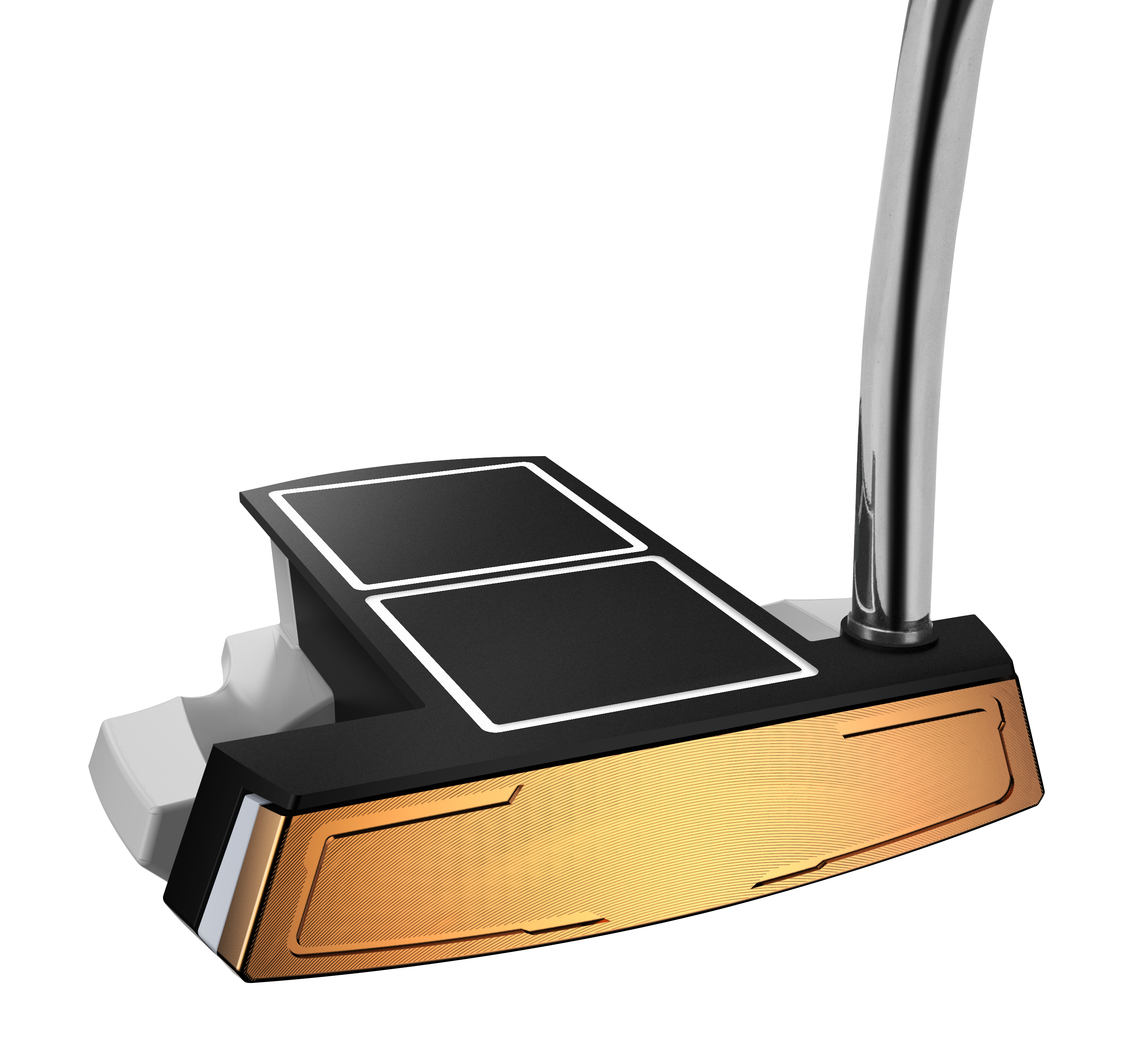
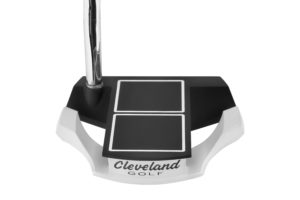
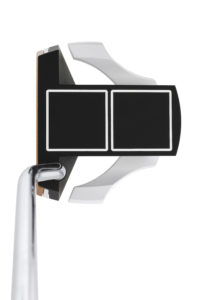
Cleveland Golf/Srixon have been a little quiet lately, and their focus has shifted a bit in the last year. Cleveland has always been known as a wedge company, and they are focusing more on that this season and allowing Srixon to be the main club company for a change. But Cleveland has put out some nice putters also, and the new TFI Smart Square is their new flagship flat stick. Here are some excerpts from the press release introducing the new putter.
Cleveland® Golf , the leader in short game innovation for players of all abilities, is pleased to introduce the new TFI Smart Square® putter. The TFI (True Feel Innovation) Smart Square putter is the most advanced putter that the company has ever created. The tour-inspired design features a milled, copper-infused face cap over a copolymer insert for the ultimate in feel and consistency. The combination of materials allows for immediate feedback from sound and feel when striking the ball, while the putter’s copolymer insert creates soft feel and consistent speed across the club face. The TFI Smart Square putter, which features Smart Square alignment technology, couples a High Density Stabilizing Wing with a Low Density Aluminum Body resulting in increased head MOI for greater stability and minimal distance loss on off-center hits.
Smart Square Alignment Technology
Following intensive research into the most successful putters of all time and what golfers focus on when they align a putt, the new TFI Smart Square putter, along with its highly successful predecessors the Smart SquareBlade and Mallet putters, incorporates alignment technology that has proven to be the most advanced – and simplest – that Cleveland Golf has ever created.
The key to the Smart Square technology is Dual Axis Alignment®. Two squares create parallel lines that frame the ball at address and provide a clear visual path to the hole. They also generate two perpendicular lines that easily highlight when the putter is misaligned – even by a fraction of a degree. Cleveland Golf’s testing shows players aligned Smart Square putters 23% more accurately than one of the most popular putters of all time.
In case you didn’t figure it out, the putter they are referring to is the Odyssey Two-Ball. But anyway, let’s see some photos of the TFI Smart Square!
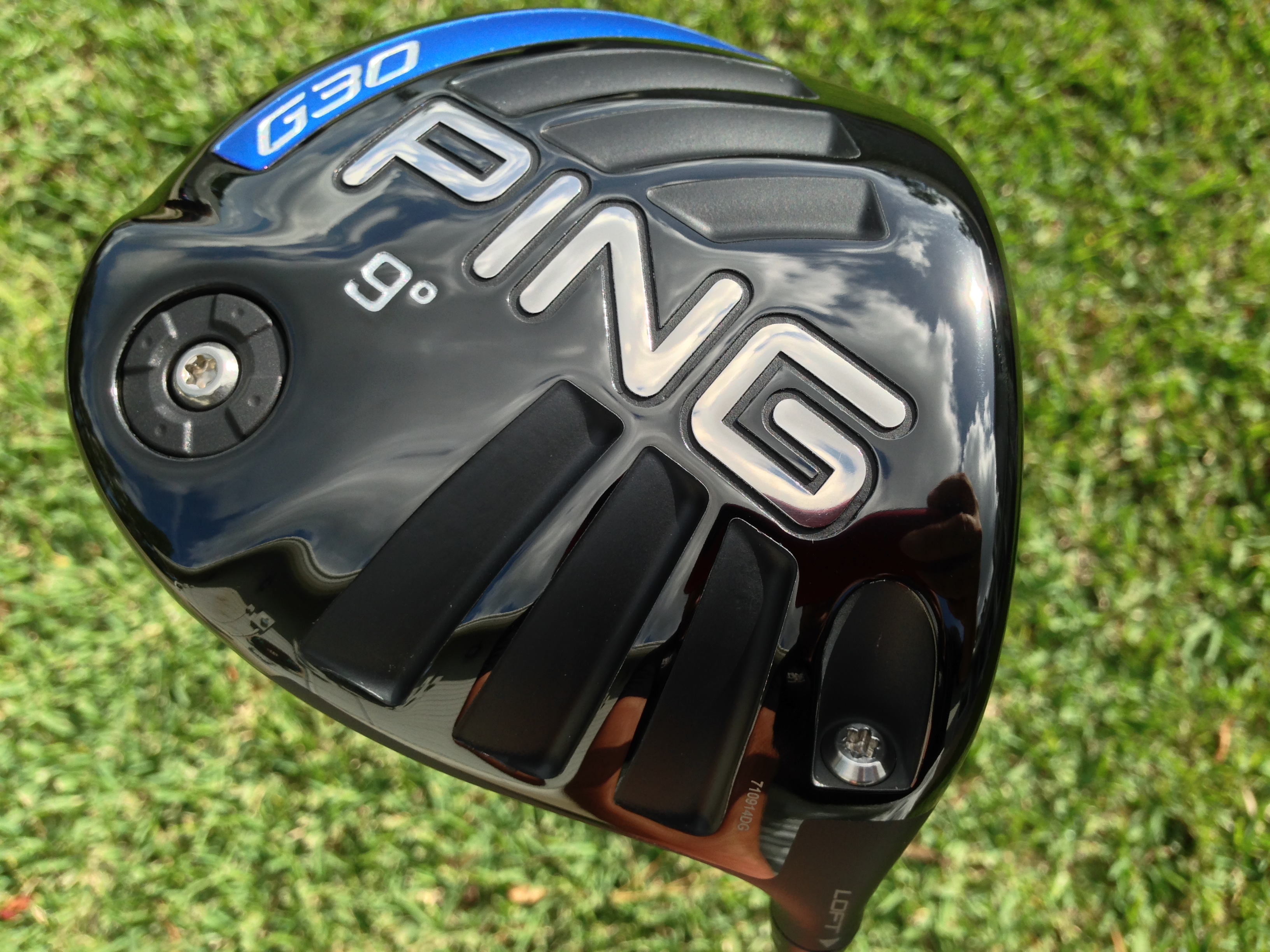
Normally when writing a review of a club, I’ll start with an introductory paragraph, then tell you a bit about the design and specs of the club before describing how it plays. This time however, I feel compelled to flip the script and tell you how the story ends first. Quite simply, the Ping G30 driver is the best club I’ve hit off the tee in over a decade. Now, let me tell you why.
In the past 10 years as a blogger and golf industry insider, I’ve had the opportunity to hit many, many drivers. It’s the club golfers change the most, which is why the golf club manufacturers dedicate most of their marketing efforts to sell them. I had to think long and hard about the best drivers I’ve hit over that time and even prior, and I’m confident in saying that the Ping G30 has had a bigger impact on my golf game than all the rest. It’s not just me either. The sales figures since being introduced last July show that golfers have noticed also.
As golf club technology has evolved over the years we’ve seen golf balls that fly further and drivers that hit those balls further still. As a result, I’m hitting the ball every bit as far at age 41 as I did at age 21, despite a swing speed that has dropped from the mid 120s to the low 110s. I may swing a golf club slower than I used to, but the launch monitor data suggests that I’m still transferring as much energy to the golf ball as I used to with a metal-headed Titleist driver and Tour Balata golf balls.
Hotter club faces and more responsive golf balls have changed the game for everyone. But the USGA and R&A rules have imposed limits on the performance of golf clubs and golf balls, and I’ve seen technology hit the wall in that regard. The equipment companies may tell you otherwise, but they can’t make a club hit the ball any further than they do now. Instead, what they are doing is tweaking launch conditions and fitting clubs to individual swings using movable weights and interchangeable shafts in an effort to squeeze every last yard out of your drives.
Technology & Specifications
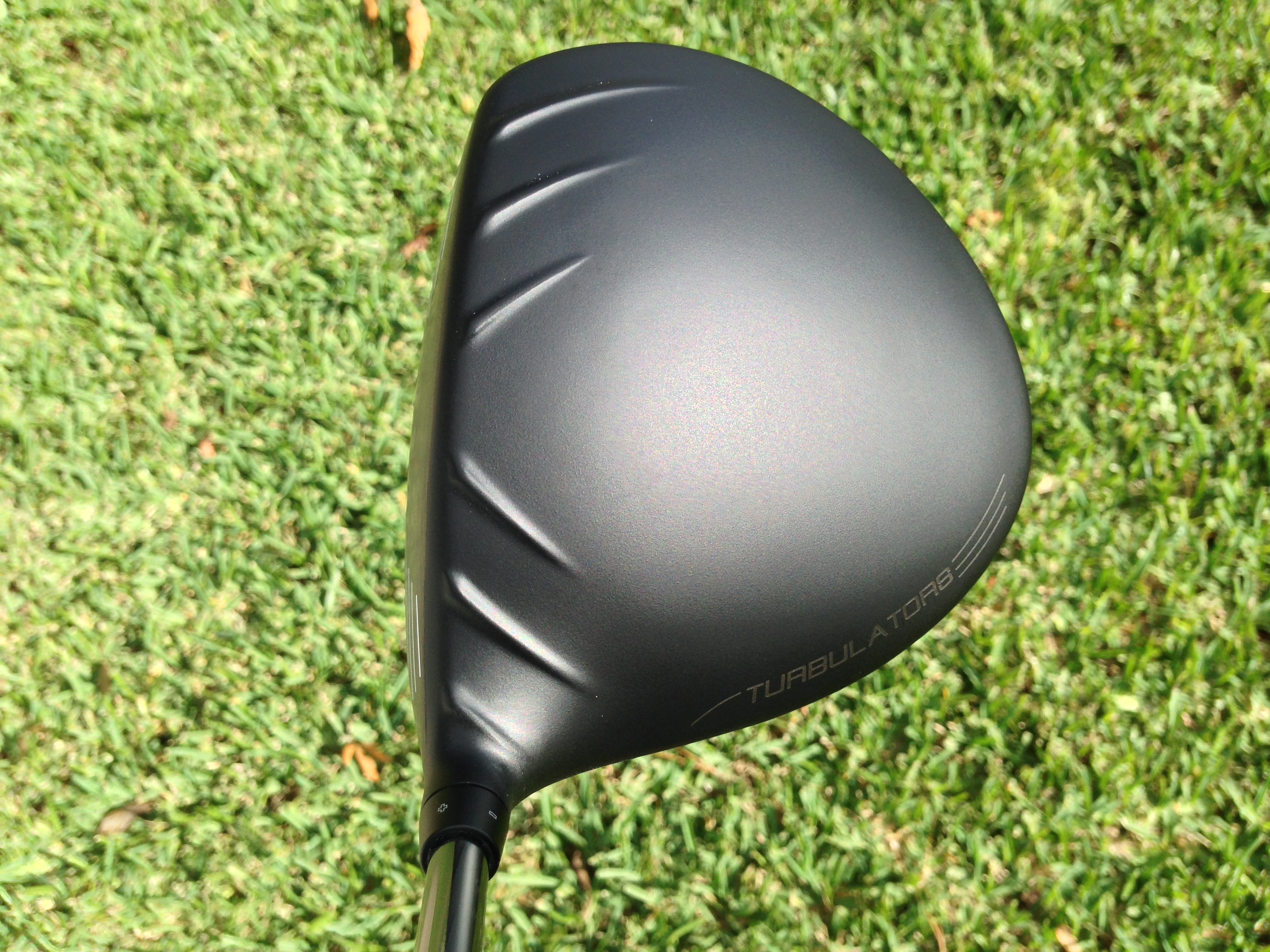
When it comes to the Ping G30, there aren’t any fancy moveable weights, but there are several options for fitting the club to the player. To start, Ping makes three different G30 drivers. The standard G30, the slice-fighting G30 SF-TEC and the low-spin G30 LS-TEC. All three G30 models are assembled with a T9S Titanium face and Ti 8-1-1 body. The T9S material is light and thin and allows more face deflection for greater ball speeds, up to the USGA limit that is. All three models have built-in aerodynamic features on the crown that Ping calls “Turbulators” to (theoretically) help generate greater clubhead speed. Also included is an adjustable hosel to tune the face angle, which will change the dynamic loft of the driver, allowing for a higher or lower ball flight as wanted.
The standard G30 model is set up neutral, with the weight and balance designed to be playable for everyone. The G30 SF-TEC model is designed with the weight port shifted towards the heel and a lighter swing weight (D1 compared to D3) to help chronic slicers straighten out their tee shots. The G30 LS-TEC model is the low spin version of the standard G30, and I’m told by Ping that the LS-TEC driver reduces backspin by 400 RPM over the standard G30. This model will appeal mostly to higher swing speed players that generate too much spin. The G30 and G30 LS-TEC are available in 9 and 10.5 degree lofts. The SF-TEC version is available with 10 or 12 degrees of loft.
Ping offers a few self-branded stock shaft choices and several more brands as custom options. The standard shaft is the Ping TFC 419D. Upgrades include the Ping Tour 65 and Tour 80 shafts. Ping is one of the few companies that still sells their own shafts, and I believe this gives them an advantage because they can better control the quality and performance of their clubs if they also make the shafts that go in them. While they offer many well known brands as custom options, I would recommend choosing one of their shafts. Most players will fit into the TFC 419D shaft, and stronger players will love the Tour 65 and Tour 80 shafts.
Performance
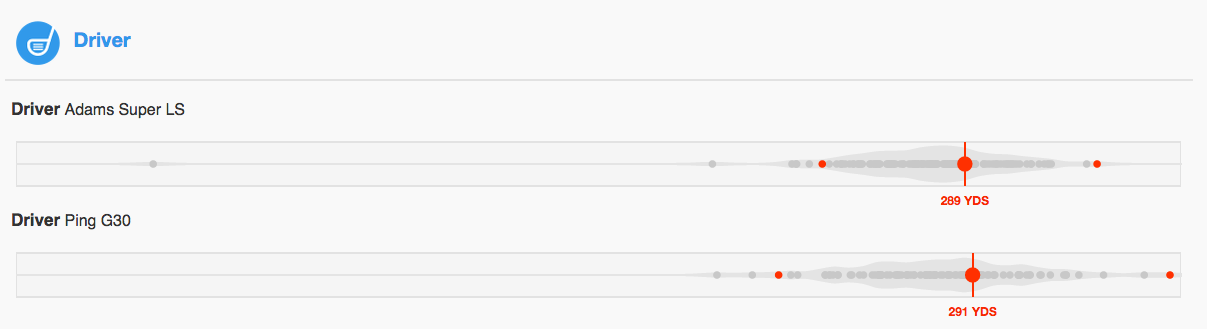
So what does all this technology do? In the right hands, it hits golf balls far. The tester I got was a standard Ping G30 with the Tour 80x shaft and 9 degrees of loft. Some initial testing was done at the driving range on an Ernest Sports ES14 launch monitor, but most of my testing takes place on the golf course because I prefer real-world testing in real, variable conditions. To supplement my on-course testing, I used GAME GOLF to gather data about every shot hit to compare clubs. I put the G30 up against my old gamer (2013 Adams Super LS, 8.5 degrees w/ UST ProForce VTS Black 75x) for comparison.
My initial testing with the launch monitor confirmed my suspicion that the aerodynamic turbulators on the club’s crown wouldn’t do much to deliver more clubhead speed, but they look cool I guess. In 20 swings with the Adams driver I averaged 110.75 MPH of club speed. After 20 swings with the G30 I averaged 111.25 MPH. The G30 averaged 0.5 MPH more than the Adams, but I don’t think this slight improvement is statistically relevant. Similarly, ball speeds (167.5 to 165.5), launch angles (12.025 to 12.775) and spin rates (2253.5 to 2571) were also very similar. Since total distance on the ES14 launch monitor is an estimated figure derived from launch data, I didn’t include it. (See note below) Instead I used the more accurate real-world data from my rounds on GAME GOLF (more on this later) Bottom line: The Ping G30, when properly fit to the individual golfer, is about as long as any other driver on the market. In this case it’s as long as the Adams Super LS and TaylorMade SLDR 430. (The SLDR 430 and G30 were tested on-course by me and another play tester in a separate test.)
This hard data shows that even a two year old driver can deliver the same performance as a new model. It also contributes to my theory that equipment performance has hit the limit and companies can’t get any more distance out of clubs and balls. There is of course, one factor I haven’t mentioned yet – Accuracy.
Note on distance data: The ES14 launch monitor data showed my hits using Adams Super LS driver averaging 300.75 yards, compared to the Ping G30 at 296.75 yards. While this is a nice ego boost, those numbers are unrealistic because of the way the ES14 estimates distance. Meanwhile, the actual on-course, GPS-measured data from GAME GOLF shows that I really average 289 yards with the Adams and 291 yards with the Ping G30. The data from GAME GOLF also validated the launch monitor data that showed that both drivers were within 4 yards of each other in total distance. Four yards may be huge for the marketing department at company X that’s trying to sell you a driver, but in reality there are just too many factors at play to make an accurate claim on distance. The launch monitor tells me that the Adams Super LS is longer, but the real-world data proved otherwise. The data I got from playing over 30 rounds of golf with both clubs shows that the difference is much smaller. I think this helps to show that since club technology has hit legal limits, driver distance will once again mostly depend on swing speed, solid contact and course/weather conditions, not club technology.
Accuracy & Forgiveness
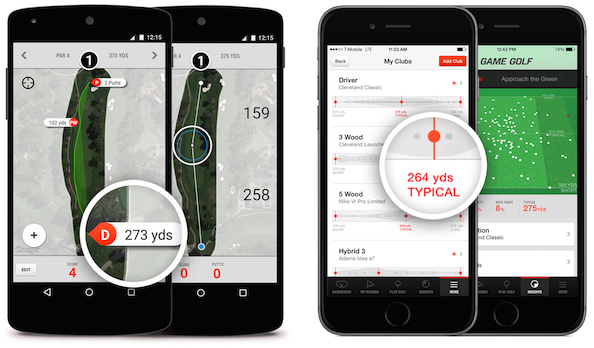
Launch monitors and wide open driving ranges can’t give you the whole picture about how straight you hit a club. That’s why I prefer to play as much as possible with a club before writing a review. I use the GAME GOLF platform to track my shots and club performance with their excellent built in stats. But don’t take my word for it, go check it out for yourself!
I’ve played at least 15 rounds with the Ping G30 since I got it (I put it in the bag right away as my gamer), and I had been playing with the Adams for almost a year before that. Armed with 15 rounds of actual golf data on multiple golf courses in varying weather conditions, The Ping G30 is almost 30% more accurate off the tee than my old Adams Super LS. I hit 62% of fairways with the G30 compared to 48% with the Adams. Thirty percent is a significant number!
My golf swing didn’t change during the testing period, and the difference in average distance shows that I wasn’t “taking something off” drives with the G30. The Ping G30 driver is a very accurate golf club, because it is very forgiving on off-center hits. Don’t take it from me though, take it from our friends at GolfWRX who said “Hands down… The most forgiving driver in golf.” or the equipment testers at Golf Magazine who called the G30 SF-TEC “The top-rated model in the test”.
Conclusions
When I get new clubs to test out I always try to get them into the hands of a few buddies to get their thoughts. Most of the time, they hit 10 to 15 shots and can tell me if they like it and want to hit more, or dislike and hand it back to me. With the Ping G30, my playing partner hit 5 balls on the range and half a dozen tee shots on the course and immediately ordered one for himself.
What it comes down to is simply this – I hit the Ping G30 in or around the sweet spot more often than the other drivers I’ve played in the past 10 years. Solid contact means more distance, better accuracy and greater consistency. The numbers don’t lie. I’m hitting almost 30% more fairways with the G30 – without losing any distance. That is why the G30 went right in the bag and will stay there for the foreseeable future, and that is why you should go try the Ping G30 yourself. It’s the best driver I’ve hit in the last decade.
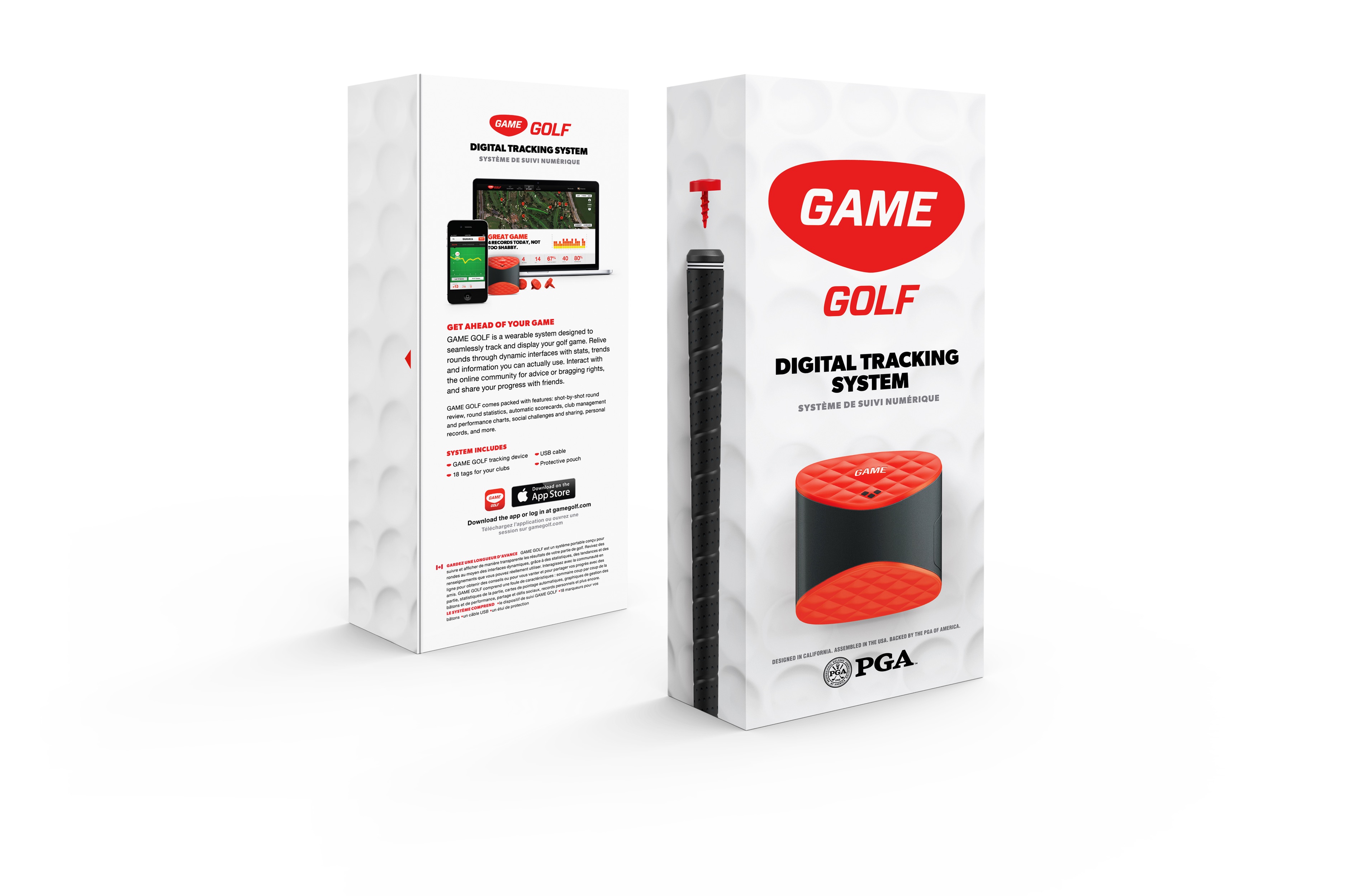
One of our favorite golf gadgets – GAME GOLF – is getting a new mobile app! The popular game tracking device functions by using GPS and sensors in each club to collect information about every shot you take on the course and present the player with detailed statistics about their game after the round. Now, the new app will allow golfers to collect the same stats as the current wearable device and access the GAME GOLF platform in real-time, for free.
The App provides golfers with an aerial view of each hole, distances to key locations using the GPS Rangefinder feature, and the ability to “tag” each shot by selecting the club used. You’ll be able to see greens in regulation, fairways hit, scrambling percentage, putts per hole, club distances and more. Golfers can view their platform profile and data on their mobile device or at GAMEGOLF.com.
The GAME GOLF tracking app is available for free in the Apple iTunes Store and Google Play Store.
New Balance has become legendary over the years for well made shoes that fit a wide variety of feet, especially in wide sizes. Now a serious player in the golf market, those with wide feet will be excited to see the spring 2015 golf shoe line from New Balance. They are sure to be comfortable and popular. Let’s take a look at the line based on the latest press release from the company:
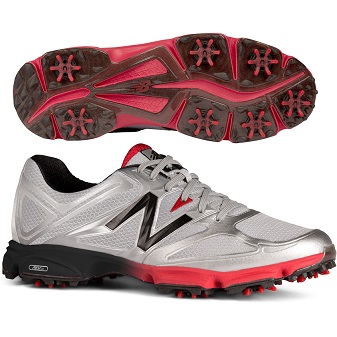
Men’s 2003 Cleated Outsole
The 2003 golf shoe is built on a performance fit golf last that features a waterproof mesh upper with a TPU stability cage for ultralight support and fit, and a REVLite® 10mm drop* midsole for lightweight cushioning and premium responsiveness. The outsole utilizes the Champ One-Lok® Zarma Tour** cleat system. The 2003 weighs just 11.1 ounces and is backed by a two-year waterproof warranty.*** The golf shoe is available in sizes 8-12, 13 14 and D & 2E widths for a suggested retail of $134.95.
Men’s 1000 – Spikeess Outsole
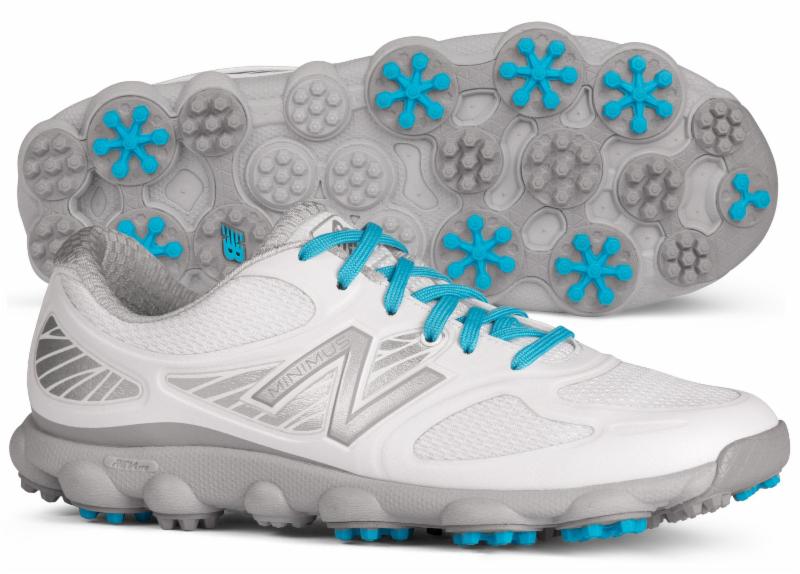
The 1000 is built on the Minimus last that is used in New Balance’s popular running and training shoes. The 1000 features a waterproof microfiber leather upper with a REVLite® 4mm drop* for lightweight cushioning and responsiveness. The Ortholite® insole is designed for cool, dry comfort and the dual density integrated spikeless outsole provides excellent traction from all lies. The 1000 weighs just 8.8 ounces and has a two-year waterproof warranty.*** The 1000 is available in sizes 7-12, 13, 14 in D and 2E widths for a suggested retail of $109.95.
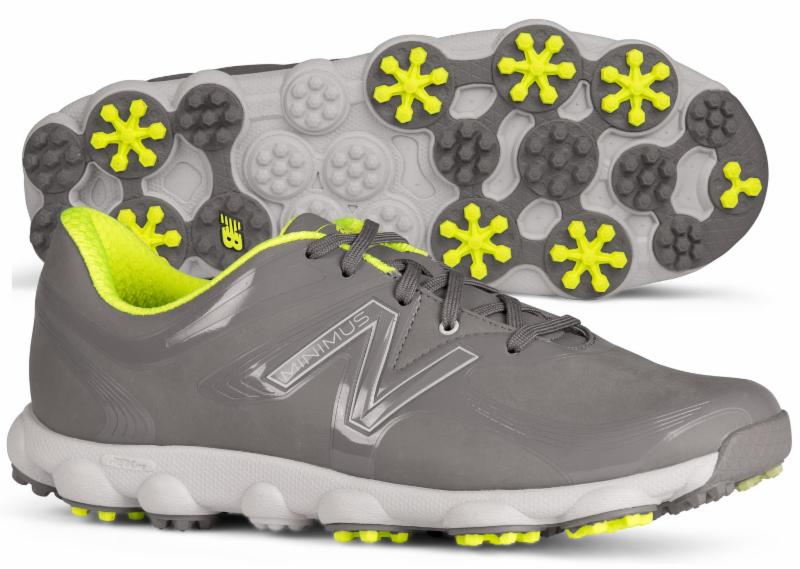
Women’s 1001 – Spikeless Outsole
The 1001 women’s golf shoe is built on the same Minimus® last as New Balance’s popular low-profile running and training shoes. The 1001 features a breathable, water-resistant mesh upper with no-sew synthetic overlays. The REVLite® 4mm
drop* midsole provides lightweight cushioning and premium responsiveness while an Ortholite® insole provides cool, dry comfort close to the foot. The dual density integrated spikeless outsole provides traction and maintains the shoe’s minimal profile. The 1001 weighs just 6.7 ounces and is available in two colorways; grey with a hologram insert and white with grey highlights in sizes 6 -11, B and D widths in the grey and a B width in the white for a suggested retail of $89.95.
There’s a popular saying in sports: Practice makes perfect. Short game guru Dave Pelz came up with a better one: Perfect practice makes perfect. Having studied the way golfers work on their games for years, I can make two educated assumptions about the average weekend golfer and their practice habits.
Most golfers don’t spend enough time practicing.
Not enough of that time is spent working on the short game and putting.
Golf is one of those games that rewards you proportionally to the work you put into it, so it’s not hard to see why the average golfer doesn’t improve from season to season. Since most people don’t have the time to dedicate to practice golf, you have to maximize the time you get to help you improve.
When I was in college I frequently skipped class to play golf tried to schedule my days in such a way that I could play golf between classes, and when playing golf alone I started inventing games to keep my mind and game sharp. One of these games was a worst-ball scramble. Like many people do when playing alone, I played two balls on every hole. In a normal scramble you would hit two shots, select the best shot of the two, then proceed to hit two balls from that spot and so forth until you hole out.
The worst ball scramble is the exact opposite. The player hits two shots, then selects the worst shot between them and hits the next two shots from that location, then continues hitting from the worst ball until the ball is holed out. This game is very difficult, which also makes it fantastic practice for your game and your mind.
Worst ball scramble forces you to focus and concentrate on hitting two good shots every time, because you will be playing your next shot from the worst of the two
Worst ball will test your patience and mental fortitude. Nothing is more frustrating than hitting a shot close to the hole knowing it won’t count because you missed the green with your second shot.
In order to hole out and move to the next hole, you must make a two putts in a row, since the worst shot on the green would be a missed putt.
You’ll find that your thought process on the course becomes much more conservative. You’ll be much more inclined to hit something other than a driver off the tee in order to stay in play, and you will tend to aim your approach shots towards the middle of the green with greater frequency. This conservative mindset is common in the pro game, but most amateurs simply aim for every flag and usually pay the price with higher scores.
Playing a worst ball scramble is great practice because you will likely hit as many shots in 18 holes as you would in 3 normal rounds of golf, especially on and around the greens. Extra reps!
I’ve seen touring professionals shoot 85 playing this game with me. There is nowhere to hide. Playing worst ball will immediately identify the area(s) of weakness in your game.
If you play golf alone or in a twosome, worst ball is a fantastic and challenging game to play. It will help you work on the weak areas of your game and help you focus and force you to plot your way around the course in a conservative way, which will help any golfer in the long run. Give it a try the next time you have a lazy Sunday afternoon to spend on the course. Just bring plenty of golf balls!
We were in attendance at the madness that was the 2015 PGA Merchandise Show last week, and other than registering about 18,000 steps (8.5 miles) on the pedometer each day, we met many old friends and saw lots and lots of golf products in the more than 1 million square feet of exhibit space at the Orange County Convention Center. As always, some products stood out among the rest. Here’s a few of the golf clubs that caught our eye this year.
Best New Clubs
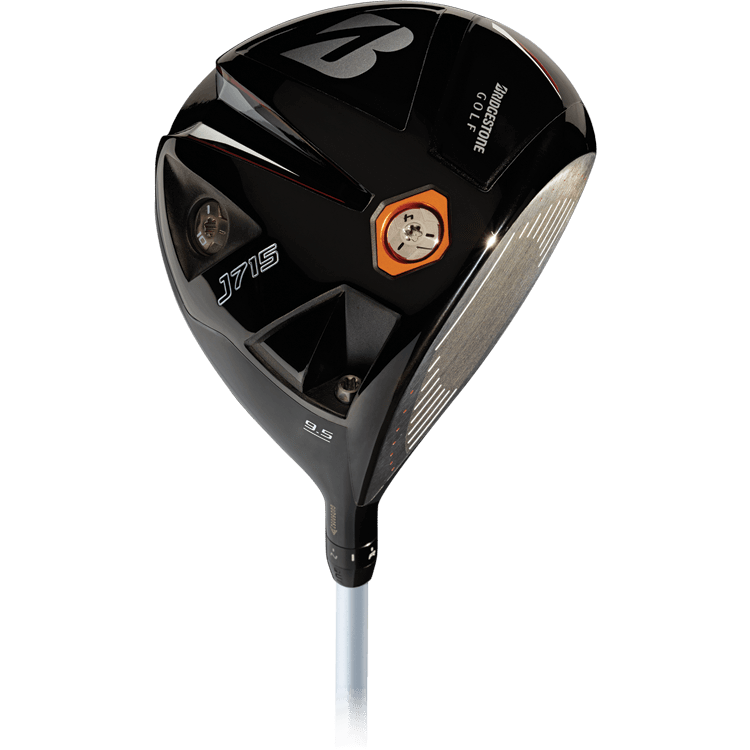
Bridgestone J15 irons, J715 & J815 Drivers – Bridgestone hasn’t released any new clubs for a couple of years, but fans of the brand have plenty of options in 2015. Bridgestone golf has released two new drivers and five new iron models. The J15 muscle back, cavity back, driving forged, dual pocket forged and cast irons have something for every level of golfer from low handicap to beginner golfers. The J715 driver has a cleaner, more traditional look, while the J815 driver gives more forgiveness and higher launch angles.
Bridgestone J715 Driver
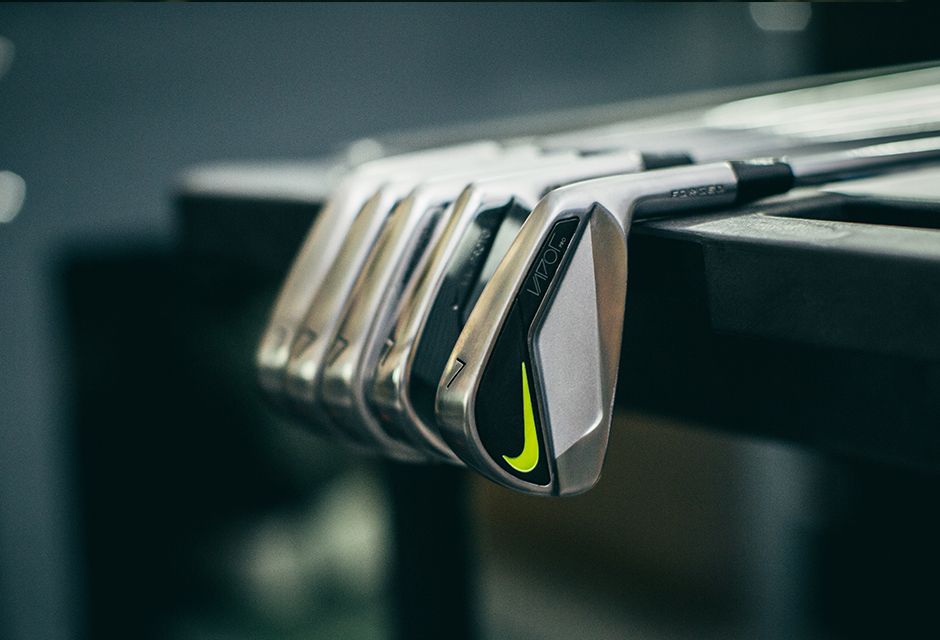
Nike Vapor – 2015 brings some new offerings from Nike Golf as well. The new Vapor Speed, Vapor Pro and Vapor Flex drivers give every level of golfer a club fit for their game. The Vapor Flex is Tiger Woods’ model of choice, while the Vapor Pro is in Rory McIlroy’s bag, and the Vapor Speed is for the rest of us who need more help. Matching the drivers and fairway woods are three new Vapor iron models, similarly called Vapor Speed (more forgiveness), Vapor Pro Combo (Cavity back w/ feel & forgiveness), and the Vapor Pro (Small cavity back/blade for feel and workability) The Vapor Pro blades were one of the best new irons I tested, and are sure to be popular with better players that fancy the Nike brand.
Nike Vapor Irons
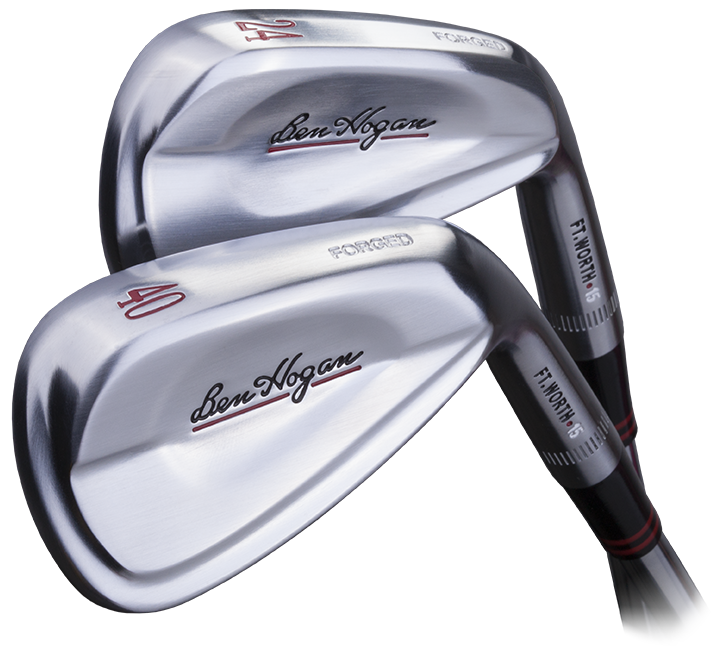
Ben Hogan Golf – The biggest club story of the 2015 PGA Show was the re-birth of Ben Hogan Golf. Club designer Terry Koehler has not only given us a beautiful forged blade worthy of the Ben Hogan name, but his unique club fitting system is a much needed innovation for the modern game. Eschewing the traditional numbered iron set, the new Ben Hogan irons and wedges have the club’s loft stamped on the bottom instead. The new Ft. Worth 15 irons and TK 15 wedges combine to offer 44 clubs available with every loft from 20 degrees to 63. This allows golfers to tailor a set to their particular preferences for loft, distance gapping or personal tastes. For example, slower swingers may choose 4 or 5 degree gaps in their long irons as they tend to hit traditional long irons the same distance, or longer hitters may prefer smaller 3 degree gaps in their wedges to cover more yardages in the short game. With soft & surprisingly playable forged 1025 carbon steel heads in 44 different lofts and the most playable sole grind on any wedge available – V-Sole (Increased leading edge bounce, decreased trailing edge bounce creates a V- shaped sole) The new Ben Hogan irons and wedges are going to be a big hit. Even mid to high handicappers have praised the clubs for being easier to hit than anticipated for a forged blade.
Ben Hogan Ft. Worth Irons
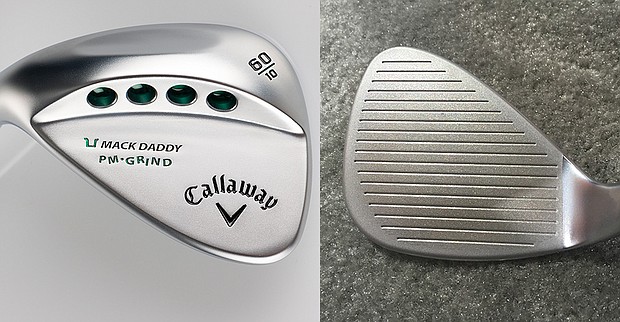
Callaway PM Grind Wedge – Phil Mickelson is one of the most influential players in golf. His long relationship with Callaway Golf has led to some interesting club designs and ideas over the years. One of the most recent ideas comes in the form of the new Mac Daddy PM Grind wedges. Wedge designer Roger Cleveland came up with this design at Phil’s request to help him hit high, soft shots around the greens. The wedge features a very high toe area and grooves that extend all the way across the face to the edges. It also has a scalloped sole grind and drill holes to remove weight. The wedge is so new that Callaway haven’t even put it on their website yet. Check out the scoop on PGATour.com here. It’ll be available in May with lofts of 56,58,60 and 64 degrees. Time to work on your flop shot!
Callaway Mac Daddy PM Grind Wedge
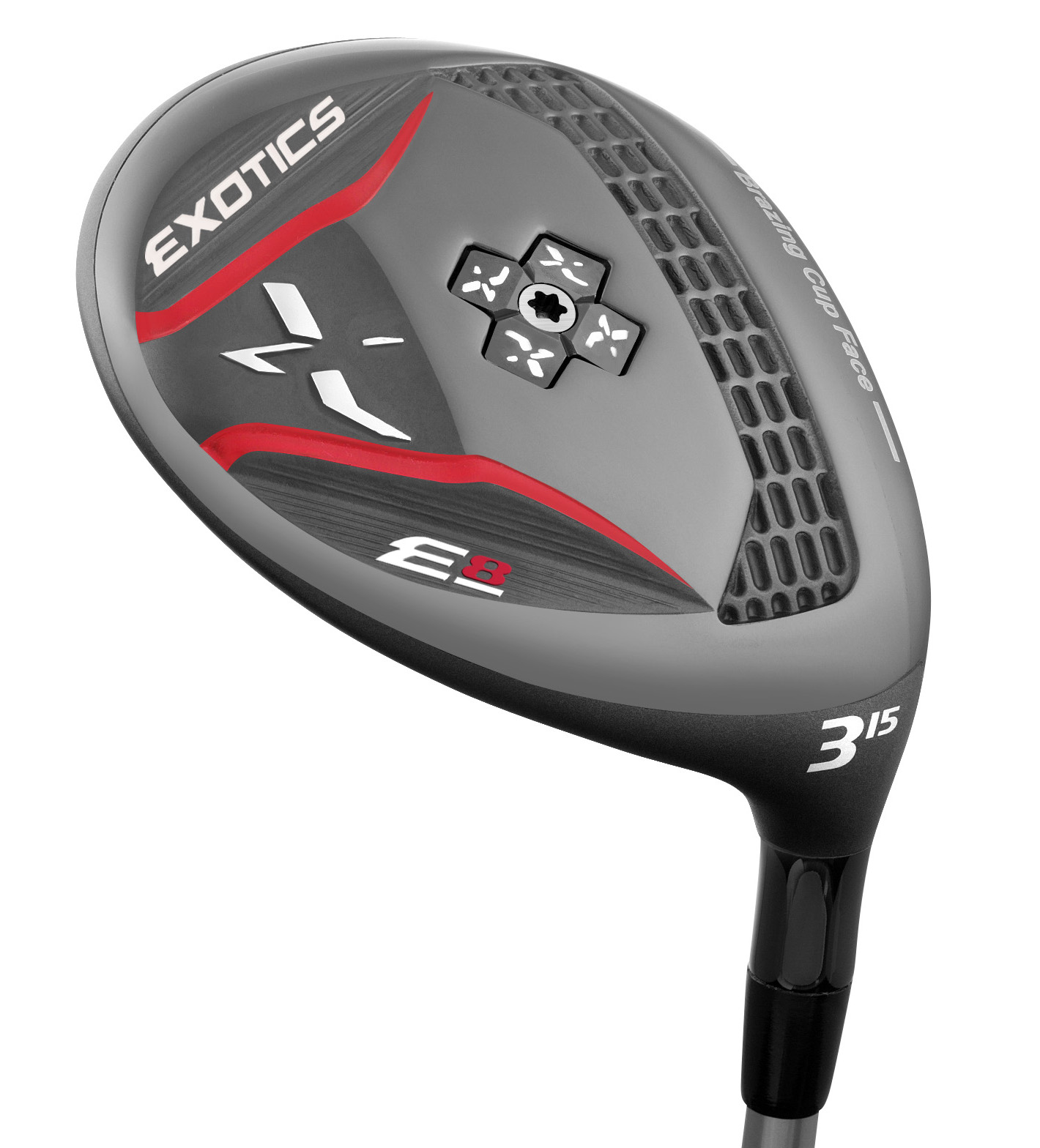
Exotics E8 Woods – What is there to say about the legendary Exotics fairway woods? The best just keep getting better. The new E8, E8 Beta and E8 Tour fairways are as hot and easy to hit as ever. As usual, the Exotics E8 was the most versatile, best looking and best feeling fairway wood I hit at the PGA Demo day. Those wanting a higher launch and a bit more spin to get the ball airborne will favor the E8 (185 cc) , while those that prefer a smaller head and lower spin will gravitate to the E8 Beta (175 cc). The E8 Tour fairways complete the lineup with a compact head size (150cc) and a fancy new manufacturing process called 360 degree robotic laser beam bonding to ensure very precise tolerances. Adjustable hosels (E8 Tour) and weight kits allow for a custom fit, and a multitude of shaft options are available. Prices range from $249 to $399.
Tour Edge Exotics E8 Fairway
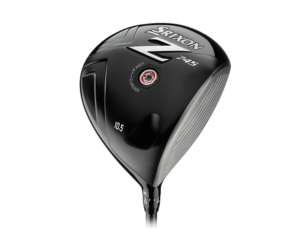
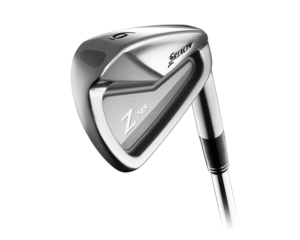
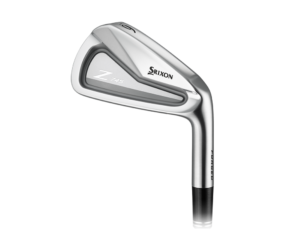
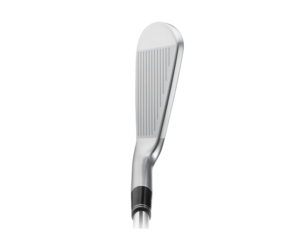
Srixon Z745 – In 2015, the parent company for Srixon & Cleveland Golf (SRI Sports) has repositioned the Srixon brand at the head of the table behind the popularity of their Q-Star and Z-Star golf balls. This year Srixon has released an entirely new line of irons and woods. I’ve had a chance to spend some time testing the Z745 Driver, ZF45 Fairways and Z745 irons, and I’ve come out impressed. Srixon haven’t jumped on the gimmick bandwagon with these clubs. Even though they are modern clubs with hot faces and have adjustable hosels and interchangeable weights, the look and feel of the driver and fairway woods is clean and simple. No fancy paint scheme or alignment marks, no flashy colors or crazy shapes here, just a classic look and shape. The forged cavity back irons have a familiar look that better players and purists will appreciate, and the polished chrome finish on the back edge of the irons reflects the turf, making the club appear thinner at address. The forged feel is solid and delivers great feedback, as expected from a forged club, while providing enough forgiveness for mid handicap players. Higher handicap players may want to try the Z545 driver and irons, which are built with more forgiveness than the Z745 line.
Srixon Z745 Driver
Srixon Z745 Driver
Srixon Z745 Irons
Srixon Z745 Irons
Srixon Z745 Irons
Biggest Surprise
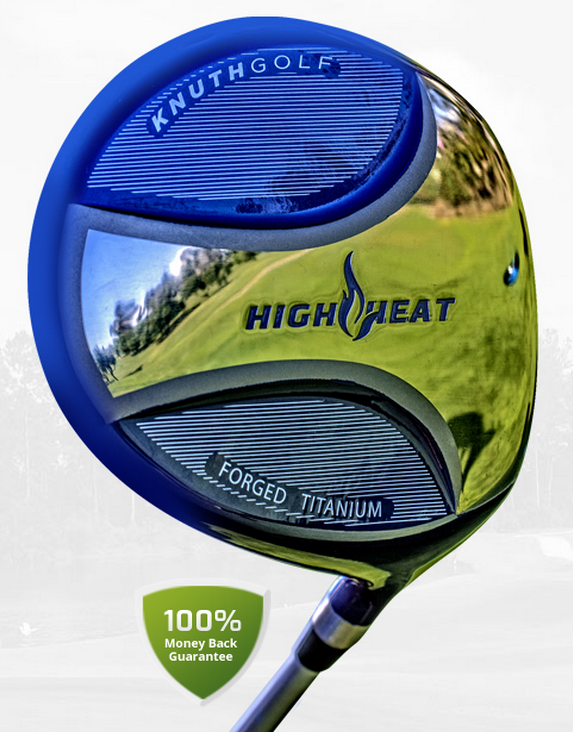
Knuth Golf High Heat Driver – Perhaps the biggest surprise of the PGA Demo Day, Dean Knuth (Known by many as the “Pope of Slope” for his role in creating the USGA’s slope rating system for golf courses) has introduced a new improved version of the High Heat driver he originally created in 2007. The High Heat driver has the lowest CG (Center of Gravity) of any driver on the market, and the company claims that the low, deep CG also makes the driver more accurate on off center hits than any other driver. If you are among the majority of golfers that tend to make contact slightly off center and lower on the face, this is very good news. Even if you make consistent contact, you need to try this driver! Having hit the High Heat myself, I believe their their claims. The High Heat driver hits the ball very high, very far and very straight. Available with Fujikura and Aldila shafts. $399 direct – www.knuthgolf.com
Biggest Disappointment
Honma Golf – The Japanese luxury club maker has a strong following in Asia for building top of the line, high performance clubs. If price was not a factor, Honma’s Tour World TW727 Driver, Fairways and TW727M forged blades might very well be in my bag. Being one of the few OEMs that manufacture their own shafts allows them tighter control over quality and the ability to make shafts specifically for their clubs. This advantage translates to better performance and more fitting options. However, given the price of their products they aren’t likely to become very popular in the USA or Europe anytime soon. Street price for the TW727 driver will be around $800 USD, and the irons typically sell for $275 per club ($2200 per set). There are other companies that sell premium priced clubs that compete with Honma, but sadly the elitist mentality and condescending looks I’ve gotten from the Honma reps at the PGA Show for the last several years has turned me off to the brand. Perhaps if I had a check in hand for $3000 I may have been treated better.
There are thousands of golf courses in the UK, meaning that no matter where you live you will always be within a short distance of somewhere good to play. Occasionally, good is not enough: you want the best. And we don’t blame you. That’s why we’ve created this list of the top 5 UK golf courses, so you don’t have to.
When you’ve checked out our top 5, make sure you head over to the Gamola Golf Course Finder to find fresh, quality courses in your local area.
Woodhall Spa (Hotchkin), Lincolnshire
The Hotchkin Course is in impeccable condition, with a stunning landscape of majestic trees, rich heather and gorse. Visuals aside, the course is challenging due to its tight fairways, rough and giant sized bunkers. The clubhouse offers great facilities and magnificent catering for afterwards.
St Andrews (Old), Fife
Scotland’s finest, St Andrews old course is rich in history as one of the oldest golf courses in the world, and the course where ladies golf began. Its 17th hole, the Road Hole, is one of the most famous holes in the world. The course itself is challenging, with various humps, bunkers and ripples hidden among the great expanse of land. St Andrews is a course to be played at least once, preferably more.
Royal Birkdale, Merseyside
Royal Birkdale has a rich noble history and has hosted many championships in the past. Each hole runs through stunning landscapes of sand dunes and heather, and the course itself is extremely challenging due to tight fairways, deep bunkers, rough greens and sea gathered wind. The course itself is in excellent condition and each hole is varied, suiting the course to all players.
Royal Birkdale is famous for hosting many championships and its stunning course. Navigating through sand dunes, heather, narrow fairways and rough in the blustering wind is no easy feat, making the course challenging but rewarding for players of all abilities. The course is kept pristine, providing a gorgeous view for dining in the clubhouse.
Royal County Down, Newcastle, NI
Set in the Murlough Nature Reserve, the scenery surrounding Royal Country Down is breath taking. Towering over stands the Mourne Mountains, while the fairways are lined with purple heather and golden gorse. The course is challenging, demanding great accuracy and strategy, or perhaps just a caddie’s knowledge.
Murfield Golf Club, East Lothian
Murfield is a world famous golf course, known for hosting major championships both nationally and internationally. Unlike traditional links courses, Murfield routes around a hill, giving little protection from the Scottish weather. The course is tough, but good shots are rewarded fairly. Both the course and the clubhouse are immaculately kept.
Every year the offices at intothegrain.com are bombarded with cool gadgets, gifts and products for review. While some of these products aren’t ready for prime time, others immediately get us excited and some even manage to surprise us. With the holidays fast approaching, I thought we could highlight a few of the best gift ideas we’ve seen come through the offices this summer. Happy shopping!
BOOM Swimmer Bluetooth Speaker
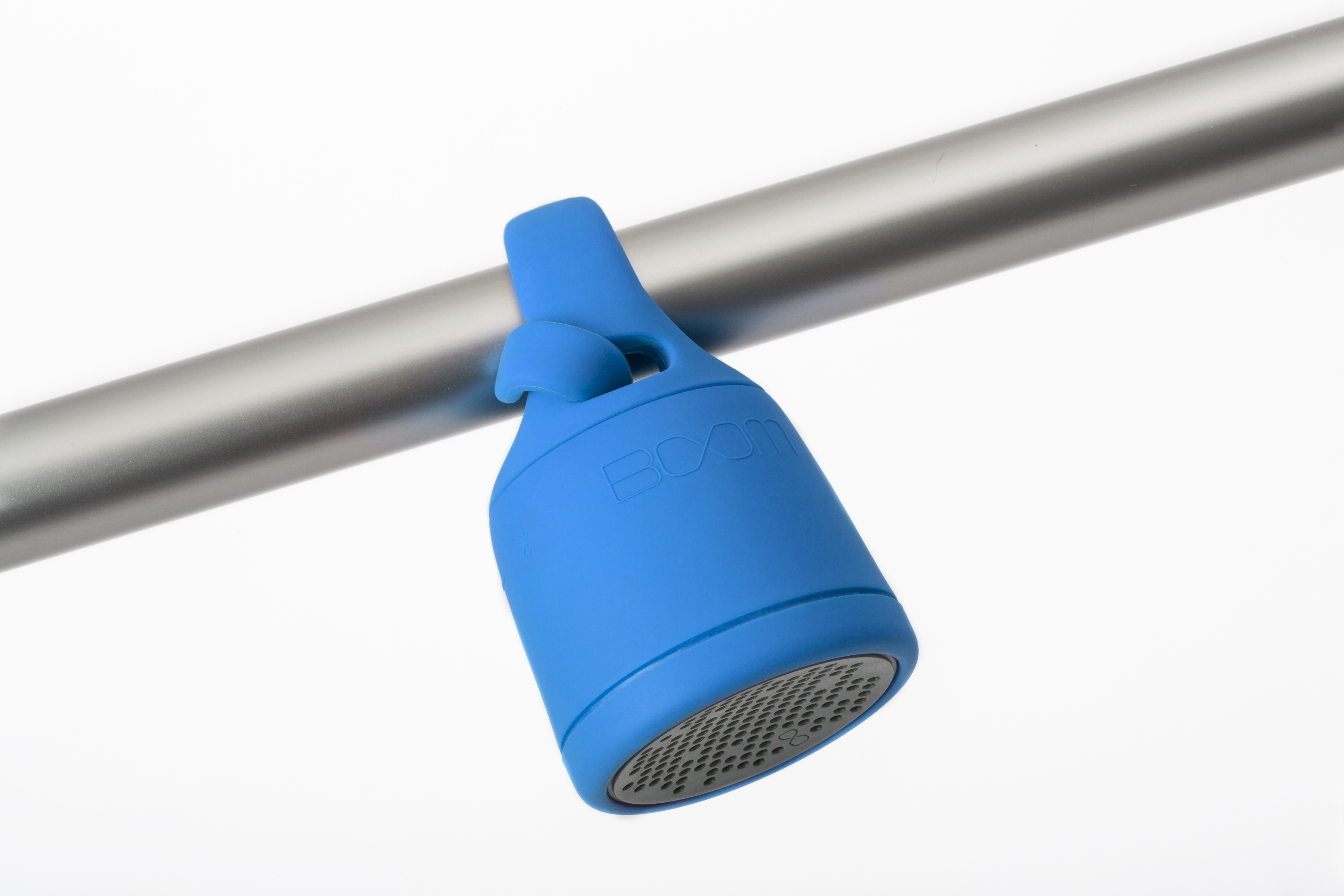
Boom is a perfect name for this small bluetooth speaker. It’s loud! We were very surprised by the level of volume and quality of sound coming from the little BOOM Swimmer bluetooth speaker. The flexible tail attachment is great to hang it from your golf bag or the cart and enjoy tunes while you play or practice. It even has a suction cup mount, and when attached to a glass surface it amplifies the bass. Did we mention the BOOM Swimmer is waterproof? Selling for $59, this is the last portable bluetooth speaker you’ll ever need.
Golf Etiquette Quick Reference
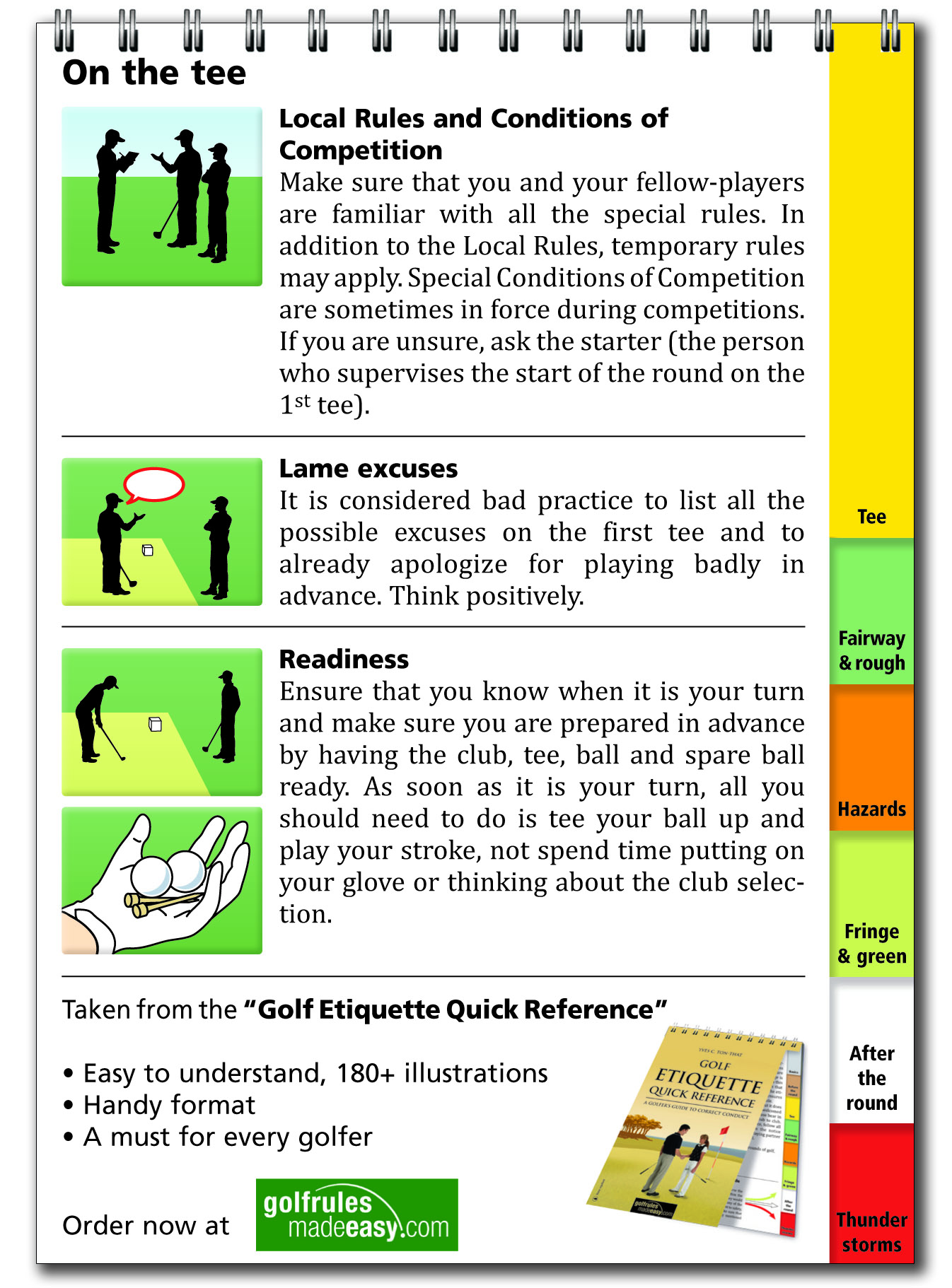
I believe golf pros are genuinely interested in helping new golfers learn the game, but I don’t think we do a good enough job teaching people the rules and etiquette of the game. We’re all at fault for this, and I see plenty of golfers that could use a refresher course from time to time. I usually carry a pocket size USGA rule book in my bag to end arguments about the rules, but what about etiquette? Enter the Golf Etiquette Quick Reference! This easy to read guide gives you all the info you need to conduct yourself properly on the golf course. I’m talking to you, “crossing into my fairway to hit your crooked tee shot without regard to my group” guy!
Gary Player DVD – A Game for Life
Gary Player is probably the greatest non-American golfer ever. He’s seen it all and been to every corner of the globe as an ambassador to this wonderful game. So when he speaks, people listen. Gary is almost 80 years old, but he’s in better shape now that I’ll ever be. Also considered one of the best bunker players of all time, now he’s sharing his lifetime of knowledge with his new DVD set called A Game for Life. Pop this 3 DVD set in, sit back and absorb the greatness.
Green Sleeve
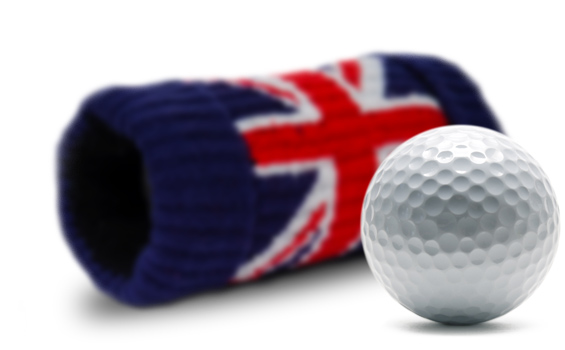
I always thought it was pretty cool to play golf with a caddy, and even if the average caddy can’t help me much with club selection, at the very least they will keep your clubs and golf balls clean. But for the 99.9% of us that don’t have access to a caddy when we play, there is a cheaper, faster solution. Greensleeve! This little microfiber sleeve is easy to carry in your pocket and does a great job at cleaning clubs and balls. It comes in many different colors and logos, and for $10, it won’t break the bank. Greensleeves are perfect stocking stuffers. Get a couple!
Voice Caddy
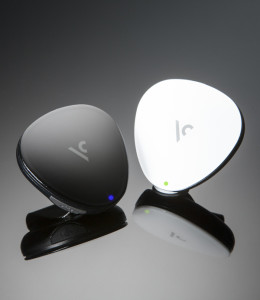
We’re big fans of any invention that allows us to be lazy makes life easier for us. Isn’t that the reason for every good invention? Instead of subscribing to a GPS service or trying to read a dimly lit screen in the bright sunlight, or trying to shoot the flag with some laser, why not leave the work to the Voice Caddy VC300? Just turn it on, clip it to the brim of your hat and it automatically finds the course and hole you are playing from a database loaded with over 30,000 courses. From there a simple button push gives you the yardage to the front, middle or back of the green. Simple and effective. $149
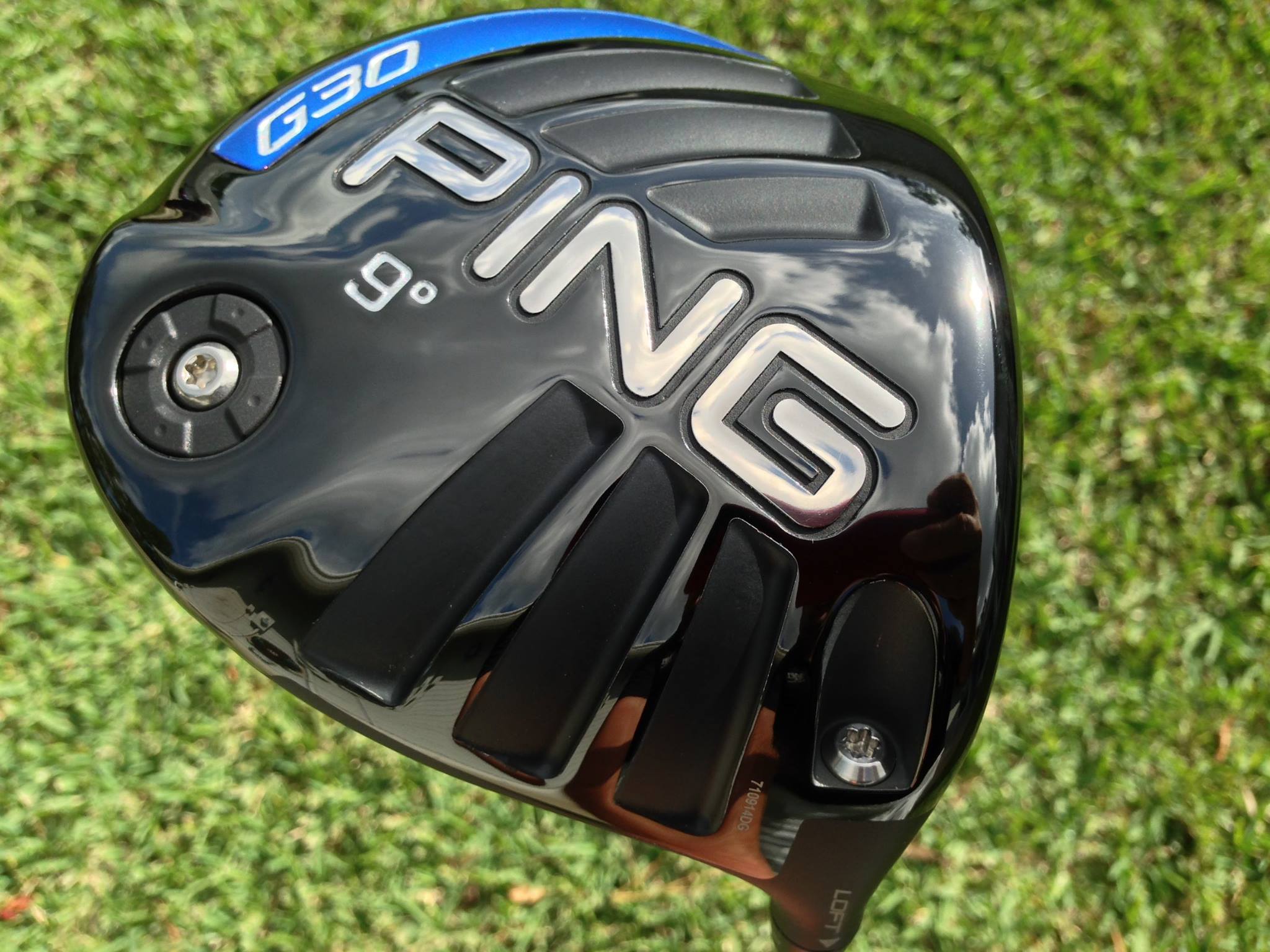
Ping G30 Driver
We’re still compiling launch monitor data and play testing Ping’s newest driver, but the early results are in, and the Ping G30 is a big winner. One tester hit half a dozen tee shots with it on the course and decided right there that he had to have one. I’ve played 72 holes with it and while I haven’t kept detailed stats, my observations are that the G30 is straighter and much more forgiving than my current gamer. Distance is on par with most of the competition as well but I feel I’ve gained a few yards because I’m simply hitting the sweet spot more often. Our full review is yet to come, but I’m all-in with Ping with this one. Simply put – The Ping G30 driver is the best driver I’ve hit in over 10 years.
Antigua 2015 Collection
Antigua doesn’t make clothing with flashy European designs and crazy colors. They make simple, classic, good fitting and well made shirts. Long a favorite of mine, they use high-tech fabrics to make some of the most functional and comfortable golf shirts on the market. Their latest collection expands on the popular Desert Dry line and is sure not to disappoint. My personal favorite is the 95% polyester and 5% spandex blend that feels like you are wearing Sheex performance bedding. It’s silky smooth and very comfortable.
Aldila Shafts
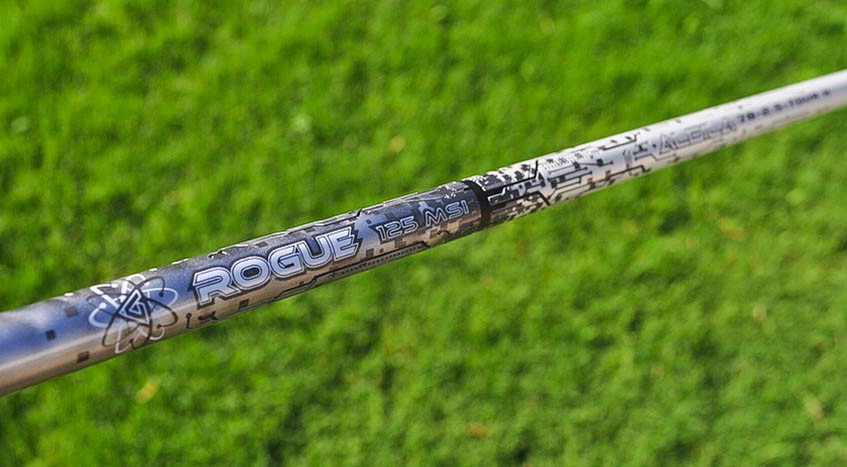
Aldila makes some of the most popular shafts on the professional tours. Young phenom Jordan Speith has won twice in the last two weeks using an Aldila Tour Rogue shaft in his driver. I’ve recently upgraded a few of my own clubs with the fantastic Aldila Tour Green shaft, and they have become more consistent and playable than every before. A new custom fit shaft is all you need to revive an old driver that you love, and I bet the price of a shaft upgrade from Aldila is still cheaper than a new driver!
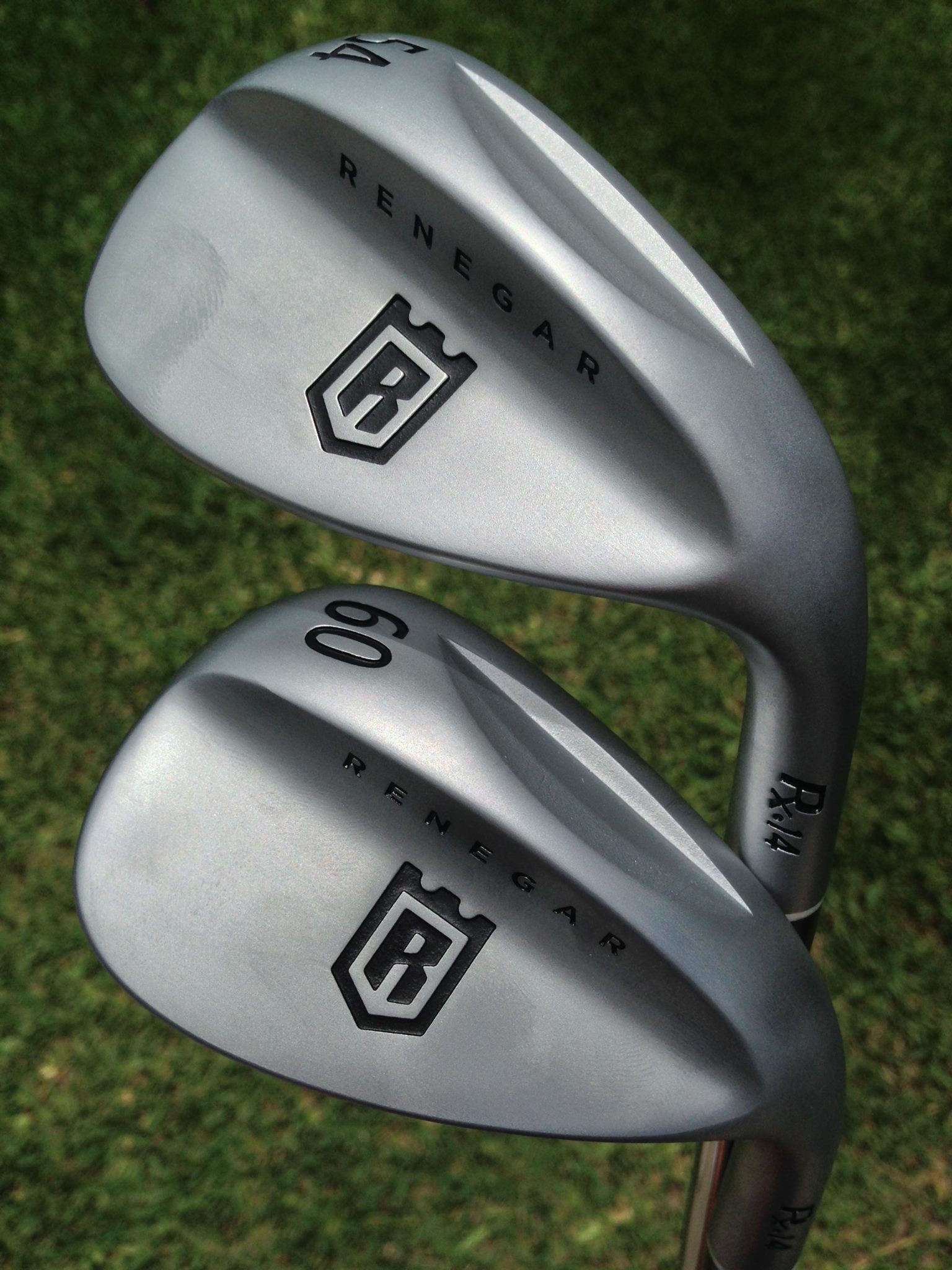
Renegar Wedges
Gene Sarazen invented the sand wedge in the 1930s, yet most modern wedges still use the same basic design. The problem with the design is simple. The larger flange of a sand wedge works great from the bunkers, but off the turf – not so much. With a standard wedge design the front edge of the wedge cannot slide under the ball because of that chunky flange (or bounce), leading to fat and thin shots. Renegar solved that problem with a unique, patented technology. The Renegar RX14 wedges feature the cut out sole design that simultaneously lowers the leading edge while retaining the bounce for bunker shots. The best of both worlds! I’ve been playing wedges with a similar (but not quite as effective) sole design for a long time, and it really works!
Aldila has been making graphite golf shafts for as long as I can remember, and has been one of the industry leaders for decades. Aldila is actually an Italian word that means “the next life” or “above and beyond” depending on the context. As manufacturing processes and materials continue to improve, golf shafts have become more and more precise and consistent. As of this writing, Aldila was leading the shaft count on the PGA Tour for more than 30 straight events.
The Aldila Rogue shaft is currently the most popular shaft on the tour, and while we didn’t get to test out the Rogue, we got our hands on its little brother – the Aldila Tour Green shaft for some play testing recently. The Tour Green shaft is a constant taper wood shaft that is designed to launch the ball on a mid-low trajectory with tight dispersion and a smooth, consistent release. Featuring their Micro Laminate Technology, the Aldila Tour Green will be more consistent from shaft to shaft than competitors.
Testing the Aldila Tour Green
We fitted the Tour Green in two clubs for testing. The first is an Adams Super LS driver (9.5 degrees) and the other is a TaylorMade SLDR Mini Driver with 14 degrees of loft. Our professional club builder Glen Belden fitted the shafts according to the manufacturer specifications and we saw a marked improvement in performance over the stock shafts in both test clubs.
In the Adams driver, the stock Fujikura Kuro Kage 60X shaft simply wasn’t stiff enough or consistent enough for the strong swinger that it belongs to. The Aldila Tour Green 65X shaft was able to bring down spin rates and the launch angle, eliminating the ballooning ball flight that sometimes plagued the golfer with the stock shaft. The owner also had to dial the adjustable face to the open position to counteract the tendency for the shaft to release early and hit the ball left. Once we got the Tour Green in there however, we set the club face back to square and the owner’s tee shots because more controllable and consistent. The Tour Green 65X did its job by bringing the trajectory down and the release is more predictable, leading to increased accuracy.
The next test subject was my TaylorMade SLDR Mini driver (14 degrees), fitted with the stock Fujikura Speeder 57S shaft. Since I play a heavier extra-stiff shaft, the 57 stiff was obviously inadequate for my 110+ mph swing speeds. Like the Adams Driver, I found the stock shaft to be wildly inconsistent at producing a repeatable ball. This was mostly due to the Fuji shaft not being stiff enough, but also because most OEM shafts are not ready for prime time. (See my footnote about this later.) I fitted the Aldila Tour Green 75X to the SLDR Mini and instantly transformed it. The Tour Green shaft turned the SLDR Mini Driver into a strong 3 wood that launched the ball on a high trajectory with low spin. The ball carries forever with this club, and the Tour Green shaft makes sure that the ball won’t balloon too high or with too much spin. The heavier weight of the Tour Green 75 shaft is perfect for fairway woods.
Conclusion
There isn’t much to say about the Aldila Tour Green shaft other than it simply performs as advertised. It gives the golfer a lower launch and lower spin for stronger players, without feeling “boardy” or too heavy. The Tour Green also has a sister shaft called the Tour Blue that has a slightly softer tip section for a higher ball flight. Both shafts are available through national retailers and custom club fitters for around $249. If you want to upgrade to the latest tour-proven technology and breathe new life into that 2 year-old driver, spending $249 for a new shaft will probably be a better investment than plunking down $400+ on yet another new driver making promises it can’t keep.
Footnote on OEM Shafts
In my experience of testing dozens of clubs every year since the mid 90s, I’ve learned that most stock OEM shafts are garbage to be perfectly honest. While the brand names are familiar, the shafts are mass produced and along the line the quality control process is scrapped to cut costs. I don’t mean to pick on the big guys, but my club builder has several 50 gallon drums full of OEM shafts from Callaway & TaylorMade that were pulled from clubs to be replaced with shafts that are properly fit to the player. Most of the shafts that are pulled from these clubs show huge variations in stiffness, weight and frequency readings, which explains why Joe Golfer can hit his buddy’s identical driver great, but his performs awful. It’s hard to know if the club you buy will have a good shaft nowadays, but you can give yourself a better chance of success by staying away from the stock “off the shelf” shaft when buying a new driver or fairway wood. Instead, go to the local golf shop and get fitted for the right shaft by a qualified fitting specialist, then order the driver with that shaft as a custom option. It may cost a bit more, but you’ll be more likely to get the right fit and get the most out of your investment.
International Teen Stars Headline LPGA Q School Finals Field
Teen golf sensations Charley Hull of England and Minjee Lee of Australia will be two of the major headliners at the final stage of LPGA Qualifying School in early December. They are among 155 players who will be trying to earn their LPGA cards for the 2015 season. As usual, the five-day event will be played on the Hills and Jones course at LPGA International Golf Club in Daytona Beach, Florida, the home of the LPGA’s headquarters. The top 20 finishers will earn full playing status on the tour for next year. The next 25 finishers will earn limited playing status.
Charley Hull is currently the 34th ranked woman player in the world according to the Rolex rankings. She turned pro at the beginning of 2013 at the age of 16. She has played full time for the last two seasons on the Ladies European Tour and has received several sponsor invitations to play in LPGA events. Last year she played on the winning European team in the Solheim Cup where she became the youngest player ever (at 17) to compete in Solheim Cup competition.
Minjee Lee from Perth, Australia, is also 18 years old. She became the number one ranked woman amateur golfer in the world in February of this year after winning the Oates Victorian Open on the ALPG Tour. She had a strong finish this past summer in the U S Women’s Open and in July she played on the Australian team in the first edition of the LPGA’s International Crown team competition. She turned pro in September and earned her first check as a golfer at the Evian Championship where she finished tied for 15th place. She is currently the 79th ranked woman golfer in the world.
Other notables to watch for at Q School…
Stephanie Meadow from Northern Ireland: This University of Alabama grad turned pro in June, just before the U S Women’s Open. She finished 3rd and earned $271,000 in her first event as a pro.
Ariya Jutanugarn from Thailand: She is the younger sister (19) of LPGA player Moriya Jutanugarn. She suffered a shoulder injury last year which required surgery and has limited her playing time.
Several current LPGA players will be returning to Q School this year. They are players who did not finish the season in the top 100 on the tour’s money list and will be trying to maintain their full time playing status for next year by finishing in the top 20 at Q School.
Among those players are Rebecca Lee-Bentham (Canada), Kathleen Ekey (U S), Chei Arimura (Japan), Vicky Hurst (U S), Lorie Kane (Canada), Meghan McChrystal (U S), Giulia Molinaro (Italy), Paola Moreno (Colombia), Ryann O’Toole (U S).
Many players in the field will come from the Symetra Tour. They will be looking to make the big jump up to the LPGA after working for one or more seasons on the LPGA’s official developmental tour. The top 10 finishers on the Symetra Tour’s money list this season automatically earned their 2015 LPGA cards.
The final stage of the 2014 LPGA Q School runs Wednesday, Dec. 3rd to Sunday, Dec. 7th.
About the Author: Dave Andrews is a Harvard-educated former television news reporter. Dave is an avid golfer who has become a fan of the LPGA and the Symetra Tour. He is the author of Pops and Sunshine, a novel and screenplay about life on the women’s tour. The screenplay has been optioned by a production company in Hollywood.
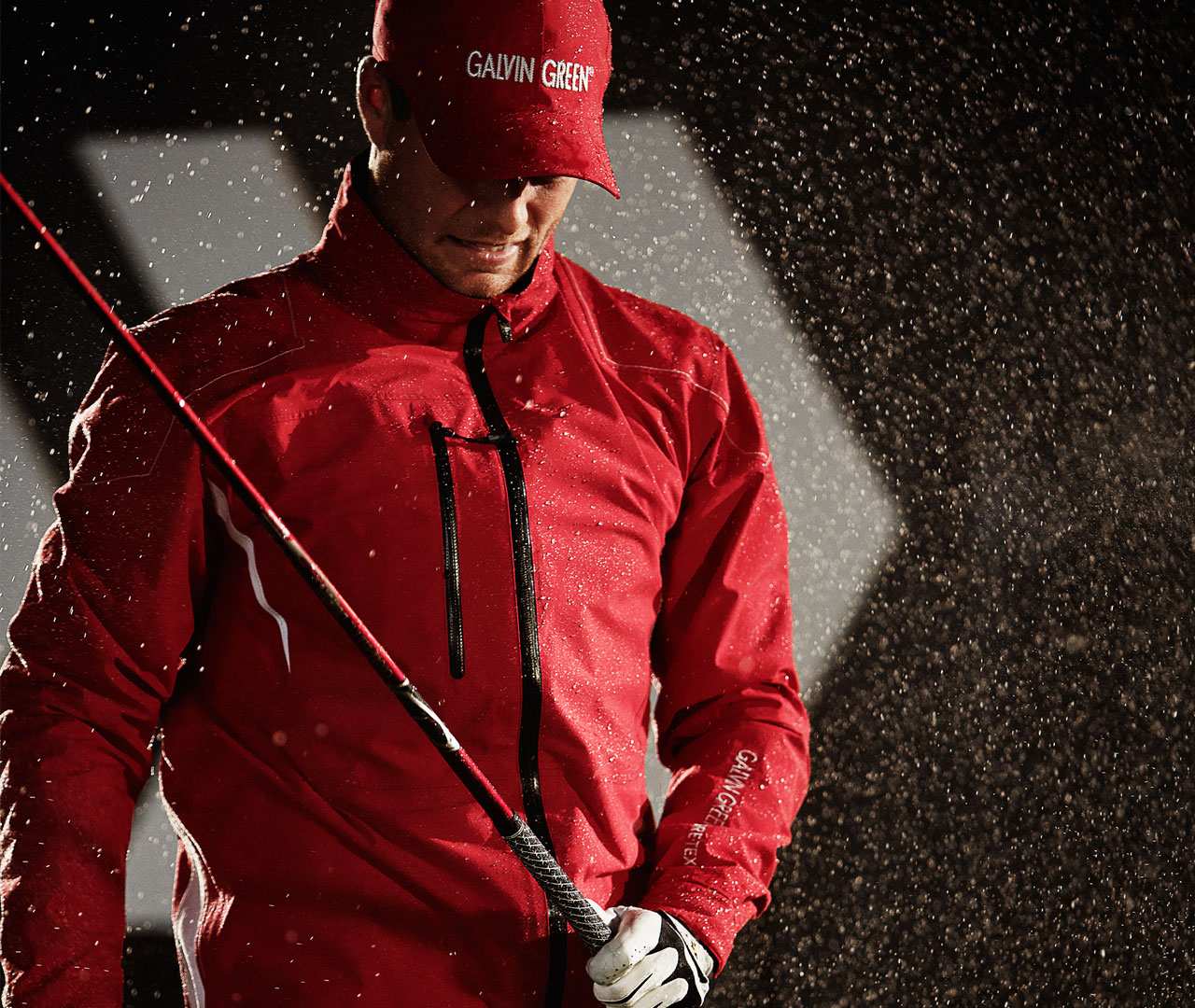
When it comes to playing golf in adverse conditions, it pays to be prepared. Most of the professional tours in the United States, Australia and South Africa follow the sun and the weather is usually good, but in Europe the conditions can be less than ideal. The players on the European Professional tours know this all too well. That’s why when choosing outerwear, they don’t compromise. Swedish outerwear company Galvin Green feels the same way. In fact, their company motto is “We never compromise!”
Many players these days are under contract to wear a certain brand of clothing, but those contracts don’t always include rain gear. It’s no surprise then that many players choose to wear Galvin Green outerwear in bad weather, even if they have to pay for the garments themselves. To me, the best endorsement of a product is when a professional chooses to use a product without being compensated for it. Most professional golfers take their equipment very seriously, so when given the choice to wear any rain gear or outerwear, they tend to choose the best performing garments, and those garments are made by Galvin Green.
History
Galvin Green has been around in Europe since 1990 and dominates the rain gear segment in the UK and Ireland, but they just entered the US market in 2013. They developed their products and positioned themselves as a market leader long before entering the largest golf market in the world, and they are targeting about 500 select golf outlets in the US to start.
Galvin Green specializes in golf only, and introduced the layering concept to the game over ten years ago. Continuing with this popular concept, they offer a complete line of garments that are designed to work together, starting with the base layer that the player wears against the skin, to the outer shell that repels wind and rain. Because they make clothing only for golf, they have incorporated design features that enhance performance for golfers without having to sacrifice function for casual or off-course wear.
One of the reasons that Galvin Green’s outerwear performs so well is their choice of high performance fabrics and textiles. Through a strategic partnership with W.L. Gore & Associates to use the iconic GORE-TEX and WINDSTOPPER products, they can design functional, light weight jackets and pullovers that are guaranteed to work flawlessly. What Galvin Green has done is merge the technical capabilities of mountaineering gear with style and function that golfers want.
I recently had an opportunity to tour the W.L. Gore & Associates manufacturing plant in Newark, Delaware accompanied by several members of the Galvin Green product, design and sales teams. It is there that I really began to appreciate the technology that goes into the fabrics used in their outerwear.
Caution! Science Ahead
Let’s start with the science behind GORE-TEX and WINDSTOPPER, the materials that turn ordinary garments into bulletproof wind and rain gear. WINDSTOPPER is a laminate, which means it is a kind of textile sandwich made up of several layers to form a fabric. The WINDSTOPPER membrane itself is made of ePTFE (expanded polytetrafluorethylene), a super light polymer that has 1.4 billion micropores per square inch of fabric. These micropores are 900 times larger than water vapor molecules, which allows water vapor to escape. Of course when talking about water vapor in relation to clothing, we mean body heat and sweat. The WINDSTOPPER membrane allows the fabric to breathe, keeping the wearer comfortable, while completely blocking the wind from getting in.
Inside the “Rain Room” at W.L. Gore & Associates testing GORE-TEX jackets. We stayed bone dry!
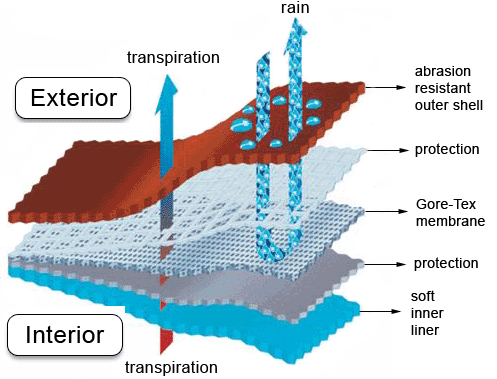
While WINDSTOPPER may do a fantastic job at blocking the wind and keeping you comfortable, but it isn’t waterproof. That’s where GORE-TEX comes in. The original waterproof and breathable fabric was invented back in 1969 by Wilbert L. Gore and his son, Robert W. Gore. In fact, it was discovered almost accidentally. PTFE tends to break when stretched slowly, and while experimenting with heated rods of PTFE, Bob Gore became frustrated and quickly yanked on the material. Unexpectedly, the PTFE stretched to about 800% of its original size, forming the microporous structure that soon became known as GORE-TEX. The ePTFE material is identical to that used in WINDSTOPPER, with one notable difference. The GORE-TEX membrane has much smaller pores, with over nine billion pores per square inch instead of 1.4 billion. The smaller pores of GORE-TEX completely prevent moisture from penetrating the outside making it fully waterproof and windproof, but slightly less breathable than WINDSTOPPER.
Variety
Now that the science lesson is over, what does all this mean for the consumer? The technology in the fabrics Galvin Green uses allows them to offer a variety of different garments and styles. They can outfit the golfer from head to toe with their multi layer system, which consists of four layers to adapt to any weather conditions. The base layer that is worn against the skin for compression and increased blood flow, the warm layer that provides insulation and warmth, the cool layer that gives the golfer breathability and UV protection, and the shell layer where the GORE-TEX and WINDSTOPPER fabrics provide weatherproofing.
The multi-layer construction of GORE-TEX laminate used in Galvin Green outerwear
Concentrating on the shell layer, Galvin Green offers two different GORE-TEX options. Their standard GORE-TEX jackets and pants are fully lined and provide warmth as well as being totally waterproof, and the other is called GORE-TEX Paclite. This jacket is kind of like a race car. They stripped out as much weight as they could to make it lean and mean but still outperform the competition. Paclite is an ultralight 100% waterproof shell that weighs less than 300 grams. It is perhaps the best option for most golfers to keep in their golf bag for adverse weather conditions.
Many of the styles offered with GORE-TEX and Paclite are also offered in WINDSTOPPER versions. My personal favorite is the Bond WINDSTOPPER body warmer. It is a full zip vest that allows freedom of movement in the arms and a snug fit to help the golfer swing freely while still providing warmth and protection from the wind.
Most of the garments Galvin Green makes have several unique and innovative features that help them stand apart. For example, their jackets are cut longer in the back to provide more coverage due to the natural bent-over posture of golfers at address. They also place tabs on each side of the chest and neck to adjust the fit for those wanting a snug feel. The jackets seldom have pockets, because golfers simply don’t need them. This also makes for a better fit, lighter weight and less “bunching up” during use.
GORE-TEX membrane as seen under an electron microscope.
It used to be that you could get rain jackets and pants in any color, as long as that color was black. Galvin Green broke the mold with typical European flair by offering rain gear and outerwear in many colorways. As an example, the Aron GORE-TEX Paclite jacket has seven different colors to choose from, with the August pants also offered in four colors to allow for some degree of matching. Not only that, but the entire collection of shirts, pants and accessories offer matching color schemes for a truly complete collection.
Price & Guarantee
Galvin Green makes arguably the best performing golf outerwear on the market. The partnership with and manufacturing process required for W.L. Gore’s certification means that Galvin Green garments that use GORE-TEX and WINDSTOPPER are guaranteed for the life of the garment or they’ll repair, replace or refund your purchase price. In exchange for this performance guarantee, the consumer pays a premium price. For example – the full zip, Aron GORE-TEX Paclite jacket mentioned above will cost around $450, and the half-zip WINDSTOPPER pullovers will go for about $250.
Style & Fit
Galvin Green still makes their garments to fit primarily the European market, which is to say that they have a very slim fit. This can pose a problem for those of us who are larger in stature or eat too much pizza, like me. Thankfully they make larger sizes to accommodate us. I normally wear an XL golf shirt and sometimes have to move up to XXL, but I had to move up to a XXXL in Galvin Green’s Ventil8 shirts and outerwear. I don’t really care what the label says as long as the garment fits, but a more true-to-size fit would be easier on the self esteem for many Americans. I am told that there may be separate sizing for the American market coming. For now, you’ll just have to size up for the best fit.
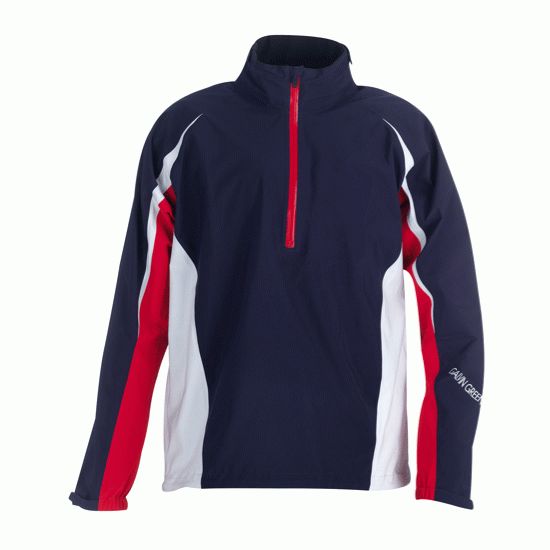
Galvin Green Adler GORE-TEX Paclite jacket
Final Thoughts
It may sound ludicrous to some to shell out over $1000 for a rain jacket and pants, but if you live in a part of the world where bad weather is frequent, top notch outerwear it is a good investment. As I mentioned before, European Tour players have been seen running into the pro shop to purchase Galvin Green GORE-TEX jackets during tournaments where the weather turned bad. Considering the build quality, advanced materials and waterproof guarantee that these GORE-TEX garments have, with proper care your investment will last you many years, even decades. If you are looking for the best performing, best constructed outerwear on the planet for golf, look no further than Galvin Green.
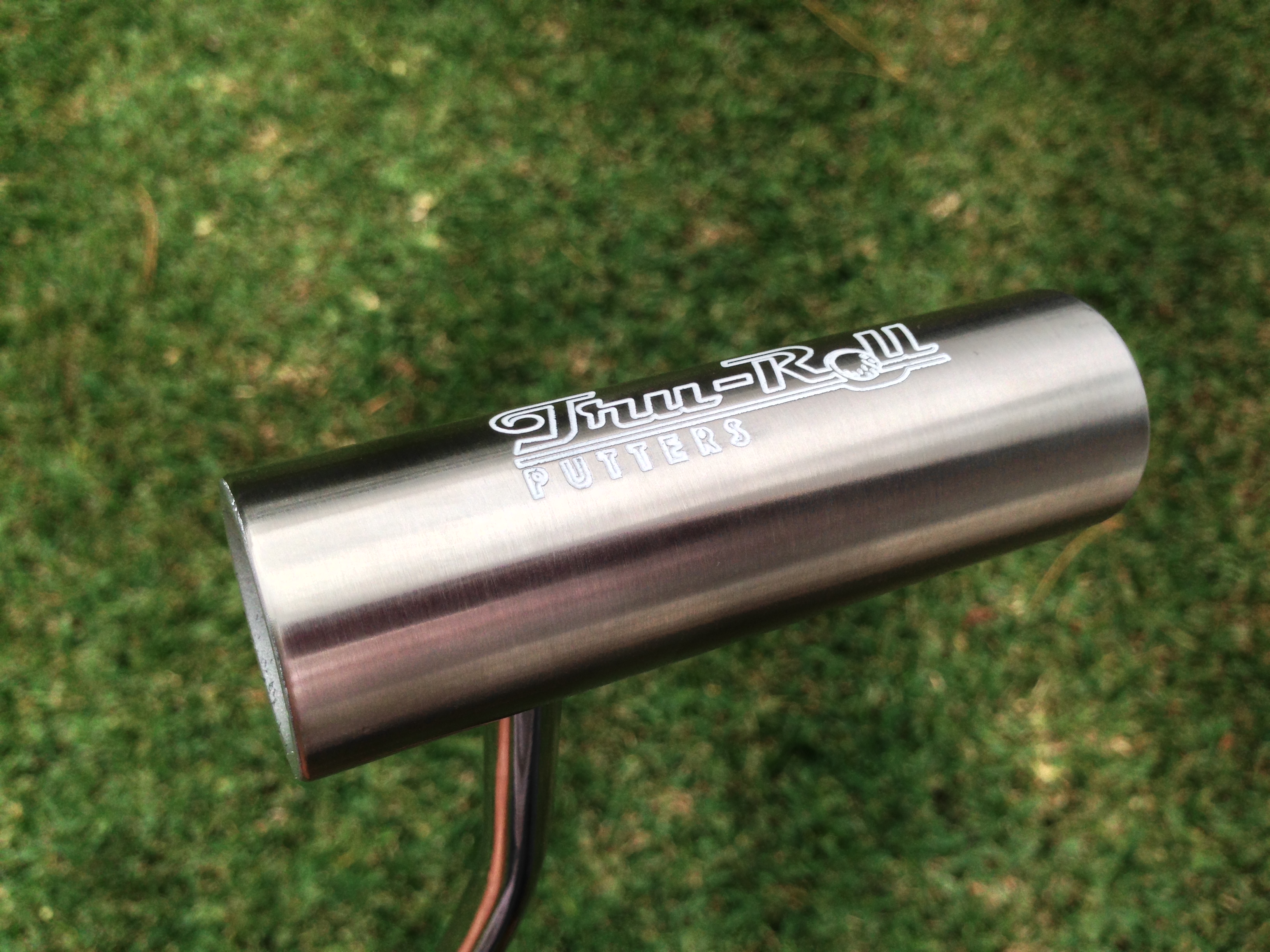
Every year at the PGA Show in Orlando, a few new products are awarded with awards for their innovation and design. In 2014, Tru-Roll Putters won the Top Buyer’s Choice Award. Given the volume of products on display every year this is quite an accomplishment. On the putting green during the PGA Demo Day when I met Sheldon Long, the inventor of the Tru-Roll Putter, I overheard several people talking about the product and nobody had a bad thing to say about it. The Top Buyer’s Choice award reflects observation. The design and concept of the Tru-Roll putter is simple – to get the ball rolling immediately.
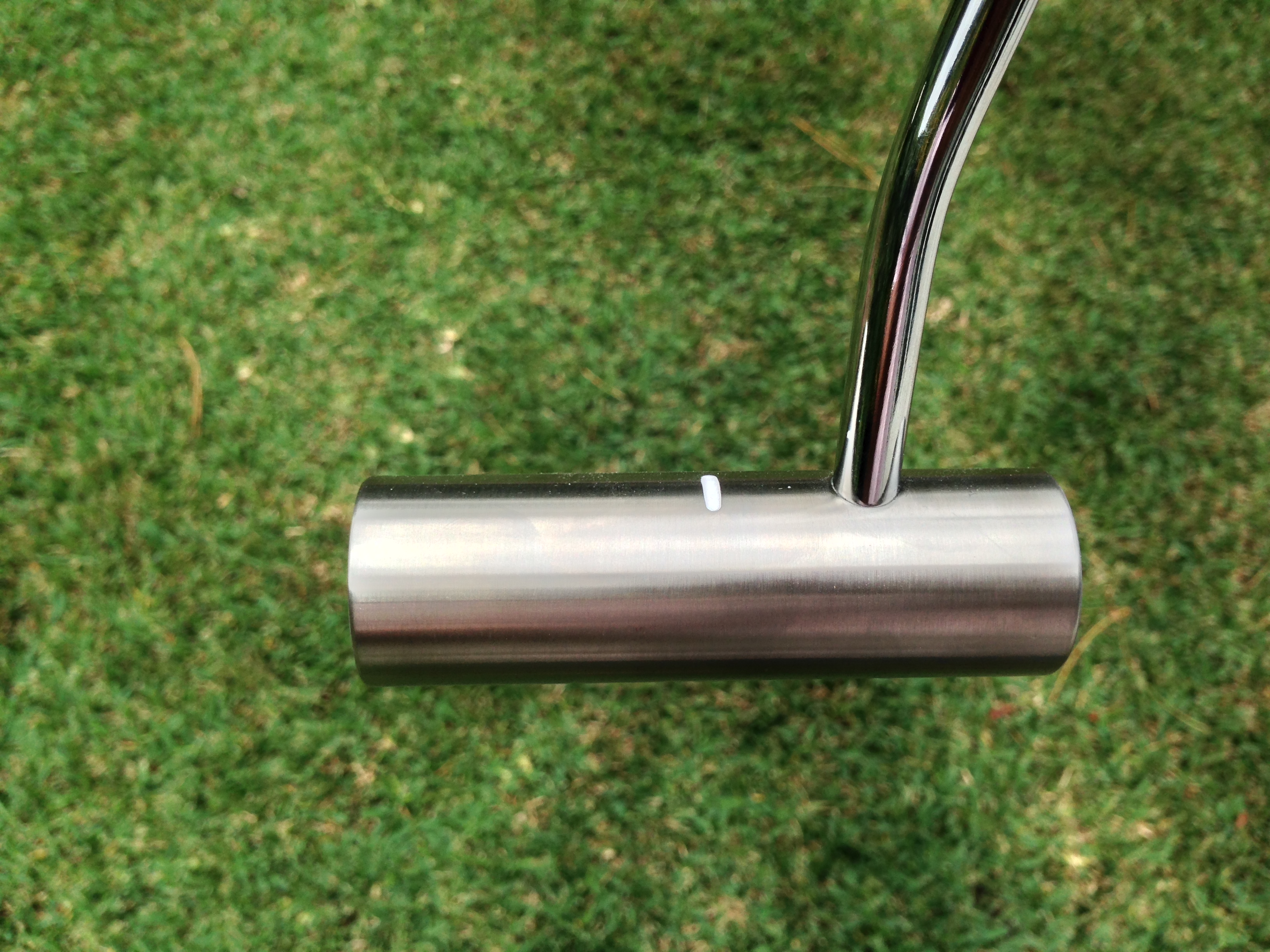
The barrel shape of the Tru-Roll putter is a unique look and takes a bit of getting used to, but the design is clean and functional. There aren’t any over the top graphics or alignment aids to distract you, just a single line denoting the sweet spot and a brushed metal head. My tester was the TR-II satin putter, which has a single bent shaft, but other models offer a standard plumber’s neck hosel or straight center shaft.
By making the putter a metal tube shape instead of the traditional flat face with loft, Tru-Roll arrived at a design that consistently strikes the ball at the equator, regardless of your hand position. You can have a forward press or lock your hands slightly behind the face at address like PGA Tour player Zack Johnson, it doesn’t matter. The Tru-Roll putter will strike the ball with the same face angle and roll the putt the same way every time. The concept of a round tube putter is similar to the way a cue ball is used to roll balls across a pool table.
During play testing, I found the Tru-Roll putter to be most effective on faster greens. The ball tends to come off the face with slightly less perceived energy than a standard putter because the ball starts rolling much faster. With a traditional flat faced putter, on a long putt the ball becomes airborne temporarily, then skids for a while and starts to roll a few feet down the line.
Once I adjusted to the way the ball comes off the face I was rolling putts with very consistent speed. The nature of the design make it very forgiving on off center hits and less than perfect strokes. People who sometimes scuff their putts or tend to top the ball a bit will find the Tru-Roll putter will help them.
Because the putter head is not cambered or curved on the bottom, the putter lies very flat against the ground, which can be an issue if the lie angle isn’t fit properly for the golfer. A proper fit is always important for putters, and this putter is no exception. The other thing that takes getting used to is the rounded face. Since the face sits slightly in front of the shaft on my TR-II model, alignment was a little awkward. The TR-I model with an offset hosel would probably fix that.
Mr. Long has created a very simple and very functional putter that will help just about anybody roll the ball better and more consistently.
In recent years we’ve seen a huge boom in ride-sharing companies like Uber, Lyft and a few others that let regular folks like you and me use your car in your spare time to offer people rides for money. It’s like a taxi company with a diverse fleet and direct to consumer payment system. The idea has spawned similar business models for home sharing vacationers with services like Airbnb where people can turn their extra bedrooms into a hotel or rent their entire home to travelers, and spinlister.com for bicycle sharing.
GimmeClubs.com
Now that peer-to-peer sharing concept is coming to golf with www.gimmeclubs.com. Gimmeclubs.com is an online marketplace for golfers to rent out their golf clubs to others that don’t have any or may not want to travel with their clubs. Unless you play golf seven days a week, chances are your clubs sit in the house or garage collecting dust for most of the week. Why not let them make money for you by renting them out?
How many times have you played golf with rental clubs? At most courses the rental club offerings are underwhelming, beat up and poorly fit to most golfers. What if you had an option to pick your rental set from a wide variety of local golfers that take care of their sticks? That’s the allure of a system like gimmeclubs.com. The concept is still in the concept stage, but the founder plans to go live in the coming months (late 2014)
So How Does It Work?
Gimmeclubs.com will be the hub that connects golfers with each other to rent clubs or make their clubs available for rent. The lister will set up a page for their clubs with pictures and descriptions, and they name their own price for rental, with gimmeclubs.com taking a percentage as the middle man. The lister can even set up a calendar of days that their clubs are available and unavailable.
Renters can search for clubs using parameters like location, brand, shaft flex and shaft type and can send messages to the renters to make arrangements. Rentals can be daily or weekly and the renter accepts responsibility for the clubs while they have them. Damages to the set will be paid for by the credit card on file, and gimmeclubs.com will also provide insurance to cover damage up to $2500.
Using a review system to rate your experience from both sides of the transaction helps to keep things honest and ensure the best possible results for future transactions. As a bonus, you can earn a free sleeve of Titleist golf balls for every five referrals.
Who Is This For?
GimmeClubs.com can be a great way for casual golfers to make a few extra bucks while their clubs sit idle, and if you are like me and have several extra sets laying around, why not have them making money for you instead of collecting dust in the garage?
For travelers, you can save time and money by leaving your clubs at home on your next trip. Baggage fees are going up and golf travel cases are a pain to drag around the airport. If you could find a good quality, properly fit set of clubs to rent at your destination, wouldn’t that be the better option? The money you spend to rent clubs will be offset by the savings in baggage fees and less hassle when traveling.
Log on to www.gimmeclubs.com and sign up! The next time you travel to central Florida, I’ll be happy to rent you my clubs!
The driver is the most popular club in many people’s bag, and the one club that consumers change the most often. This is why you see the massive marketing campaigns for each new driver that golf club manufacturers release. I’ve seen the game evolve in the last 20 years on the professional tours as equipment technology advanced. The predominant course management strategy is the bomb-and-gouge method where distance takes priority over accuracy. The idea is that one would rather hit a wedge from the rough than a 7 iron from the fairway.
My own game is proof that the bomb-and-gouge approach can work for better players. Using the awesome new golf tracking device from GAME GOLF to track my stats over the last 18 rounds of golf, I am sporting a scoring average of 72.1 despite hitting only 47% of the fairways. While I would love to be more accurate off the tee, I know it hasn’t hurt my game too much to be in the rough, as I still managed to hit 66% of greens in regulation over that span.
The problem is – Most average golfers can’t create the kind of club head speed to hit the ball out of rough with control like the PGA Tour pros and low handicap amateurs. So how can you improve your driving accuracy? Don’t believe the hype of that new driver that promises more distance, accuracy and forgiveness! The most obvious answer is by using something other than a driver off the tee.
SLDR Mini Driver
For the last few months I’ve been experimenting with a couple of clubs from TaylorMade adidas Golf (TMAG) that are designed as alternatives to the driver for those that are seeking more accuracy off the tee. The first is TaylorMade’s SLDR Mini Driver. TMAG noticed that tour pros and low handicap amateurs hit their 3-wood off the tee far more often than in the fairway, so they used that data to create a new club that fits somewhere in between the two. At 260cc, the SLDR Mini Driver is bigger than a typical fairway wood but far smaller than the average 460cc driver. The shaft is also a little bit longer than a 3-wood at 43.5″, compare to a driver’s modern standard at 45″. The SLDR Mini is available in 12, 14 or 16 degree lofts.
TaylorMade sent me an SLDR Mini with 14 degrees of loft, and I eventually re-shafted it with the awesome new Aldila Tour Green 75TX shaft. (More on that later) The idea for me was that the SLDR Mini could replace my old Adams RPM 3-wood. With its larger head and deeper face, the SLDR mini is easy to hit and more forgiving than a standard 3-wood off the tee. The sole design also makes it easy to hit from the fairway, despite the bigger head size. This club hits bombs. I was easily getting 10-15 yards more carry than my Adams RPM 13 degree 3-wood, and the SLDR Mini was a joy to hit off the deck too. Even though I seldom hit 3-wood off the fairway, I know I can pull off just about any shot with it. For golfers looking for a club they can hit almost as far as a driver with greater accuracy, the SLDR Mini will be a godsend.
Tour Preferred UDI – Ultimate Driving Iron
The second driver alternative I’ve been messing around with is TMAG’s Tour Preferred UDI – Ultimate Driving Iron. The UDI is a hollow construction 450 carpenter steel faced driving iron that was designed to deliver distance and playability of a hybrid with the control and workability of an iron. Many of TaylorMade’s staff pros played the UDI at the British Open to help control ball flight in the wind. The UDI comes in 16, 18 and 20 degree lofts.
The old saying goes “Only god can hit a 1-iron”, but that isn’t true any more. I’ve always loved hitting long irons, and have never been a fan of hybrid clubs, so I had a feeling I would love the Tour Preferred UDI 1-iron. To make room for the UDI (16 degrees) in my bag I took out the 18 degree Cleveland Launcher DST hybrid I’ve had for a few years. I have been hitting it for a couple of months and my numbers with it have earned it a place in my bag on most days. Over a testing period of 18 rounds, the UDI 16 is averaging 251 yards off the tee with a long of 294 yards and fairway accuracy of 71%. Considering the stock KBS Tour C-Taper Lite shaft is too weak for my swing speeds, I think that accuracy number will go up a bit with a properly fit shaft. As you would expect from a 1-iron, the ball flight stays very low and hot, with very low spin.
The UDI is a great driver alternative on courses that play firm and fast, especially for the better player who can swing aggressively and find the sweet spot on a consistent basis. While the UDI is pretty easy to hit, the lower ball flight and more traditional iron-like shape and size may be more difficult to hit for mid to high handicap golfers. This is exactly why hybrids were created in the first place. What’s the difference between the UDI and a standard hybrid? As mentioned above, the UDI has the flat face and smaller size of an iron for control and workability with a hollow cavity and low CG for distance and some forgiveness. A typical hybrid club will have a slightly rounded club face like a wood and will offer a higher ball flight and slightly longer shafts for more distance.
Conclusions
The SLDR Mini is still a bit of an enigma for me, mostly because I may hit it too far in stock form. I know what you are thinking – what a good problem to have, right? With its longer shaft and higher ball flight compared to my regular 3-wood, I find the distance gap between the 3-wood and 5-wood is too great at about 25 yards. What I did to fix this is re-shaft the club and cut half an inch off the playing length. The new Aldila Tour Green 75TX shaft I installed at 43″ reduced the carry distance by 5-7 yards while increasing accuracy for me. With a little more testing and tweaking, I’m confident that the SLDR Mini Driver may become my new strong 3-wood.
The Tour Preferred UDI 16 degree 1-iron is an instant favorite for me, but it won’t have a full time spot in my bag due to the specialized nature and lack of versatility of a 1-iron. Simply put, the UDI isn’t useful for me in softer conditions or on a longer golf course. The UDI 1-iron hits the ball very low and straight, so it will be used almost exclusively off the tee. I’ll play it on tighter courses, windy days or in dry conditions when the ball is rolling out. Since most courses in Florida play soft and lush, the UDI will probably be swapped in and out of the bag as needed with the 5-wood or 3/4 iron.
The bottom line is, if you struggle off the tee, one of these two options could be a game changer. The SLDR Mini Driver is a legitimate driver-replacement option for all golfers, and the Tour Preferred UDI gives better players a deadly long-iron replacement option for tight courses and firm or windy conditions.
For the last few years I’ve observed what I think is a transformation in the golf industry. I believe that innovation and technology has hit a wall with regards to equipment, largely because of the limits on performance imposed by golf’s governing bodies. Nowhere is this more evident than in the golf ball market. Having tested “tour” level golf balls from just about every major manufacturer in the last 6 months, I concluded that they all perform about the same. I started seeing this trend while participating in Golf Digest’s annual “Hot List” testing. Some of the best performing golf balls we tried often turned out to be the cheaper versions of “tour” level balls that cost significantly less.
This lack of innovation in the equipment market has led entrepreneurs to think outside the box and come up with new game improvement technology over the last half decade or so. The market is now flooded with swing trackers, launch monitors and distance measurement devices. One of these new products is called GAME GOLF, and it is the world’s first automatic shot tracking system according to creators of the device.
GAME GOLF is a GPS-enabled game tracking device that you wear on your belt. It comes with sensors (or tags) that you attach to your clubs by screwing them into the hole in the top of your grips. They provide 18 tags in case you have some other clubs rotating in and out of the bag on occasion. To use the device, you simply turn it on and go. GAME GOLF comes pre-loaded with over 35,000 courses and finds the course you are playing automatically. From there, you simply pick your club, tag the device and hit your shot. GAME GOLF will record your location, club selection, shot results, distance and more as you play your way around the course.
When you get home simply attach the GAME GOLF unit to your computer via the included USB cable and upload your round to the web. From there the GAME GOLF website will show you a map of your round via satellite imagery, statistics for the round, distances for each shot and much more. During the upload process you can edit your round details in case you forgot to tag a shot here and there, or if the GPS was a little off from your location. You have full control before your round becomes official and you save it.
One of the great features of GAME GOLF is the social aspect of the platform. Once your round is posted, you can share the results on Facebook and Twitter. Other players using GAME GOLF that follow you will get notifications of your round and can comment on it. There is also a nifty challenge feature that lets you and other golfers using GAME GOLF to compare stats over a number of rounds for bragging rights. In a sense, there’s no hiding your game’s deficiencies with this thing! After 4 or 5 rounds you’ll start to see where your game needs the most improvement, and if you share, so will your opponents.
Let’s take a closer look at GAME GOLF, how it works, what I liked about it, what I don’t like and what’s in store for the near future…
How It Works
I don’t mean to over-simplify this, but it really is almost foolproof to use GAME GOLF. The main tracking unit weighs next to nothing and attaches to your belt. It only has one button to turn it on or off. There’s no screen or controls to worry about. You simply put it on, turn it on and play golf. There is one sensor assigned to each club in your bag from the driver down to your putter, with a few extra wildcard tags thrown in for extra hybrids or whatever.
When you turn on the unit, the GPS sensors find your location and the devices loads the golf course automatically. When you get to the first tee and tag the device with your driver, it locates you via GPS and is smart enough to know where you are. From there it awaits your next tag. When you arrive at your tee shot and tag the club you will use for your approach shot, it calculates the distance your tee shot traveled from the last tag and uses GPS location to determine if you hit the fairway, rough, bunker, etc. In a way, the GAME GOLF device is like having someone follow you around and track your statistics in real time. As you play your round, the device uses the info it gathers to track stats like drive distance, fairways hit, greens hit, average putts per green, scrambling percentage and more.
When you get home you’ll plug the unit into your PC using a USB cable and upload the round to the GAME GOLF web portal. From there you can check the round to make sure the score is correct, edit your shots for greater accuracy and add the shots you may have forgotten to tag in the process of playing. Once your edits are finished you’ll “sign” your round which makes it official, and it is posted for the whole world to see. From there you can share the round with friends and compete in challenges with other GAME GOLF users.
What I Like
GAME GOLF is easy to use. The stats you can gather using the device are plentiful and powerful to help you improve your game. Once you get about 10-12 rounds in the system you really start to see good numbers on average distance for each club in your bag and where you tend to miss with each club. For example, I’m hitting only 43% of the fairways with 34% of my misses going left and 22% missing right. This system is awesome at identifying where you need to improve and giving you some solid data to measure your progress.
The social aspect of GAME GOLF is also a great way to keep in touch with your buddies across the country or compare your game with the pros. Graeme McDowell and Lee Westwood frequently use GAME GOLF during their practice rounds and it’s easy to compare your stats to theirs. For example, my scrambling percentage is 53%, compared to 62% for McDowell and 65% for Westwood.
GAME GOLF was approved for use by the USGA, meaning that you can use it for handicap rounds and tournament rounds alike. The unit doesn’t provide any information to the user in real time so you cannot gain an unfair advantage by using it, unlike competing products which require the use of your phone with the sensors. Don’t get me started about phones on the golf course…
What I Don’t Like
The tagging process takes some getting used to. It is suggested that you change your pre-shot routine to include the tagging process, but I prefer tag the shot after I hit. That way I don’t have to change my routine at all. I simply hit my shot, then before putting my club away I’ll tag the shot and move on. On the putting green I like to tag the putt while marking my ball so I don’t have to worry about it later, and on tap-ins I’ll quickly tag it while reaching for the ball in the hole or add it later when I forget.
For the system to work properly you have to tag your club to the head unit to register the data. Failure to do so results in incomplete data when you upload your round. For example, if you tag your tee shot on a par 4 but forget to tag the second shot, then hit the green and two-putt for par, when you upload the round it’ll appear that you drove the green and two-putted for birdie. Thankfully you can edit your round and add the missing approach shot, but you’ll have to remember what club you hit and how far away you were. Forgetting to tag a shot happens most often on tap-in length putts, as I alluded to above. It’s pretty easy to add them in after the fact when editing your round, but unless you have a photographic memory of all the shots you take like I do you had better not miss too many tags or your round will be a mess to clean up.
There are two things that make GAME GOLF so easy for me to use: I’m a scratch handicap so I don’t take as many shot as the average golfer, thus fewer tags and less info to remember when editing a round, and I’m an IT professional so I am very computer savvy. For me, the editing process takes about 5-10 minutes for a round. I’ll go hole by hole and check everything for accuracy, adding shots I forgot to tag or the system didn’t register properly. For some users the process may take longer, especially at first.
More Observations
I played a round of golf at a mountain course in North Carolina that had been re-routed at some point, because when I tried to upload my round in GAME GOLF the scorecard was completely erroneous and the holes didn’t match up in the correct order. Armed with the course scorecard, I emailed the GAME GOLF support team and worked with them to correct the course layout and scorecard in their system. With a few emails back and forth we had the information updated and my round was accurate. The support staff seem to have their stuff together and are very responsive.
Prepare to check your ego at the door. The accuracy of measuring distance with GPS may be debatable, but so far with over 15 rounds in the system I can say that the average distances of almost every club in my bag are right about where they have been for years. Many people over-estimate how far they hit the golf ball, which is why most approach shots come up short. GAME GOLF may hurt your ego a bit when you realize that your average drive is 25 yards shorter than you think, but I’m here to give you actionable data to help improve your game, not stroke your ego. For the record, 24% of my approach shots taken from outside 100 yards come up short, compared to only 4% that go long.
What’s Next?
GAME GOLF is constantly evolving as a statistics and game tracking platform. The social aspects of it have just started to scratch the surface of their potential, and new features are going to be available via firmware updates to the device. As more people join the community, more opportunities arise for sharing of information and competing with one another. I would love to see some PGA Tour caddies using it to track their players’ stats during tournament play, and more pros on all tours take part in sharing rounds with the public. I could even see some kind of virtual golf tournaments take place using the platform. The possibilities are endless for this kind of technology.
TaylorMade adidas Golf (TMAG) is at it again with a new set of irons called the RSi. TaylorMade fitting specialists found that 76% of all iron shots as mis-hits. We all like to think we’re better ball strikers than that, but it simply isn’t the case. To combat off center hits and their distance robbing effects, the crazy golf minds at TMAG have taken the “speed pockets” technology they’ve used in previous irons and woods (like Rocketballz) to help thin shots and moved the slots to the left and right sides of the face to produce more of a springy effect on mishits and more distance.
“Face Slot Technology provides greater consistency across the face, giving players improved performance on mis-hits,” said Tomo Bystedt, TaylorMade’s Director of Product Creation for Irons, Putters & Wedges. “No golfer is perfect, not even the best players in the world hit the center of the club every time. So with RSi, we’re giving all golfers a technology that can help their mis-hits perform more like pure strikes.”
These new Face Slots are in the 3-8 irons and sit just outside the score lines on the face. The slots are cut all the way through the face and the cavity is filled with an epoxy compound. The slots allow the face of the club to flex and generate higher ball speeds for more distance on those mis-hit shots. The RSi irons also retain the speed pocket on the bottom for higher ball speeds on thin shots, so these irons will have a large sweetspot and offer plenty of forgiveness.
There are three models of RSi irons. Below are TaylorMade’s descriptions of each:
RSi 1: RSi 1 features TaylorMade’s Advanced Face Design – an engineering feat that incorporates the company’s thinnest face ever, a deep undercut and Inverted Cone Technology (to extend the COR zone) in order to promote greater ball speed. In addition, a stabilized head structure and multiple dampening systems resulted in improved sound and feel. The new Reax 90 steel shaft from True Temper helps optimize ball flight for max distance and performance.
RSi 2: The most resounding characteristic of the RSi 2 is the Progressive Multi-Material Construction. The 3-5 irons are cast from 450 stainless steel with tungsten weighting to promote a lower CG and slightly higher flight. The mid irons (6-7) are cast of 450 stainless steel, as well. The high-strength material allowed engineers to make the face thinner, undercuts deeper and accommodate slot technology. The short irons (8, 9, PW) incorporate forged faces to promote feel and accuracy; and the wedges are completely forged, giving them the look, feel and workability desired by better players. RSi 2 irons come stock with the all-new KBS Tour 105 shaft.
RSi TP: The RSi TP irons combine the forged look and feel preferred by better players with Face Slot Technology. An advanced two-piece construction merges a premium 1025 forged carbon steel hosel/face with a 431 stainless steel back using plasma welding in the 3-7 irons. This construction provides the precision and feel of a forged iron with the advanced geometry of cast irons – delivering the best of both worlds. The short irons (8-PW) are classic forged heads with a slight muscle cavity. RSi TP irons come stock with the Tour-proven KBS Tour Steel Shaft.
Some of TaylorMade’s tour staff are likely to put the RSi TP irons in play later this year. We will post a review of the clubs as soon as we get our grubby little hands on a set! For more information go to www.mis-hitshappen.com or www.taylormadegolf.com.
Titleist fans, the long awaited day has finally arrived. The new 915 driver, fairways and hybrids have been launched, and they are sure to bring a smile to your face. It is well known that Titleist only introduces new clubs about every two years, focusing on measured improvements and quality rather than marketing and sales volume. Titleist is also one of the few companies that has a very strong green-grass presence, meaning they can be found in most golf course pro shops. The new clubs should be available in pro shops starting on November 14, 2014.
Offerings
915D2 Driver – 460cc full pear shaped head designed for maximum forgiveness and a slight draw bias.
915D3 Driver – 440cc pear shape for workability and 250 rpm less spin than the 915D2 for a flatter peak trajectory.
915F Fairways & 915H Hybrids – larger profile for all-around performance and maximum forgiveness
915Fd Fairways and 915 Hd Hybrids – Smaller head shapes for workability and forgiveness with a slightly lower launch and spin.
In other words, the 915D2 driver, 915F & 915H are for everyone, and the 915D3, 915Fd & 915 Hd are for the better players.
Technology
The 915 drivers feature the new Active Recoil Channel (ARC), which is a long and deep sole channel that flexes at impact to launch the ball off the face with higher speed and less spin. It is similar in design and concept to the slots found on Nike, Taylor Made and Adams woods.
The Radial Speed Face is a forged face insert with thinner perimeter in the heel and toe which works with the ARC to increase ball speeds on off-center hits.
All the woods have a high-MOI design with a low, deep center of gravity that gives you forgiveness and stability for more consistent distance, even on off-center hits.
The new woods also retain the SUREFIT hosel that allows the loft and lie to be adjusted independently of each other for a more precise fit.
Specs
The 915D2 Driver is available in 7.5, 8.5, 9.5, 10.5 and 12 degree lofts. 915D3 is available in 7.5, 8.5, 9.5 and 10.5 lofts.
915D2 and 915D3 Driver stock shafts are Aldila Rogue Black 70 (mid-launch), Aldila Rogue Silver 60 (lower mid-launch), Mitsubishi Diamana D+ White 70 (low launch), Mitsubishi Diamana D+ Blue 60 (mid launch) and Mitsubishi Diamana D+ Red 50 (high launch)
915F features a full pear profile (175cc) for maximum forgiveness. The large profile provides confidence and produces a slightly higher flight versus the 915Fd. It is offered in five lofts (13.5º, 15º, 16.5º, 18º and 21º), including a new high-lofted 16.5º 3-metal and new 18º 5-metal.
915Fd, with its traditional pear profile (160cc), is workable and forgiving. The compact profile delivers slightly lower launch and spin versus 915F. 915Fd is available in 13.5º and 15º lofts.
The stock fairway shaft lineup includes the Aldila Rogue Black 80 (mid-launch) and Mitsubishi Diamana D+ White 80 (low launch), Mitsubishi Diamana D+ Blue 70 (mid launch), Mitsubishi Diamana D+ Red 60 (high launch).
915H has a subtle pear profile (118cc) that provides confidence at address. The fuller, rounder profile delivers maximum forgiveness and slightly higher launch and spin versus Hd. 915H is available in 18º, 21º, 24º and 27º lofts.
915Hd is a slightly offset, small pear (107cc) that delivers distance with shot control through a flatter trajectory and less spin (about 120 rpm) versus the H. 915Hd is offered in 17.5º, 20.5º and 23.5º lofts.
The stock hybrid shaft lineup includes the Aldila Rogue Black 85 (mid-launch) and Mitsubishi Diamana D+ White 90 (low launch), Mitsubishi Diamana D+ Blue 70 (mid launch), Mitsubishi Diamana D+ Red 60 (high launch).
Photos
Enough tech-talk, let’s see some more pictures. Lots of pictures!
The 2014 Ryder Cup is upon us, and our friends at SpreadEx.com have come up with a cool infographic to celebrate the matches at Gleneagles in Scotland. Below is a neat breakdown of both teams and their past performance. If you are like me and enjoy a few friendly wagers, this info may help you. The world of online sports betting continues to grow, and if you want to get in on the action you may want to check out SpreadEx!
(Click on the graphic below to zoom in for a full screen view)

 Golf movies are tough to rate when comparing them with mainstream action or comedy flicks. Most of the golf films we’ve seen in the past have used the game of golf as a metaphor or simply a means to tell another story. For example, Tin Cup was a love story about a golf pro from West Texas that qualifies and contends for the US Open Championship, all in an effort to win the heart of the woman who is dating his nemesis. The Legend of Bagger Vance was another golf movie that used golf as a means to help the protagonist find his way and get his life back together after a traumatizing war experience.