Tag: PGA Tour

  • Against the Grain: July 17, 2026

    Against the Grain: July 17, 2026

    🔬 Bryson DeChambeau Shot 67 At The Open Using Clubs That Don’t Technically Exist Yet

    Round one at Royal Birkdale, and the man who turned professional golf into a personal science experiment just fired a 3-UNDER 67 using PROTOTYPE irons that aren’t commercially available, in steel shafts he specifically switched to for links conditions, attached to Krank woods that approximately ZERO other tour players use. His driver loft is SIX degrees. Some putters have more loft than his driver. (source)

    Here’s what makes this genuinely maddening: it works. He doesn’t just post podcast episodes about optimizing launch angles — he shows up at a major with irons his equipment rep probably printed out that morning and goes low. The steel shaft pivot is the part that should get more attention. Every other elite ball-striker on tour is chasing lighter graphite, more responsiveness, less weight. Bryson looks at firm links turf and goes “actually, steel.” And then shoots 67. There is no rational explanation for how he keeps being right.

    The Krank situation is its own thing entirely. He’s basically the only tour-level player running their woods, full stop. Most equipment brands would kill for a single tour staffer. Bryson looked at the entire endorsement ecosystem and said “no thanks, I’ll use the one company nobody else chose.” And the driver goes FOREVER. You can roll your eyes at the Extended Bryson Universe — the protein content, the lab, the podcast, all of it — but the equipment instincts are legitimately elite in a way that deserves more credit than he gets.

    The gap between “guy who thinks obsessively about this” and “everyone else” has never been more visible than watching him post a round-one 67 with clubs that don’t have a product page yet. Annoying that it works. Good for him that it does.


    🚲 Someone Rode An E-Bike Across The Greens At River Oaks CC In Houston And There Is Now A Manhunt

    The greens are cooked, every superintendent in Texas is in SHAMBLES, and whoever this kid is, he has achieved a level of notoriety that no amount of apologizing will ever fully undo. (source)


    ⚙️ Collin Morikawa Took His Irons To A Cart Path And Dragged Them Across It. On Purpose.

    Pre-Open prep included Morikawa literally scraping the leading edges of his irons along a cart path to simulate how firm links turf interacts with the club at impact. Not a metaphor. He found a cart path, crouched down, and ground his irons into it like he was sharpening something. (source)

    The logic actually holds up — links turf hits the leading edge harder than soft parkland grass, and recreating that contact before the tournament gives you real feedback on how the iron behaves. It still looks completely unhinged. Two-time major winner, crouching over a stretch of asphalt, running a 6-iron across it. The mental image alone is incredible.


    🏴󠁧󠁢󠁥󠁳󠁣󠁴󠁿 Tom Watson, Five-Time Open Champion, Is Just Wandering Royal Birkdale Dispensing Wisdom Like A Golf Gandalf And Nobody Asked For This But We All Need It

    Nobody requested this. Everyone wants it. (source)


    🤔 Has Scottie Scheffler Lost His Edge, Or Are We Just Desperate For A Story?

    The “has Scottie lost it” narrative is floating around Open week and it’s worth taking seriously for a second instead of just dismissing it. (source)

    Real take: Scheffler hasn’t lost anything. What’s actually happened is the field has spent two-plus years adjusting their approach specifically because of him. When you’re World No. 1 by a margin that embarrassing for that long, opponents stop playing their own game and start playing around yours. The question worth asking isn’t whether Scottie has slipped — it’s whether his margins have compressed. “Slightly worse Scheffler” still looks like “very good golfer” to everyone else, but it shows up differently on leaderboards.

    The more interesting point is what links golf specifically does to his game. Birkdale rewards a kind of creative, low-trajectory shot-making and course-management patience that’s genuinely different from the target golf he executes perfectly week to week on tour. His iron game is elite in any format, but links conditions expose everyone’s ceiling differently. If he struggles this week, it’s not an edge problem. It’s a format problem. Those are different things and the “has he lost it” framing collapses them into one.


    👟 FootJoy Just Dropped Their Annual Harris Tweed Collab And They Are, Once Again, Extremely Good Shoes

    Every year. Every single year. We say we’re not going to want them. We are always wrong. (source)


    🚗 MyGolfSpy Tested FORTY-TWO Drivers This Year And Someone Had To Finish Last

    Forty-two drivers. One finished last. The brand is not named here out of what can only be described as mercy, but it exists, it has a product page, and somewhere a marketing team is having a very bad week. (source)


    🎸 Noah Kahan Made A Hole-In-One And Immediately Treated It Like A Press Conference

    Folk music’s most famous sad boy went viral for an ace and then sat down with the Fore Play guys to give a full debrief. The energy was “athlete addresses the media after a playoff win.” Respect the commitment to the bit. (source)

    He’s got a sold-out arena tour, an awards season situation, and now an ace he gets to bring up at dinner parties until he’s eighty. Genuinely earned that one. The hole-in-one industrial complex welcomes another member.


    That’s the week. Bryson’s prototype irons are probably already obsolete — he’s definitely on version two by now. See you after the cut.

  • Aaron Rai Claims Stunning PGA Championship Victory; Scottie Scheffler Favored at CJ Cup Byron Nelson

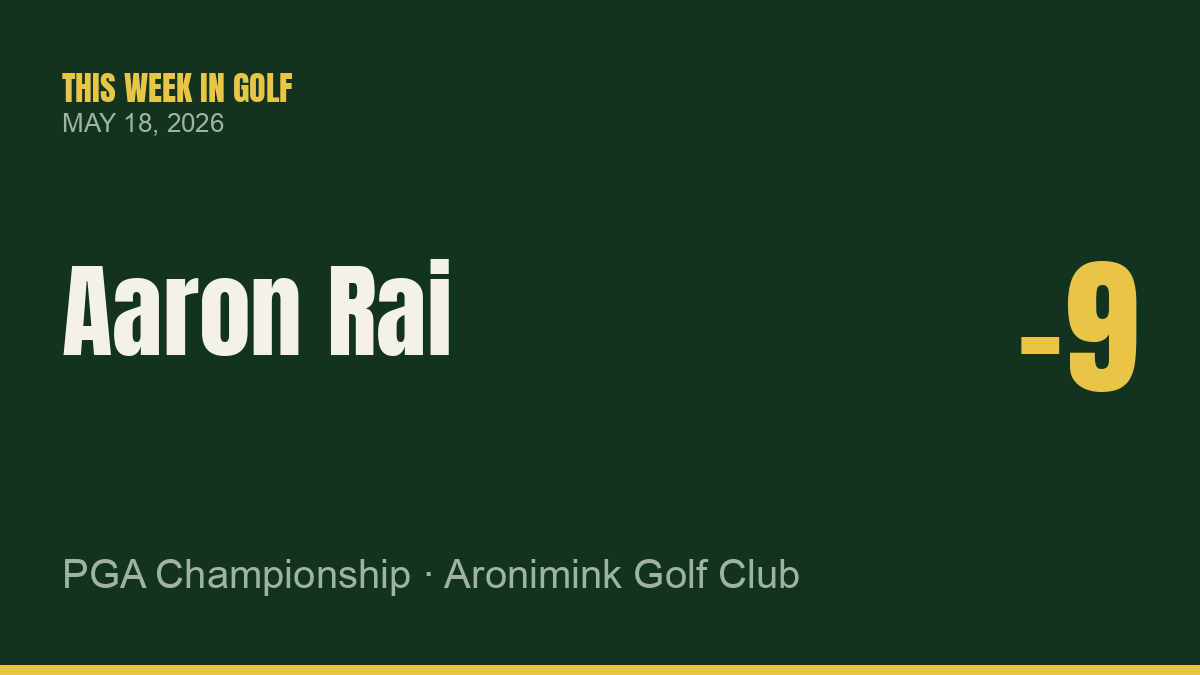
    Aaron Rai Claims Stunning PGA Championship Victory; Scottie Scheffler Favored at CJ Cup Byron Nelson

    There are moments in professional golf when something totally unexpected happens, and Aaron Rai gave us one of those moments this week. His PGA Championship win was genuinely shocking—the kind of victory that tells you as much about the person as it does about his golf game.

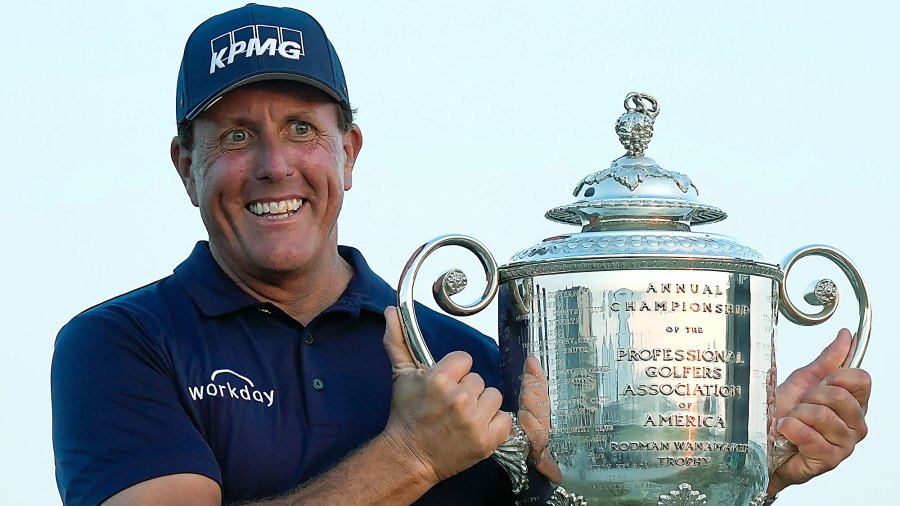
    The moment everyone will remember isn’t just Rai lifting the Wanamaker Trophy, but that 68-footer he buried to deliver the knockout blow. That putt felt like it carried the weight of all those years he spent grinding through the professional ranks.

    PGA Championship

    Aaron Rai didn’t follow the typical path to major championship glory. This guy uses head covers on his irons—not to make a statement, but because of how he was raised. “I grew up in very much a working-class family, and golf has always been a very expensive game,” Rai explained. “I started from the age of 4 years old, and my parents made a lot of sacrifices for me to be able to play this game.”

    Those head covers say everything about respect—for equipment, for opportunity, for the game itself. While everyone else chases distance and Instagram followers, Rai just quietly built a game on fundamentals and work ethic.

    His win proves something important: he’s a completely different kind of major champion. Majors aren’t won with flash—they’re won with precision when everything’s on the line.

    The week also brought up the ongoing mess in professional golf. Jon Rahm left the championship without answering LIV questions. Despite playing well, his silence about the tour split shows how the sport is still dealing with this divide.

    Justin Thomas had his own weird weekend. After a great Sunday round, he had to sit around for three hours waiting to see where he’d finish. “It was weird, man,” Thomas said about playing well but having to watch everyone else determine his fate. Golf’s like that sometimes—you can do everything right and still not control the outcome.

    Looking Ahead: CJ Cup Byron Nelson

    The tour heads to Texas this week, where Scottie Scheffler is the overwhelming betting favorite for the CJ Cup Byron Nelson. The odds make sense given how consistently great he’s been. But after watching Rai’s surprise win, those betting lines feel like a reminder that favorites don’t always win. We saw this earlier in the season when Cameron Young pulled off his own upset victory at THE PLAYERS Championship.

    LPGA Tour Action

    While the men’s major grabbed all the attention, the LPGA Tour played the Kroger Queen City Championship at Maketewah Country Club. The $2 million purse shows how women’s professional golf keeps growing, even when the men’s majors dominate the headlines. The consistency we’ve seen from players like Nelly Korda throughout the season continues to elevate the women’s game.

    Equipment Innovation and Industry Movement

    Away from tournaments, the golf industry keeps chasing those tiny improvements. Titleist released new GTS Driver technology, with detailed info from the Titleist Performance Institute. It’s funny—Rai won with old-school fundamentals, but the modern game runs on skill plus science.

    Getting properly fitted still matters more than most people realize. Recent work shows how swingweight, shaft, and loft changes can add 20+ yards right away. For weekend golfers, proper fitting is probably the fastest way to shoot lower scores.

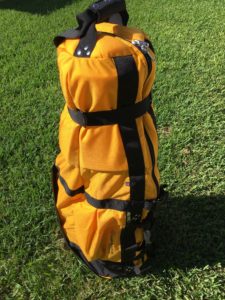
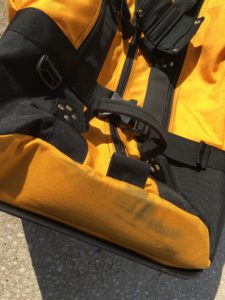
    If you’re planning a golf trip, protecting your clubs becomes pretty important. New reviews of the best golf travel bags show options for protection and convenience—essential if you’ve ever seen what baggage handlers do to golf equipment. For golfers looking to upgrade their equipment, our recent review of the Bushnell Tour V7 Shift rangefinder shows how modern technology can help with course management.

    The Bigger Picture

    Golf keeps its weekly rhythm with amateur golfers sharing their weekend stories online. These conversations about great rounds and frustrating struggles remind you that golf’s appeal goes way beyond what we see on TV.

    The business side keeps expanding too. Events like the Multi-Course & Resort Operators Retreat bring together the people who actually shape how most of us experience golf.

    In Spain, La Cala Resort will host the 2026 Andalucía Costa Del Sol Open De España, continuing Europe’s tradition of combining great golf with amazing destinations.

    Maybe the best thing about Rai’s win isn’t the putting or handling pressure, but how he built excellence over time. In a sport that’s gotten obsessed with instant results and social media, his victory quietly reminds us that the most meaningful wins often come from the least likely places—and sometimes the longest journey leads to the best ending.

  • Softspikes Strike Back

    Softspikes Strike Back

    I’m here to report that spiked golf shoes are making a comeback! Well, technically they never left, depending on where you play. You see, on the PGA Tour where every shot matters and one bad drive can cost you millions, spiked golf shoes are still dominant. PrideSports, makers of the Softspikes brand, reported that all four major winners this year wore Softspikes, 100 percent of the World’s Top 10 and 86% of 2022 PGA Tour winners wore replaceable spikes in their golf shoes.

    I remember when the spikeless shoe revolution started. In 2010 at the Mitsubishi Electric Championship at Hualalai in Hawaii, Fred Couples showed up wearing casual-looking spikeless golf shoes made by Ecco, and even though he shot 21-under in three rounds and lost to Tom Watson in a playoff, all everyone wanted to talk about was his shoes. A few months later he showed up for a Monday practice round with Tiger at the 2010 Masters Tournament wearing the same shoes and lit the world on fire. The spikeless golf sneaker revolution had begun.

    I admit, I was a sucker to the casual street/skater look and comfort that these new shoes offered, but the biggest attraction for me was not having to change shoes in the parking lot or locker room before playing golf. I could just wear my shoes out of the house, to the course and to the bar afterwards. In fact, I frequently wear my spikeless Puma Golf shoes to work. For years I’ve worn spikeless shoes knowing I’m sacrificing traction for comfort, but what I didn’t know was I was also giving up distance.

    In a study performed by Dr. Bob Christina (Prof. of Kinesiology at the University of NC Greensboro) & Eric Alpenfels (Director of Instruction and Golf Academy at Pinehurst Resorts), they found that wearing spiked golf shoes can result in an average gain of 6 yards of carry with a driver compared to spikeless shoes. 6 yards doesn’t sound like much, but in many cases that’s enough to hit one less club into the green, or to carry that fairway bunker you always find yourself in on the corner of that one dogleg par 5.

    The bottom line is, traction positively impacts performance. The pros know this. Softspikes has seen a steady uptick in usage among professionals since last year. We don’t know the percentage of amateur golfers that wear spiked shoes vs spikeless, but I suspect most amateurs are wearing spikeless shoes. For almost a decade I’ve worn spikeless shoes almost exclusively, but I’ll be switching back to spiked shoes and replacing the spikes in the few pairs I have with new Softspikes cleats.

    Replacement Softspikes and CHAMP cleats can be purchased in the golf section of most large retailers, sporting goods stores, golf specialty and golf course pro shops. Cleats can also be purchased online from any of these locations, your favorite online store or directly from www.softspikes.com.  

    PrideSports is the undisputed leader in the golf cleat segment with its CHAMP and Softspikes brands. The company recommends golfers change their cleats every six to eight months – or even more frequently based on use – to ensure golfers get the maximum performance out of their footwear. In my experience, twice a year seems like a good interval.

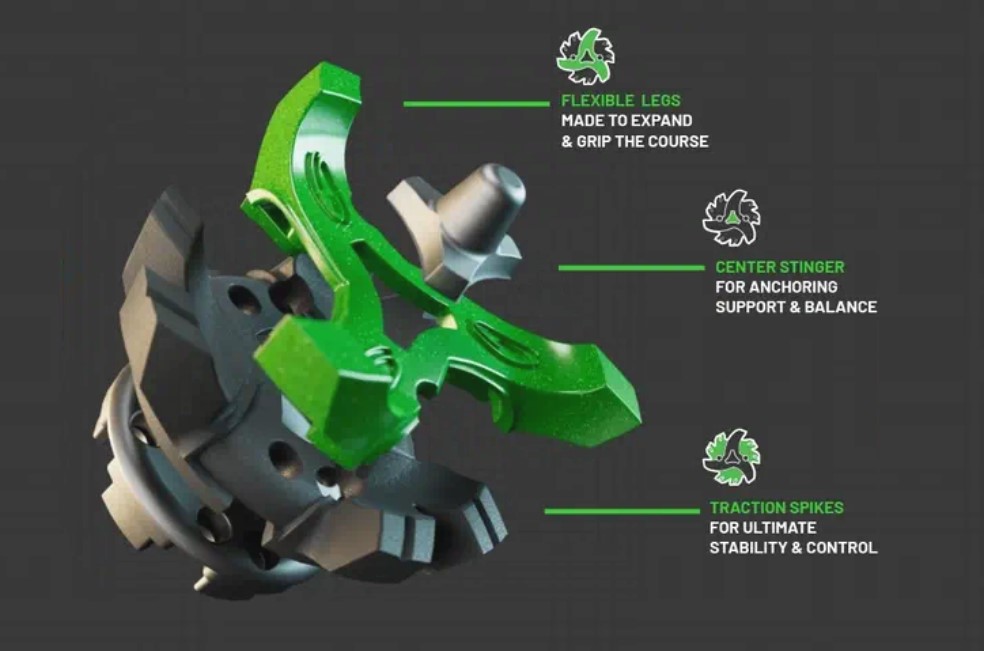
    CHAMP’s Helix®, Zarma Tour® and Stinger® cleats, as well as Softspikes’ Pivix®, Pulsar®, Silver Tornado and Stealth® cleats, dominate the OEM and secondary market in terms of performance and sales. More information can be found at www.champspikes.com and www.Softspikes.com, or follow @softspikesgolf and @PrideSportsUs on InstagramFacebook and Twitter.

  • Golf Legend Phil Mickelson Chases Elusive Grand Slam

    Golf Legend Phil Mickelson Chases Elusive Grand Slam

    Phil Mickelson is a legend of the golf world, a five-time major winner and Hall of Famer. His record is the envy of many players on the tour, with an Open Championship, two PGA Championships and three Masters to his name in a career going back almost 30 years. It was 1992 when the San Diego native first turned professional after graduating from ASU, but it took 12 years for him to lift his first major, despite some strong finishes. The 50-year-old is still pounding the fairways, desperate to add that one elusive title that would give him a Grand Slam: The US Open.

    Mickelson and the Open have something of a love/hate relationship. As his career begins to wind down it is the only tournament still to evade his clutches, but he has finished as runner up on six occasions, firstly in 1999 and latterly in 2013. This year, at Torrey Pines, he will once again be looking to make history and become a Grand Slam champion.

    Mickelson almost missed out on the tournament altogether. ESPN reports there was talk of him having to qualify in the 36-hole sectional qualifier on June 7 in Columbus, Ohio but instead he recently accepted a special exemption from the United States Golf Association on Friday to play in the 121st tournament bearing the US Open name. Torrey Pines is close to his hometown of San Diego and that certainly has had a bearing on his decision, as he revealed in a statement.

    “Winning the U.S. Open has been a lifelong and elusive dream, and I’ve come close so many times,” Mickelson said in a statement. “You can’t win if you don’t play. I’m honored and appreciative of the USGA for the opportunity and look forward to playing in my hometown on a golf course I grew up on.”

    Despite the obvious romance surrounding the story, it is not going to be easy for Mickelson to take home the prestigious trophy, and write himself into the history books. He is ranked as an outsider with Bwin, behind 20 other golfers. Dustin Johnson is the favorite, with Brooks Koepka and last year’s winner, Bryson DeChambeau. Odds mean little though, as Mickelson has already proven this year.

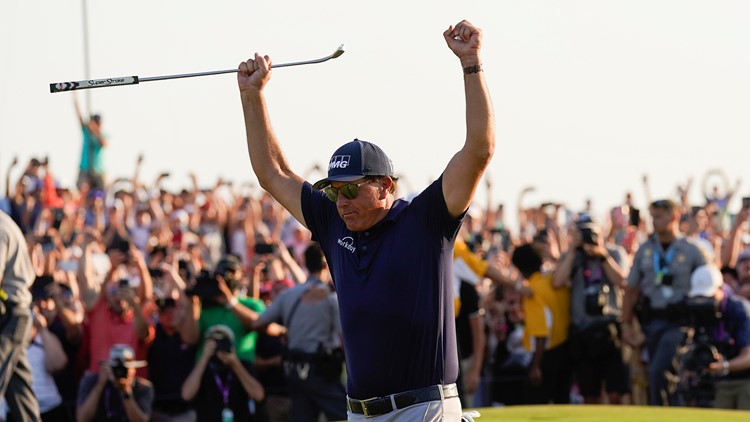
    Mickelson is ranked 116th in the world heading into the tournament and has uniquely never been World Number One, having played second fiddle to Tiger Woods for much of his career. However, he did surprise the world in May when he lifted the PGA Championship at Kiawah Island, becoming the oldest player in the history of the game to take a major title. Could that be the start of the US Open fairytale? After his win, he refused to rule it out.

    “I just love this game of golf and I love what I do and I love the challenge of competing against such great players,” USA Today reports Mickelson as saying after defeating Koepka in an emotional final round. “This might be my last win, but I also might go on a bit of a run.

    Whilst he made history at Kiawah Island, another win at Torrey Pines really would be a fairytale conclusion to a stellar career which is an inspiration to many golfers today, old and young.

    Phil Mickelson. David J Phillip/AP/Shutterstock
  • 2019 PGA Championship Viewing Guide

    2019 PGA Championship Viewing Guide

    The 2019 PGA Championship starts tomorrow and it looks like the course will be playing very long and wet for the first few rounds until the weather warms up and the course dries out a bit. To keep up with all the action, here’s a quick viewing guide.

    FANTASY GOLF ALERT: Kelly Kraft takes Justin Thomas’ place playing with Sergio Garcia and Adam Scott in the 7:40am tee time for the first round. Thomas withdrew because of a wrist injury.

    Tee Times for Rounds 1 & 2 at Bethpage State Park – Black Course

    Round One

    ( * indicates group will start on #10)

    6:45 AM — Rob Labritz, Beau Hossler, J.J. Spaun
    6:45 AM* — Ben Cook, Scott Piercy, Brian Gay
    6:56 AM — Sam Burns, Jeffrey Schmid, Keith Mitchell
    6:56 AM* — Thomas Pieters, Patton Kizzire, Adam Hadwin
    7:07 AM — Byeong Hun An, Jason Caron, Andrew Putnam
    7:07 AM* — Brandt Snedeker, Kiradech Aphibarnrat, Max Homa
    7:18 AM — John O’Leary, Harold Varner III, Kyle Stanley
    7:18 AM* — Henrik Stenson, David Lipsky, Richard Sterne
    7:29 AM — Mike Lorenzo-Vera, Justin Harding, Richy Werenski
    7:29 AM* — Shane Lowry, Erik Van Rooyen, Tommy Fleetwood
    7:40 AM — J.T. Poston, Jason Dufner, Jimmy Walker
    7:40 AM* — Sergio Garcia, Kelly Kraft, Adam Scott
    7:51 AM — Graeme McDowell, Chez Reavie, Brendan Jones
    7:51 AM* — Charley Hoffman, Louis Oosthuizen, Patrick Reed
    8:02 AM — Tyrrell Hatton, Russell Knox, Haotong Li
    8:02 AM* — Rickie Fowler, Bubba Watson, Justin Rose
    8:13 AM — Lee Westwood, Shaun Norris, Charles Howell III
    8:13 AM* — Xander Schauffele, Hideki Matsuyama, Alex Noren
    8:24 AM — J.B. Holmes, Lucas Bjerregaard, Troy Merritt
    8:24 AM* — Brooks Koepka, Francesco Molinari, Tiger Woods
    8:35 AM — Joost Luiten, Brian Mackey, Matt Wallace
    8:35 AM* — Aaron Wise, Ryan Fox, Shugo Imahira
    8:46 AM — Casey Russell, Luke List, Abraham Ancer
    8:46 AM* — Julian Suri, Marty Jertson, Martin Trainer
    8:57 AM — Craig Bowden, Adam Long, Joaquin Niemann
    8:57 AM* —  Lucas Herbert, Cory Schneider, Sungjae Im
    12:10 PM — Michael Thompson, Danny Lee, Justin Bertsch
    12:10 PM* — Ryan Vermeer, Adrian Otaegui, Jason Kokrak
    12:21 PM — Cameron Champ, Rich Berberian, Jr., Lucas Glover
    12:21 PM* — Alex Björk, Rod Perry, Ross Fisher
    12:32 PM — Emiliano Grillo, Daniel Berger, Paul Casey
    12:32 PM* — Eddie Pepperell, Branden Grace, Ryan Palmer
    12:43 PM — Tony Finau, Billy Horschel, Ian Poulter
    12:43 PM* — Ryan Moore, Joel Dahmen, Thorbjørn Olesen
    12:54 PM — Matt Fitzpatrick, Rafa Cabrera Bello, Gary Woodland
    12:54 PM* — Y.E. Yang, Rich Beem, John Daly
    1:05 PM — Padraig Harrington, Martin Kaymer, Keegan Bradley
    1:05 PM* — Steve Stricker, Brian Harman, Patrick Cantlay
    1:16 PM — Jon Rahm, Dustin Johnson, Jordan Spieth
    1:16 PM* — Sung Kang, Shaun Micheel, Alex Beach
    1:27 PM — Pat Perez, Kevin Kisner, Bryson DeChambeau
    1:27 PM* — C.T. Pan, Kevin Na, Ryan Armour
    1:38 PM — Rory McIlroy, Phil Mickelson, Jason Day
    1:38 PM* — Danny Willett, Webb Simpson, Zach Johnson
    1:49 PM — Satoshi Kodaira, Matt Kuchar, Cameron Smith
    1:49 PM* — Kevin Tway, Brandon Stone, Bronson Burgoon
    2:00 PM — Corey Conners, Jim Furyk, Marc Leishman
    2:00 PM* — Si Woo Kim, Danny Balin, Tom Lewis
    2:11 PM — Jorge Campillo, Stuart Deane, Chesson Hadley
    2:11 PM* — Jazz Janewattananond, Tyler Hall, Michael Kim
    2:22 PM — Dylan Frittelli, Andrew Filbert, Kurt Kitayama
    2:22 PM* —  Mikko Korhonen, Craig Hocknull, Jhonattan Vegas

    Round Two

    6:45 AM — Ryan Vermeer, Adrian Otaegui, Jason Kokrak
    6:45 AM* — Michael Thompson, Danny Lee, Justin Bertsch
    6:56 AM — Alex Björk, Rod Perry, Ross Fisher
    6:56 AM* — Cameron Champ, Rich Berberian, Jr., Lucas Glover
    7:07 AM — Eddie Pepperell, Branden Grace, Ryan Palmer
    7:07 AM* — Emiliano Grillo, Daniel Berger, Paul Casey
    7:18 AM — Ryan Moore, Joel Dahmen, Thorbjørn Olesen
    7:18 AM* — Tony Finau, Billy Horschel, Ian Poulter
    7:29 AM — Y.E. Yang, Rich Beem, John Daly
    7:29 AM* — Matt Fitzpatrick, Rafa Cabrera Bello, Gary Woodland
    7:40 AM — Steve Stricker, Brian Harman, Patrick Cantlay
    7:40 AM* — Padraig Harrington, Martin Kaymer, Keegan Bradley
    7:51 AM — Sung Kang, Shaun Micheel, Alex Beach
    7:51 AM* — Jon Rahm, Dustin Johnson, Jordan Spieth
    8:02 AM — C.T. Pan, Kevin Na, Ryan Armour
    8:02 AM* — Pat Perez, Kevin Kisner, Bryson DeChambeau
    8:13 AM — Danny Willett, Webb Simpson, Zach Johnson
    8:13 AM* — Rory McIlroy, Phil Mickelson, Jason Day
    8:24 AM — Kevin Tway, Brandon Stone, Bronson Burgoon
    8:24 AM* — Satoshi Kodaira, Matt Kuchar, Cameron Smith
    8:35 AM — Si Woo Kim, Danny Balin, Tom Lewis
    8:35 AM* — Corey Conners, Jim Furyk, Marc Leishman
    8:46 AM — Jazz Janewattananond, Tyler Hall, Michael Kim
    8:46 AM* — Jorge Campillo, Stuart Deane, Chesson Hadley
    8:57 AM — Mikko Korhonen, Craig Hocknull, Jhonattan Vegas
    8:57 AM* — Dylan Frittelli, Andrew Filbert, Kurt Kitayama
    12:10 PM — Ben Cook, Scott Piercy, Brian Gay
    12:10 PM* — Rob Labritz, Beau Hossler, J.J. Spaun
    12:21 PM — Thomas Pieters, Patton Kizzire, Adam Hadwin
    12:21 PM* — Sam Burns, Jeffrey Schmid, Keith Mitchell
    12:32 PM — Brandt Snedeker, Kiradech Aphibarnrat, Max Homa
    12:32 PM* — Byeong Hun An, Jason Caron, Andrew Putnam
    12:43 PM — Henrik Stenson, David Lipsky, Richard Sterne
    12:43 PM* — John O’Leary, Harold Varner III, Kyle Stanley
    12:54 PM — Shane Lowry, Erik van Rooyen, Tommy Fleetwood
    12:54 PM* — Mike Lorenzo-Vera, Justin Harding, Richy Werenski
    1:05 PM — Sergio Garcia, Kelly Kraft, Adam Scott
    1:05 PM* — Vijay Singh, Jason Dufner, Jimmy Walker
    1:16 PM — Charley Hoffman, Louis Oosthuizen, Patrick Reed
    1:16 PM* — Graeme McDowell, Chez Reavie, Brendan Jones
    1:27 PM — Rickie Fowler, Bubba Watson, Justin Rose
    1:27 PM* — Tyrrell Hatton, Russell Knox, Haotong Li
    1:38 PM — Xander Schauffele, Hideki Matsuyama, Alex Noren
    1:38 PM* — Lee Westwood, Shaun Norris, Charles Howell III
    1:49 PM — Brooks Koepka, Francesco Molinari, Tiger Woods
    1:49 PM* — J.B. Holmes, Lucas Bjerregaard, Troy Merritt
    2:00 PM — Aaron Wise, Ryan Fox, Shugo Imahira
    2:00 PM* — Joost Luiten, Brian Mackey, Matt Wallace
    2:11 PM — Julian Suri, Marty Jertson, Martin Trainer
    2:11 PM* — Casey Russell, Luke List, Abraham Ancer
    2:22 PM — Lucas Herbert, Cory Schneider, Sungjae Im
    2:22 PM* — Craig Bowden, Adam Long, Joaquin Niemann

    TV Schedule & Coverage

    The networks of TNT and CBS will have live coverage of the PGA Championship all four days. TV times for TNT & CBS are as follows:

    First Round, Thursday, May 16
    TNT: 1:00 – 7:00 PM

    Second Round, Friday, May 17
    TNT 1:00 – 7:30 PM

    Third Round, Saturday, May 18
    TNT: 11:00 AM – 2:00 PM
    CBS: 2:00 – 7:00 PM

    Fourth Round, Sunday, May 19
    TNT: 11:00 AM – 2:00 PM
    CBS: 2:00 – 7:00 PM

    Online Streaming

    PGA.com will live stream featured groups all week. You can watch them on the PGA Championship live player and on the PGA Championship mobile app – available here.

    Along with coverage of the featured groups, PGA Championship LIVE will provide coverage of the closing Nos. 16, 17 and 18 holes at Bethpage Black.

    TNT Simulcast

    • First Round – Thursday, May 16, 1:00 – 7:00 PM
    • Second Round – Friday, May 17, 1:00 – 7:30 PM
    • Third Round – Saturday, May 18, 11:00 AM – 2:00 PM
    • Fourth Round – Sunday, May 19, 11:00 AM – 2:00 PM

    CBS Simulcast

    • Third Round – Saturday, May 18, 2:00 – 7:00 PM
    • Fourth Round – Sunday, May 19, 2:00 – 7:00 PM

  • Check Out Rickie Fowler’s New Shoes

    Check Out Rickie Fowler’s New Shoes

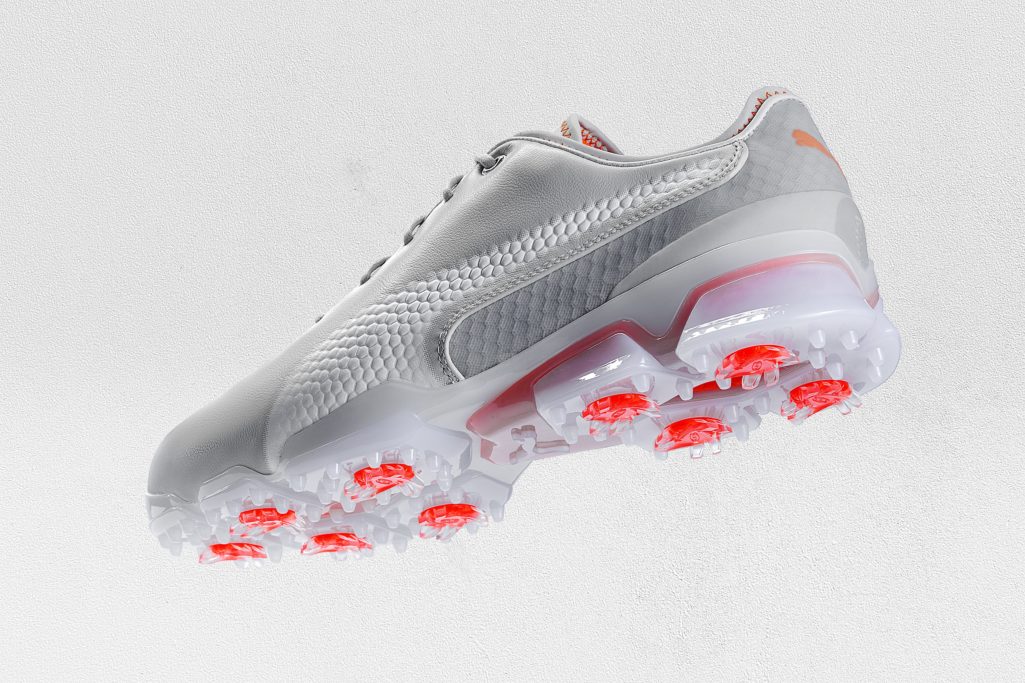
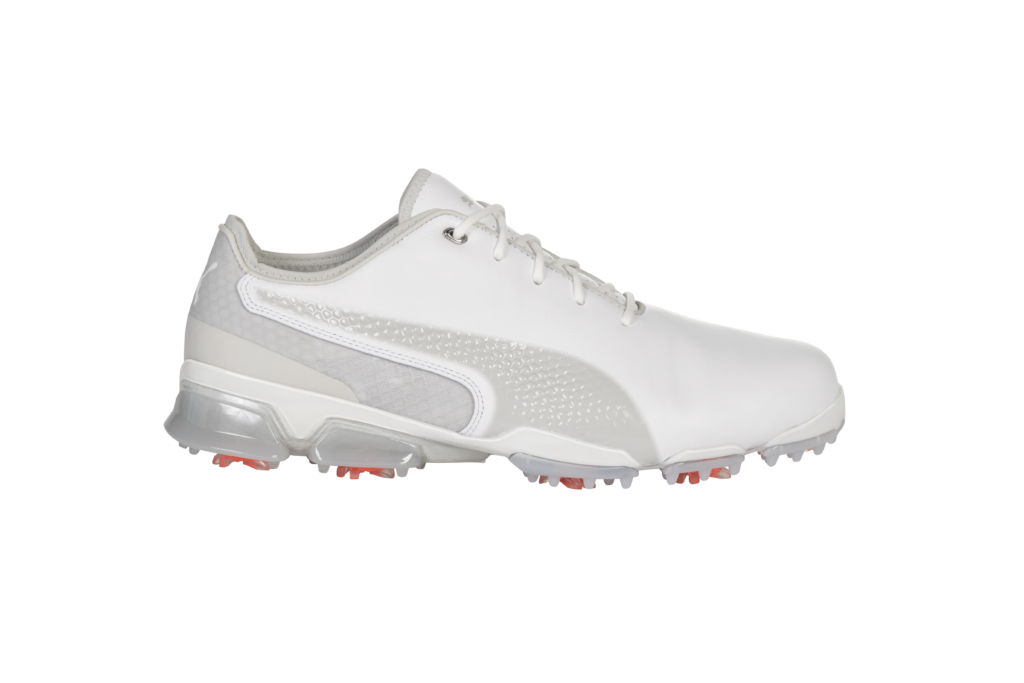
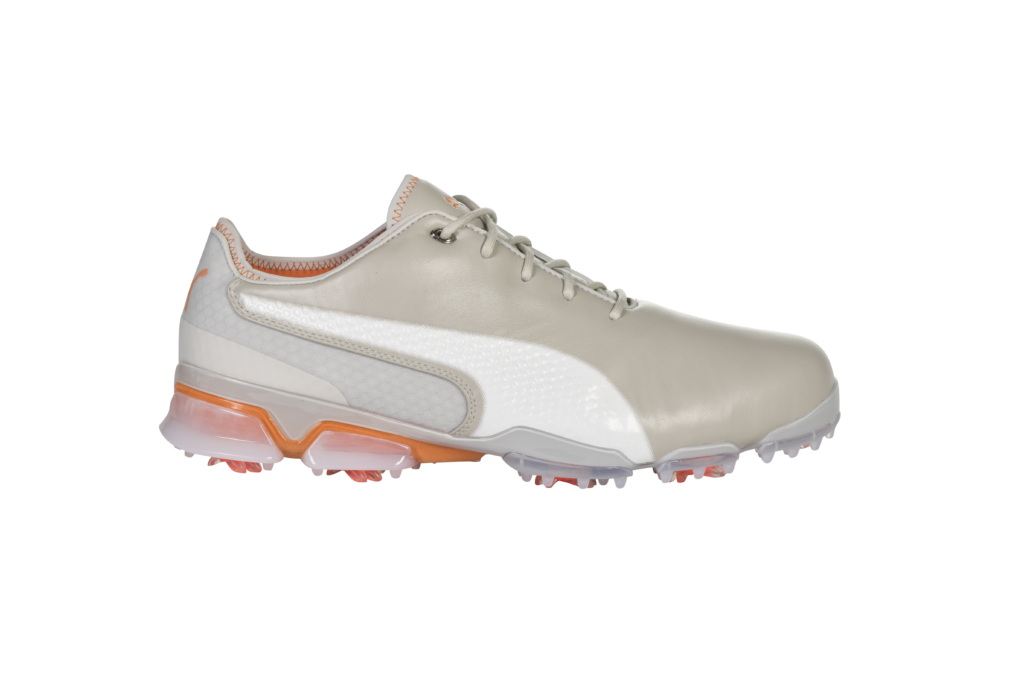
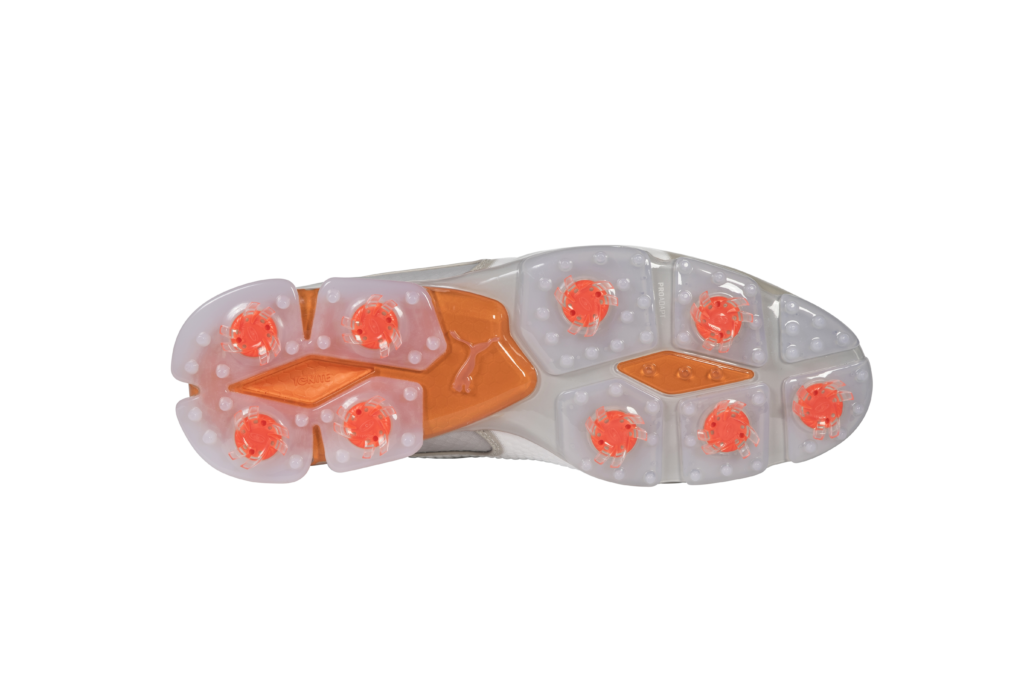
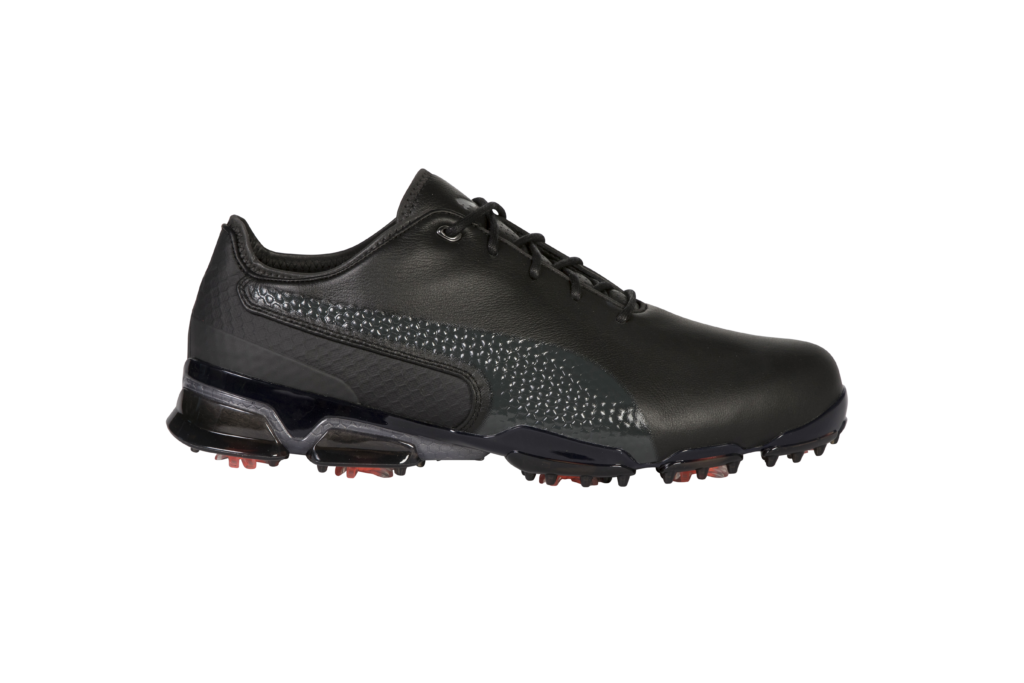
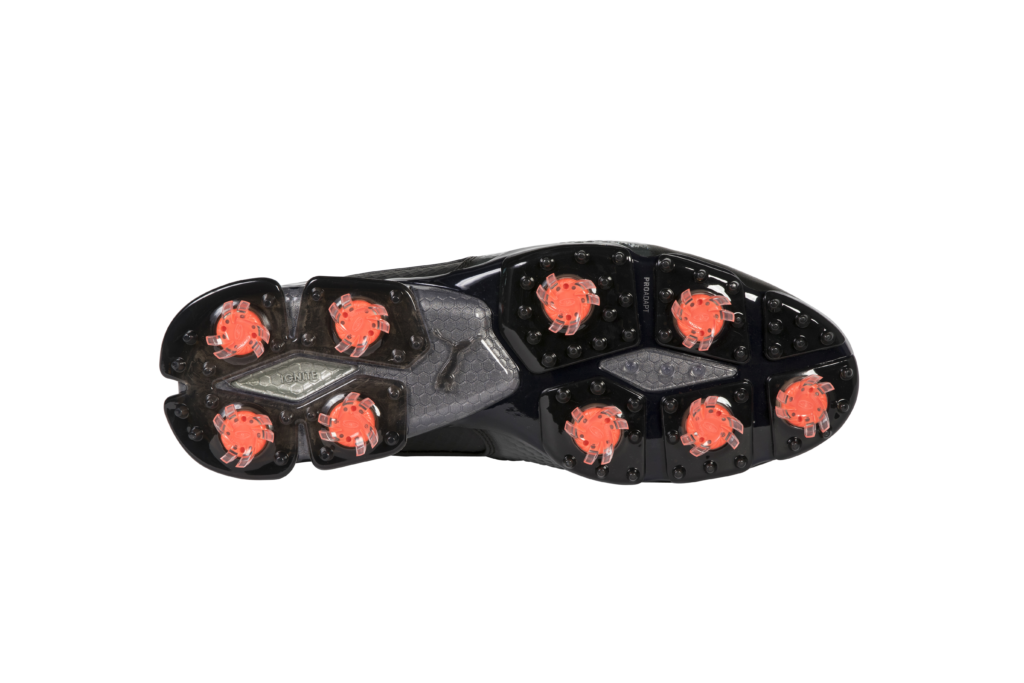
    PUMA Golf’s new IGNITE PROADAPT Shoes are here – Here’s a sneak peek!

    PUMA Golf’s IGNITE PROADAPT footwear is almost here, and they look sharp! This is the shoe worn on the PGA Tour by fan favorite Rickie Fowler. They have the stable, full-grain leather upper design preferred by Rickie. In fact, he debuted PROADAPT earlier this season and relied on them during his recent victory at the Waste Management Phoenix Open.   

    From the official press release – “During the footwear design and creation process, we work with our Tour team, utilizing their feedback to deliver shoes that reflect the feel and performance desired by the best golfers in the world,” said Andrew Lawson, Footwear Product Line Manager at PUMA Golf.  “Rickie was involved from the earliest stages of design, expressing his desire for an upper that provides a ton of support with premium styling. Better players will love these shoes as they offer comfort, maximum stability, ground traction and motion control through your golf swing.”

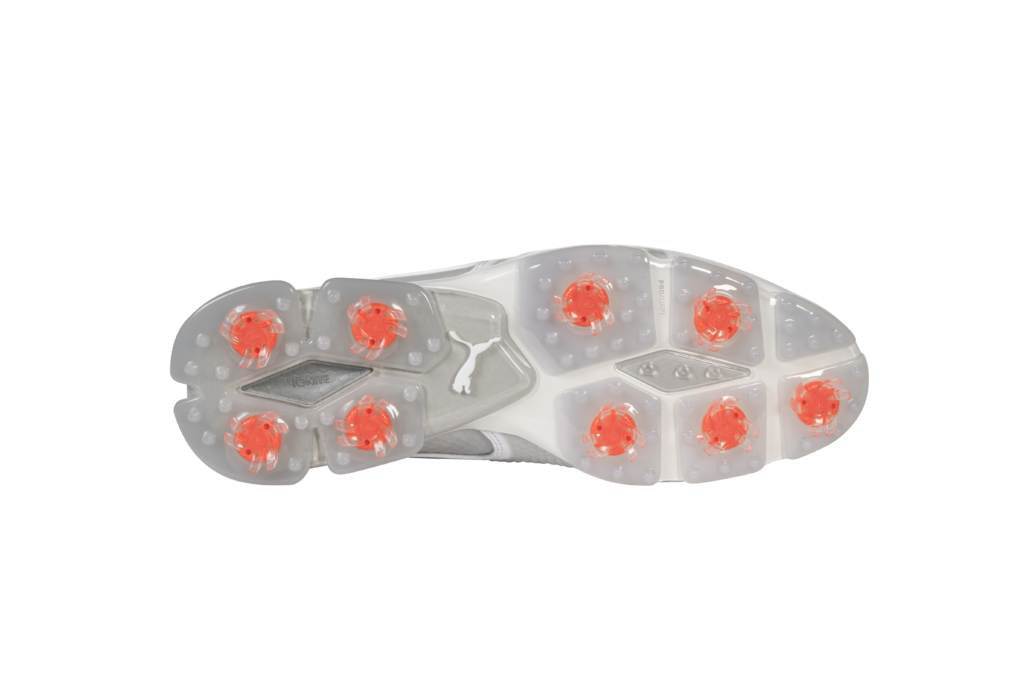
    The PUMA IGNITE PROADAPT footwear comes with a one-year waterproof warranty and feature technologies such as:

    ·       Pro-Fit Insole – This ultra-soft, yet supportive PU insole provides excellent fit, performance and long-lasting comfort on the course.  

    ·       Adaptive Fit System – Dual-layer, decoupled collar construction utilizes premium full-grain leather materials and a molded comfort collar to provide the comfort of a running shoe, but the look of a high-end leather shoe. 

    ·       Atlantis Leather Upper – Ultra-premium, full-grain leather upper delivers soft feel, enhanced quality and sophisticated look.  

    ·       IGNITE Foam – Revolutionary and proprietary PU foam provides ideal energy return, responsive comfort, stable cushioning and superior step-in comfort eliminating typical new footwear “break-in period.”

    ·       Pro-Form TPU – Premium TPU Outsole compound delivers high performance, grip and abrasion resistance on all surfaces.  

    ·       Tornado Cleat – a dual talon, low-profile cleat provides excellent traction and long-lasting abrasion resistance, and is easy to change out using the Fast Twist 3.0 system.  

    The PROADAPTs are available in three colors and will carry a retail price of $200.

    The PUMA IGNITE PROADAPTs are available now for pre-sale on PUMGAGOLF.com and at select retailers. They officially hit stores on March 13, 2019.

  • 5 Ways to End America’s Ryder Cup Futility

    5 Ways to End America’s Ryder Cup Futility

    At the outset the United States was utterly dominant in Ryder Cup play, losing only three times to Great Britain & Ireland in the first 50 years the biennial competition was held. But since GB & I was expanded to include the rest of Europe in 1979, the United States has an unenviable record of 8 wins and 12 defeats, including losses in 7 of the last 9 competitions.

    Obviously, the talent level of golf worldwide has grown significantly over the years, so it’s not unexpected to see the Europeans put up such a fight in recent years. What is unexpected, is for the US team to show up in Paris and lay a big, fat egg without looking all that surprised with the result. It’s almost as if they expected to lose. Were it not for a few spirited individual efforts on Sunday by the US squad, the 2018 edition of the Ryder Cup could have been a rout of historic proportions.

    Task Force Failure

    Following the 2014 loss at Gleneagles and Phil Mickelson’s infamous under-the-bus-throwing of Captain Tom Watson, the US formed some kind of task-force to examine the selection process and figure out a way to regain the edge. Despite a solid win in 2016 at Hazeltine, the United States Ryder Cup team as a whole is still more of a gathering of pampered millionaires than a cohesive team of golfers. I believe the task force is fundamentally flawed, but more on that later.

    Team USA’s flaws were on display to anyone that was paying attention at Le Golf Nationale in Paris, France last month. For starters, I saw 2 or 3 players from the US team that seemed disinterested in even being there. From the way he played all week and his general demeanor, it looked to me like Bubba Watson couldn’t get the hell out of Paris fast enough. World No 1 Dustin Johnson is usually pretty stoic on the course, but he seemed particularly apathetic once his putting stroke failed him, and he managed to win only 1 point all week. Jim Furyk’s three captain’s picks went a combined 0-9. In Captain Furyk’s defense, it was nearly impossible for him NOT to pick Tiger Woods and Bryson DeChambeau for the team. DeChambeau won the first 2 FedEx Cup Playoff events and Tiger Woods finished a remarkable comeback season and easily justified his pick by winning the season-ending Tour Championship.

    Phil Mickelson was playing pretty bad golf, yet he was picked for the team anyway, probably because he’s Phil Mickelson. Captain Furyk said he is great in the team room and has a lot of experience. Sure – losing experience. And the last time I checked, matches aren’t played in the team room. Sarcasm aside, you can’t win a Ryder Cup if your “leaders” and captain’s picks can’t earn a single point all week.

    In the aftermath, we heard stories of players complaining about who they were paired with, players complaining about their position in the Sunday singles matches, and even about players fighting. I’m referring of course to Patrick Reed’s comments about his successful past partnership with Jordan Speith being broken up, and to the reported scuffle between Brooks Koepka and Dustin Johnson, which they both claim never happened. I’m not putting too much stock in these stories, but the overall vibe is one of dysfunction and lack of cohesion. If just one player in the team room has a negative attitude because he’s not happy about who he’s paired with, or has issues with another player, that team cannot be successful.

    If you don’t learn from your failures, you are doomed to repeat them. Having said that, I don’t think it is beyond saving. The USA still has dozens and dozens of players that are more than capable of winning on the Ryder Cup stage, and the future looks bright for a whole new generation of young golfers. Here are 5 ideas that I think could help recreate the winning formula for the United States going forward:

    Get players that want to be there – The PGA Tour season is long and it can be a grind. All jokes about 5-star hotels and private jets aside, it’s not easy to make a living playing golf. Most players on the PGA Tour don’t fly in private jets and drive Lamborghinis. But most US players aren’t used to playing in a team environment, and the demands of professional golf in the United States encourages more of a me-against-the-world mentality. Perhaps losing is partially responsible for the perceived decline in interest for the Ryder Cup in America lately. Either way, if a player doesn’t really want to be there and can’t commit 100 percent of their mental energy to represent their country for a week, they shouldn’t be on the team. This is why I think we need to change the process by which we pick the team.

    Change the team selection process – The Ryder Cup selection process has been tweaked a bit over the years and the captain has another wildcard pick at his disposal, but I believe the captain should have more control over the makeup of the team. Why not let the captain pick half the players or more? The team should be made up of players that are playing well now and can be expected to play well at the host venue. The current points ranking system doesn’t work. Why should your team’s roster be determined by someone who played great 6 months ago and earned enough points to hold on and make the team now? That’s stupid.

    The good ‘ol boy network needs to be scrapped and the USA should get a captain that is committed to winning, not just making everyone happy and letting them play with their buddies. Yes, that’s a dig at Jim Furyk who broke up several proven winning pairings like Reed/Speith so that Jordan could play with his childhood buddy Justin Thomas, and who’s pick of a flailing Phil Mickelson was not conducive to winning, given that Phil only played two matches anyway and didn’t earn a single point. Why pick a player to have him ride the bench all week?

    We’ve seen several non-golf superstars hanging around the US Ryder Cup squad in recent years, like Michael Jordan, Condoleezza Rice, and John McEnroe. That got me thinking – Why does the captain have to be a golfer? Why not pick a knowledgeable sports figure or proven national leader to manage the team? Someone that will make decisions with the best interests of the team in mind, not egos. I think we should go with a respected leader that these players are willing to follow, and it doesn’t have to be a professional golfer. Think outside the box!

    Pick a venue that gives us the advantage – There was a lot of talk about Le Golf Nationale in Paris as the venue for the 2018 Ryder Cup. It was set up almost like a US Open, with narrow fairways and thick rough. It’s no secret that the European squad did this to penalize the long-hitting US players. Our “bombers” are also some of the least accurate drivers of the golf ball on tour, and the Europeans took advantage of this to set up the course in their favor. This goes back to my first point – Instead of having most of the US Team automatically qualified on points, our captain needs to have the flexibility to pick players whose game is better suited for the venue. I think the results could have been very different if Captain Furyk had consistent ball strikers like Matt Kuchar, Kevin Kisner, Zach Johnson or Xander Schauffele on the team instead of Phil, Tiger, and Bubba. And on that note…

    Retire the old guard – I’m not the only one who has suggested it and many people don’t dare speak of it, but I’ll say it anyway – It’s time to put Phil Mickelson and Tiger Woods out to pasture in Ryder Cup competition. In 12 Ryder Cup appearances, Phil Mickelson has only won more than 2.5 points twice. In 47 matches played, he has only 18 wins. Tiger’s overall record isn’t much better at 13-21-3. While these guys are two of the best golfers in history and founding members of the so-called Ryder Cup Taskforce, they are also part of the problem and proven liabilities in this team format and need to be retired as Ryder Cuppers. Bring them on for a few more President’s Cups (We can still win that easily even with both of them in the lineup), or as vice-captains if you want their leadership and presence in the team room.

    Scheduling & preparation – Only one player from the United States Ryder Cup Team had ever played Le Golf Nationale in tournament conditions – Justin Thomas. Is it a coincidence that he went 4-1 on the week and was the best player on the team? I don’t think so. The US team had two years to prepare and play the golf course, and they only had one guy with prior tournament experience there? That’s not only bad preparation, but it fed right into the European team’s strategy and setup. Because of the flawed team selection process, Jim Furyk’s hands were tied. He couldn’t field a team that would be able to drive it in the fairway and neutralize the European advantage. Instead, the United States brought a bunch of guys who can’t hit fairways to a course that puts a premium on hitting fairways. Not the best game plan.

    To make matters worse, several US players looked quite weary after playing 4 out of 5 weeks chasing the FedEx Cup. Tiger Woods, in particular, looked mentally and physically drained after his breakthrough win at the Tour Championship just days earlier. Bryson DeChambeau appears to have peaked a bit early, winning the first two events of the FedEx Cup playoffs, but perhaps the season-long grind also got to him in Paris because he looked out of sorts all week. For some reason, the European players didn’t seem as affected by the season-ending playoff grind. I’ll chalk it up to the home course fans lifting their boys emotionally.

    In terms of quality of play, I think it would be best for the Ryder Cup as a whole if the event was held at a time of the year where you can give the players at least a week off before the matches. It obviously would have helped the USA this year. The event only takes place every two years – would it be that difficult to give them a week off to rest up and get ready?

    Will it Work?

    Even if the United States implemented all these changes there’s no guarantee of success, but I think the odds would be much better. The US needs to field a team of players that are fresh, genuinely want to be there, want to play together and whose skills are well suited for the course. Team Europe has taken advantage of our flawed process to tilt the playing field in their favor. They relish the fact that their guys play better in pairs than us, and they consistently field a group of players that accept their role and form a cohesive unit towards a single purpose. It’s time for the USA to revamp their preparation, roster, and attitude towards the competition if they want to remain competitive in the Ryder Cup for years to come.

  • Sneak Peak – Wilson Tour V6 Raw Irons

    Sneak Peak – Wilson Tour V6 Raw Irons

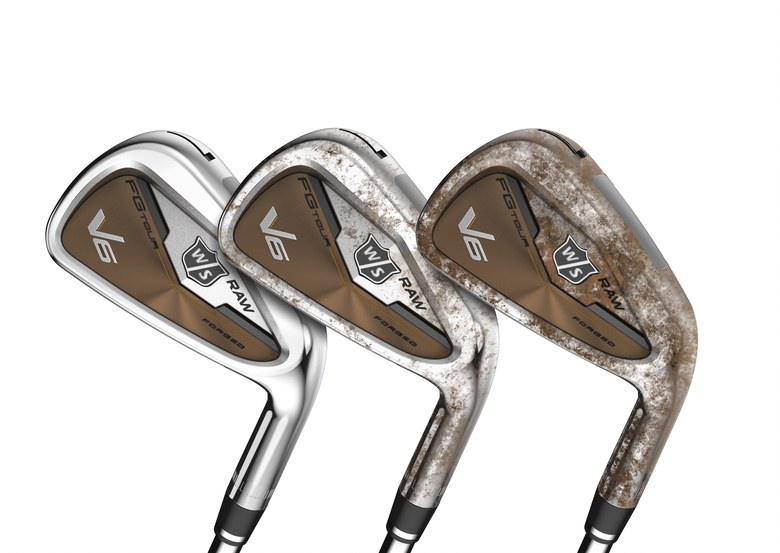
    Wilson Golf is introducing a new limited edition set of Tour V6 irons in a raw finish. These are forged from soft 8620 carbon steel and will rust over time, giving them each a unique patina that reduces glare and gives them an old school look. 8620 steel is also very soft and transmits a fantastic feel on solid hits. I have an old set of Cleveland irons and Hopkins wedges with the same finish and it’s very cool. Some company’s wedges are finished like this (especially on tour), so why not a whole set of irons too?

    FG TOUR V6 RAW 3 Club Progression

    Wilson staff professional Troy Merritt will put the new Wilson Tour V6 Raw irons into play this week at the Travellers Championship at TPC River Highlands. The V6 Raw long and middle irons have a copper-colored badge and tungsten insert to lower the center of gravity for slightly higher launch. The 8 iron down are solid 8620. This limited run set is available with up to 30 different shaft options and will run you about $1100 for eight irons They are available at select Wilson dealers and online at Wilson.com.

  • Aerotech Releases New TiFiber Shafts

    Aerotech Releases New TiFiber Shafts

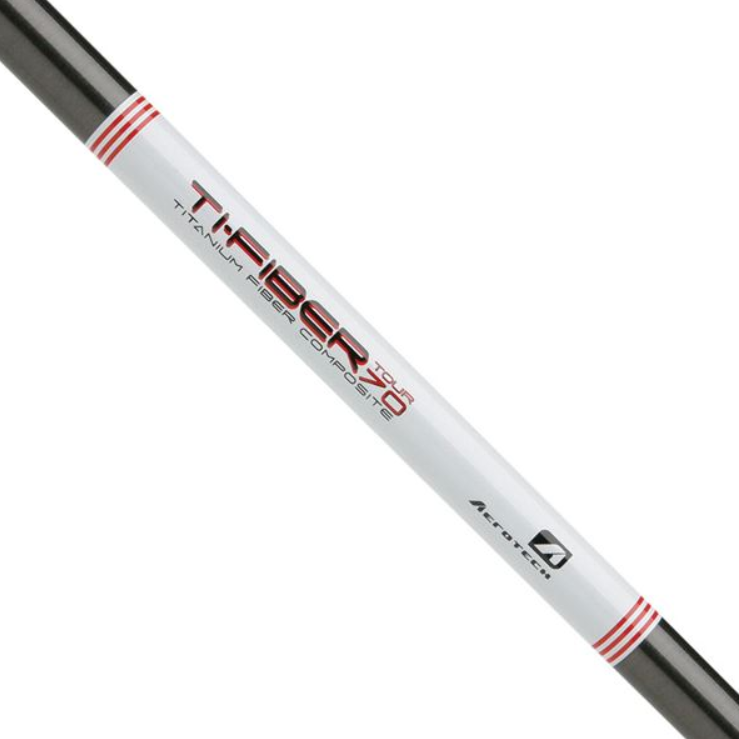
    Aerotech TiFiber ShaftAerotech’s Golf’s president & mad scientist Chris Hilleary is up to his old tricks again, and this time his experience in composites and engineering wizardry has resulted in the new Aerotech TiFiber shaft. Last season, Aerotech Golf’s SteelFiber shafts delivered 20 wins on pro tours around the world as well as won the coveted CME Race for the Globe Trophy and 2016 Money Title on the LPGA Tour. I’ve been playing with and evangelizing the SteelFiber shafts in my irons & hybrids for over 6 years, and for me, there’s no going back to steel.
    Why TiFiber?

    While the original SteelFiber shafts are incredibly consistent and playable, in driver and wood lengths they became too heavy for most golfers to be comfortable with. By replacing steel fibers with much lighter titanium, Aerotech was able to adapt the benefits of their SteelFiber technology to full-length driver and fairway wood shafts.

    What is TiFiber?

    TiFiber shafts combine a high-modulus graphite core like you would find in almost all driver shafts with 47 miles of micro-thin titanium fiber lacing the entire shaft surface. 47 Miles! The addition of high-strength, lightweight titanium fiber increases stability while allowing the weight to be redistributed to optimize tip stiffness. As a result, TiFiber shafts are a great match for modern oversized titanium/composite driver heads.

    TiFiber shafts are currently available in two models – the TiFiber Tour 70 and Pro 60.

    1. TiFiber Tour 70 shafts feature a “Tour Stiff” tip section to optimize flight by reducing spin and lowering trajectory. The Tour 70 is available in F5 (Stiff) and F6 (X-Stiff) flex options.
    2. The TiFiber Pro 60 has a slightly softer tip section and benefits players who need a bit more launch and spin but still want the added stability of titanium. The TiFiber Pro 60 is available in F4 (Regular) and F5 (Stiff) flexes.

    Success on Tour

    Players with SteelFiber shafts routinely rank high on the PGA Money List, Official World Golf Rankings and the FedEx Cup Season Points. Brandt Snedeker and Matt Kuchar have been in Aerotech’s corner for years. In 2013, Kuchar & Snedeker ranked No. 2 and No. 3 in FedEx Cup points and ended the season as #3 and #5 on the PGA Tour money list. Snedeker also won the FedEx Cup in 2012 using SteelFiber shafts.

    While the adoption of SteelFiber continued to grow on the professional tours, the company was testing the TiFiber shaft on tour in 2017 and introduced them to the public at the 2018 PGA Show in Orlando. It’s only a matter of time before TiFiber also records its first win on tour.

    Performance

    I spent some time on the practice range with the Aerotech TiFiber Tour 70x shaft installed in my Ping G driver. I hit several shots with both the TiFiber shaft and the Ping Tour 80x shaft (custom option from Ping) to compare ball flight and launch monitor data. I used the cool new FlightScope MEVO launch monitor to capture club and ball flight data.

    My initial testing has produced numbers that are very similar to the stock Ping shaft, but the little FlightScope MEVO is limited in the data it can gather. More on that in a minute. Both the stock Ping shaft and the TiFiber were giving me similar numbers for launch angle, swing speed, smash factor and spin rates. Carry distance was about 2 yards less with the TiFiber, which is consistent with the ball speeds which were roughly 1 MPH lower with the TiFiber. Shots hit with the TiFiber shaft stayed in the air a fraction of a second less and flew about 5 feet lower, which may help explain the carry distance number. I only got to hit about 8 or 10 drives with each shaft, but once I gather more data I think the results will be more clear.

    What the numbers don’t tell me is what I’m perhaps most interested in with the TiFiber, and that is shot dispersion. The FlightScope MEVO being a palm-sized personal launch monitor priced at $500, it can’t compete with the big boys that cost $10,000+ and one of the areas where the MEVO is lacking is measuring shot dispersion. Since it doesn’t track the entire ball flight, it can’t tell me what the dispersion is from shot to shot.

    I did notice a difference between the shafts, but without measurable data, it’s hard to be 100% sure. I felt that I was hitting the ball straighter with the TiFiber shaft, with a tighter dispersion from shot to shot. I’ll get more data and play a few rounds with the Aerotech shaft in the coming weeks and will know more. I believe the TiFiber shaft to be straighter based on my observations.

    3/12/2018: I’ll update this post when I get more info about the accuracy of the Aerotech TiFiber shaft.

    Where Can I Get One?

    The best way to get your hands on one for your driver will be to schedule a fitting with a good club fitting specialist like Tour Spec Golf. Aerotech Golf shafts are also widely available as custom options with many club manufacturers such as PXG, Callaway, Titleist, TaylorMade, Ping, Cobra, Bridgestone Golf, Wilson, Cleveland Golf, Miura, Srixon and more.

    For more information on Aerotech Golf and Aerotech shafts, call 888.733.8988 or visit aerotechgolfshafts.com. Also check out the Aerotech page on Facebook: facebook.com/aerotechgolf.

  • 2018 Predictions

    2018 Predictions

    (Photo by Mike Ehrmann/Getty Images)

    Now that Christmas has passed and we start looking forward to the new year, I think 2018 will be a good year for golf, and like usual we’ll start it off in Orlando at the 2018 PGA Merchandise Show. The level of participation and overall vibe we get from the show can give one a good idea of how the year will go. There’s always lots of hope and lots of hype, but in my opinion it still comes down to golfers and how often they tee it up with their friends. In the end, the success of this game depends on people, not products. With that in mind, here are my bold predictions for 2018.

    Rickie Fowler Will Win a Major

    2018 will be Rickie’s year. I predict that he will finally win a major tournament. He finished 2017 by winning Tiger’s tournament – The Hero World Challenge – in The Bahamas against a small but very strong international field. On the PGA Tour he enjoyed career highs in Top Tens (11), Top 25s (17) and Prize Money ($6,083,197). He also had the second lowest scoring average on tour at 69.083 and led the tour in sand saves at 68.66%. he’ll be pushed hard by good buddies Jordan Spieth and Justin Thomas, but I think he’ll use their previous major victories as motivation to join the club.

    New Drivers, Prices Pushing $500

    It should not come as a shock to anyone that most of the major golf companies will have new drivers for sale in 2018. Naturally, all of them will offer more forgiveness, better control and more distance. The driver is, of course, the most oft changed club in our bag and the promise of a few more yards to gain an advantage on your playing partners is often too attractive to pass up. That’s why the bulk of marketing dollars from companies like Callaway and Taylor Made go into driver sales. While the physics of hitting a golf ball has hit a scientific wall due to limits imposed by the USGA, companies are turning to more advanced materials and adjustability to sell new drivers that can be tuned specifically for each golfer. These changes are also pushing prices higher, and we’ll see the $500 mark become pretty standard for a new driver in 2018. Sadly, it won’t help, but more on that later.

    Golf Participation Will Continue To Evolve

    According to the National Golf Foundation (NGF), the number of people who played golf on a real golf course in 2016 fell 1.2 percent from 2015 to 23.8 million. Given statistical margin for error, these participation numbers have been more or less flat for the last decade. But the way in which we are measuring golf participation is changing. The NGF is now saying that defining golf participation only as playing 18 holes on a regulation course is too limiting. Thanks to the success of facilities like Topgolf and indoor golf simulators, the NGF was able to add more than 20 million off-course “participants” to the game of golf. 8.2 million of those people never stepped foot on a golf course. Most people that go to Topgolf don’t identify as golfers, but the NGF counts them anyway. If you hit a golf ball with a golf club, to the NGF you are a golfer. However you define it, in 2016 the number of beginning golfers grew 14 percent over 2015 – an all time high. And for the first time in five years, the number of “committed golfers” also grew. If you are reading this, you are probably one of the committed crowd. However you count, it seems the game of golf is seeing increases in participation, and that’s a good thing. 

    Tiger Woods Will Get Injured Again

    Sorry Tiger fans, but you knew this was coming. He looked great at the Hero World Challenge about 3 weeks ago, but it remains to be seen how his surgically repaired back & knees will hold up. We’re talking about a professional golfer who’s had four knee surgeries, four back surgeries and injured his achilles in both legs. Twice. I believe the game of golf is better when Tiger is prowling on Sunday leaderboards, but at this point in his career I just don’t think his body will allow him to compete at the highest level for much longer. Let’s hope he has at least one good major run in him before his body fails him and he’s forced to retire, but expect him to spend some time in 2018 nursing injuries yet again.

    I’ll Break 80 as a Righty & Lefty

    I’ve played golf seriously since 1990 and I’ve managed to maintain a scratch or better handicap for almost 20 years, so obviously the first part of that prediction is a no-brainer. A plus handicap golfer like me will break 80 at least 90 percent of the time. But the second part will be much more difficult. I used to play left-handed more regularly before I moved to Florida in 1997, but since then I’ve played golf left-handed exactly twice, and it wasn’t pretty. My best round as a lefty was an 83, but that was about 25 years ago. My latest effort with a new lefty set I just scraped together last week was a confidence crushing 96, although I was very rusty and only playing with 11 clubs. I still need to find a driver, 5-wood and 3-hybrid for my lefty set. The goal of breaking 80 left-handed is quite ambitious, but I think I can do it with some practice. I’ll be chronicling this journey right here in the coming months.

    New Clubs Still Won’t Help Your Game

    That $500 driver you just bought with the fancy adjustable hosel and movable weights? You know, the one that promised more distance and forgiveness? It won’t really help your scores. Sorry to be the bearer of bad news. Even if that new driver really did give you more distance, the improvement likely won’t be noticeable, and your scores won’t improve. Why not? Because you still suck at chipping and putting, that’s why! The golf marketing machine has led you to believe that the driver is the most important club in the bag, but at best you’ll only use it for 14 shots on a regulation golf course. Despite all the advancements in technology the average golfer still shoots around 100. If that sounds like you, driver swings account for less than 15% of your score, and shots with the wedges and putter account for more than 65% of your score. That $500 is much better spent on lessons for your short game than on the shiny new driver.

    USGA vs Amateur Golfers

    I’m part of the growing number of amateur golfers that love the game and want to see if grow but are becoming frustrated with the direction the USGA is taking the game. When it comes to the rules of golf, we want to see things get simpler and help us play faster. While the USGA and PGA have given us some half-assed initiatives like “Tee it Forward” and “While We’re Young” to help the pace of play for amateurs, they continue to allow players on the professional tours to get away with 5+ hour rounds. When it comes to the rules of golf, we amateurs also keep getting the shaft. A couple of the biggest rule changes we’ve seen recently were squarely aimed at professional golfers, but didn’t really make a difference and instead have negatively impacted the amateur game.

    The groove rule change in 2010 was designed to make it harder for professionals to control the ball out of the rough, placing a premium on hitting fairways in an effort to combat the “bomb and gouge” playing style of the Tiger Woods era. It didn’t work of course, as equipment companies countered with higher lofted wedges, more precise CNC machined grooves, shafts designed specifically for wedges that produce more spin, and softer golf balls with more advanced core and cover materials that spin more. The only people that suffered with this rule change were of course amateurs. Not possessing the athletic ability or club head speed to impart spin on the ball like a pro, the wedge game became that much more difficult for the rest of us because of a rule change made with less than 1% of golfers in mind.

    The next major rule change  banned the use of anchored putters. Everyone knows at least one person who used a “broomstick” or belly putter prior to the ban. Again aimed largely at the professional tours, the USGA and R&A were scared that an anchored putting stroke was an unfair advantage over the un-anchored stroke, even though PGA Tour putting statistics didn’t support that argument. They imagined entire generations of young golfers growing up with belly putters and decided they weren’t having it, so they banned the use of any putting stroke where the club is anchored to your body. How did it work? Well, I know a guy that still uses the putter, just not anchored. He says his putting hasn’t gotten any better or worst since the ban. An other guy I know using a long putter is a tournament level golfer but quit playing USGA sanctioned events in protest. At least those touring professionals can’t take advantage of anchored strokes any more even if it hurts amateurs everywhere. So how did the anchoring ban work out anyway? Well, the two best putters on PGA Tour Champions in 2017 were Berhand Langer and Scott McCarron. What do they have in common? Yeah, you guessed it. They both use a long putter. Nice work USGA.

    I’m being pretty hard on the USGA, but it’s not all bad. In fact, the list of proposed rule changes for 2019 are very good, and I think they’ll make the game a little quicker, a little simpler and more enjoyable. It’s a good start for sure. Now, if we can just talk about making divots be treated as ground under repair…

  • Swing Oil – Supplement Science or Clever Marketing?

    Swing Oil – Supplement Science or Clever Marketing?

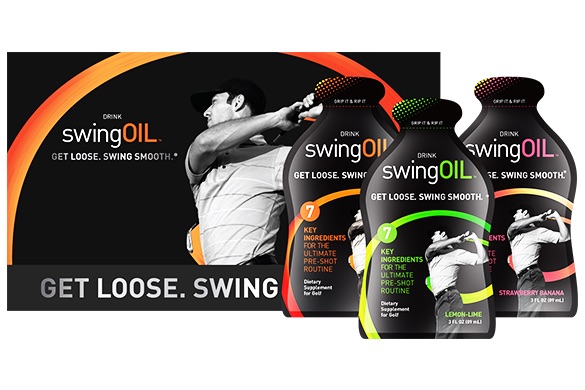
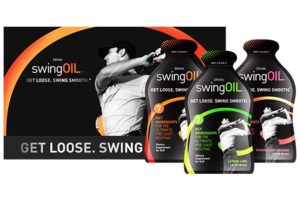
    Swing Oil“Swing Oil” is a slang term golfers sometimes use referring to a stiff drink or painkillers to help them loosen up to play golf. In my personal experience, when I talk about taking some swing oil it usually means popping three Advil about an hour before teeing off. I have a friend who’s version of swing oil is downing a spicy Bloody Mary before the round. Whatever your definition of swing oil is, the folks at Back 9 Beverages have a new one for us.
    What Is It?

    Officially, Swing Oil is a supplement drink specifically for golfers that promotes flexibility and focus. Going beyond physical skill and endurance, Swing Oil exists to help you with the mental aspects of the game like focus and alertness so you can play your best. How does Swing Oil help golfers? Each 3oz drink pouch provides 7 key ingredients to help you get loose and stay focused for 18 holes.

    What’s In It?

    • GLUCOSAMINE (100mg) & CHONDROITIN (50mg) – Helps you loosen up and stay loose. Found naturally in our joints, bone marrow, shellfish, and fungi. Glucosamine helps rebuild cartilage and many people take it as a supplement to treat arthritis and osteoarthritis.
    • TURMERIC (40mg) – This spice often used in Middle Eastern cuisine is said to have anti-inflammatory properties, although there isn’t much scientific evidence for use of turmeric as a therapy for inflammation.
    • TAURINE (100mg) – Taurine is a type of amino acid found throughout the body, particularly concentrated in the brain, eyes, heart and muscles. It is commonly used in energy drinks as a low calorie energy booster.
    • CITRULLINE MALATE (100mg) – This hot new supplement for body builders is a non-essential amino acid just like Taurine. Citrulline Malate is thought to reduce levels of lactic acid and ammonia which is produced during physical activity. In layman’s terms, Citrulline Malate helps your body recover from a workout faster.
    • GINSENG EXTRACT (100mg) – Ginseng has been used for thousands of years in Chinese traditional medicine. In terms of benefits, ginseng is supposed to help focus and concentration.
    • RHODIOLA ROSEA EXTRACT (50mg) – Rhodiola Rosea – also known as “golden root” – is an adaptogen herb. This group of plants can help your body adapt to physical, chemical and environmental stress, and rhodiola is thought to be one of the most effective in this family.

    In English Please!

    To recap, Swing Oil contains ingredients to help you loosen up before your round, keep you loose all day, give you a boost of energy, help you focus, concentrate and control stress, and help your body recover once the round is over. It’s important to note that the usual disclaimer that comes with any dietary supplement is also applicable for Swing Oil: “These statements have not been evaluated by the Food and Drug Administration. This product is not intended to diagnose, treat, cure, or prevent any disease.” Now that the legal matters are out of the way, we get to the important question.

    Does It Work?

    Does Swing Oil work as advertised? If you ask me it does. Like many people, I normally take 600mg or 800mg of Advil (Ibuprofen) before a round to help me loosen up. I would prefer not to take it, but my game suffers demonstrably when I don’t and maintaining a +1 handicap without much practice is hard enough. To see if Swing Oil really works, instead of taking Advil, for six weeks I drank two 3oz pouches of Swing Oil before playing and one at the turn. In that time I played 11 rounds, including three tournament rounds. 8 of the 11 rounds I played were at par or better, with five rounds in the 60s. In that time my USGA handicap index went from a +0.2 to +1.5. (I’ve since slid back to +0.8 as of 4/15/2017)

    Now, it’s entirely possible that I went on a temporary hot streak like many golfers do, but this hot streak started and ended about the time I started using Swing Oil. Could it be a simple placebo effect? I’ll let you make your own determination. While the effectiveness of any nutritional supplement depends largely on who’s taking it, I think for me it had a positive effect. My testing was obviously not scientific in any way, but my observations can be summarized with the following:

    • Swing Oil alone isn’t as effective as Ibuprofen for use as an anti-inflammatory. This isn’t a surprise, but I think it’s worth noting. If anything Swing Oil is a good complement to Advil, and may reduce the need to take as much as I do to get the desired effect. Perhaps in the future I’ll combine Ibuprofen and Swing Oil to get the benefits of both!
    • While taking Swing Oil, I felt alert and mentally sharp. As advertised, Swing Oil helps you stay alert and focused for 18 holes. This is the single most important benefit of any supplement for me. Eliminating mental errors by staying sharp for 18 holes can save me 3 to 6 strokes. Everyone makes bad swings, but for low handicap golfers and professionals, being patient and making good decisions on the golf course often makes the difference between a round in the mid-70s and one that is under par.
    • Swing Oil tastes pretty good. I wasn’t a huge fan of the Strawberry-Banana flavor, but I enjoyed the Orange flavor. Lemon-Lime was my favorite. Many supplement drinks taste chalky or medicine-like, but Swing Oil just tastes like a sports drink, albeit with a thicker consistency a bit more like a light gel. Swing Oil goes down smooth and tastes great so you won’t dread taking it like those horse pill supplements.
    • Swing Oil is a bit pricey. Like many specialized supplements, they can get a little expensive. A 12-Pack on their website goes for $34.95, which comes out to $2.91 per pouch. If taken as directed, you have one before playing, one during the round and one after for recovery. For a once a week golfer, a 12-pack is therefore a one month supply. Buying in bulk saves you some money however. The 60-pack sells for $159, which comes to $2.65 per pouch. Shipping is free.

    Team Swing Oil

    PGA Tour player and former world #1 Jason Day endorses Swing Oil, and several players on PGA Tour Champions are using it. That’s gotta be worth something, right? Kenny Perry gave Swing Oil a fantastic endorsement recently during the 3M Championship, and his colleague Gene Sauers claims he hasn’t taken Advil before playing since switching to Swing Oil.

    If you need something to help loosen up and stay sharp on the course, you may want to try Swing Oil. The price may be a bit steep for some, but if it works you’ll probably make that money back from your buddies anyway!

  • 2016 Year in Review

    Arnold Palmer2016 was an interesting year in golf. As it does almost every year, the golf world started the year with great optimism and enthusiasm at the PGA Merchandise Show in Orlando. However, it wasn’t all good news for the game of golf in 2016. Let’s take a look back at the highs and lows of the year in golf.

    Major Pro Tours

    Henrik Stenson and Dustin Johnson finally broke through and won majors, Jason Day had another great season and finished the year at #1 in the world, and Justin Rose won the first Olympic gold medal in golf since 1904.

    The LPGA Tour continued to be dominated by countries other than the USA, with players from Asian countries winning 19/35 events, and other winners coming from New Zealand, Australia, Sweden, Canada, Spain and Germany. Thailand’s Ariya Jutanugarn won 5 times, including a major and captured the money list, CME Globe and Player of the Year honors. South Korea’s Inbee Park won the gold medal for her country at the Olympics.

    As far as records go, it’ll be hard to top Jim Furyk’s 58 he shot in the final round of the Travelers Championship, beating his record tying 59 from 2013 by a shot. He hit all 18 greens on his way to the lowest round in PGA Tour history, made all the more amazing considering he shot a very sloppy 74 the day before, hitting only 5 fairways.

    Oh yeah, and some guy named Tiger showed up at a tournament in the Bahamas…

    Golf Business

    While some great new products hit the market in 2016, the biggest business story of the year was the uncertainty and failure of a couple of big names. After many years with un-Nike-like market share and quirky club design ideas, Nike decided to pull the plug on their golf equipment division, meaning (among other things) Nike staffers like Tiger Woods, Rory McIlroy & Michelle Wie will be highly sought after for equipment deals. Nike continues to be a major player in golf apparel and footwear however, recently signing Jason Day away to a multi year deal.

    Well known golf & tennis retailer Golfsmith went into bankruptcy and was subsequently purchased by Dick’s Sporting Goods. Most Golfsmith stores will close, with only the most profitable locations staying open or being rebranded under the Golf Galaxy brand. Sports industry giant adidas has not-so-quietly been trying to sell off the Taylor-Made/Adams Golf brand, with no takers in sight. Cleveland Golf has been reduced to basically just a wedge company since parent company SRI Sports has focused on building their Srixon brand in the US market.

    Golf Equipment & Accessories

    Due to the limits the USGA has imposed on performance of golf clubs and balls, we probably won’t see many significant advances in club technology in the coming years, but some great new products surprised me nevertheless.

    While not new in 2016, alternative golf transport like the Golf Skate Caddy and the Golfboard started to hit the mainstream. After one round I was hooked and made several trips to golf courses strictly because they had Golfboards.

    Putter designer Guerin Rife has been quiet for a few years since his ugly separation from the company that bore his name – Rife Golf. He’s was back in 2016 with Evnroll, a new putter design that is among the best ever tested according to the folks at mygolfspy.com. While we haven’t tried them yet on the golf course (only indoors), I’m very eager to report on their effectiveness in the real world as well.

    Perhaps the most impactful driver of 2016 was Knuth Golf’s High Heat driver. You may not have heard of it because they don’t have commercials on TV or PGA Tour pros playing with it, but that’s because it wasn’t designed for PGA Tour pros. It was designed to perform best for average amateur golfers, and that is one promise it lives up to.

    The biggest “oopsie” of the year goes to Wilson Golf, who invested heavily in a reality show competition on the Golf Channel that pitted teams of designers against each other to come up with the company’s latest driver. Eventually a winner was chosen and the club was marketed as the Wilson Staff Triton and hit the market immediately after the final TV episode. Unfortunately, the USGA had not approved it yet. While the issue appears to have been related to the timing of the show and the desire to keep the results secret until the final episode, it was pie in the face for Wilson Golf and spoiled their product launch to a degree.

    The King

    Probably the biggest story in golf this past year was the passing of Arnold Palmer. There’s no need to go into all the reasons why he was so important to the game, because I could fill a page with that alone. The King seemed to touch everyone who plays the game in different ways, and other than maybe Jack Nicklaus, there isn’t anyone in golf that is more universally loved and respected than Arnold Palmer was. His memory and his legacy will live on forever,

    Looking Forward

    As always, we look ahead into 2017 with hope and optimism. I for one enter 2017 with renewed passion and commitment for the game, as I’ve joined a golf club for the first time ever. I intend to use the membership not only to enjoy the game I love more often, but to take advantage of the club’s unrestricted walking policy (Not an easy thing to find in Florida these days) to lose weight. Walking 9 holes early in the morning certainly beats marching on a treadmill!

    The PGA Merchandise Show in Orlando is just around the corner, and I look forward to catching up with my industry friends again. What started as an annual display of all the cool new stuff has now become a yearly social gathering for me. I’m less excited about new products as I am about old friends.

    Having taken part in the WAGC’s World Finals in Turkey in 2015, I joined the WAGT in the US and look forward to the challenge of qualifying for Team USA once again, this time in Malaysia!

  • Farewell to the King

    arnie-swilcan-farewellLast night as I was watching the PGA Tour Champions playoff in Canada between Colin Montgomery and Scott McCarron, the broadcast cut to the Golf Channel studios where Rich Lerner delivered the news. Arnold Palmer had passed away at the age of 87. The announcement made an already somber day downright miserable, as I was already reeling from the news of Miami Marlins star pitcher Jose Fernandez having been killed in a tragic boating accident earlier in the day.
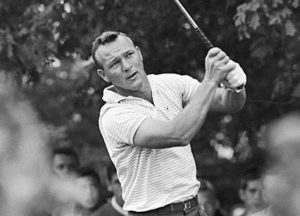
    Whenever you hear about someone’s death you tend to reflect on their life through personal memories. In my case, I was lucky to have run into Mr. Palmer at his Florida home at the Bay Hill Club and Lodge in Orlando. To say I ran into him is not technically accurate. In fact, he almost ran into me – Literally! I was coming out of the lodge and walking towards the Golf Channel hospitality tent on the 9th hole during the Bay Hill Invitational a few years ago when Mr. Palmer came around the corner in his golf cart and almost ran me down as I stepped out from behind a trailer.

    “Good thing the brakes still work!” – He said with his trademark smile as I stood there petrified. After gathering myself and apologizing, I added that I couldn’t think of anyone else I would rather be run over by. We shared a quick laugh and went our separate ways, and I realized I had become one of the many thousands of people that have been (almost) impacted by Mr. Palmer. (pun intended) At least I could now joke with my friends that I was almost run over by The King.

    Like the countless people that watched him growing up, followed his life after competitive golf and been around him over the years, I will always remember Arnold Palmer very fondly. He leaves us with great memories and will always bring a smile to our faces. Farewell to the King, may he rest in peace.

  • Lostgolfballs.com – Never Buy New Golf Balls Again

    DiverIt is estimated that golfers lose about 300 million golf balls per year in the United States alone. That’s a lot of cash sitting at the bottom of a lake! So tell me, why are you paying full retail price for golf balls? Professional golfers on the PGA Tour will use between 5 and 9 golf balls per round on average. That’s fine for them because they get their balls free. The average weekend golfer may also use several golf balls per round, but that’s usually because they get lost in the trees or water!
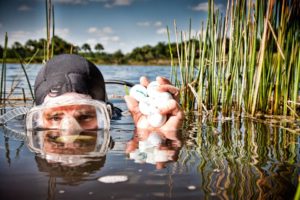
    Lostgolfballs.com finds those golf balls, cleans them up and sells them back to you at a deep discount. They have been doing it for over twenty years, and they are the best at it. Golf is hard, and let’s be honest – Most golfers suck at it. Company founder Gary Krueger knows this better than most. He played on the PGA Tour. Think I’m exaggerating? Lostgolfballs.com recovered, recycled and sold over 43 million golf balls in 2015. That accounts for 6% of all golf balls sold worldwide! Since the company started they’ve processed and sold close to 530 million golf balls. That’s million, with a capital M.

    The Recovery Process

    As the company likes to say, every golf ball is used once it has been hit. Lostgolfballs.com uses a proprietary and environmentally friendly cleaning system that washes every golf ball without damaging its original condition. Once they have been cleaned and sorted by brand and model, the golf balls are given a rating from A to AAAAA. Golf balls rated AAAAA (5A) are in almost new condition and show hardly any signs of wear, if at all. The most common difference between a 5A rated used ball and a new ball will be some ink left over from the previous owner’s personal markings that the cleaning process wasn’t able to fully remove. AAAA (4A) golf balls will show minor signs of wear, similar to a golf ball that has been played for a few holes, but with no drop in performance.

    Why Buy Used?

    In a word? Cost! Lostgolfballs.com sells their 5A rated golf balls at almost 50% off the retail price, and in some cases more than 50% off. AAAA (4A) and AAA (3A) rated balls are even less. Taking the most popular golf ball as an example – The Titleist Pro V1 and V1x golf balls retail new for $47.99 per dozen. At lostgolfballs.com, the cost for a dozen is $26.99 (5A), $21.99 (4A) and $14.99 (3A). Furthermore, you can buy in bulk. Titleist Pro V1 buckets of 50 or 100 (5A quality) are available for $111.99 and $223.99, respectively. When buying brand new, you pay $4 per golf ball. When buying used, 5A quality balls you pay about $2.25 each. If you choose 4A rated balls you’ll pay $1.83 each.

    Does A Used Ball Perform Like New?

    When it comes to golf balls, they don’t make ’em like they used to, and that’s a great thing for us! Golf balls are no longer constructed with liquid cores and rubber windings, and as a result they are far more consistent and durable than they have ever been. It’s not uncommon for golfers to play multiple rounds with the same golf ball. Personally, I’ve played 54 holes with one ball before, and after a quick cleaning by hand it still resembled one of lostgolfballs.com’s 4A rated balls.

    To help consumers understand that used golf balls perform just as well as new ones, lostgolfballs.com did some testing at an independent research facility to compare used balls they sell with brand new versions of the same balls. Given the variables in testing and statistical margin for error, the data showed that the difference between the used balls and new balls was almost negligible. In some cases the used balls even flew further than the new ones!

    To Summarize…

    • Lostgolfballs.com’s recycled golf balls fly just as far and spin just as much as their new versions.
    • Used golf balls are much cheaper than new balls, and in some cases over 50% cheaper.
    • AAAAA (5A) rated golf balls are almost like new and show little (if any) signs of wear.
    • Every major brand and model is available – Titleist, Callaway, Taylor Made, Srixon, Bridgestone, Nike and more
    • Free shipping on orders over $100

    Give lostgolfballs.com a try if you are in the market for golf balls, and I know you are. I think you’ll be impressed at the quality of golf balls you get, and you’ll get a lot more for your money too. Once you’ve played a few holes with them you’ll realize you’ve been wasting money all these years, and you’ll never buy new golf balls again.

  • Cure Putters 2016 Lineup

    Cure RX3Cure Putters was born in 2013 in Flagler Beach, Florida – Just up the road from where I live. The concept was simple. Make a putter that has high MOI, is adjustable for weight, lie angle and also has interchangeable shafts. Once designers Steve Davis and Jeff Ryan showed their putter to former PGA Tour Commissioner Deane Beman, he liked it so much he wanted to be a part of the company. Since their official introduction at the 2014 PGA Merchandise Show in Orlando the response has been overwhelming.

    If professional tour usage is a measure of success for a club, the Cure Putter is doing very well indeed. Since its introduction a few years ago Cure Putters have gained a strong following on the PGA Tour Champions, LPGA Tour and PGA Tour.

    Whats the Deal with MOI?

    MOI stands for Moment of Inertia. MOI is a term used in physics to describe an object’s resistance to twisting. In this case the object in question is a putter. The higher the MOI, the less the putter will twist on off-center hits. Simply speaking, the higher the MOI, the more stable and forgiving a club will be. With putters that means a poorly struck putt will stay on line better with a high MOI putter.

    Most blade style putters like the Ping Anser and Scotty Cameron Newport have an MOI of around 4000. One of the most popular high MOI putters on the market, the Taylor Made Daddy Long Legs mallet, has an MOI rating of about 8000. By comparison, the 2016 Cure RX5 has an MOI that can be adjusted (via interchangeable weights) from 8500 up to 18,000! Cure is the highest MOI putter on the market, and it’s not even close.

    Cure Putter Goes in the Bag

    Last summer I got the 2015 RX3f model putter and it rolled the ball so well that I put it in play just a few weeks before the WAGT National Championship in Shawnee on Delaware, Pennsylvania. Despite not making as many putts as I wanted, I rolled the ball beautifully all week. In fact, one of my competitors I played with on all 4 days of the tournament remarked after the final round that most putts I rolled that week had perfect speed and most of them had a chance to go in. That was my “A-HA!” moment with the Cure Putter. As a player all you can really ask for is for your putts that don’t go in to finish close to the hole, and it’s exactly what Cure is promising – More consistent speed and line on all your putts, even if it doesn’t go in. That’s what high MOI will do for your putting.

    Low Loft, High CG

    Most putters come standard with 3 or 4 degrees of loft these days. Cure’s RX series have half that with 1.5 degrees of loft. The reason it works is because Cure Putters have a high center of gravity (CG) and a deeper face than traditional putters. The deep face and high CG combine to impact the ball closer to the equator which eliminates backspin and produces a more consistent roll.

    2016 RX Series

    Cure RX6For 2016 the RX Series get some updates. The shapes have been streamlined, three of the four models have a flange and the silver alignment disks that a few models had in 2015 are gone. The RX1 and RX2 models are also gone. The RX3 is a more compact size, with a face that is 5.25″ wide. The RX4 model is slightly bigger with a 5.5″ face, and the RX5 and flange-less RX6 model have a 6″ face for the greatest forgiveness and MOI. All models have adjustable weighting and a full adjustable hosel to custom fit the lie angle. Interchangeable shafts allow golfers to switch between straight and offset shafts. Every RX Series putter is adjustable for lie angle from 62 to 80 degrees (most upright allowed by the rules of golf) and has 1.5 degrees of loft.
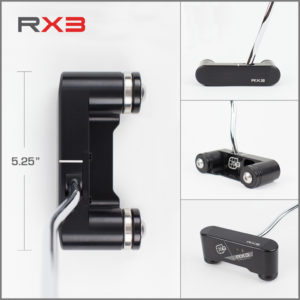
    RX3 – The adjustable weighting system may be the feature that sets the Cure Putters apart from the competition. The RX3 is adjustable from 332 grams up to 586 grams. At over 500 grams this putter can be a sledge hammer, but you can hit it anywhere on the face and still make putts. The RX3 is the smallest putter in the RX series.

    RX4 – The RX4 is the middle child in the RX series. The 5.5″ face is a little bigger than the RX3 but still looks more compact compared to the RX5 and RX6. The RX4 is adjustable for weight between 349 grams and 603 grams for an MOI range of 6900 to 14600.

    RX5 – The Cure RX5 is the biggest putter Cure makes with a flange. With a full 6″ wide face and adjustable weights from 361 grams to 615 grams with the extended weight kit, this putter is also the most resistant to twisting model Cure makes. At a weight of 615 grams, the MOI rating is 18000, which is the highest in golf.

    RX6 – The Cure RX6 is similar to the other models in being adjustable for lie and weight, plus having the ability to change shafts. Unlike the other models however, the RX6 has zero degrees of loft, no flange and is available in 5 different colors.

    2016 CX Series

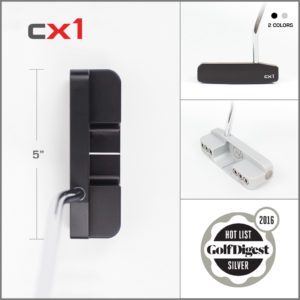
    Cure CX1Known as the Classic Series, the CX1 and CX2 putters from Cure have more traditional shapes while still offering high MOI and weight adjustability. The CX Series measure 5″ wide and have 2.5 degrees of loft. Weights range from 334 to 376 grams for the CX1 and 342 to 384 grams for the CX2. Both models have a spiral milled face and a 70° lie angle.
    If the RX Series are too big or look too unconventional for you, but you still want high MOI with the design advantages of a Cure Putter, then the Classic Series may be the best option for you.

    Availability & Pricing

    Cure Putters are available at all major golf retailers and online directly from www.cureputters.com. Prices range from $229 for the RX6, $259 for the RX3,4 & 5 and $299 for the Classic Series putters.


  • First Look – Harry Taylor Wedges

    Harry Taylor WedgesChances are good that you haven’t heard the name Harry Taylor before. Chances are also very good that (much like our friend Clay Long) at some point you’ve probably played golf with clubs that he designed or helped design.
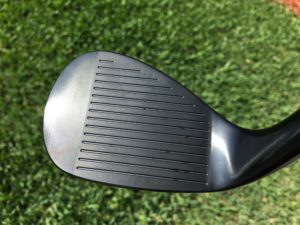
    In the 1980s while playing on the PGA Tour, Mr. Taylor helped launch the TaylorMade Golf company with legendary golf industry pioneer Gary Adams. In case you haven’t figured it out yet – Yes, the company is indeed named after him.

    After leaving TaylorMade, he once again helped Adams launch a new company. This one was called Founders Club, and Taylor brought with him a club design partner named Bob Vokey. Yeah, THAT Bob Vokey. Taylor later helped establish Mizuno as one of the premier iron makers in golf – a reputation they still have to this day. During his tenure at Mizuno they also became the #1 iron manufacturer on tour for eight straight seasons.

    Harry Taylor WedgesBy now you should be starting to understand how significant Harry Taylor’s role in the golf club industry is. After a stint on the Champions Tour, a health scare and some soul searching, he returned to golf club design. The result of his years of experience and passion for the game are the new Harry Taylor Design 305 series wedges.
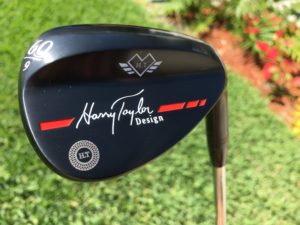
    Harry Taylor Wedges

    Harry Taylor’s 305 series wedges are milled from 303 stainless steel and available in lofts of 52, 54, 56, 58 and 60 degrees. They are available in black or satin finishes and are fitted with True Temper Dynamic Gold S400 shaft, which is a very popular choice on the PGA Tour for wedges.

    We’ll be putting our tester through some heavy play testing for the next several weeks and we’ll be back soon with a full review of these beauties!


  • 7 Reasons to Visit Hilton Head Island

    7 Reasons to Visit Hilton Head Island

    Hilton Head Island has long been one of the most popular and beloved vacation destinations in the United States, but have you visited the island lately? They are upping their game and ready to impress. Some say Hilton Head Island is too expensive, but if you think that you simply aren’t looking hard enough. While Hilton Head Golf Island offers plenty of upscale, premium golf experiences, there are also some fantastic deals available without having to skimp on quality.

    #10 Jones Course, Palmetto Dunes
    #10 Jones Course, Palmetto Dunes

    “Spring is the peak season for golfers to visit Hilton Head Island to experience our world-class golf courses, stunning Lowcountry scenery and amazing culinary offerings,” says Cary Corbitt, President of the Lowcountry Golf Course Owners Association and Vice President of Sports and Operations at Sea Pines Resort. “Many resorts have made significant upgrades and improvements – totaling more than $200 million – to both their golf courses and accommodations to make everyone’s golf experience here truly memorable.”

    If you are searching for a great value for a buddies golf trip or even a family getaway, you need to take a serious look at Hilton Head Island. Below are just seven reasons why you should visit the Carolina Low Country this spring.

    #16 Fazio Course - Palmetto Dunes
    #16 Fazio Course – Palmetto Dunes

    7 Reasons to Visit Hilton Head Island This Spring

    1. Hilton Head Golf Island’s territory includes over 30 golf courses on and around the island, including championship designs from legendary golf course architects like Jack Nicklaus, Robert Trent Jones, George Fazio and Pete Dye.
    2. Hilton Head Golf Island’s courses and resorts have earned top 10 rankings in seven categories by Golf Digest, including “Best Buddies Trip Destination,” “Best Accommodations,” “Best Couples Trip,” “Best Courses,” “Best Food and Drink,” “Best Weather” and “Best Value.” Hilton Head Island also was named the International Association of Golf Tour Operators’ Golf Destination of the Year for North America for 2016.
    3. The PGA Tour stops by Hilton Head Island every spring to play the RBC Heritage at Harbor Town Golf Links. The PGA Tour pros love spending a week on Hilton Head Island. It’s always ranked one of their favorite tournament stops every year.
    4. Hilton head Island is easy to get to. It’s less than an 8 hour drive up or down I95 for millions of people, and Savanah/Hilton Head International Airport (SAV) is very convenient for those traveling by air. SAV has daily non-stop flights on JetBlue from Boston and New York City, and Allegiant Air flies non-stop from Indianapolis, Cincinnati, Baltimore, Pittsburgh and others. 14 other locales offer non-stop service to SAV from Chicago, Detroit, Dallas/Fort Worth, Houston, Philadelphia and Washington D.C.
    5. There’s much more to do than just golf! To start, Hilton Head Island is home to 8 of the world’s top 100 tennis resorts and boasts over 500 public and private tennis courts. Then there’s world class inshore and offshore fishing and boating and kayaking, miles and miles of beaches, bike trails, nature walks and bird watching, plenty of art galleries, shopping and dining.
    6. The weather is fantastic. You’ll be at the very southern tip of South Carolina, near the Georgia border. With an average low of 57° and an average high of 75°, you are more likely than not to get great weather when you visit. March, April & May are the best months, with average temps in the low 60s to mid 70s.
    7. It’s not as expensive as you think. In fact, it’s pretty cheap! Take Palmetto Dunes Oceanfront Resort’s “Birdies and Beer Getaway” package for example – Guests enjoy four days/three nights in a two-bedroom villa at the Palmetto Dunes Oceanfront Resort, and three rounds of golf on the resort’s three championship courses: Robert Trent Jones Oceanfront, Arthur Hills and George Fazio. Starting at $180 per golfer/per night, the promotion features breakfast and beers via a resort gift card. Also offered: two hours of court time per day per villa at the Palmetto Dunes Tennis Center, range balls, dining and pro shop discounts, and preferred rates and priority access to all resort activities and amenities. $180 per night at a high quality resort like Palmetto Dunes is hard to beat!

    #16 Hills Course - Palmetto Dunes
    #16 Hills Course – Palmetto Dunes

    For additional information about rates, restrictions and other package inclusions, or to receive a quote, visit: www.hiltonheadgolfisland.com or call (800) 523-3373

  • BioMech AccuLock Ace Putter – First Look

    BioMech AccuLock AceIn case you were living under a rock for the past year, the arrival of 2016 ushered in the USGA’s not-so-popular ban on anchored putting strokes. What this means is that golfers can no longer lock or “anchor” the putter shaft to their bodies. The familiar broomstick long putter and belly putter styles of putting will be changed forever as everyone from PGA Tour players down to weekend hacks at the local muni are forced to adapt to the post-anchored stroke.
    One style of putting that stands to gain more acceptance with this rule change is the arm-lock style. You may have seen it before. Matt Kuchar has used it for several years to cash in on the PGA Tour. I spent several months playing with his unique putter a couple of years ago and wrote a review of it here. Being familiar with the arm-lock style, I was excited to see someone take the next step with this trend and make a putter specifically designed for the arm-lock method.

    2016-02-09 10.05.39BioMech Sports is hitting the market with their AccuLock Ace putter, and you may see some in use on the PGA Tour with Heath Slocum. During the Pebble Beach National Pro-Am you may also see some of the amateurs using the AccuLock Ace as they are being given to all the participants to try out. I spoke to the founder of BioMech – Dr. Frank Fornari about the design at the 2016 PGA Show and I’m excited to try it on the course. Stay tuned for the full review of this unique and interesting looking putter soon!
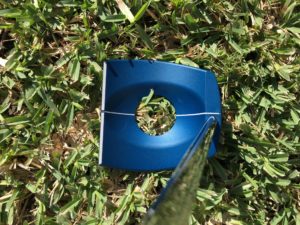
    2016-02-09 10.05.18

  • Club Glove – Last Bag

    Club Glove Last BagClub Glove has long been known for making high-quality products. The fanatical attention to detail and durability they build into their travel cases is almost legendary. If professional tour usage is any indication of quality, Club Glove is king of the hill. 90% of PGA Tour pros use Club Glove to protect their golf clubs.
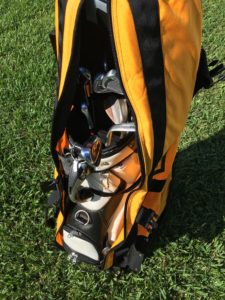
    For years I’ve used a hard plastic travel case from a rival brand and have been happy with it, but despite the durability of hard cases, the weight and size are drawbacks. I am only able to fit a small carry bag with the driver removed in the plastic case, and it weighs in at about 46 – 48 pounds with only a lightly loaded bag inside. Most airlines limit weight to 50 pounds before charging you extra, so excessive weight is a constant problem when traveling with golf clubs.

    Club Glove Last BagRecently I traveled to Antalya, Turkey to represent Team USA in the World Amateur Golf Championships and as part of the package I received a sweet new custom staff bag. Because of the size of the new bag, I needed a new travel case to fit it in. That’s where Club Glove’s Last Bag comes in!
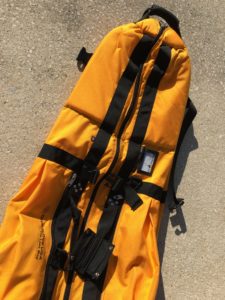
    The Last Bag from Club Glove is their top of the line golf travel bag. This premium large collapsible bag weighs about 11 lbs unloaded and accommodates nearly any golf bag and up to a 47″ driver, plus still has room for additional gear and accessories. Here are the specs:

    Club Glove Last Bag – Specs

    • 51″ H x 19″ W x 16″ D • 86 linear inches
    • Single piece burst proof construction made with Invista™ Cordura® 1000 D water resistant nylon up to 3x stronger and lasts up to 5x longer than standard polyester
    • 1600 D ballistic nylon base reinforcement
    • Reliable and durable YKK® zippers and ITW Nexus® Buckles
    • Patented high-impact plastic wheelbase with integrated support and super high rebound 70mm 78A inline skate wheels with bearings for smooth and quiet transport (U.S. Patent #7,188,714 and # 7,219,902)
    • Over the top zipper for easy loading
    • Patent-pending integrated carry handle integrates with Train Reaction™
      (Patent Pending Ser#12/348,857)
    • Patented adjustable restraint device to secure golf club set (U.S. Patent #6,901,979)
    • 2 exterior shoe/storage pockets with nylon shoe bags
    • ID card holder
    • Made in the USA

    Real World Testing

    Club Glove Last Bag Club Glove Last Bag Club Glove Last Bag

    Specs are nice and all, but how does the thing perform when being tossed around by disaffected airline baggage handlers? The bottom line is this: If you are anything like me, you’ve spent a lot of time and money putting together a set of golf clubs that look great and help you perform your best. I personally have about $3500 worth of custom made equipment to protect when I travel, so I don’t want to throw my clubs in some cheap $25 travel case you can pick up at Walmart.

    When I first received my Club Glove Last Bag, I was impressed with the thick cordura nylon and solid construction, but I was a little worried that my huge 9.5″ Burton staff bag would fit. My fears were misplaced however, because the bag fits inside easily. I picked the bright yellow color to make it easy to spot in airport baggage claims, and it also matches this website’s logo color. When packing my clubs I usually weave a couple extra towels back and forth between the irons to prevent them from banging around against each other too much. I then fit the golf bag’s rain hood on it, then slide it into the travel case.

    In my opinion, one critical accessory for this travel case is the Club Glove Stiff Arm. The Stiff Arm is a metal pole with a plastic cap on top that expands and protects your clubs, should the soft-sided travel bag be dropped on its head. Simply place it in your golf bag and expand until you get a tight fit against the rain hood. The Stiff Arm extends past your driver and three wood to absorb any impacts, giving your clubs additional protection. When you buy on Amazon they send you the Stiff Arm free.

    Once packed, the entire thing closes up nicely without much room to spare. The compression straps on the side of the bag allow you to take up that extra space for a nice tight fit. After adjusting the straps, it all felt very tightly packed and solid. The heavy-duty YKK zippers glide nicely and installing a standard TSA lock to secure the zipper ends was no problem. Once packed the bag weighed in at 46 pounds fully loaded, giving me some wiggle room for the airport baggage weight limit.

    My trip from Florida to Turkey and back included layovers in New York and Istanbul both ways, so that meant that my golf clubs would be handled (or mishandled) by airport staff at least 8 times. Getting the clubs through the airport to the check-in counter was a breeze. The large rollerblade wheels roll smoothly, the beefy grab handles are easy to use and the hard plastic skid plate allows the bag to negotiate curbs and escalators with ease.

    When I arrived in Antalya, Turkey I was happy that my bag arrived without any signs of wear and tear other than a bit of dirt and dust. The bag was intact and all my clubs were ready to go. After the return trip the bag showed some signs of tampering, but it was just the TSA that had opened it for inspection. It turns out that they rummaged around quite a bit because my lock was in the bottom of my golf bag instead of attached to the travel case, and some of the clubs were not in their usual position.

    LastBagAfter traveling over 13,000 miles and being tossed about and handled by various baggage handlers, airport security, customs agents, bus drivers and golf course attendants, the Last Bag stood up to the abuse and came out smelling like roses. The fact that there was no damage or appreciable wear to the bag and its contents is testament to the build quality of Club Glove products.

    In the end, the Club Glove Last Bag lives up to its name. If you are in need of a solid, high quality golf travel bag, this is the last bag you’ll ever need. The $299 MSRP may be a bit steep for some, but considering the investment you are protecting I think it’s worth it. This bag is tough as nails, easy to transport and functions perfectly. It even integrates and attaches to Club Glove’s other fantastic travel luggage to form a train for easy transport. If for some reason the Last Bag is not big enough for your bag, you can even get the Last Bag XL for those huge old-school staff bags. For more info, visit www.clubglove.com