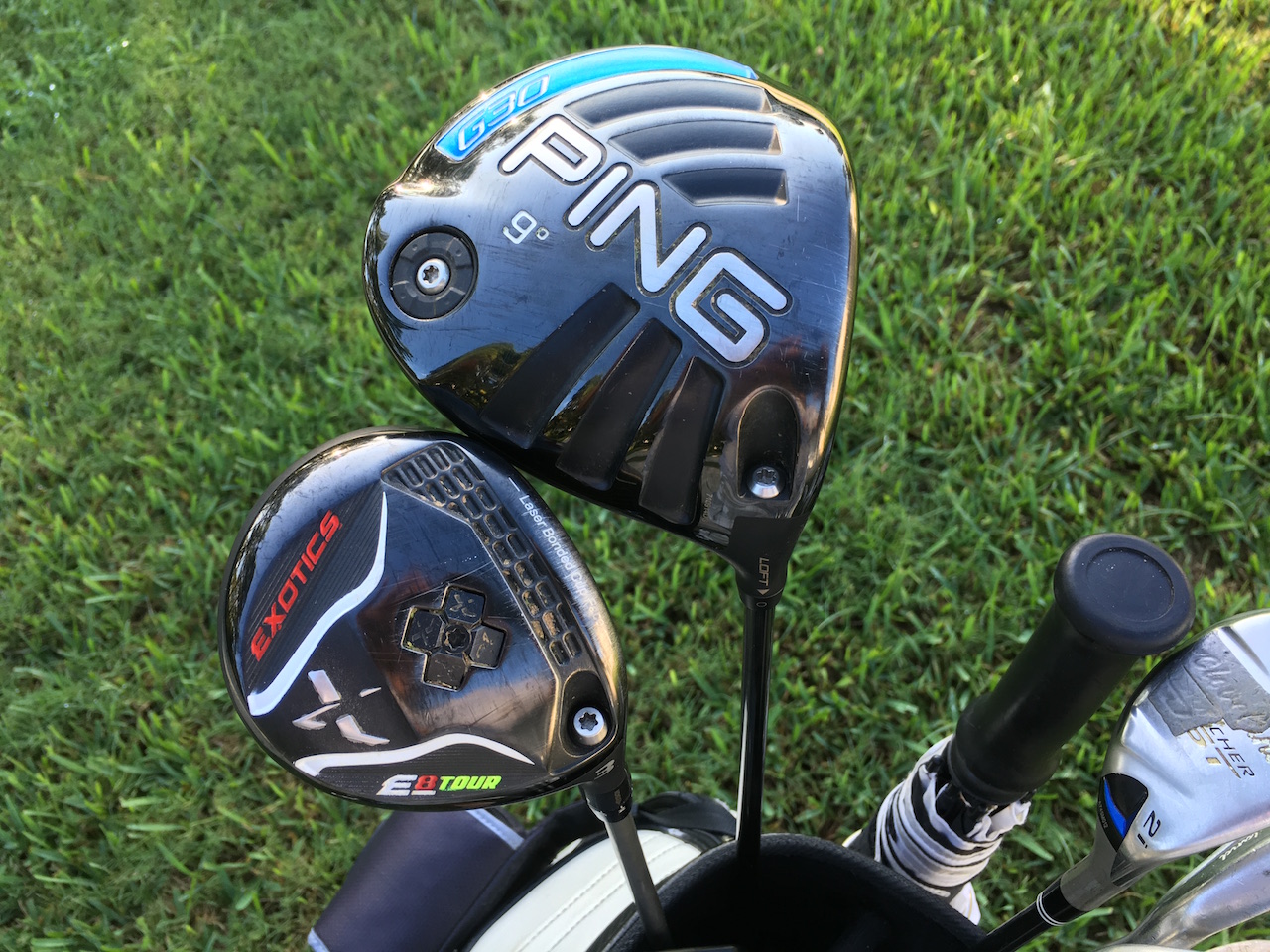
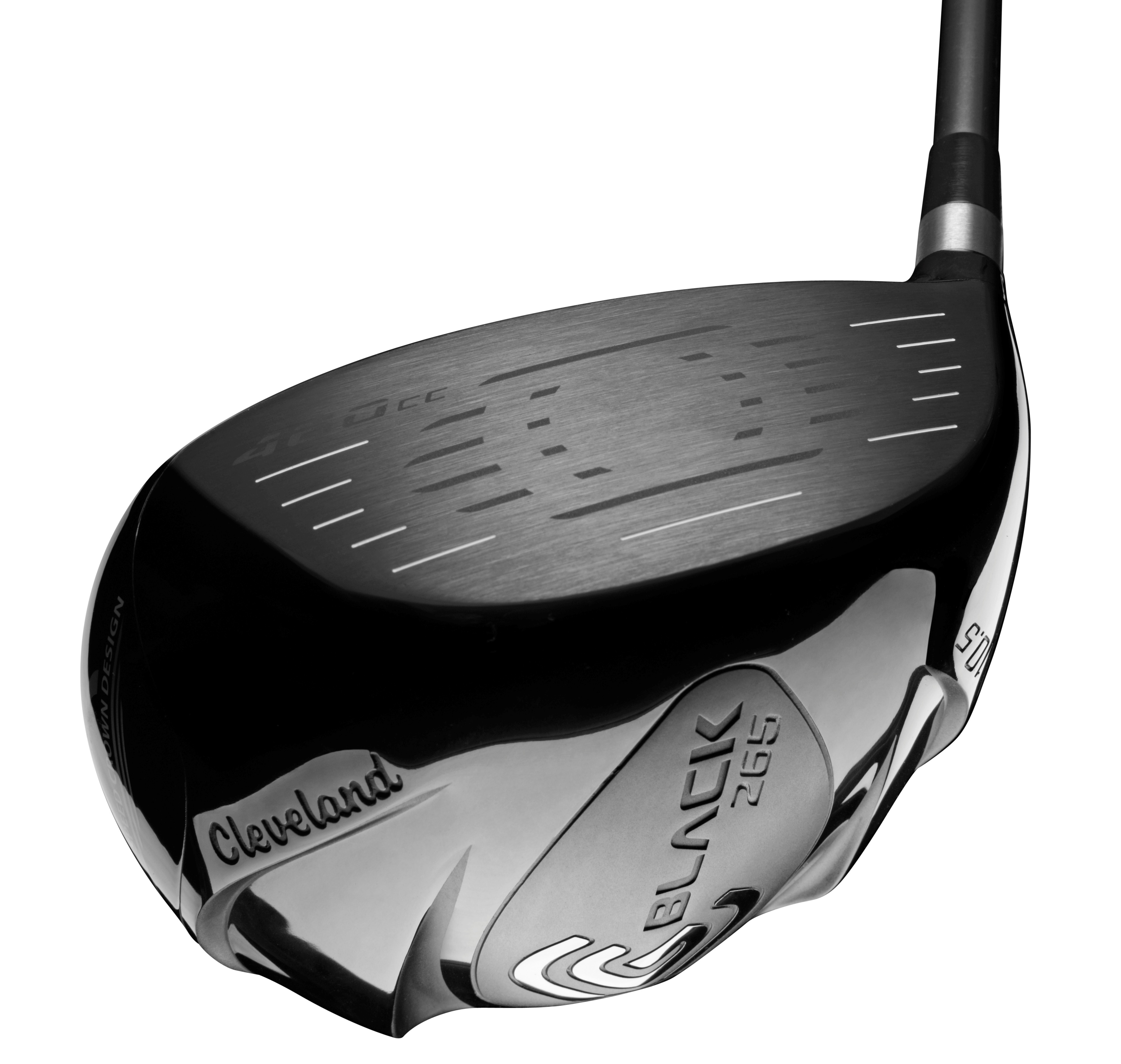
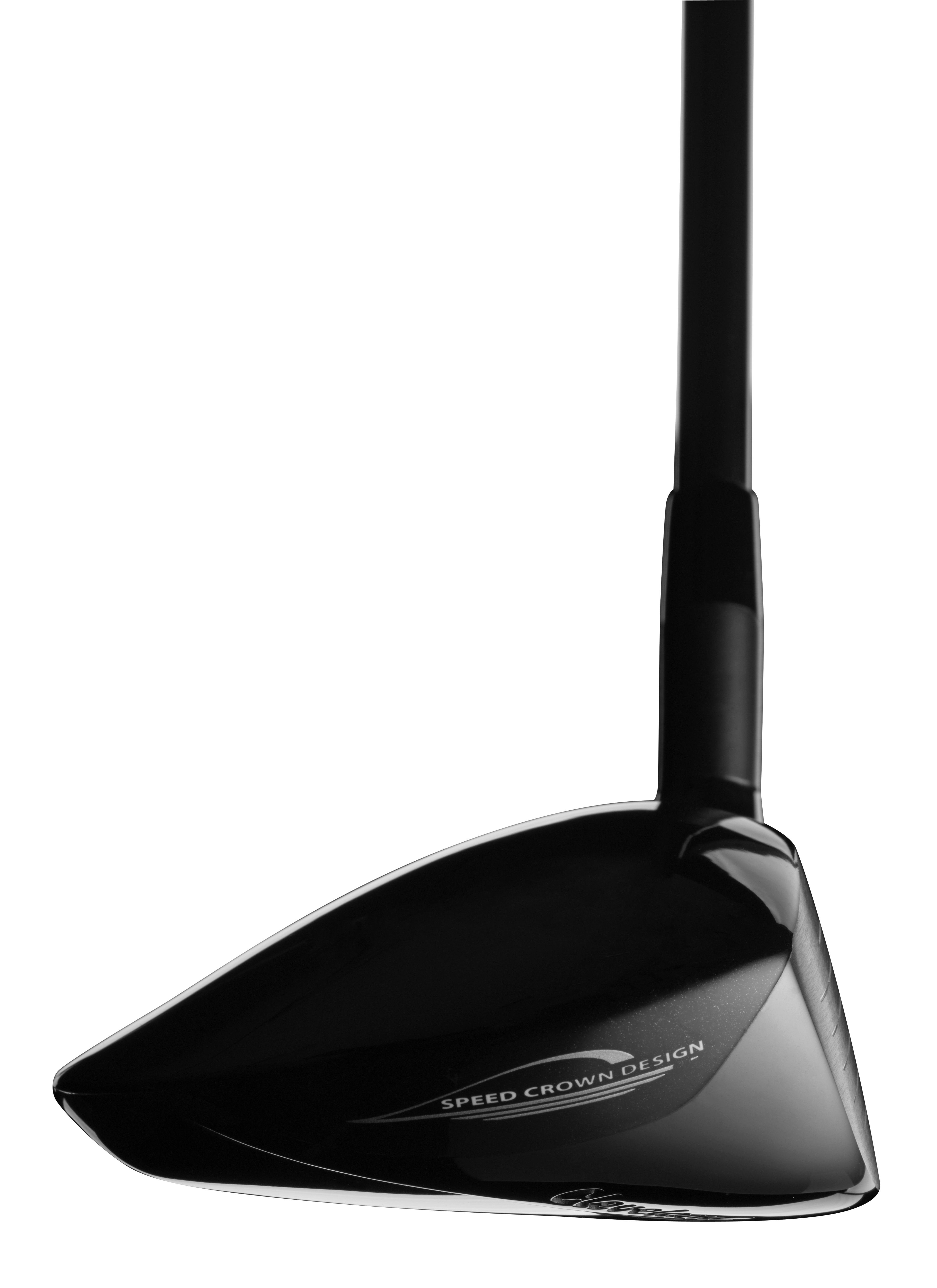
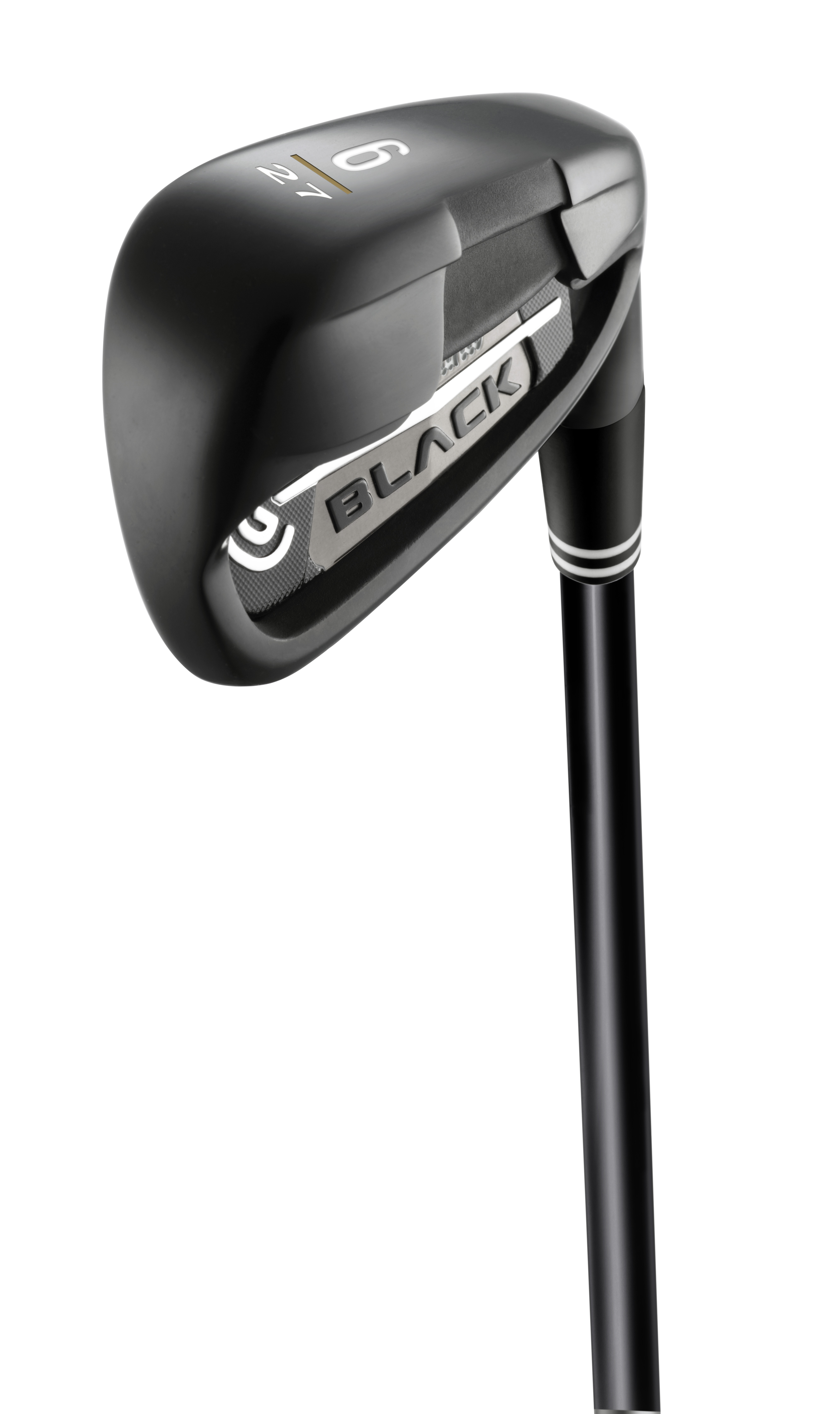
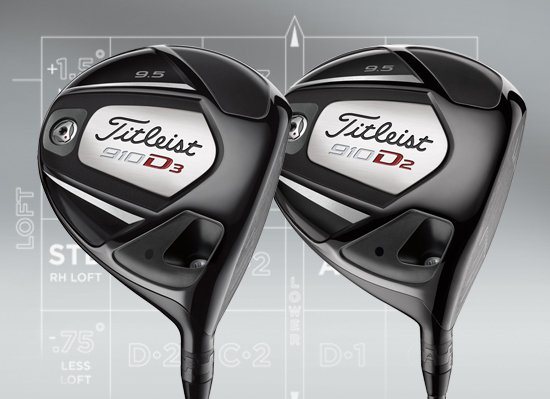
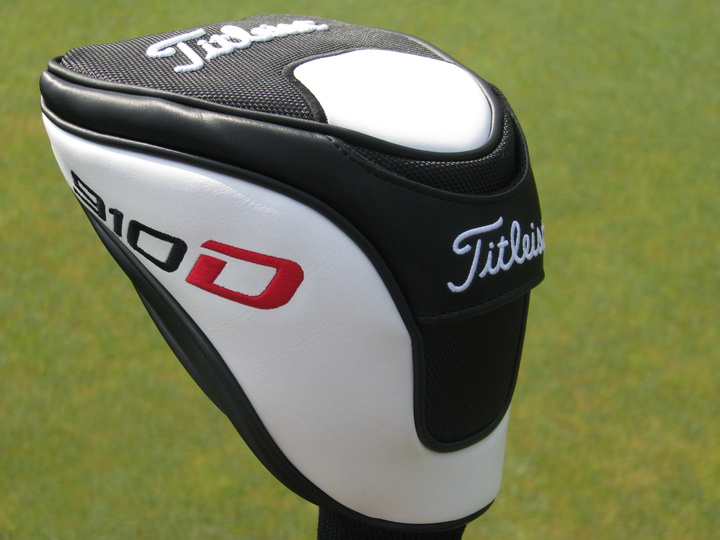
Back in September I posted my first “What’s In The Bag” segment that detailed the clubs I play with. WITB posts are pretty popular on other sites when they post pictures of PGA Tour players and their preferred equipment. It’s always interesting to see what the best players in the world play with, and the market for “tour van” or hard to find equipment – especially putters – is huge. Forget that most people couldn’t possibly hit the clubs that tour players use, they still want them for the exclusivity and cool factor. I’ll admit, I’m one of those people that love being unique and having things that nobody else has.
It’s for good reason that people are curious about the golf bags of PGA Tour players, but not many people care about what a lowly golf blogger plays with. It’s a shame too, because I think my fellow bloggers and golf media people are in a much better position to help others when it comes to getting the right equipment.
While the average touring pro is well paid to endorse a company’s golf clubs, golf writers and bloggers aren’t. That’s not to say we don’t get our share of sweetheart deals or eek out a tiny profit from online affiliate sales, but nobody I know that runs a golf blog is making much more than enough to keep the site going and pay for the occasional round of golf.
Golf writers and bloggers do however have access to and get to play with a ton of different clubs, and the ones that go in our golf bags as “gamers” have cut through the marketing hype and passed the test. Just like my buddy Tony from hookedongolfblog.com, in my golf bag on any given weekend sits a who’s who of golf manufacturers you may or may not have heard of. If we’re playing them, you can be pretty confident that they are a good buy.
Since the end of September all but 3 of the clubs in my bag have changed. No less than 6 different golf equipment companies are represented in my bag.
What’s in the bag?
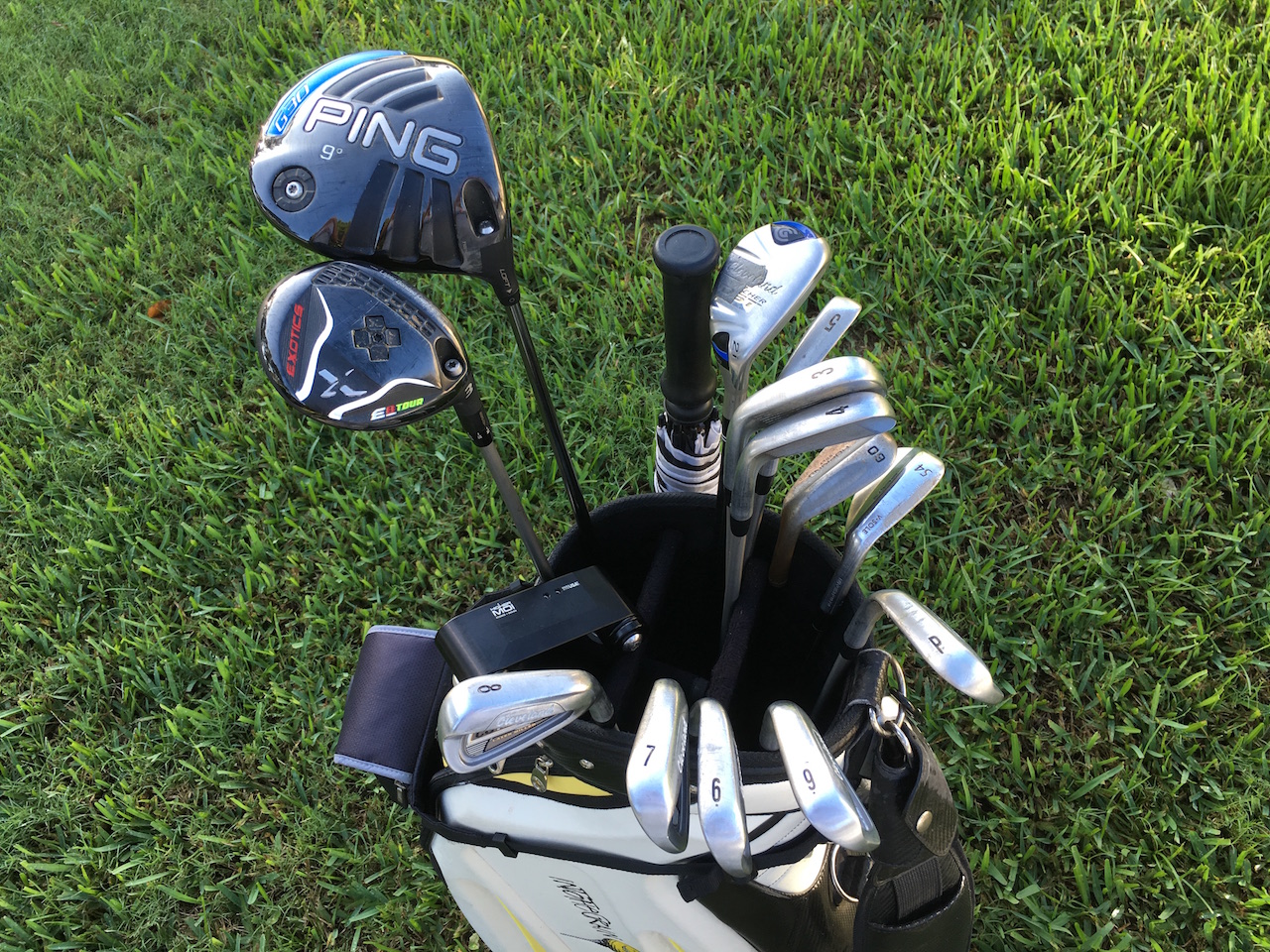
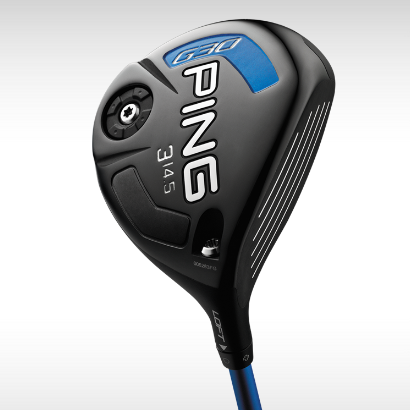
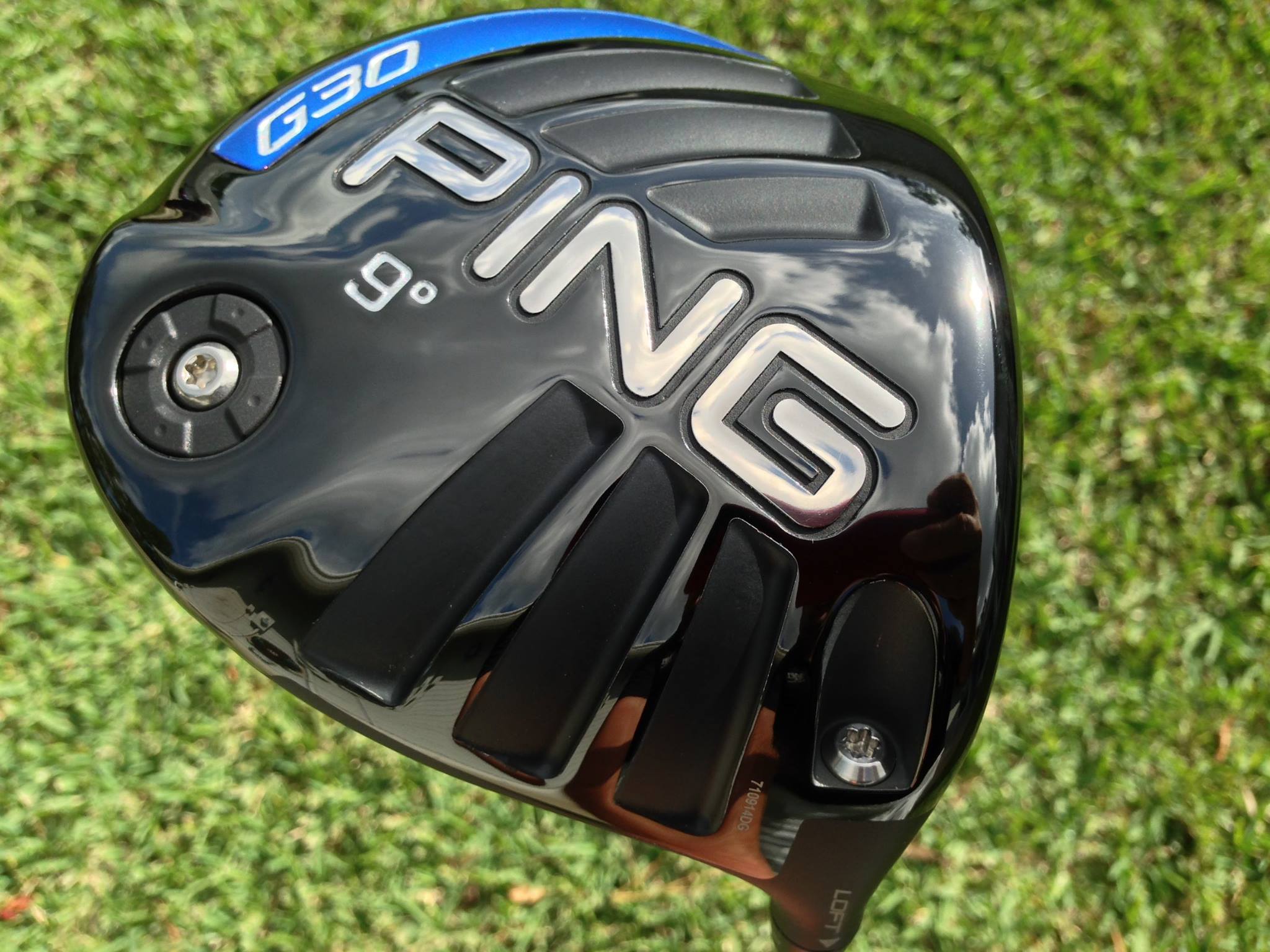
Driver: Ping G30 LS-TEC (9° w/ Ping Tour 80x)
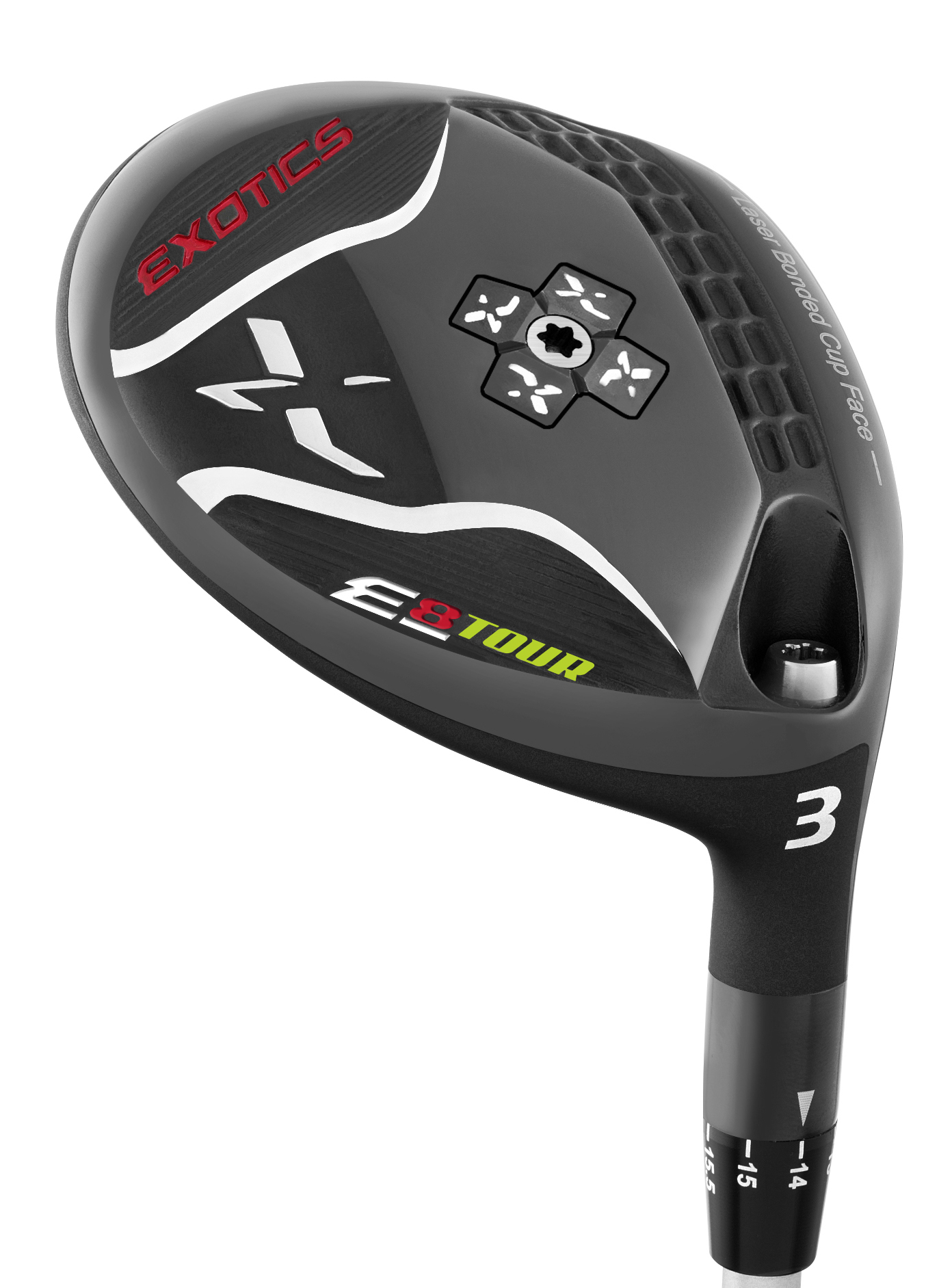
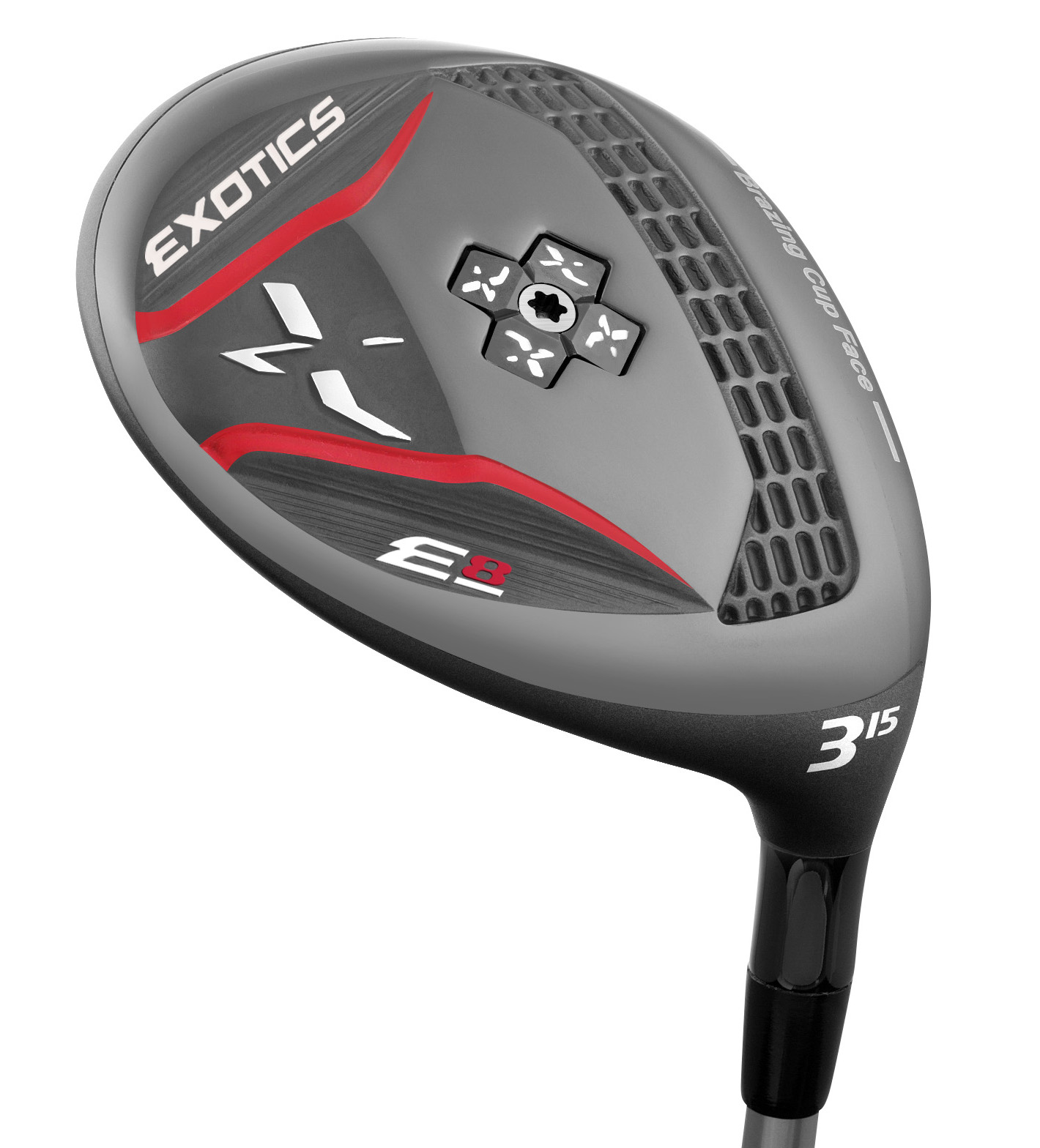
Fairway: Tour Edge Exotics E8 Tour (14° w/ Mitsubishi Rayon Diamana S+ 70x)
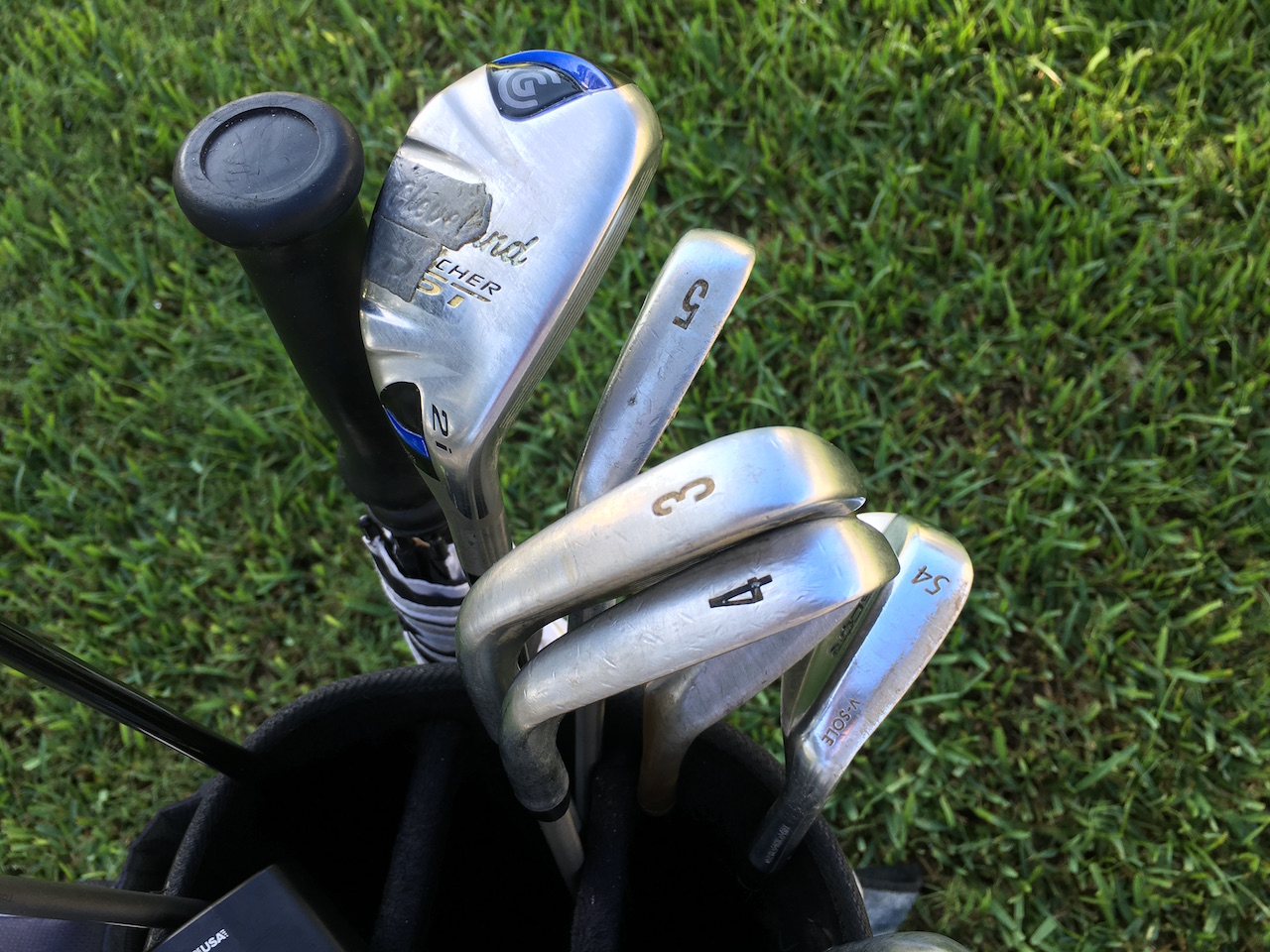
Hybrid: Srixon Z H45 (16° w/ Aerotech hls880 x-flex)
Utility Irons: Srixon Z U45 (20° & 23° w/ Aerotech Steelfiber i110cw x-flex)
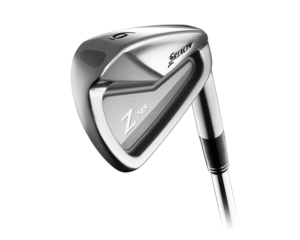
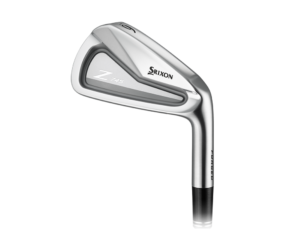
Irons: Srixon Z745 5-PW (w/ Aerotech Steelfiber i110cw x-flex)
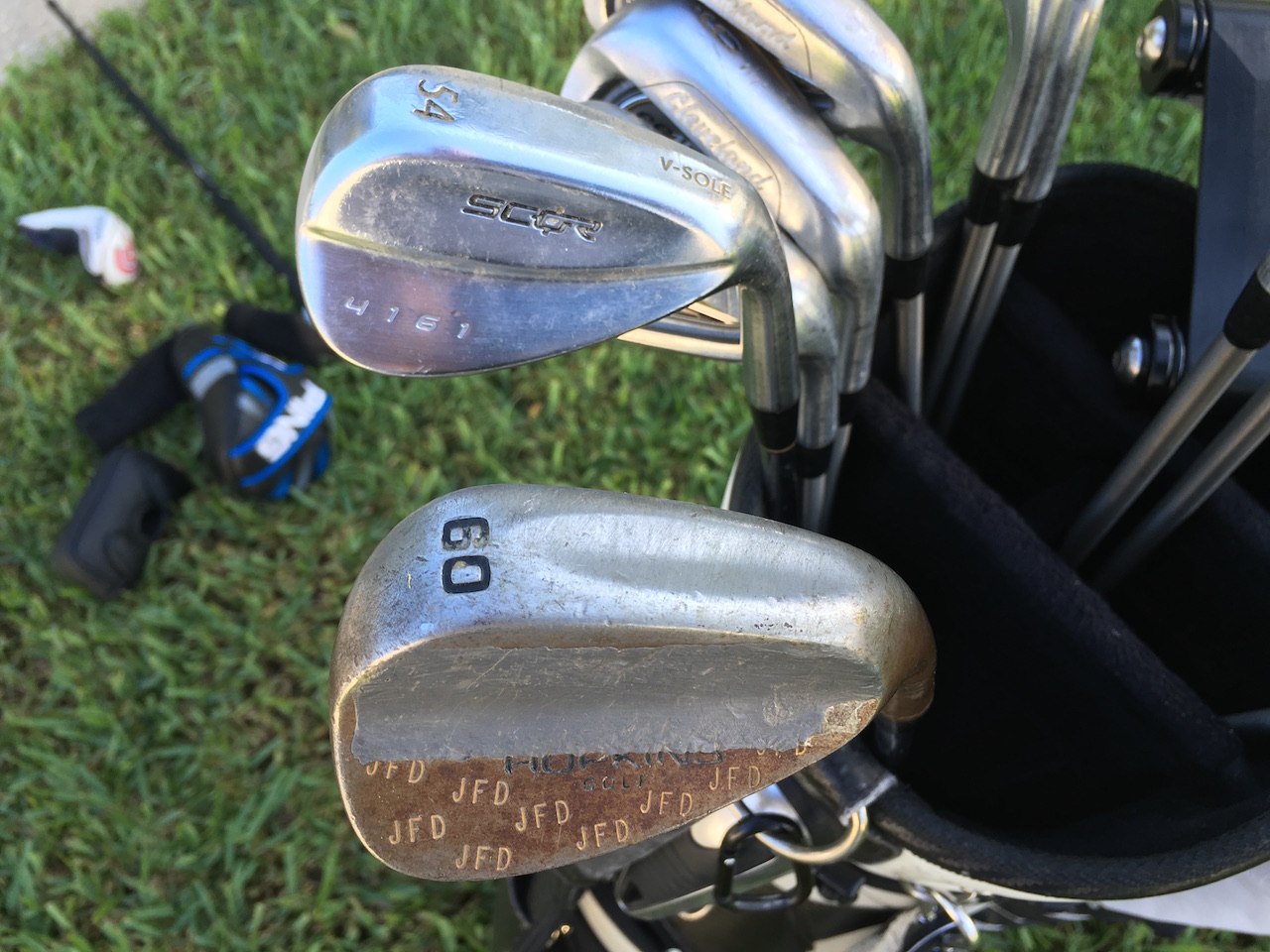
Wedges: Ben Hogan TK15 50° & 54° (w/ KBS Tour-V 120X)
Lob Wedge: Hopkins Golf CJ-1 60° (Custom channel grind w/ Dynamic Gold X-100)
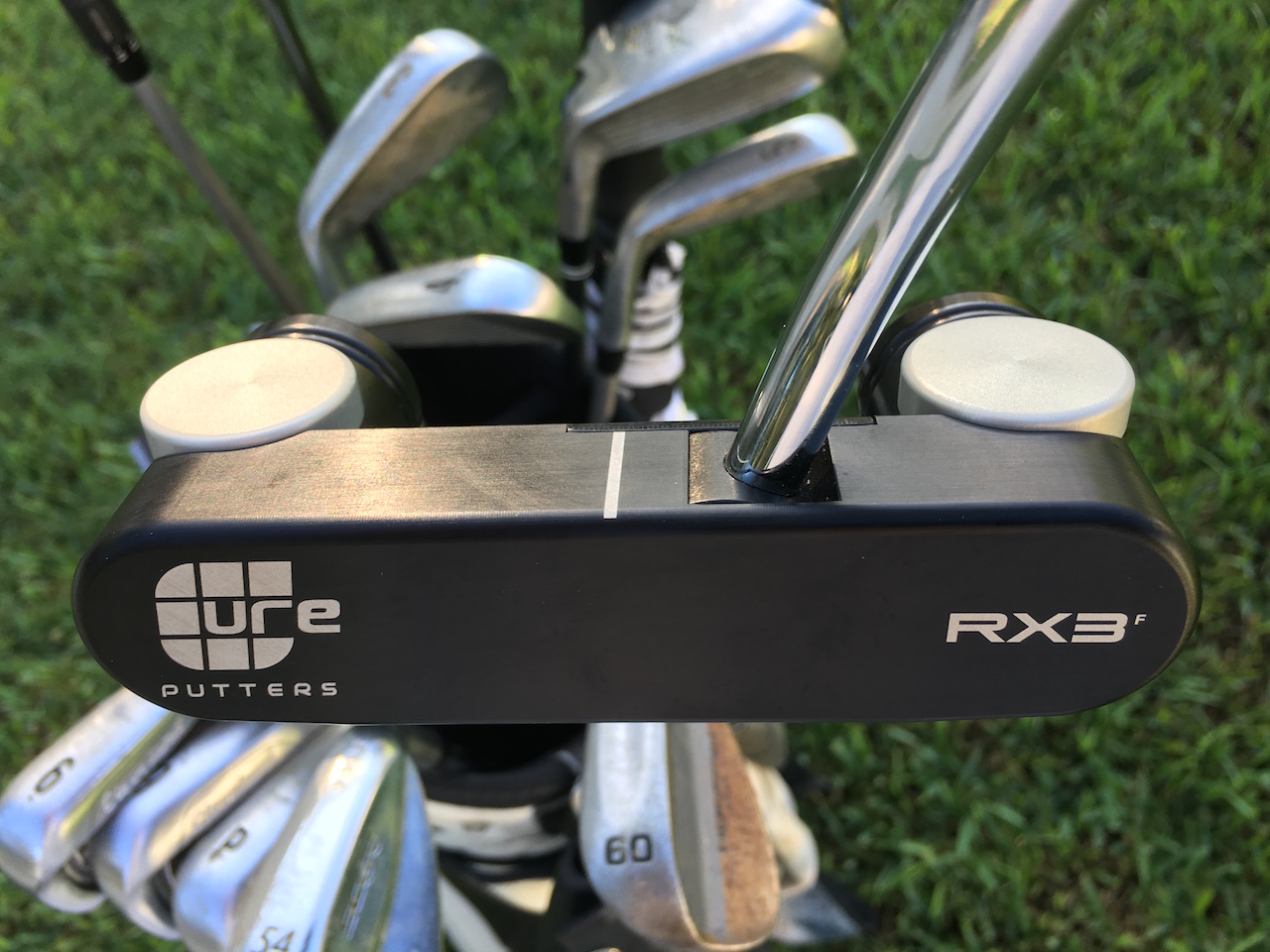
Putter: Cure RX3F Putter
Ball: Srixon Z-Star XV
What’s New?
The clubs that didn’t change? My Tour Edge Exotics E8 Tour three wood, which gets a fresh new grip, my trusty Hopkins Golf CJ-1 60° wedge and the ugly-duckling-but-impossible-to-mis-hit Cure RX3F putter.
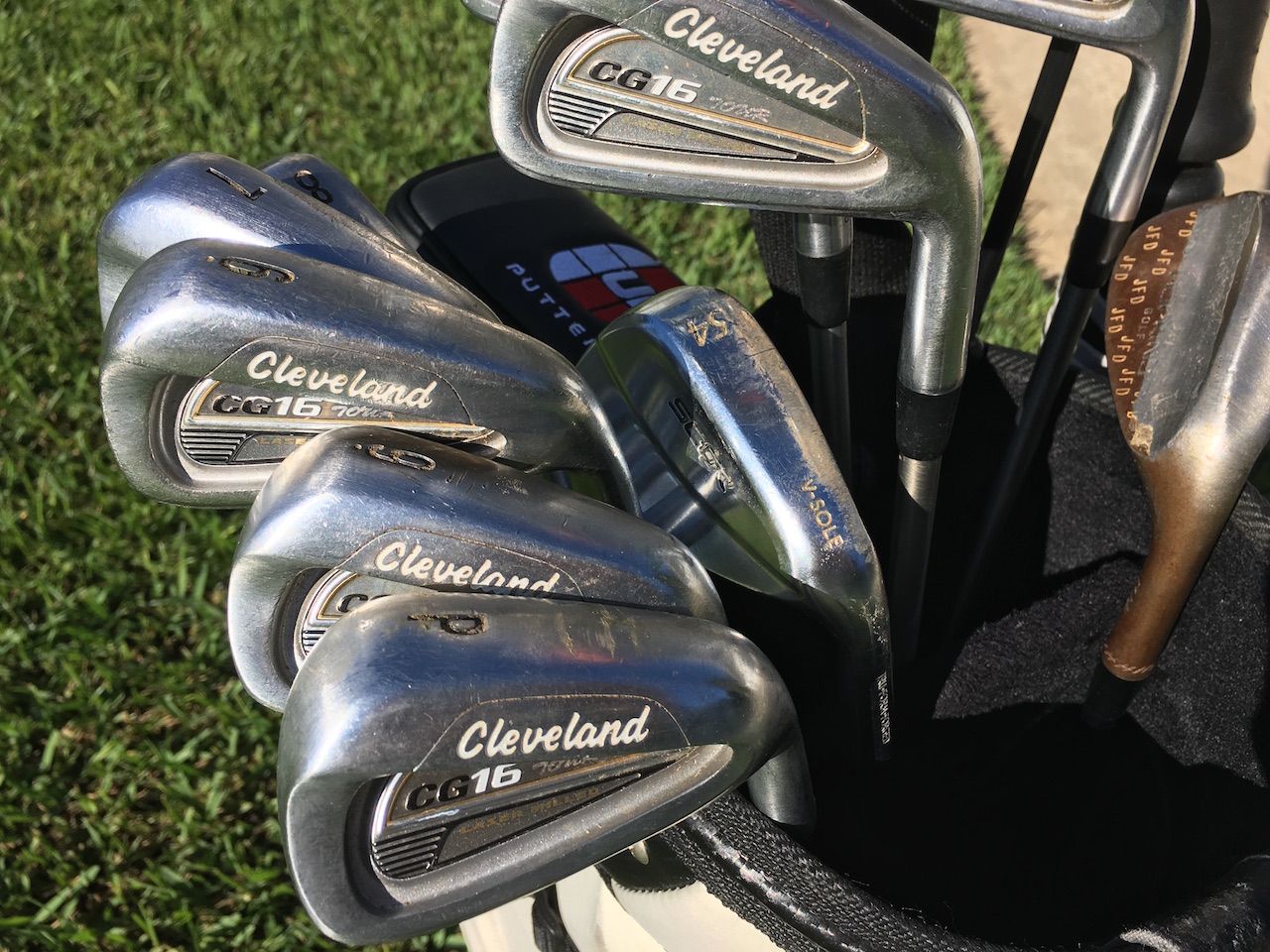
The biggest changes are the replacement of my aging Cleveland CG16 Tour Concept irons with the fantastic new Srixon Z745 irons. These irons are currently in play by most of Cleveland/Srixon’s tour staff including Graeme McDowell, Keegan Bradley, Russell Knox and many others. I also replaced the 3 and 4 irons with the Srixon ZU45 utility clubs which are much easier to hit, and the old Cleveland hybrid is replaced by a new Srixon ZH45 hybrid. All the new clubs get Aerotech Steelfiber shafts. The Srixon irons and utilities are made of forged 1020 steel and look as good as they perform.
I changed drivers this month also. I switched out the Ping G30 driver for the Ping G30 LS-TEC. There’s not much difference between the two as they look identical, but the LS-TEC spins a little less according to Ping.
I also have some new wedges in the bag. Gone (but not forgotten) are the SCOR 50° and 54° wedges I was so fond of. Fortunately they’ve been upgraded to Ben Hogan TK15 wedges. For those who aren’t familiar with SCOR and Ben Hogan, they are run by the same brilliant golf mind – Terry Koehler. SCOR Golf became Ben Hogan when he resurrected the iconic Ben Hogan brand from the ashes of golf equipment history. His amazing v-sole wedges live on in the Ban Hogan brand however. The new TK15 wedges perform the same as the older SCOR wedges and look fantastic in the new Hogan design. They are also a perfect match for the Hogan Fort Worth 15 irons, which players can customize to their liking. The Ben Hogan TK15 wedges are available from 48° to 63° and every loft in between. The HoganFit fitting process is designed to customize a set of wedges that will compliment your current irons and offer consistent distance gaps to help you score better inside 125 yards, where almost 65% of shots are taken.
Finally, new in my golf bag this month is the golf bag itself! My special WAGT “Team USA” golf bag recently arrived from Burton and it looks fantastic. The amazing Last Bag travel bag I got from Club Glove is going to be protecting my clubs while traveling. I’m one of the few fortunate souls to be proudly representing the US in the World Amateur Golfers Championship in December in Antalya, Turkey.
Antalya is one of the ten most frequented tourist destinations in the world, and is in the southwestern part of Turkey in a region called the Turkish Riviera. We’ll be at the all-inclusive Gloria Golf Resort competing over 54 holes in a team format with 40 other countries. I’ll be posting photos and updates on the event when we get there!
Tour Edge Golf is one of those club companies that tends to fly under the radar, but really shouldn’t. Their Exotics brand has been one of the best fairway woods in golf for years, and they have a strong following on tour even if they don’t pay anyone to endorse their stuff. My Exotics E8 Tour 3-wood is the best I’ve hit in years, and found a spot in my bag after just a few swings on the range.
Tour Edge continues to innovate and push the envelope with their Exotics branded clubs, and because they don’t spend millions in marketing and TV advertising, they can devote more resources to R&D. That’s one of the reasons why their clubs frequently outperform their competition. The new Exotics EX9 drivers should be no exception.
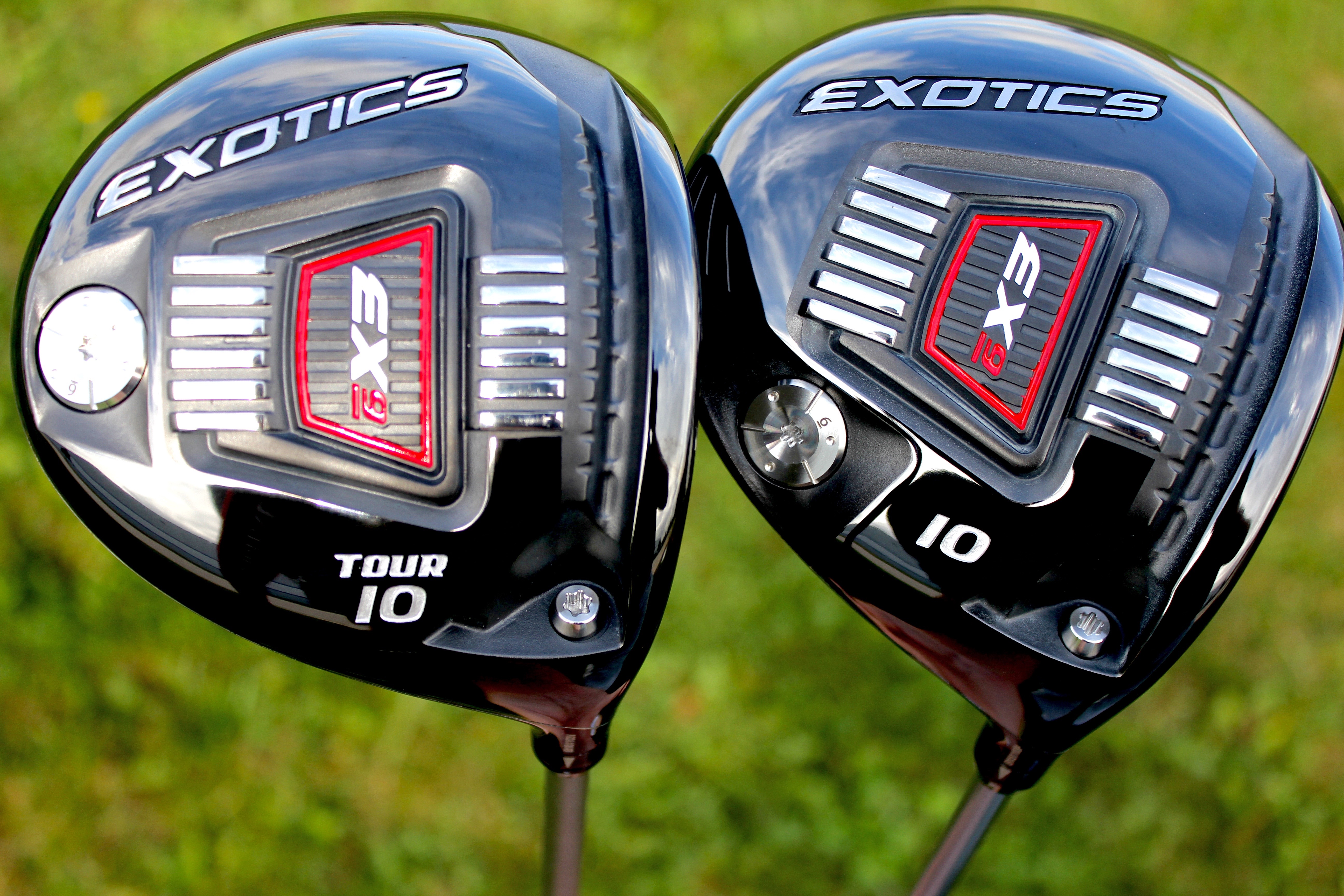
There will be two new models available when this driver starts shipping on November 15 – The EX9 and EX9 Tour. The EX9 driver has a 460cc draw-enhancing club head available in 10° and 12° designed to deliver forgiving, high-flying drives. The Tour model is a pear-shaped, 430cc head with a deeper face (in 9° and 10° lofts) to deliver low-spin and faster ball speeds. Both models feature an adjustable hosel to help fitting and alter ball flight with eight different settings including the ability to add or subtract loft.
“On the new EX9 models we moved the center of gravity much deeper in the head for super high MOI numbers,” said David Glod, president and founder of Tour Edge Golf. “This translates into our lowest spinning drivers to date and a greatly increased sweet zone for longer drives from all areas on the face.”
Several technological features like Full-Speed Impact design help create more club head sped by sloping the crown of the club to reduce drag. The narrow slot behind the face called the power grid allows the club face to flex on impact for more ball speed and added forgiveness. Also adding a another degree of customization is the interchangeable sole weight. The weight port is located in the heel on the EX9 for draw enhancement while the EX9 Tour driver has the post in the extreme rear of the club for spin and trajectory changes. 3, 9 and 11 gram weights are available separately.
Suggested retail:
$299 for the EX9
$399 for the EX9 Tour
Shaft offerings:
EX9 − Mitsubishi Bassara E-Series, Fujikura Exotics PRO and PRO Tour, Matrix Exotics White, Red, and Black Tie
EX9 Tour − Aldila Rogue Silver 60 and 70, Mitsubishi Diamana S+, M+, and D+
Every Tour Edge club comes with a lifetime warranty and a 30-day play guarantee. For more information, call (800) 515- 3343 or visit www.touredge.com.
As a golf blogger, I get to handle many different golf clubs and try many products over the course of a year. As a result, I always get asked about what’s in my bag. Most amateur golfers like me aren’t sponsored by club companies, so our bags tend to be a mix of clubs from different manufacturers.
While I have had opportunities to officially endorse products in the past, doing so might violate the rules of amateur status as outlined by the USGA in rule 6.2, and that would be a no-no since I sometimes compete in FSGA and USGA events. Therefore, I must disclose that none of the companies shown here paid me to represent their brands.
After years of testing hundreds of drivers, fairways, hybrids, irons, wedges, putters and assorted golf gadgets, these are the ones that have found a place in my bag as “gamers.” I’m always tinkering with and testing new clubs, but my gamers remain pretty consistent. The only part of my bag that changes constantly is the putter, because I’m a mess on the putting green and always looking for the BBD – bigger better deal.
My current setup has been in place for over a year, except the 3-wood and putter. I recently started testing the Cure RX3F putter and after some work on the putting green and one round of golf, I decided to bring it to the WAGT National Championship at Shawnee Inn & Golf Resort. The Cure putter will be featured in a review article soon. The Exotics E8 Tour replaced my trusty old Adams RPM LP back in May. After years of searching, I finally found a fairway wood that out performed the Adams. You may notice I listed 15 clubs. That’s because I usually swap the 3-iron for the 50° gap wedge depending on the course setup where I am playing.
Coming Soon…
I’m long overdue for a new set of irons. The CG16 Tour Concept irons that came from Cleveland’s Tour Van have been awesome, but they are almost five years old and ready to be demoted to a backup role. The Aerotech Steelfiber i95cw shafts are amazing. I’ve said it for years – I think they are the best iron shafts you can get, and their popularity on the professional tours all around the world backs up that claim.
I’m currently testing the Srixon Z745 irons, Z U45 3 & 4 Utilities and a Z H45 2 Hybrid. The Z745 irons are a forged cavity back club that looks sharp and performs similar to my CG16s. The clubs I’m really excited about are the Z U45 3-iron and 4-iron. They are called utilities because they have the looks and workability of an iron with the forgiveness of a hybrid. I love hitting long irons, and these things make it even easier to hit them. The Z H45 16° hybrid will fill the distance gap nicely between the 3-iron and 3-wood. I was looking for 5-10 more yards out of my hybrid and this guy will do the trick nicely. I have a strong feeling that this fantastic 2-PW set will soon be my gamers.
Ping’s awesome G30 driver has been in my bag since last fall, but I’ve started experimenting with the G30 LS-TEC driver which is the same as the regular G30 but spins slightly less. According to Ping, 400 rpm less. Combining the LS-TEC with my switch from the softer, higher-spin Srixon Z-Star back to the lower spin and firmer feeling Z-Star XV, I should see a measurable decrease in spin off the tee which means more distance.
The SCOR wedges I got a few years ago have been stalwarts in my bag ever since I first hit them. I started with SCOR’s complete short game system: 42°, 46°, 50°, 54° & 58°. Going from the 42 and up, they replace your traditional 9, PW, GW, SW & LW. SCOR wedges are forged and their unique v-sole design works amazingly well in all conditions. However, they have taken a real beating from heavy use and need to be replaced. Enter Ben Hogan Golf. SCOR’s founder Terry Koehler acquired the rights to Ben Hogan golf equipment and re-launched the brand with his already proven TK15 Wedges and the new Fort Worth 15 irons. The result is a gorgeous set of forged blades and wedges that perform on par with any of the best irons in golf. They are also much more forgiving and easy to hit than you might think for a blade. The TK15 wedges will soon be replacing the aging SCOR wedges in my bag.
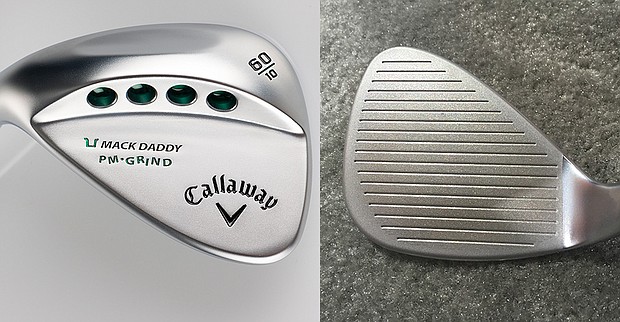
I love my Hopkins 60° custom grind wedge. The Channel Grind basically gives me two wedges. With the face square it has very low bounce, making it perfect for fairway shots and tight lies. With the face open it has high bounce for deep rough and sand. This wedge has made me look like a much better bunker player than I am, so it’ll be very hard to replace it. The new Callaway Mac Daddy PM Grind wedge might just do that, however. Designed with heavy input from Phil Mickelson, this wedge has grooves all the way to the edges of the face and a very high toe to help with shots from the deep rough, along with a similar channel-type grind on the sole. My early testing so far has been very promising.
I’ll try to post another WITB early next year so we can see what’s changed and if my predictions for new gamers comes true. Until then, keep it in the short grass!
Whenever a new driver comes out on the market, people want to get it in their hands and try it. The driver is sexy. Despite the fact that you can’t hit more than about 14 drives on a normal golf course, many golfers spend an inordinate amount of time hitting driver on the practice tee. But what about those oft-ignored fairway woods?
Many golfers hit their three wood almost as far as their driver, with greater accuracy. Modern technology means fairway woods hit the ball further than they ever have. While there are many great fairway wood options on the market, here are a few that I have hit and think are worth a look if you are in the market for a new three, four or five wood.
Ping G30
If you are a fan of this site you already know what I think of the Ping G30 driver. Not only do I like it, but many more people do too. In fact, since the G30 arrived last July it’s the best selling driver in golf. In June 2015, 62% more G30 driver units were sold than the next closest driver model. It’s that good. Naturally you could assume that the G30 fairways are just as good, and they are. Available in 14.5, 18 and 21 degree lofts, the Ping G30 fairways are a perfect compliment to the best driver in golf. Street price: $249
Exotics E8, E8 beta & E8 Tour
Tour Edge’s legendary Exotics brand has built the hottest fairway woods on the market for several years, and while the premium price may scare away some people, their quality and performance is unquestioned. The latest Exotics E8 line is more affordable than ever without giving up anything in the way of performance and quality. The E8 model has the most forgiveness, the E8 beta model has a slightly smaller head and lower ball flight, and the E8 Tour has the smallest head and offers the most workability and control, along with an adjustable hosel. If you think your fairway woods are long, you need to hit the Exotics. After hitting just a few balls on the range, I put the Exotics E8 Tour in my bag for a tournament without any further testing, and won. It has stayed in the bag since and is now my “gamer” three wood. The small head, clean lines and exceptional performance inspired instant confidence for me, and they’ll do the same for you. Street price: $249 – $399 depending on model.
Nike Vapor Speed & Vapor Flex
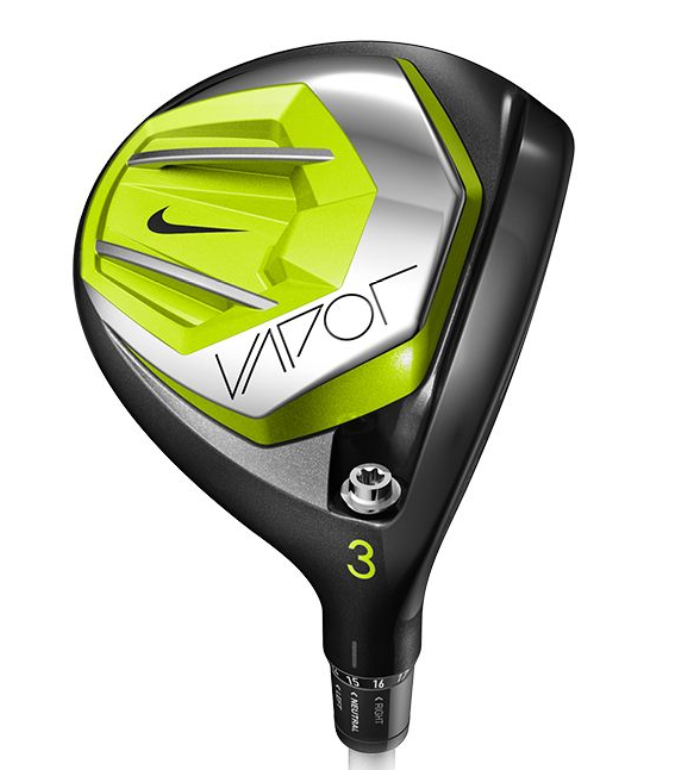
I remember when Nike Golf started, riding the wave of Tiger Woods’ success. It has been many years and Nike Golf has gotten better and better in that time. While some of their radical designs are polarizing to some, I like that they are willing to take chances with innovative ideas. Their latest fairway wood offerings are the Vapor Speed and Vapor Flex models. Both models offer high launch and low spin with just the right amount of forgiveness. The Vapor Speed is not adjustable, while the Vapor Flex is. I tested the Vapor Speed model and came away impressed. The ball flight was high and straight with enough forgiveness for most golfers. If you are a Nike loyalist, you can’t go wrong with these sharp looking fairway woods. Add tons of custom shaft options and you are sure to find what you need. Street price: $249
Srixon Z355
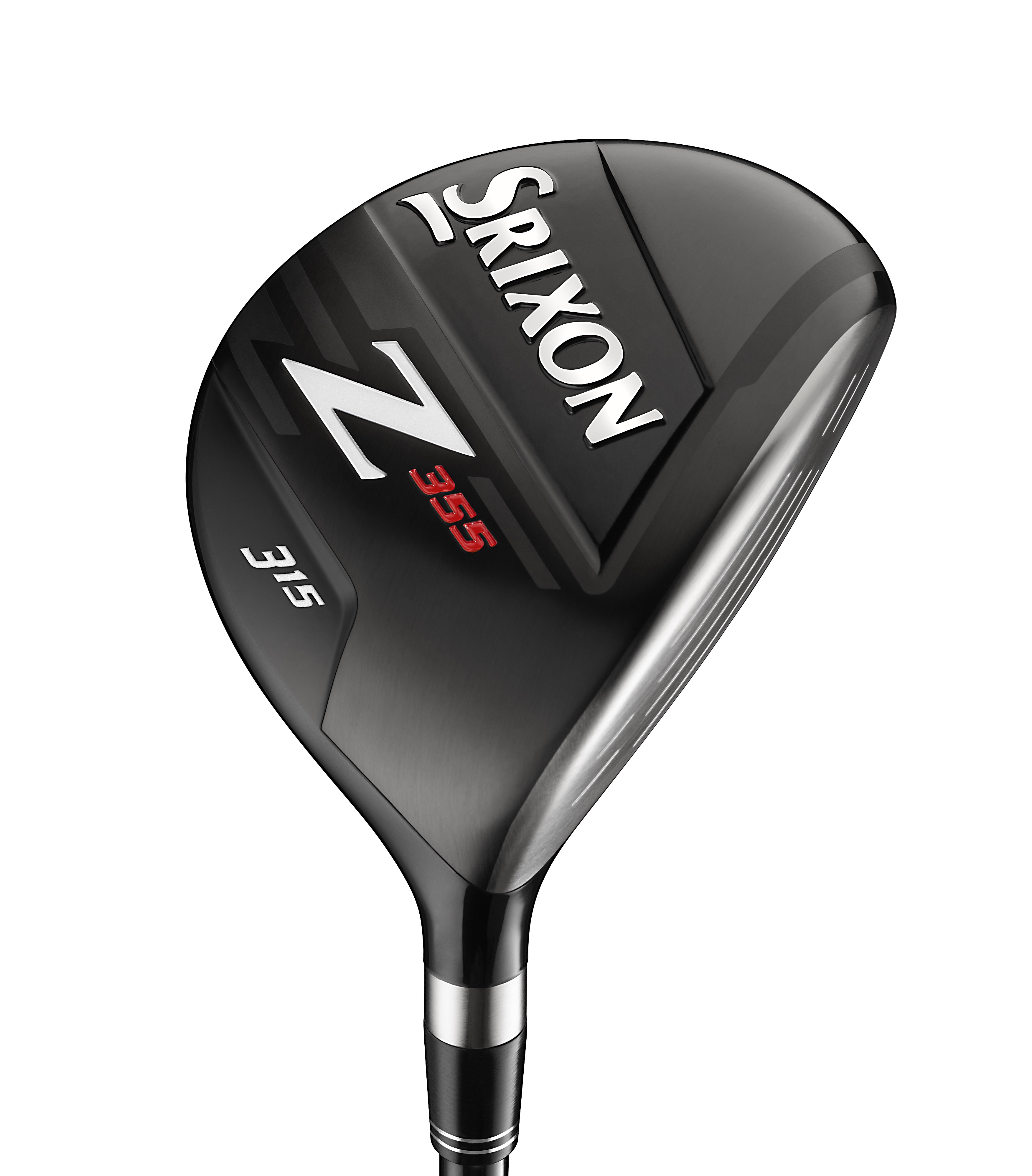
Srixon Golf has enjoyed a resurgence in the United States this season. The brand is well established as a market leader in Asia , UK and Europe but has only just started to gain traction in the US following the success of their popular Z-Star and Q-Star golf balls. The latest fairway woods from the Japanese brand is the Z355. Available in four lofts (15, 17, 19, 22) and featuring Action Mass Technology, these fairways use more weight in the head combined with an ultra-high balance point shaft to help increase ball speeds and more consistency and stability. Street price: $229 (Available 9/18/2015)
Fairway woods aren’t as sexy as the driver, but everyone has them and many hit them as far a their driver, so why not upgrade to the latest tech? It also helps that fairway woods aren’t as expensive as the driver they go with. Give one of these fairways a try and you won’t be disappointed.
Ping Golf is one of those companies that takes their sweet time to launch new products, usually on a two year development cycle. Ping also benefits from one of the most loyal customer bases in the industry, and for good reason. They make quality golf clubs that perform well, and they take care of their customers. People that buy Ping golf clubs tend to stick with them for the long haul. I know a few people that still hit their Eye2 and ISI irons.
Ping has been on a roll for about a year, since introducing the G30 line of drivers, fairways and hybrids in July 2014. The G30 driver continues to be the best selling driver in golf, and their market share is impressive. In June 2015, 62% more G30 drivers were sold than the next closest driver model, and for the entire year (since January), they’ve sold 44% more drivers than any other. I’ve stated on several occasions that I think the Ping G30 driver is the best I’ve hit in over a decade.
This summer, Ping is riding the momentum of the fantastic G30 line and introducing some new irons, wedges and putters. There are two new iron sets, called GMax and the “i” irons, a new Glide ES (Eye Sole) and two new putters in the Cadence TR line.
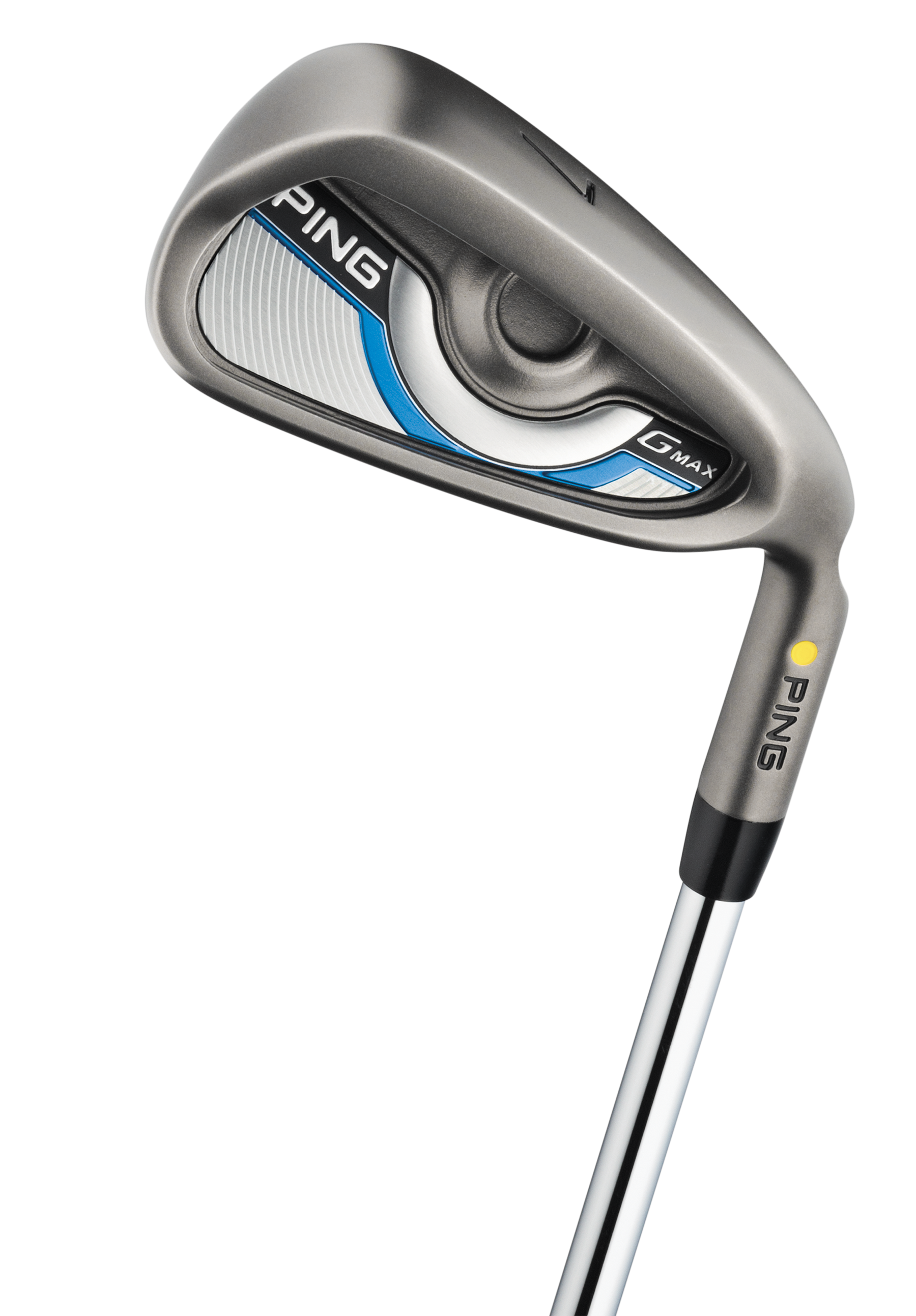
GMax Irons
[slideshow_deploy id=’5284′]
The new GMax iron introduces COR-Eye Technology, a revolutionary design that increases flexing across the entire face for faster ball speeds that produce unprecedented distance and forgiveness. The irons are squarely aimed at mid-to-high handicap golfers that want more distance and help getting the ball airborne. These clubs will fall in the “max game improvement” category.
– Available 4-9, PW, UW, SW
– Stock steel shaft: PING CFS Distance (Soft R, R, S, X)
– Stock graphite shaft: PING CFS Graphite (65 Soft R, 70 R, 80 S)
– After-market stock shaft options (no upcharge): Dynamic Gold S300, X100; Project X 5.0, 6.0; XP 95 (R, S), N.S. Pro Modus3 105 (S, X)
– U.S. MSRP: $121.25 per club w/steel shaft; $ 136.25 per club w/graphite shaft
i Irons
[slideshow_deploy id=’5283′]
The new i iron, PING’s first model to utilize 431 stainless steel, is a softer players-style head that offers some workability and ball-flight control with forgiveness to help low-to-mid handicap golfers. The Ping i irons will be replacing the i25 irons in their lineup. Both new models are available with the stock Ping CFS Distance shaft, but you can also choose one of four popular after-market shafts with no upcharge.
– Available 3-9, PW, UW
– Stock steel shaft: PING CFS Distance (Soft R, R, S, X)
– Stock graphite shaft: PING CFS Graphite (65 Soft R, 70 R, 80 S)
– After-market stock shaft options (no upcharge): Dynamic Gold S300, X100; Project X 5.0, 6.0; XP 95 (R, S), N.S. Pro Modus3 105 (S, X)
– U.S. MSRP: $135 per club w/steel shaft; $150 per club w/graphite shaft
Glide ES Wedges
[slideshow_deploy id=’5285′]
The new wedge is the Glide ES (eye sole) that combines technology of the original Eye2 sand wedge with the new Glide wedge design to add even more options to the Glide wedge line that already offers the Glide standard sole (SS), thin sole (TS), and wide sole (WS), creating 16 loft and sole combinations to suit a player’s style and adapt to the most common turf conditions.
Ping’s market share in the putter segment may have dropped over the years, but that doesn’t mean they don’t make a good putter! They are still one of the best. The popular Cadence TR putter series grows with the addition of the Craz-e-r and Ketsch Mid models. The Craz-e-r, an evolution of the highly successful Craz-E design, is a high-MOI model with a sightline that extends from the top to the back of the putter. The Ketsch Mid, a smaller version of my personal favorite and award-winning Ketsch, provides golfers a fully machined, high-MOI mallet-style head with advanced alignment features. Both models are engineered with True Roll Technology grooves and are available in two weight options.
– Traditional, 350g; Heavy, 375g
– Straight, Slight Arc and Strong Arc stroke types
– Adjustable +/- 2º from std. lie angle
– U.S. MSRP: $245; Adjustable-length upcharge: $35
Normally when writing a review of a club, I’ll start with an introductory paragraph, then tell you a bit about the design and specs of the club before describing how it plays. This time however, I feel compelled to flip the script and tell you how the story ends first. Quite simply, the Ping G30 driver is the best club I’ve hit off the tee in over a decade. Now, let me tell you why.
In the past 10 years as a blogger and golf industry insider, I’ve had the opportunity to hit many, many drivers. It’s the club golfers change the most, which is why the golf club manufacturers dedicate most of their marketing efforts to sell them. I had to think long and hard about the best drivers I’ve hit over that time and even prior, and I’m confident in saying that the Ping G30 has had a bigger impact on my golf game than all the rest. It’s not just me either. The sales figures since being introduced last July show that golfers have noticed also.
As golf club technology has evolved over the years we’ve seen golf balls that fly further and drivers that hit those balls further still. As a result, I’m hitting the ball every bit as far at age 41 as I did at age 21, despite a swing speed that has dropped from the mid 120s to the low 110s. I may swing a golf club slower than I used to, but the launch monitor data suggests that I’m still transferring as much energy to the golf ball as I used to with a metal-headed Titleist driver and Tour Balata golf balls.
Hotter club faces and more responsive golf balls have changed the game for everyone. But the USGA and R&A rules have imposed limits on the performance of golf clubs and golf balls, and I’ve seen technology hit the wall in that regard. The equipment companies may tell you otherwise, but they can’t make a club hit the ball any further than they do now. Instead, what they are doing is tweaking launch conditions and fitting clubs to individual swings using movable weights and interchangeable shafts in an effort to squeeze every last yard out of your drives.
Technology & Specifications
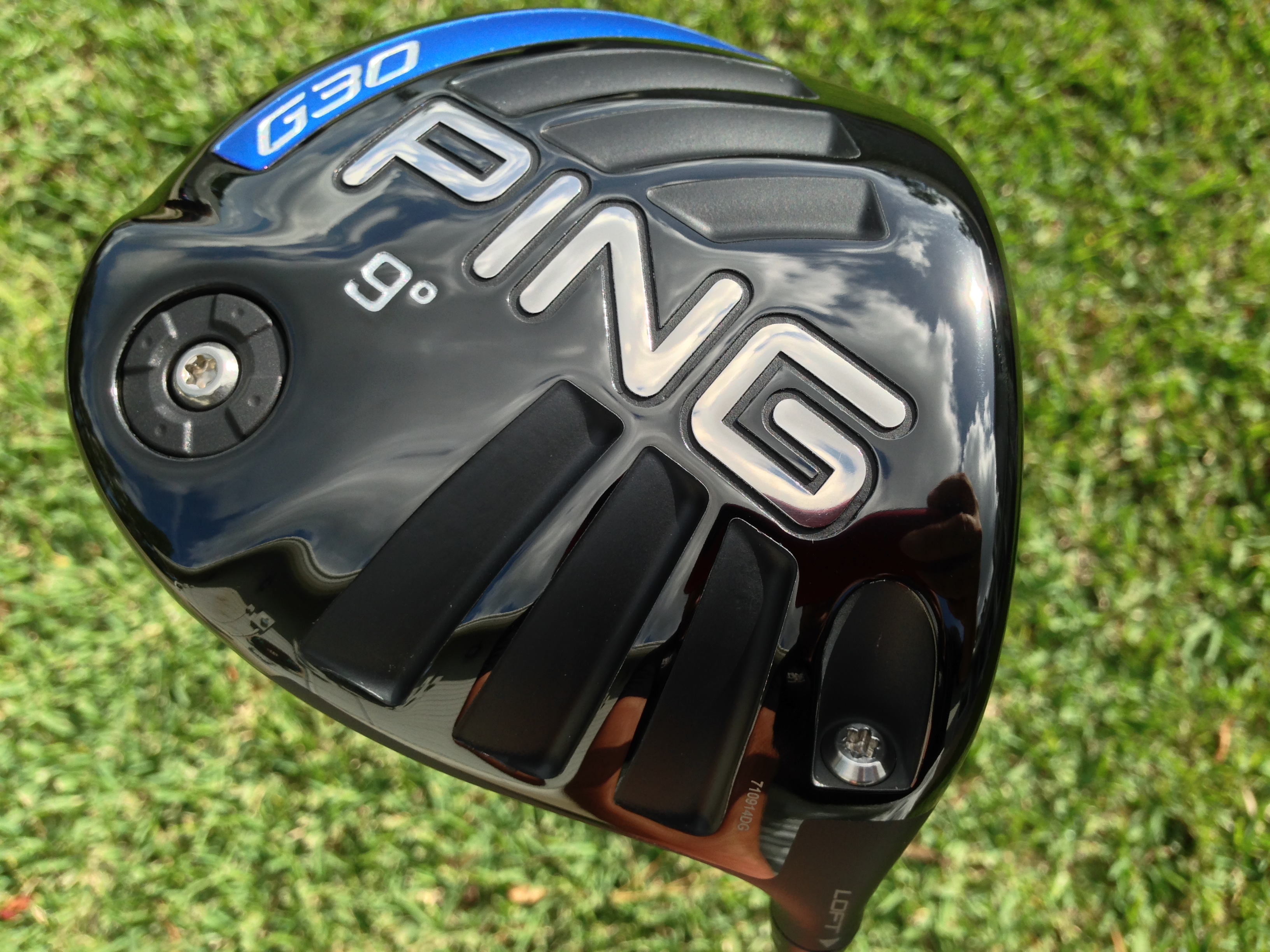
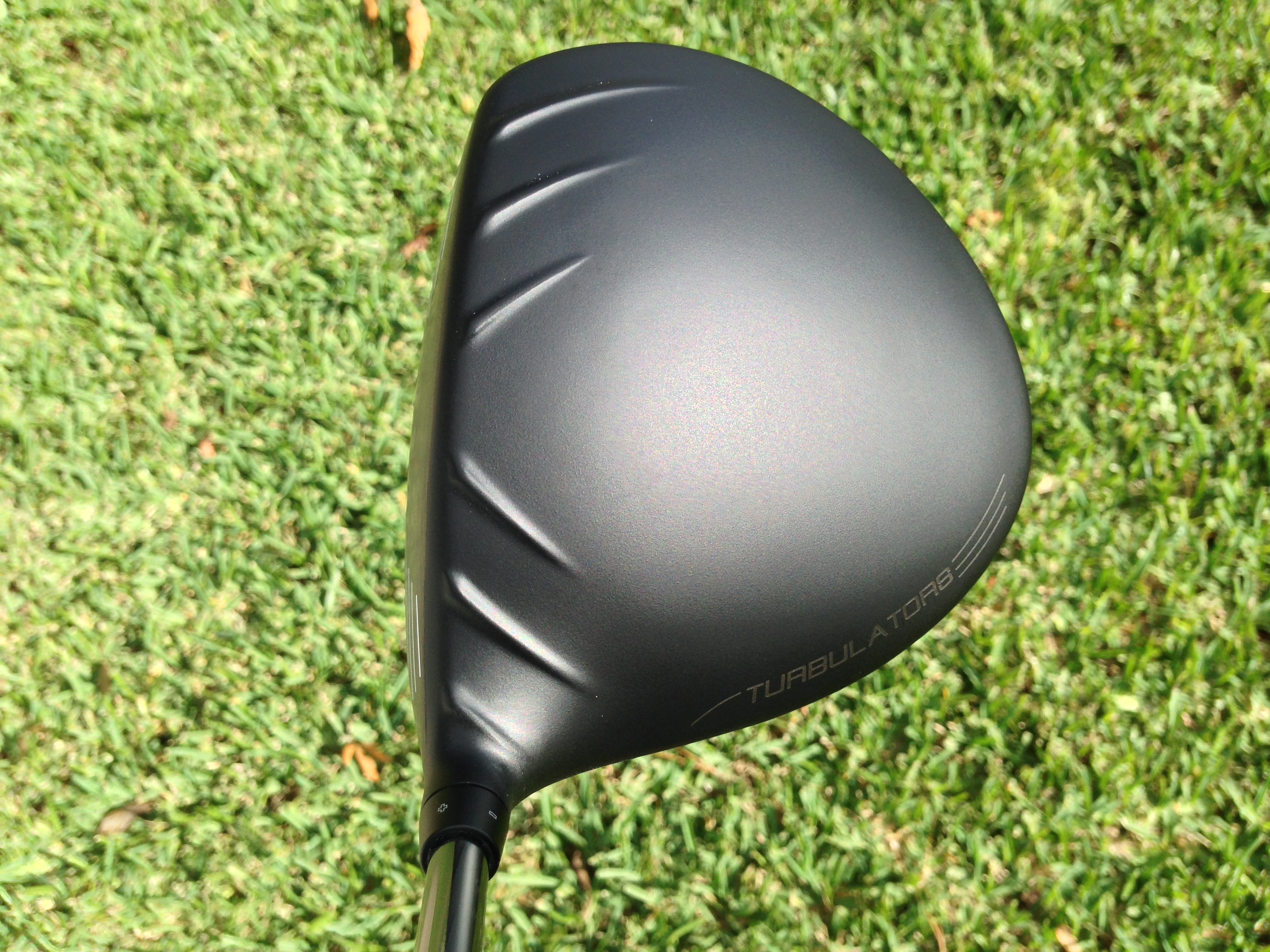
When it comes to the Ping G30, there aren’t any fancy moveable weights, but there are several options for fitting the club to the player. To start, Ping makes three different G30 drivers. The standard G30, the slice-fighting G30 SF-TEC and the low-spin G30 LS-TEC. All three G30 models are assembled with a T9S Titanium face and Ti 8-1-1 body. The T9S material is light and thin and allows more face deflection for greater ball speeds, up to the USGA limit that is. All three models have built-in aerodynamic features on the crown that Ping calls “Turbulators” to (theoretically) help generate greater clubhead speed. Also included is an adjustable hosel to tune the face angle, which will change the dynamic loft of the driver, allowing for a higher or lower ball flight as wanted.
The standard G30 model is set up neutral, with the weight and balance designed to be playable for everyone. The G30 SF-TEC model is designed with the weight port shifted towards the heel and a lighter swing weight (D1 compared to D3) to help chronic slicers straighten out their tee shots. The G30 LS-TEC model is the low spin version of the standard G30, and I’m told by Ping that the LS-TEC driver reduces backspin by 400 RPM over the standard G30. This model will appeal mostly to higher swing speed players that generate too much spin. The G30 and G30 LS-TEC are available in 9 and 10.5 degree lofts. The SF-TEC version is available with 10 or 12 degrees of loft.
Ping offers a few self-branded stock shaft choices and several more brands as custom options. The standard shaft is the Ping TFC 419D. Upgrades include the Ping Tour 65 and Tour 80 shafts. Ping is one of the few companies that still sells their own shafts, and I believe this gives them an advantage because they can better control the quality and performance of their clubs if they also make the shafts that go in them. While they offer many well known brands as custom options, I would recommend choosing one of their shafts. Most players will fit into the TFC 419D shaft, and stronger players will love the Tour 65 and Tour 80 shafts.
Performance
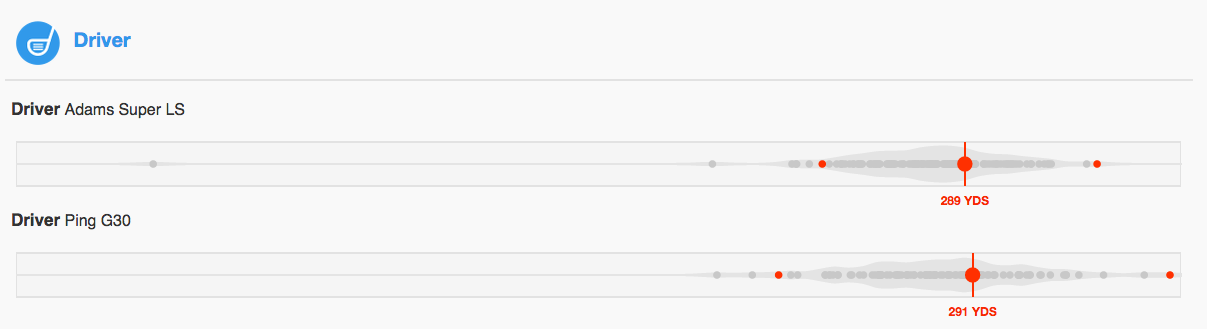
So what does all this technology do? In the right hands, it hits golf balls far. The tester I got was a standard Ping G30 with the Tour 80x shaft and 9 degrees of loft. Some initial testing was done at the driving range on an Ernest Sports ES14 launch monitor, but most of my testing takes place on the golf course because I prefer real-world testing in real, variable conditions. To supplement my on-course testing, I used GAME GOLF to gather data about every shot hit to compare clubs. I put the G30 up against my old gamer (2013 Adams Super LS, 8.5 degrees w/ UST ProForce VTS Black 75x) for comparison.
My initial testing with the launch monitor confirmed my suspicion that the aerodynamic turbulators on the club’s crown wouldn’t do much to deliver more clubhead speed, but they look cool I guess. In 20 swings with the Adams driver I averaged 110.75 MPH of club speed. After 20 swings with the G30 I averaged 111.25 MPH. The G30 averaged 0.5 MPH more than the Adams, but I don’t think this slight improvement is statistically relevant. Similarly, ball speeds (167.5 to 165.5), launch angles (12.025 to 12.775) and spin rates (2253.5 to 2571) were also very similar. Since total distance on the ES14 launch monitor is an estimated figure derived from launch data, I didn’t include it. (See note below) Instead I used the more accurate real-world data from my rounds on GAME GOLF (more on this later) Bottom line: The Ping G30, when properly fit to the individual golfer, is about as long as any other driver on the market. In this case it’s as long as the Adams Super LS and TaylorMade SLDR 430. (The SLDR 430 and G30 were tested on-course by me and another play tester in a separate test.)
This hard data shows that even a two year old driver can deliver the same performance as a new model. It also contributes to my theory that equipment performance has hit the limit and companies can’t get any more distance out of clubs and balls. There is of course, one factor I haven’t mentioned yet – Accuracy.
Note on distance data: The ES14 launch monitor data showed my hits using Adams Super LS driver averaging 300.75 yards, compared to the Ping G30 at 296.75 yards. While this is a nice ego boost, those numbers are unrealistic because of the way the ES14 estimates distance. Meanwhile, the actual on-course, GPS-measured data from GAME GOLF shows that I really average 289 yards with the Adams and 291 yards with the Ping G30. The data from GAME GOLF also validated the launch monitor data that showed that both drivers were within 4 yards of each other in total distance. Four yards may be huge for the marketing department at company X that’s trying to sell you a driver, but in reality there are just too many factors at play to make an accurate claim on distance. The launch monitor tells me that the Adams Super LS is longer, but the real-world data proved otherwise. The data I got from playing over 30 rounds of golf with both clubs shows that the difference is much smaller. I think this helps to show that since club technology has hit legal limits, driver distance will once again mostly depend on swing speed, solid contact and course/weather conditions, not club technology.
Accuracy & Forgiveness
Launch monitors and wide open driving ranges can’t give you the whole picture about how straight you hit a club. That’s why I prefer to play as much as possible with a club before writing a review. I use the GAME GOLF platform to track my shots and club performance with their excellent built in stats. But don’t take my word for it, go check it out for yourself!
I’ve played at least 15 rounds with the Ping G30 since I got it (I put it in the bag right away as my gamer), and I had been playing with the Adams for almost a year before that. Armed with 15 rounds of actual golf data on multiple golf courses in varying weather conditions, The Ping G30 is almost 30% more accurate off the tee than my old Adams Super LS. I hit 62% of fairways with the G30 compared to 48% with the Adams. Thirty percent is a significant number!
My golf swing didn’t change during the testing period, and the difference in average distance shows that I wasn’t “taking something off” drives with the G30. The Ping G30 driver is a very accurate golf club, because it is very forgiving on off-center hits. Don’t take it from me though, take it from our friends at GolfWRX who said “Hands down… The most forgiving driver in golf.” or the equipment testers at Golf Magazine who called the G30 SF-TEC “The top-rated model in the test”.
Conclusions
When I get new clubs to test out I always try to get them into the hands of a few buddies to get their thoughts. Most of the time, they hit 10 to 15 shots and can tell me if they like it and want to hit more, or dislike and hand it back to me. With the Ping G30, my playing partner hit 5 balls on the range and half a dozen tee shots on the course and immediately ordered one for himself.
What it comes down to is simply this – I hit the Ping G30 in or around the sweet spot more often than the other drivers I’ve played in the past 10 years. Solid contact means more distance, better accuracy and greater consistency. The numbers don’t lie. I’m hitting almost 30% more fairways with the G30 – without losing any distance. That is why the G30 went right in the bag and will stay there for the foreseeable future, and that is why you should go try the Ping G30 yourself. It’s the best driver I’ve hit in the last decade.
We were in attendance at the madness that was the 2015 PGA Merchandise Show last week, and other than registering about 18,000 steps (8.5 miles) on the pedometer each day, we met many old friends and saw lots and lots of golf products in the more than 1 million square feet of exhibit space at the Orange County Convention Center. As always, some products stood out among the rest. Here’s a few of the golf clubs that caught our eye this year.
Best New Clubs
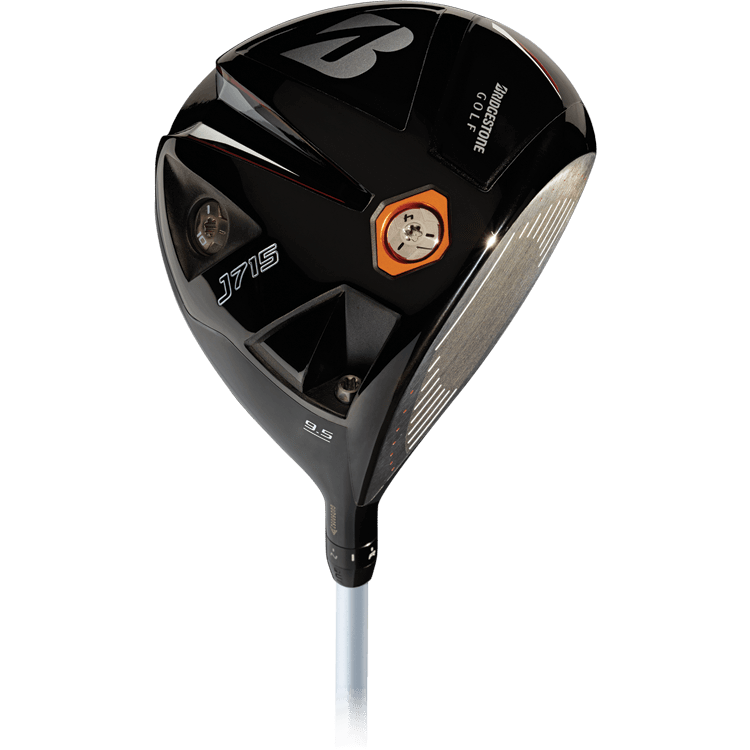
Bridgestone J15 irons, J715 & J815 Drivers – Bridgestone hasn’t released any new clubs for a couple of years, but fans of the brand have plenty of options in 2015. Bridgestone golf has released two new drivers and five new iron models. The J15 muscle back, cavity back, driving forged, dual pocket forged and cast irons have something for every level of golfer from low handicap to beginner golfers. The J715 driver has a cleaner, more traditional look, while the J815 driver gives more forgiveness and higher launch angles.
Bridgestone J715 Driver
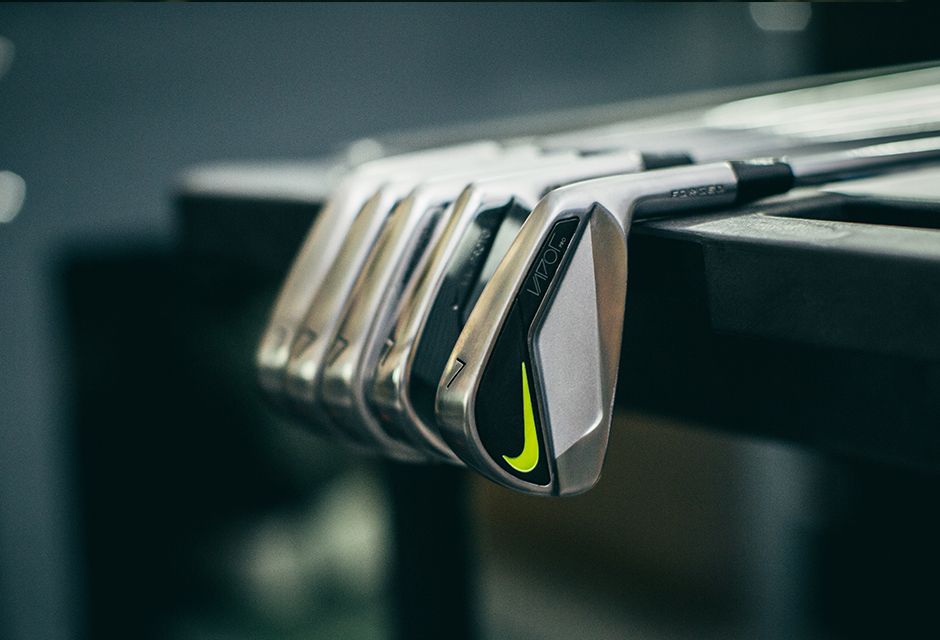
Nike Vapor – 2015 brings some new offerings from Nike Golf as well. The new Vapor Speed, Vapor Pro and Vapor Flex drivers give every level of golfer a club fit for their game. The Vapor Flex is Tiger Woods’ model of choice, while the Vapor Pro is in Rory McIlroy’s bag, and the Vapor Speed is for the rest of us who need more help. Matching the drivers and fairway woods are three new Vapor iron models, similarly called Vapor Speed (more forgiveness), Vapor Pro Combo (Cavity back w/ feel & forgiveness), and the Vapor Pro (Small cavity back/blade for feel and workability) The Vapor Pro blades were one of the best new irons I tested, and are sure to be popular with better players that fancy the Nike brand.
Nike Vapor Irons
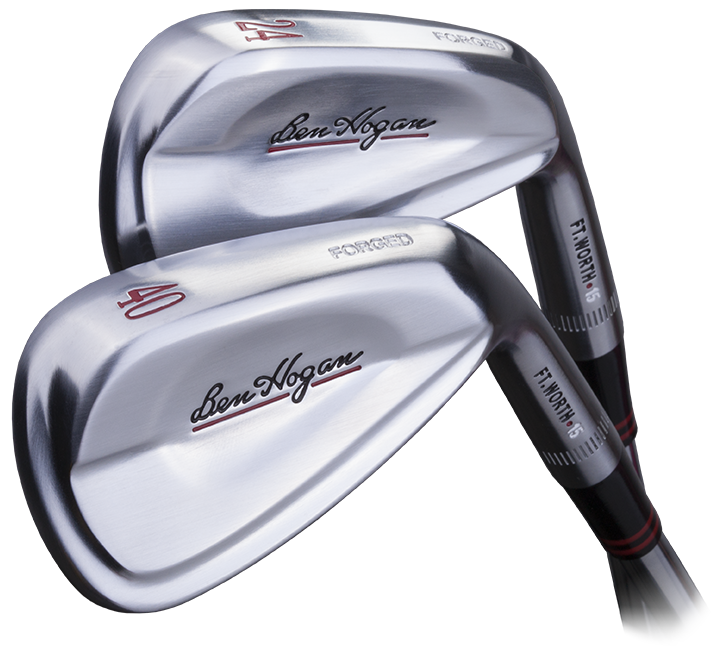
Ben Hogan Golf – The biggest club story of the 2015 PGA Show was the re-birth of Ben Hogan Golf. Club designer Terry Koehler has not only given us a beautiful forged blade worthy of the Ben Hogan name, but his unique club fitting system is a much needed innovation for the modern game. Eschewing the traditional numbered iron set, the new Ben Hogan irons and wedges have the club’s loft stamped on the bottom instead. The new Ft. Worth 15 irons and TK 15 wedges combine to offer 44 clubs available with every loft from 20 degrees to 63. This allows golfers to tailor a set to their particular preferences for loft, distance gapping or personal tastes. For example, slower swingers may choose 4 or 5 degree gaps in their long irons as they tend to hit traditional long irons the same distance, or longer hitters may prefer smaller 3 degree gaps in their wedges to cover more yardages in the short game. With soft & surprisingly playable forged 1025 carbon steel heads in 44 different lofts and the most playable sole grind on any wedge available – V-Sole (Increased leading edge bounce, decreased trailing edge bounce creates a V- shaped sole) The new Ben Hogan irons and wedges are going to be a big hit. Even mid to high handicappers have praised the clubs for being easier to hit than anticipated for a forged blade.
Ben Hogan Ft. Worth Irons
Callaway PM Grind Wedge – Phil Mickelson is one of the most influential players in golf. His long relationship with Callaway Golf has led to some interesting club designs and ideas over the years. One of the most recent ideas comes in the form of the new Mac Daddy PM Grind wedges. Wedge designer Roger Cleveland came up with this design at Phil’s request to help him hit high, soft shots around the greens. The wedge features a very high toe area and grooves that extend all the way across the face to the edges. It also has a scalloped sole grind and drill holes to remove weight. The wedge is so new that Callaway haven’t even put it on their website yet. Check out the scoop on PGATour.com here. It’ll be available in May with lofts of 56,58,60 and 64 degrees. Time to work on your flop shot!
Callaway Mac Daddy PM Grind Wedge
Exotics E8 Woods – What is there to say about the legendary Exotics fairway woods? The best just keep getting better. The new E8, E8 Beta and E8 Tour fairways are as hot and easy to hit as ever. As usual, the Exotics E8 was the most versatile, best looking and best feeling fairway wood I hit at the PGA Demo day. Those wanting a higher launch and a bit more spin to get the ball airborne will favor the E8 (185 cc) , while those that prefer a smaller head and lower spin will gravitate to the E8 Beta (175 cc). The E8 Tour fairways complete the lineup with a compact head size (150cc) and a fancy new manufacturing process called 360 degree robotic laser beam bonding to ensure very precise tolerances. Adjustable hosels (E8 Tour) and weight kits allow for a custom fit, and a multitude of shaft options are available. Prices range from $249 to $399.
Tour Edge Exotics E8 Fairway
Srixon Z745 – In 2015, the parent company for Srixon & Cleveland Golf (SRI Sports) has repositioned the Srixon brand at the head of the table behind the popularity of their Q-Star and Z-Star golf balls. This year Srixon has released an entirely new line of irons and woods. I’ve had a chance to spend some time testing the Z745 Driver, ZF45 Fairways and Z745 irons, and I’ve come out impressed. Srixon haven’t jumped on the gimmick bandwagon with these clubs. Even though they are modern clubs with hot faces and have adjustable hosels and interchangeable weights, the look and feel of the driver and fairway woods is clean and simple. No fancy paint scheme or alignment marks, no flashy colors or crazy shapes here, just a classic look and shape. The forged cavity back irons have a familiar look that better players and purists will appreciate, and the polished chrome finish on the back edge of the irons reflects the turf, making the club appear thinner at address. The forged feel is solid and delivers great feedback, as expected from a forged club, while providing enough forgiveness for mid handicap players. Higher handicap players may want to try the Z545 driver and irons, which are built with more forgiveness than the Z745 line.
Srixon Z745 Driver
Srixon Z745 Driver
Srixon Z745 Irons
Srixon Z745 Irons
Srixon Z745 Irons
Biggest Surprise
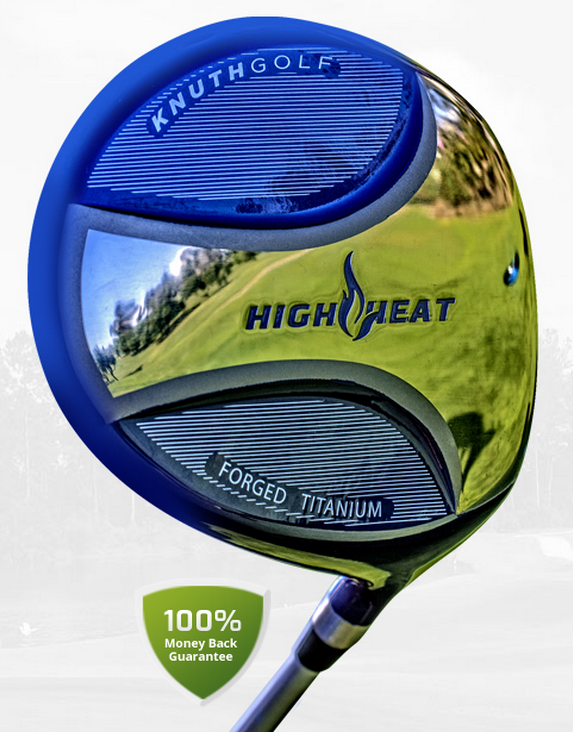
Knuth Golf High Heat Driver – Perhaps the biggest surprise of the PGA Demo Day, Dean Knuth (Known by many as the “Pope of Slope” for his role in creating the USGA’s slope rating system for golf courses) has introduced a new improved version of the High Heat driver he originally created in 2007. The High Heat driver has the lowest CG (Center of Gravity) of any driver on the market, and the company claims that the low, deep CG also makes the driver more accurate on off center hits than any other driver. If you are among the majority of golfers that tend to make contact slightly off center and lower on the face, this is very good news. Even if you make consistent contact, you need to try this driver! Having hit the High Heat myself, I believe their their claims. The High Heat driver hits the ball very high, very far and very straight. Available with Fujikura and Aldila shafts. $399 direct – www.knuthgolf.com
Biggest Disappointment
Honma Golf – The Japanese luxury club maker has a strong following in Asia for building top of the line, high performance clubs. If price was not a factor, Honma’s Tour World TW727 Driver, Fairways and TW727M forged blades might very well be in my bag. Being one of the few OEMs that manufacture their own shafts allows them tighter control over quality and the ability to make shafts specifically for their clubs. This advantage translates to better performance and more fitting options. However, given the price of their products they aren’t likely to become very popular in the USA or Europe anytime soon. Street price for the TW727 driver will be around $800 USD, and the irons typically sell for $275 per club ($2200 per set). There are other companies that sell premium priced clubs that compete with Honma, but sadly the elitist mentality and condescending looks I’ve gotten from the Honma reps at the PGA Show for the last several years has turned me off to the brand. Perhaps if I had a check in hand for $3000 I may have been treated better.
Every year the offices at intothegrain.com are bombarded with cool gadgets, gifts and products for review. While some of these products aren’t ready for prime time, others immediately get us excited and some even manage to surprise us. With the holidays fast approaching, I thought we could highlight a few of the best gift ideas we’ve seen come through the offices this summer. Happy shopping!
BOOM Swimmer Bluetooth Speaker
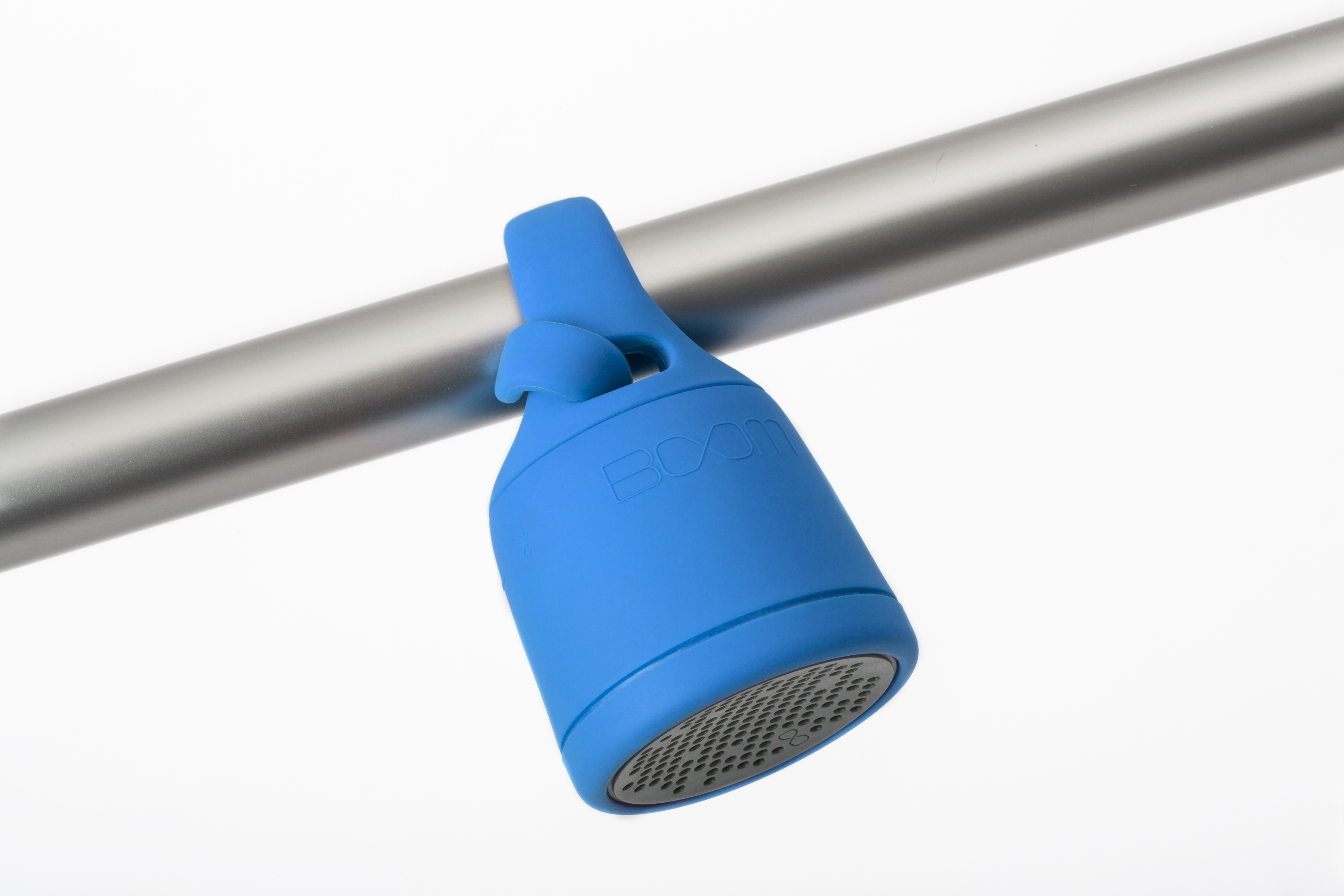
Boom is a perfect name for this small bluetooth speaker. It’s loud! We were very surprised by the level of volume and quality of sound coming from the little BOOM Swimmer bluetooth speaker. The flexible tail attachment is great to hang it from your golf bag or the cart and enjoy tunes while you play or practice. It even has a suction cup mount, and when attached to a glass surface it amplifies the bass. Did we mention the BOOM Swimmer is waterproof? Selling for $59, this is the last portable bluetooth speaker you’ll ever need.
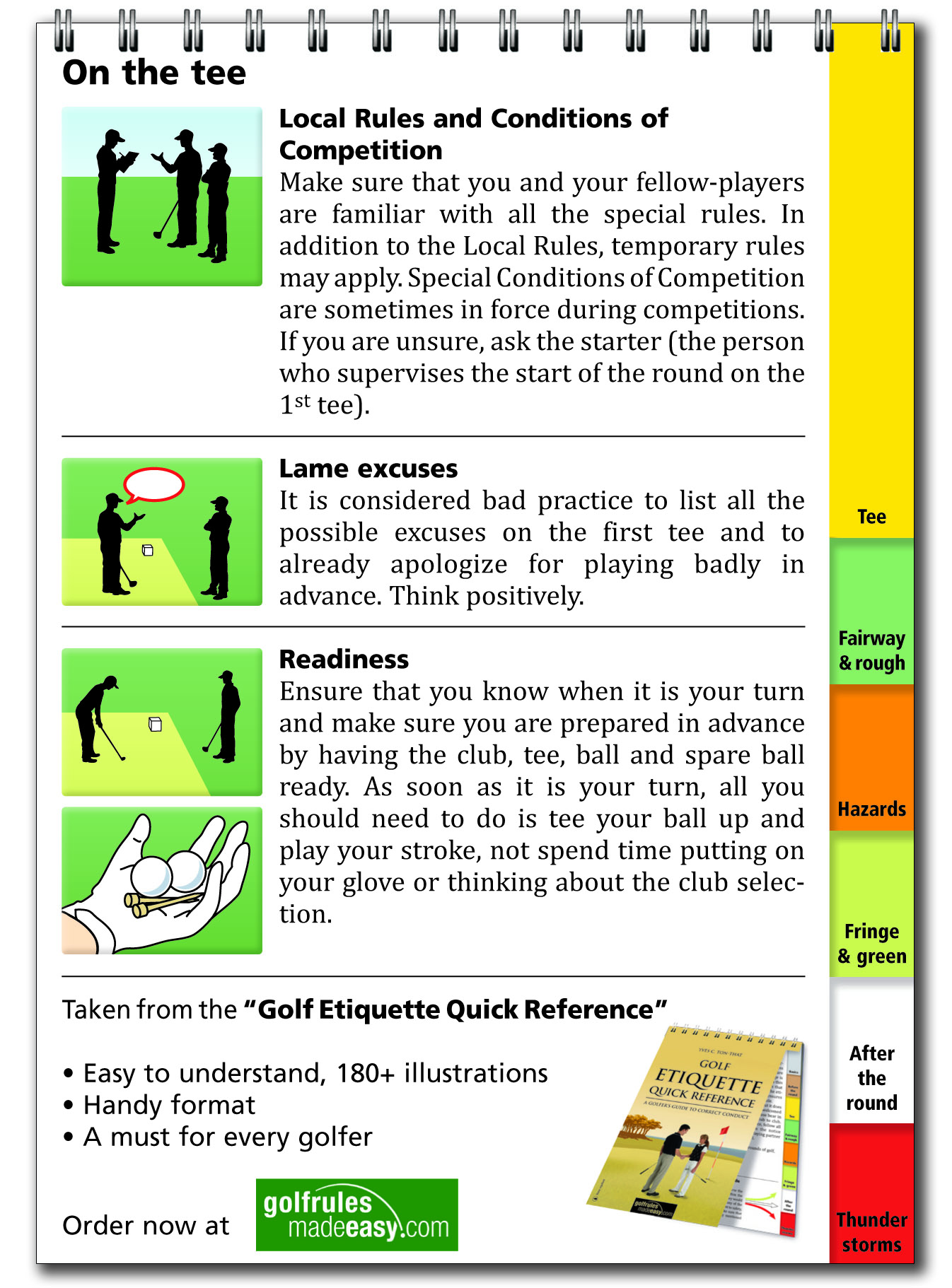
Golf Etiquette Quick Reference
I believe golf pros are genuinely interested in helping new golfers learn the game, but I don’t think we do a good enough job teaching people the rules and etiquette of the game. We’re all at fault for this, and I see plenty of golfers that could use a refresher course from time to time. I usually carry a pocket size USGA rule book in my bag to end arguments about the rules, but what about etiquette? Enter the Golf Etiquette Quick Reference! This easy to read guide gives you all the info you need to conduct yourself properly on the golf course. I’m talking to you, “crossing into my fairway to hit your crooked tee shot without regard to my group” guy!
Gary Player DVD – A Game for Life
Gary Player is probably the greatest non-American golfer ever. He’s seen it all and been to every corner of the globe as an ambassador to this wonderful game. So when he speaks, people listen. Gary is almost 80 years old, but he’s in better shape now that I’ll ever be. Also considered one of the best bunker players of all time, now he’s sharing his lifetime of knowledge with his new DVD set called A Game for Life. Pop this 3 DVD set in, sit back and absorb the greatness.
Green Sleeve
I always thought it was pretty cool to play golf with a caddy, and even if the average caddy can’t help me much with club selection, at the very least they will keep your clubs and golf balls clean. But for the 99.9% of us that don’t have access to a caddy when we play, there is a cheaper, faster solution. Greensleeve! This little microfiber sleeve is easy to carry in your pocket and does a great job at cleaning clubs and balls. It comes in many different colors and logos, and for $10, it won’t break the bank. Greensleeves are perfect stocking stuffers. Get a couple!
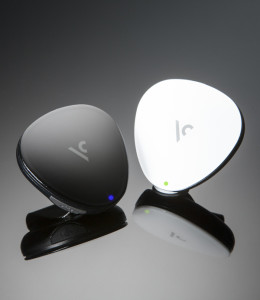
Voice Caddy
We’re big fans of any invention that allows us to be lazy makes life easier for us. Isn’t that the reason for every good invention? Instead of subscribing to a GPS service or trying to read a dimly lit screen in the bright sunlight, or trying to shoot the flag with some laser, why not leave the work to the Voice Caddy VC300? Just turn it on, clip it to the brim of your hat and it automatically finds the course and hole you are playing from a database loaded with over 30,000 courses. From there a simple button push gives you the yardage to the front, middle or back of the green. Simple and effective. $149
Ping G30 Driver
We’re still compiling launch monitor data and play testing Ping’s newest driver, but the early results are in, and the Ping G30 is a big winner. One tester hit half a dozen tee shots with it on the course and decided right there that he had to have one. I’ve played 72 holes with it and while I haven’t kept detailed stats, my observations are that the G30 is straighter and much more forgiving than my current gamer. Distance is on par with most of the competition as well but I feel I’ve gained a few yards because I’m simply hitting the sweet spot more often. Our full review is yet to come, but I’m all-in with Ping with this one. Simply put – The Ping G30 driver is the best driver I’ve hit in over 10 years.
Antigua 2015 Collection
Antigua doesn’t make clothing with flashy European designs and crazy colors. They make simple, classic, good fitting and well made shirts. Long a favorite of mine, they use high-tech fabrics to make some of the most functional and comfortable golf shirts on the market. Their latest collection expands on the popular Desert Dry line and is sure not to disappoint. My personal favorite is the 95% polyester and 5% spandex blend that feels like you are wearing Sheex performance bedding. It’s silky smooth and very comfortable.
Aldila Shafts
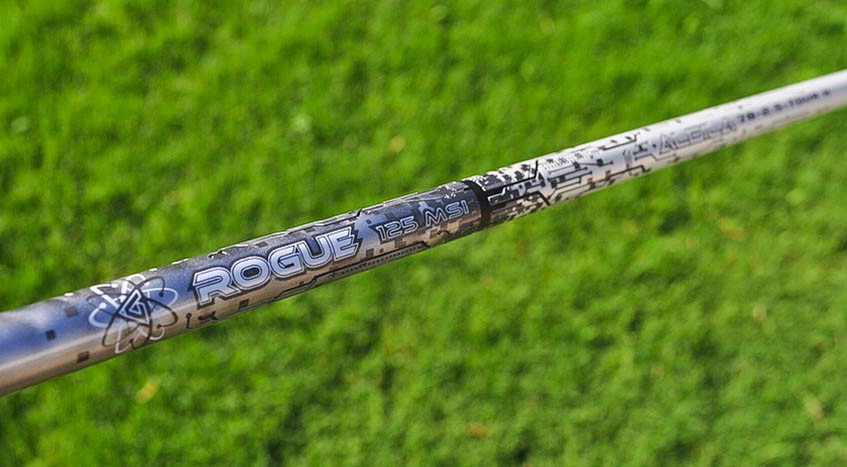
Aldila makes some of the most popular shafts on the professional tours. Young phenom Jordan Speith has won twice in the last two weeks using an Aldila Tour Rogue shaft in his driver. I’ve recently upgraded a few of my own clubs with the fantastic Aldila Tour Green shaft, and they have become more consistent and playable than every before. A new custom fit shaft is all you need to revive an old driver that you love, and I bet the price of a shaft upgrade from Aldila is still cheaper than a new driver!
Renegar Wedges
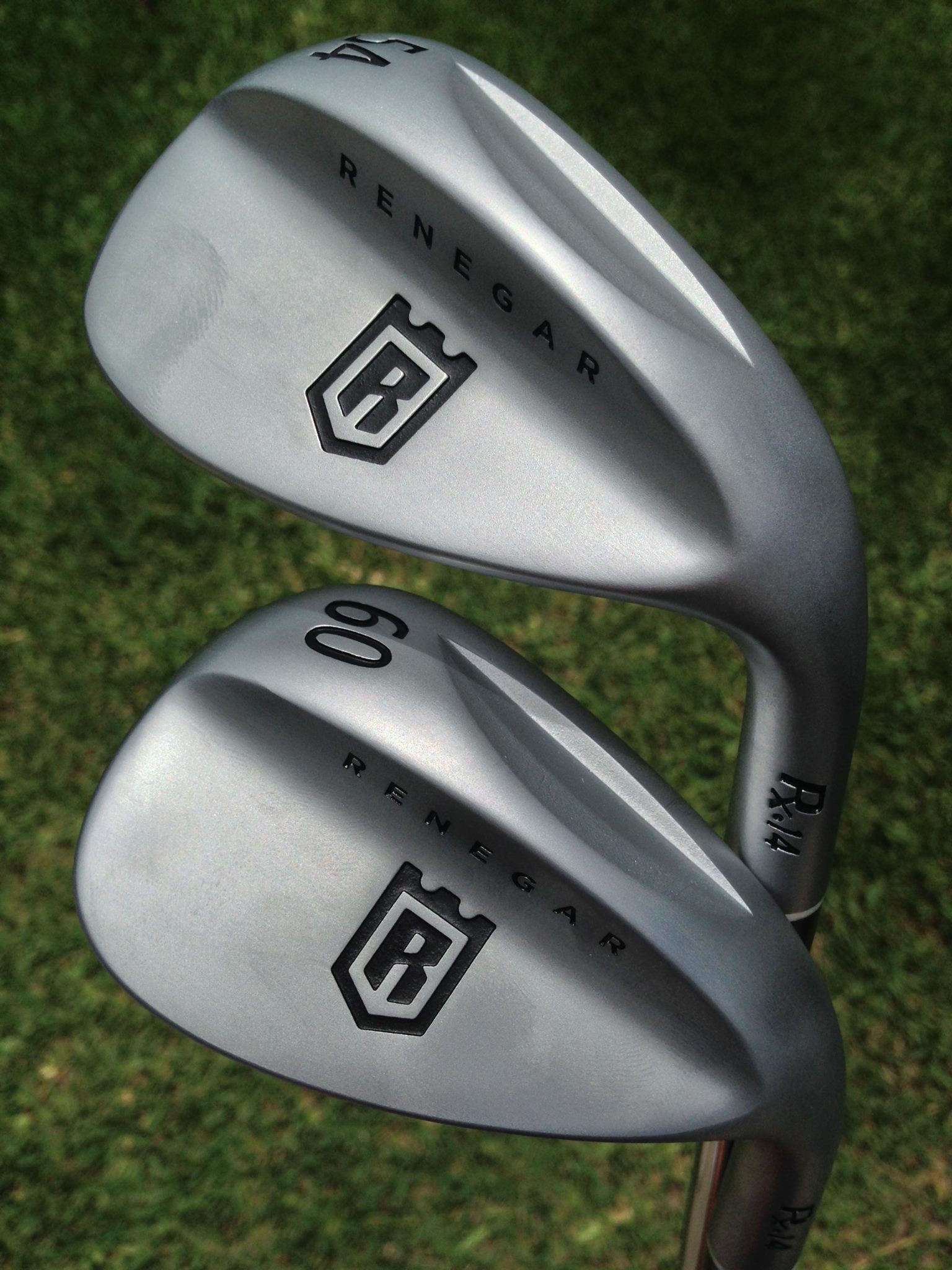
Gene Sarazen invented the sand wedge in the 1930s, yet most modern wedges still use the same basic design. The problem with the design is simple. The larger flange of a sand wedge works great from the bunkers, but off the turf – not so much. With a standard wedge design the front edge of the wedge cannot slide under the ball because of that chunky flange (or bounce), leading to fat and thin shots. Renegar solved that problem with a unique, patented technology. The Renegar RX14 wedges feature the cut out sole design that simultaneously lowers the leading edge while retaining the bounce for bunker shots. The best of both worlds! I’ve been playing wedges with a similar (but not quite as effective) sole design for a long time, and it really works!
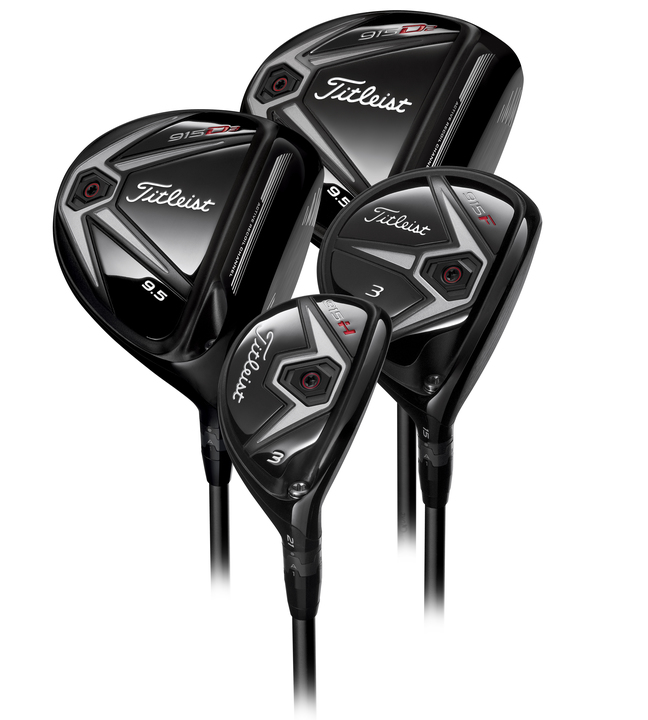
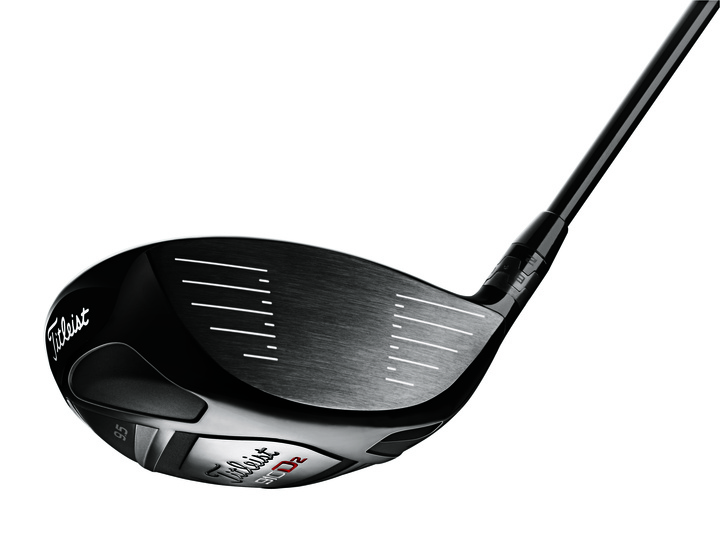
Titleist fans, the long awaited day has finally arrived. The new 915 driver, fairways and hybrids have been launched, and they are sure to bring a smile to your face. It is well known that Titleist only introduces new clubs about every two years, focusing on measured improvements and quality rather than marketing and sales volume. Titleist is also one of the few companies that has a very strong green-grass presence, meaning they can be found in most golf course pro shops. The new clubs should be available in pro shops starting on November 14, 2014.
Offerings
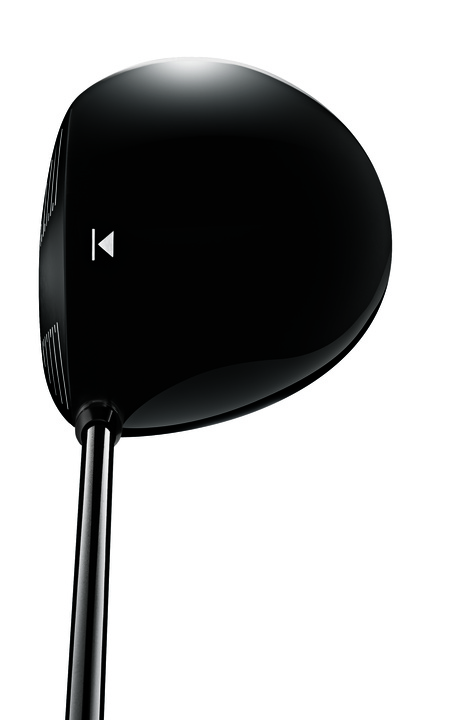
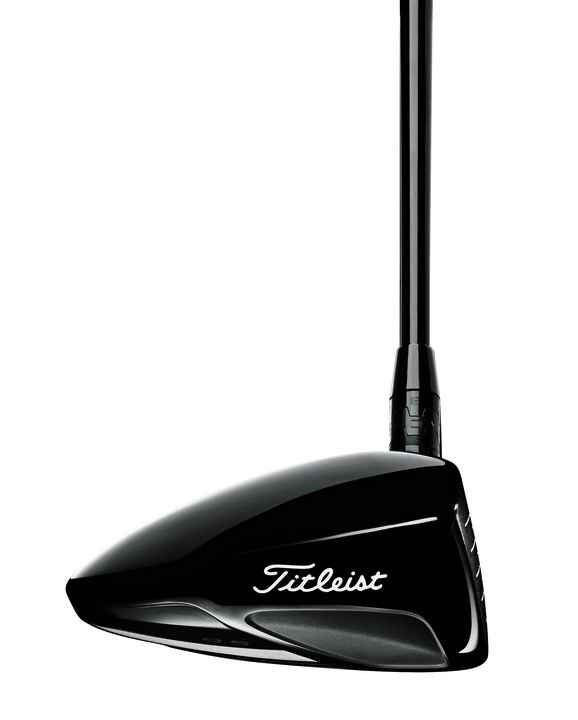
915D2 Driver – 460cc full pear shaped head designed for maximum forgiveness and a slight draw bias.
915D3 Driver – 440cc pear shape for workability and 250 rpm less spin than the 915D2 for a flatter peak trajectory.
915F Fairways & 915H Hybrids – larger profile for all-around performance and maximum forgiveness
915Fd Fairways and 915 Hd Hybrids – Smaller head shapes for workability and forgiveness with a slightly lower launch and spin.
In other words, the 915D2 driver, 915F & 915H are for everyone, and the 915D3, 915Fd & 915 Hd are for the better players.
Technology
The 915 drivers feature the new Active Recoil Channel (ARC), which is a long and deep sole channel that flexes at impact to launch the ball off the face with higher speed and less spin. It is similar in design and concept to the slots found on Nike, Taylor Made and Adams woods.
The Radial Speed Face is a forged face insert with thinner perimeter in the heel and toe which works with the ARC to increase ball speeds on off-center hits.
All the woods have a high-MOI design with a low, deep center of gravity that gives you forgiveness and stability for more consistent distance, even on off-center hits.
The new woods also retain the SUREFIT hosel that allows the loft and lie to be adjusted independently of each other for a more precise fit.
Specs
The 915D2 Driver is available in 7.5, 8.5, 9.5, 10.5 and 12 degree lofts. 915D3 is available in 7.5, 8.5, 9.5 and 10.5 lofts.
915D2 and 915D3 Driver stock shafts are Aldila Rogue Black 70 (mid-launch), Aldila Rogue Silver 60 (lower mid-launch), Mitsubishi Diamana D+ White 70 (low launch), Mitsubishi Diamana D+ Blue 60 (mid launch) and Mitsubishi Diamana D+ Red 50 (high launch)
915F features a full pear profile (175cc) for maximum forgiveness. The large profile provides confidence and produces a slightly higher flight versus the 915Fd. It is offered in five lofts (13.5º, 15º, 16.5º, 18º and 21º), including a new high-lofted 16.5º 3-metal and new 18º 5-metal.
915Fd, with its traditional pear profile (160cc), is workable and forgiving. The compact profile delivers slightly lower launch and spin versus 915F. 915Fd is available in 13.5º and 15º lofts.
The stock fairway shaft lineup includes the Aldila Rogue Black 80 (mid-launch) and Mitsubishi Diamana D+ White 80 (low launch), Mitsubishi Diamana D+ Blue 70 (mid launch), Mitsubishi Diamana D+ Red 60 (high launch).
915H has a subtle pear profile (118cc) that provides confidence at address. The fuller, rounder profile delivers maximum forgiveness and slightly higher launch and spin versus Hd. 915H is available in 18º, 21º, 24º and 27º lofts.
915Hd is a slightly offset, small pear (107cc) that delivers distance with shot control through a flatter trajectory and less spin (about 120 rpm) versus the H. 915Hd is offered in 17.5º, 20.5º and 23.5º lofts.
The stock hybrid shaft lineup includes the Aldila Rogue Black 85 (mid-launch) and Mitsubishi Diamana D+ White 90 (low launch), Mitsubishi Diamana D+ Blue 70 (mid launch), Mitsubishi Diamana D+ Red 60 (high launch).
Photos
Enough tech-talk, let’s see some more pictures. Lots of pictures!
When I was a young man in the early 90s and started taking golf seriously, wooden headed drivers and fairway woods were already on the way out. I remember talking to a few holdouts that swore they would never let go of their beloved Ping Eye2 woods, and one friend in particular would not let go of his Powerbilt persimmon driver, but for the most part metal heads were taking over.
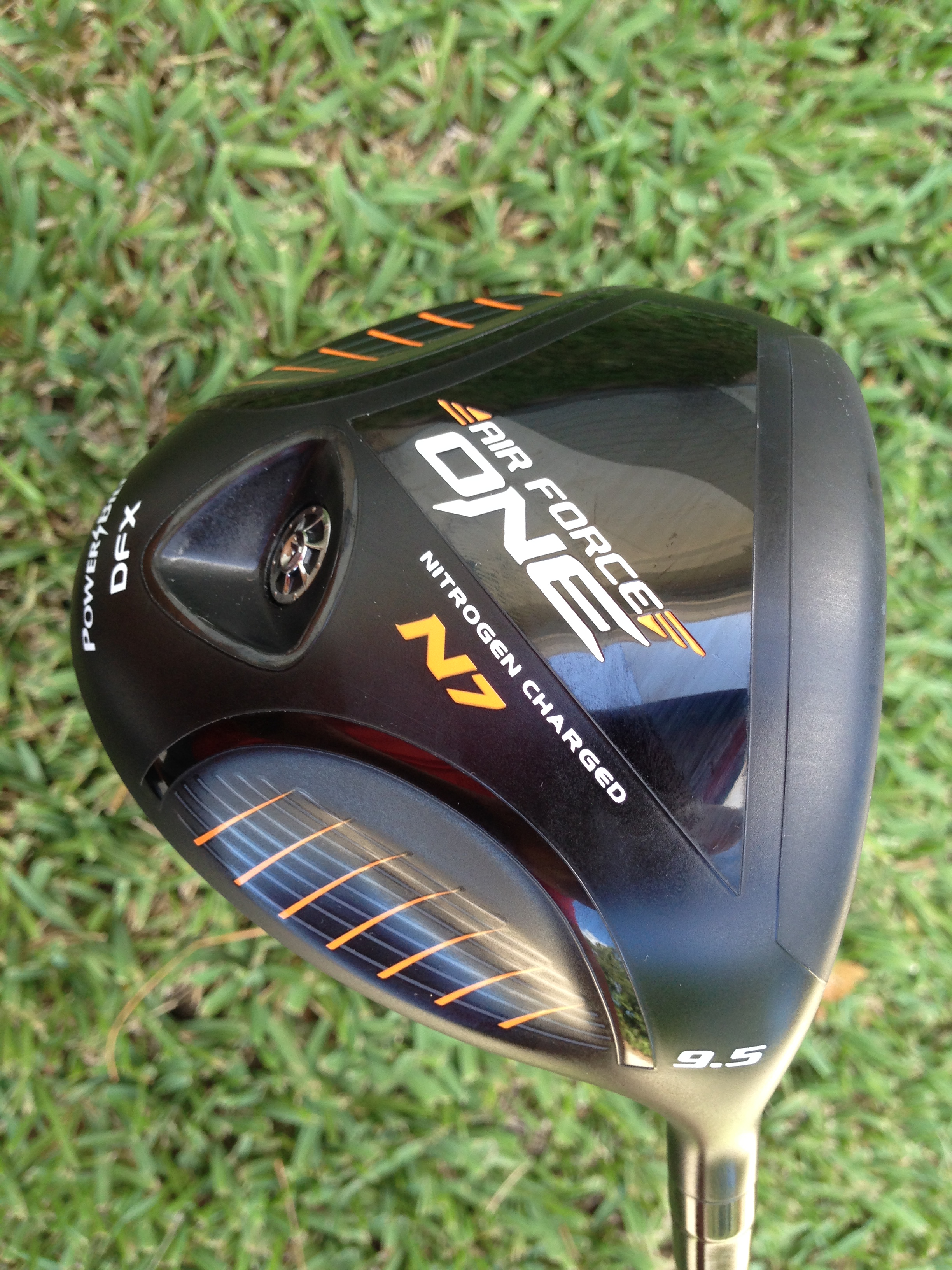
Back in the day, Powerbilt was one of the biggest brands in golf. Times change and name brands come and go, but Powerbilt has endured and is still making quality golf clubs. I recently had a chance to spend some time playing the Powerbilt Air Force One DFX driver, and came away impressed.
The Air Force One (AFO) series drivers have been on the market for a few years now, and the DFX driver is new for 2014. The main feature that sets Powerbilt apart from the rest is their patented N7 – Nitrogen Charging method, where they fill the clubhead with pressurized nitrogen to reinforce the face of the club without adding any weight. Powerbilt claims the nitrogen charged DFX driver offers the fastest ball speeds and tightest dispersion possible.
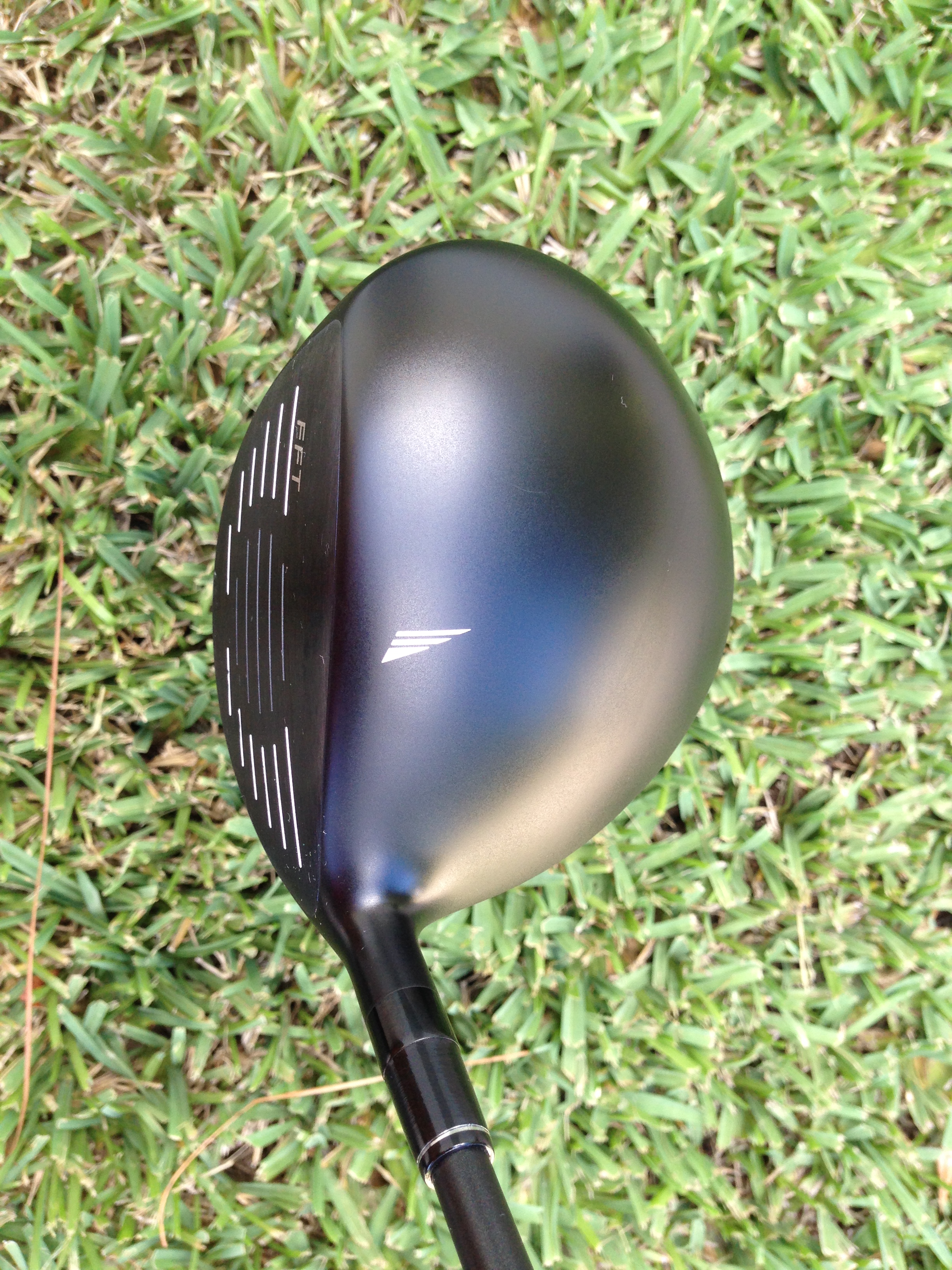
The club is made of forged titanium with a titanium cup face. It has a classic shape with some aerodynamic features and deep face to reduce spin and give it a more classic look. The matte black paint job is very sharp, sporting a very clean look without glare and a simple alignment marker on top. Nothing to drastic or busy here. My driver (DFX Tour model) came fitted with the Fujikura Fuel 60x shaft, but Powerbilt makes several other shafts available as stock options and a few more as upgrades. The shaft is the engine of any club, so it’s nice to have some top quality stock shaft options available to fit every golfer. The DFX MOI driver comes only with proprietary Fujikura shaft and costs $50 less.
I spent some time at the range and played 36 holes with the Powerbilt AFO DFX Tour driver. The DFX MOI driver is also available, with a larger head and more forgiveness. The deep face and classic shape makes the driver appear smaller than the standard 460cc drivers on the market, and that’s because they are. Both drivers are actually 440cc. I was expecting the “nitrogen charged” design to produce an obnoxious noise, but thankfully it didn’t sound much different than other drivers. Solid hits flew on a mid-high trajectory and seemed to roll quite a bit, so without any launch monitor data I would estimate this is a quite low spin driver as configured with the Fujikura shaft. Ball flight with this 9.5 degree driver was on par with my current 8.5 degree club, so be sure to try them out or get a bit more loft.
I was able to work the ball both ways with the DFX driver, but it seemed easier to draw the ball in most cases. As far as distance is concerned, the driver seemed to keep pace with my current gamer (Adams Super LS). The only negative I found with this club is forgiveness. Off-center hits flew considerably lower than solid shots, and distance suffered as a result. However, the DFX MOI driver would undoubtedly offer more forgiveness than the Tour model I had, which is geared towards the lower handicap golfers. I’m not sure if the pressurized nitrogen has any effect, mostly because USGA rules limit the COR of a golf club to 0.830, but it’s a cool marketing gimmick!
Overall Powerbilt has a pretty good club on their hands, and for the price it’s tough to beat. The DFX MOI driver sells for $249 direct from Powerbilt’s web store, and the DFX Tour model starts at $299 and offers more loft and shaft options. For more information, visit their website at Powerbilt Golf
The golf industry is no different than any other industry in that there is no shortage of copy-cats, corner cutters and imitators out there. Every major golf equipment manufacturer has had their products cloned, and anyone with a good idea better cash in fast because you can bet someone out there will try to copy it at some point. I’ve seen hundreds and hundreds of new products introduced over the years with varying levels of success. Some are upgrades of existing products or ideas, and others are totally new concepts. Here are eight cool products that I have come across lately that deserve your attention!
Drink Caddy
The Drink Caddy (seen above) is part novelty item, part useful gadget. Many golfers like to have a drink or three when they play golf. This wouldn’t be much of an issue, other than the policy many courses have that don’t allow outside food or beverages on the course. They want to sell you their $3 Gatorades and $5 beers. Instead of stuffing beer cans in your bag, the Drink Caddy helps by disguising a drink dispenser as just another club in your bag. There is a pretty large 52oz (1.5 liters) reservoir that hides away in your bag, attached to the dispenser that pumps the liquid of your choice on demand. It works great and is easy to clean and use. You can’t use it with carbonated drinks, but other than that it is a great option for those hit-and-giggle scramble events to carry rum, vodka, wine or boring old water. You decide!
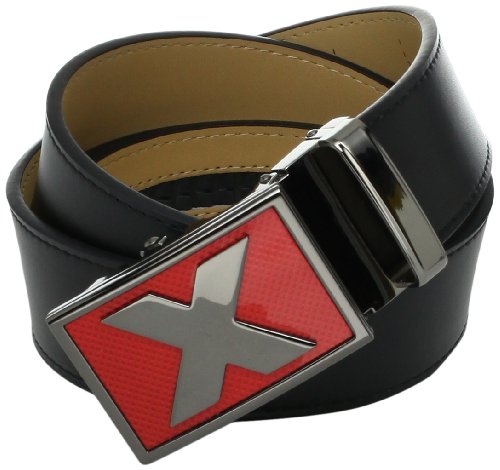
Nexbelt – The Belt With No Holes
My new favorite apparel accessory is Nexbelt belts. Just like the tagline says, they have no holes. Instead, Nexbelt has designed a belt that uses a kind of ratchet system to size the belt. This system helps in a couple of ways. First, it allows a more precise fit than the old fashioned holes, and can be easily adjusted without drawing attention to your crotch. The other bonus of this design is that it allows them to make one belt for everyone up to 50″. You buy the belt, size yourself and then cut the extra length off yourself. They have dozens of styles and colors for men and women, work, casual and golf. Give them a look and access the online shop here.
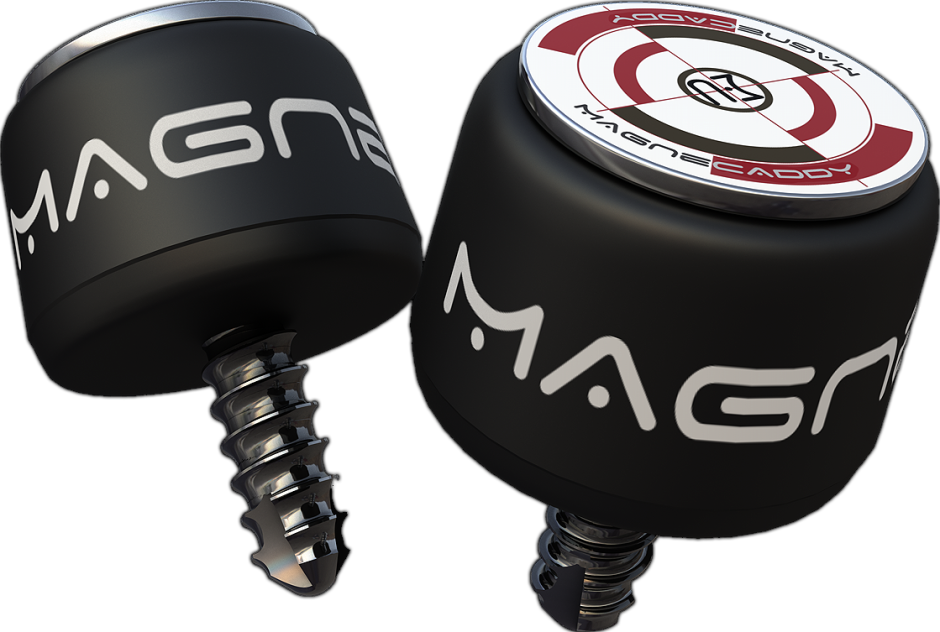
MagneCaddy
This is as simple as you can get for a golf accessory. Have a bad back? Hurts to bend down and pick up your clubs around the green? Just install the MagneCaddy on the end of your putter and pick up those wedges with ease. The device screws into the little hole on the butt end of your grips and uses a powerful magnet to pick up anything metallic. When I say powerful, I mean it. I picked up a sand wedge with it and shook it in the air, but the MagneCaddy held it strong. The only problem with a magnet this strong is that it will cling to anything made of metal, including your car, the golf cart, other clubs in the bag, etc.
Polara Self-Correcting Golf Balls
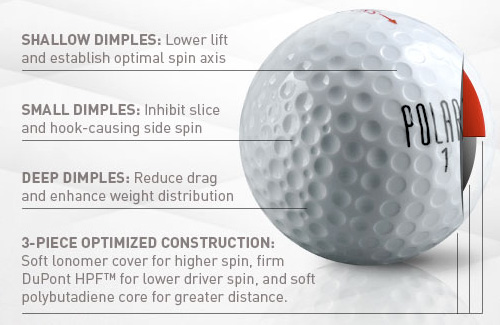
“Dammit, that golf ball flies too straight!” Ever hear anyone say that on the golf course? Yeah, me neither. The average golfer still hits the ball all over the place, despite all the wonderful technology in those $400 drivers that promise we won’t. Polara Golf is the only company that can back up those claims. They make a golf ball that flies so straight it’s illegal. The Polara golf ball has dimples of different sizes and depth arranged in a specific way as to self-correct in flight. As a result, when properly aligned to the target these golf balls fly on a flatter, knuckleball-like trajectory and they go very, very straight. The shallow dimples around the center of the ball are what help them fly straight, but they also reduce lift, meaning they will fly lower and carry less than regular golf balls. However, the lower spin also means they will roll more after landing. Overall I noticed a small difference in distance over a normal golf ball. Use a high lofted driver to counteract the lower ball flight and spin and these balls are awesome. They even make their own (illegal) driver to use with them that helps even more. Obviously you can’t use them in any USGA sanctioned events, but for the casual golfer they can certainly help make the game more fun!
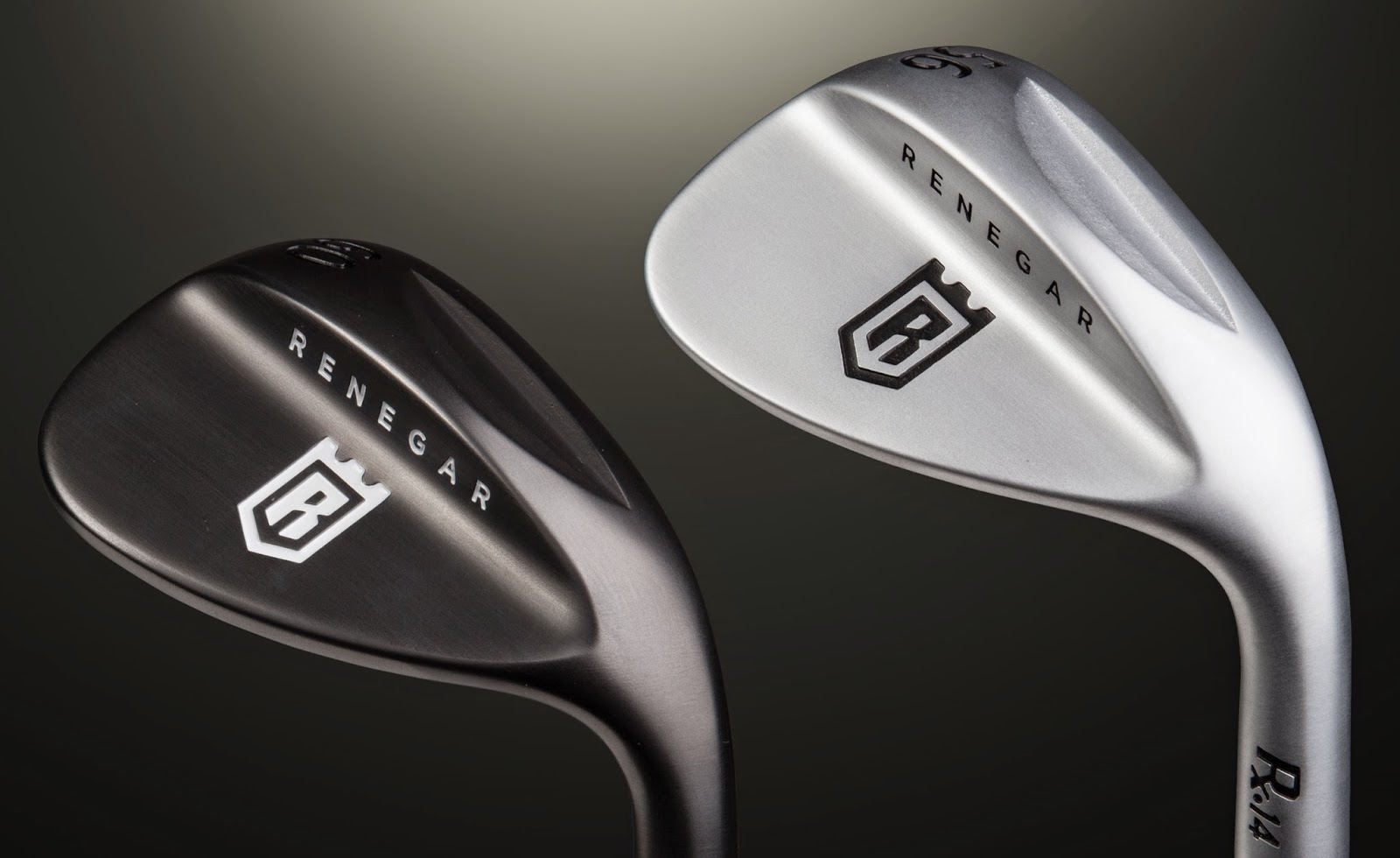
Renegar Wedges
Bob Renegar has been around for a while, but you may never have heard of him. He first designed his unique wedges under a different name, but he’s now selling his scoring clubs under the Renegar Golf brand. The Renegar wedge has a sole grind that is unlike any other on the market. According to Renegar, it allows the golfer to produce virtually any kind of shot around the greens, from any lie. The grind allowed them to lower the leading edge of the club without losing bounce. This permits the club to perform well from a variety of lies and circumstances around the green. This versatility is key for a good short game. I’ve used a similar sole grind for years, even if it isn’t exactly like his. In early testing, Renegar wedges are a joy to chip with and can handle closely mown collars, deep bermuda rough and sand with ease. Look for a complete play test and review of these cool wedges soon!
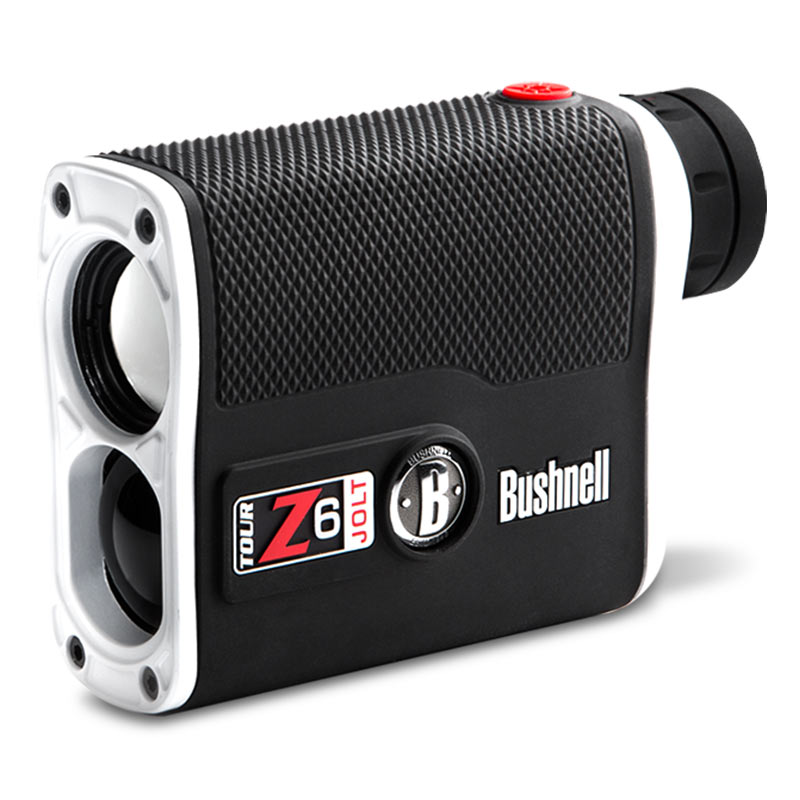
Bushnell Tour Z6 Jolt
I have become attached to my rangefinder in much the same way that many people are to their smartphones. I’m so dependent on it that I can remember the exact date and course that I last played without one. Over the years they have greatly improved on the technology that was originally borrowed from range finders designed for hunting. Now, most models from all the major brands have some sort of flag-lock feature to be sure you are hitting the flag, not the trees behind the green when shooting a yardage. The Bushnell Tour Z6 Jolt is one of the best. Not only does Bushnell’s Pinseeker technology work well, but the unit also vibrates when lock is established so you can be sure. The Z6 Jolt is also light and the display is very bright, so you can use it in all conditions. A review on this one is also coming soon!
Swiftwick Socks
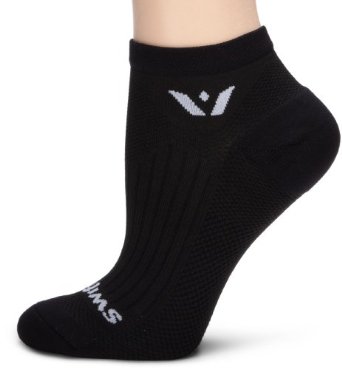
Socks are socks, right? Except when they aren’t. Swiftwick makes compression socks for all sports including golf. No matter what sport you play, you want your feet to be comfy. Swiftwick socks fit like new every time you put them on, and provide support and moisture wicking for your feet. Not only that, but they look cool, come in many different sizes, colors and styles and they are made in the USA. What more do you need? Try them out!
Personal Golf Tote
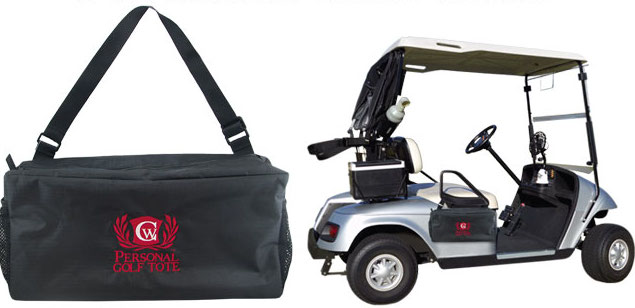
From the “Why didn’t I think of that” department comes the simple but very handy Personal Golf Tote from Cynwark. We’ve all had to share a golf cart with a basket hog at one time or another. You know the type – they throw all their stuff in the basket behind the seats, leaving you no room to toss your empty beer cans and head covers. The nerve of some people. So you do what we all do, throw your stuff in the front storage compartments and end up leaving your sunglasses and keys behind. Well, now you don’t have to fight over the basket or forget stuff in the cart. Simply hang the Personal Golf Tote over the side of the cart from the seat handle and put your keys, wallet, snacks, golf balls, tees, your range finder, sunscreen and whatever else in it for safe keeping. At first I was afraid of the guys making fun of it, but they all thought it was a neat idea, and the ladies absolutely love it. Simple but thoughtful. It’s the perfect golf gadget!
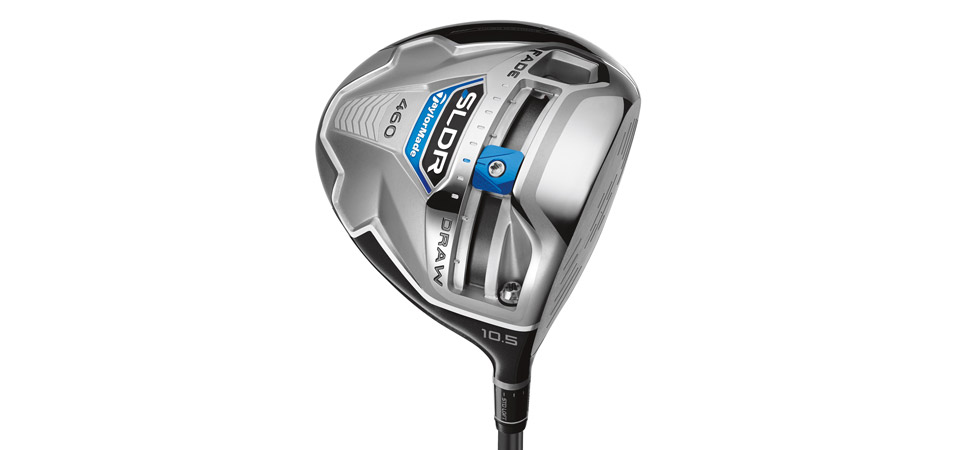
Taylor Made adidas Golf (TMAG) has done it again. We’re used to seeing new clubs hit the market at several times during the year, but this time they’ve gone way beyond designing a new club – they’re invented a time machine! TMAG’s new time machine (aka – SLDR Mini Driver) takes us way back to the 1990s when shafts were shorter, heads were smaller and the center of gravity was close to the club face. Naturally this new SLDR Mini Driver has modern shaft options, but the design concept is similar to the older clubs of the 90s to me. Based on the premise that many players struggle with the driver, they’ve built a 3 wood that is made to hit the ball off the tee for driver-like distance. So, if I understand correctly – It’s for people that want to hit their 3 wood almost as far as a driver, but not as far as a regular driver, but straighter than a regular driver, but not quite as straight as a 3 wood. Yeah. Tell you what – I’ll let TMAG explain it to you with their official press release below:
Carlsbad, Calif. (April 7, 2014) – TaylorMade Golf Company, makers of the No. 1 played driver in golf, today announced the launch of the SLDR Mini Driver, a 260cc metalwood equipped with a 43.5” shaft, designed to promote distance and accuracy off the tee for players who frequently drive with their 3-wood.
TaylorMade research indicates that a high percentage of golfers, regardless of skill level, hit 3-wood off the tee more often than from the fairway. However, the 3-wood is designed to hit the ball off turf, not a peg. That void between product design and product use led to the development of the SLDR Mini Driver, which is engineered to be longer off the tee than a 3-woood and incredibly accurate.
“Tour pros and betters amateurs often hit their 3-wood off the tee more often than from the fairway,” said Brian Bazzel, TaylorMade’s Senior Director of Metalwood Creation. “We embraced that fact to create a metalwood that’s sized between a 3-wood and driver and is designed to be easy to hit off a tee.”
Like the SLDR driver – the No. 1 driver on the PGA Tour – the SLDR Mini Driver features a low-forward center of gravity (CG) location that reduces spin. From there, most players benefit from playing a higher loft (what TaylorMade calls “lofting up”) by combining a low spin-rate with a high launch angle, which are the launch conditions that promote maximum distance.
The SLDR Mini Driver also incorporates TaylorMade’s Speed Pocket technology, which promotes lower spin on impacts low on the clubface, where the majority of driver mis-hits occur.
And though it’s engineered to be easier to tee off with than a 3-wood, the SLDR Mini Driver is also easy to launch the ball off the turf with, thanks to its smooth sole that’s smaller and offers less resistance than a driver’s.
Aesthetically, the SLDR Mini Driver’s sleek shape and smooth matte silver crown, black clubface and black button-back gives the club an attractive appearance from all angles, especially at address. The contrasting colors also facilitate easy and accurate face alignment.
The first Tour pro to put the SLDR Mini Driver in play was Troy Matteson, who put not one but two in his bag at the Valero Texas Open: one to use off the tee and one to use from the fairway.
“The SLDR Mini Driver is intended to appeal to a wide audience,” added Bazzel. “For the Tour pro or top amateur who places a premium on distance control and accuracy, this club is a fantastic option. It’s also a great choice for those amateurs who struggle with 460cc drivers.”
Two SLDR Mini Driver models are available, standard and TP. The standard model retails for $279 and is equipped with a Fujikura 57 shaft. It is the same shaft used in the SLDR driver, but at 43.5 inches (two inches shorter than the SLDR driver) it promotes tighter dispersion for increased accuracy. The TP model retails for $379 and is equipped with Fujikura’s Motore Speeder 7.3 shaft and is built to a heavier, D5 swingweight for improved control. Lofts in both models range from 12°, 14° and 16°.
Both SLDR Mini Driver models will be available at retail starting on 5/2. Visit TaylorMadeGolf.com for more information.
If I could only use one word to describe TaylorMade Golf for the past 3 or 4 years, I think it would be: Prolific.
pro·lif·ic (prəˈlifik) adjective: present in large numbers or quantities; plentiful.
TaylorMade is everywhere. Go to any major sporting goods retailer, golf store or green grass pro shop and you are likely to see TaylorMade clubs, balls, hats, bags and more. This is deliberate of course. In the marketing war to win over customers, more is better. The more you see their name on TV, in pro shops or on the course, the more likely you will become a TaylorMade customer yourself.
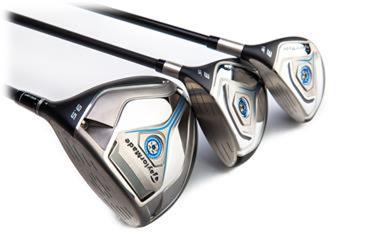
For this strategy to work however, you need a good product and money, and TaylorMade has both. Now backed by the adidas Sports Group, TaylorMade adidas Golf (TMAG) has a long history of industry changing products. It all started in the 70s when Barney Adams created the original “Pittsburgh Persimmon” cast metal driver. Once he got a few PGA Tour pros to try it and they started winning with it, the metalwood era had begun. By the mid 90s, wooden headed clubs were gone. In 1995, they introduced the Burner Bubble driver with a painted (imagine that) copper head and the innovative bubble shaft, and it took the market by storm. By 2004 when the R7 adjustable driver came out, TaylorMade had already established itself as an industry leader. Last year we had the famous (or infamous) white drivers and fairways, and while one TMAG staffer once told me “We’re all in on white”, they have returned to a more neutral color scheme with their most recent clubs, the SLDR Driver and the newly introduced JetSpeed Driver and Fairways.
TaylorMade SLDR Driver
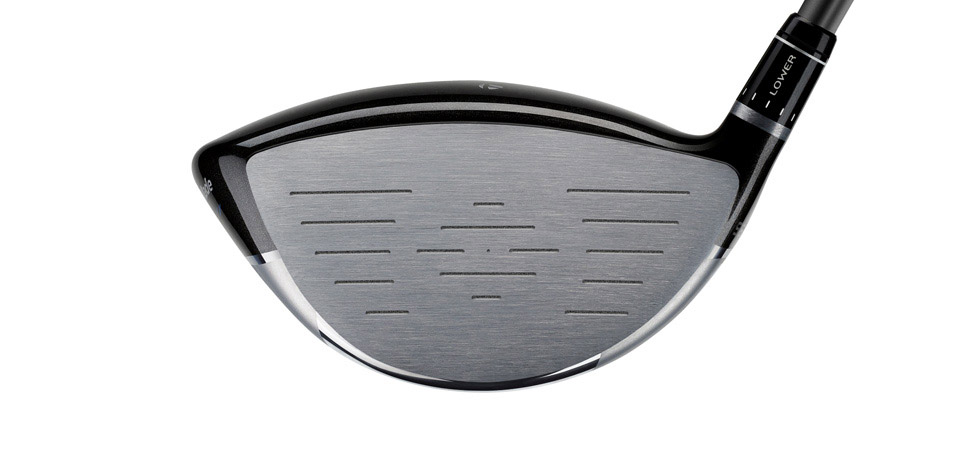
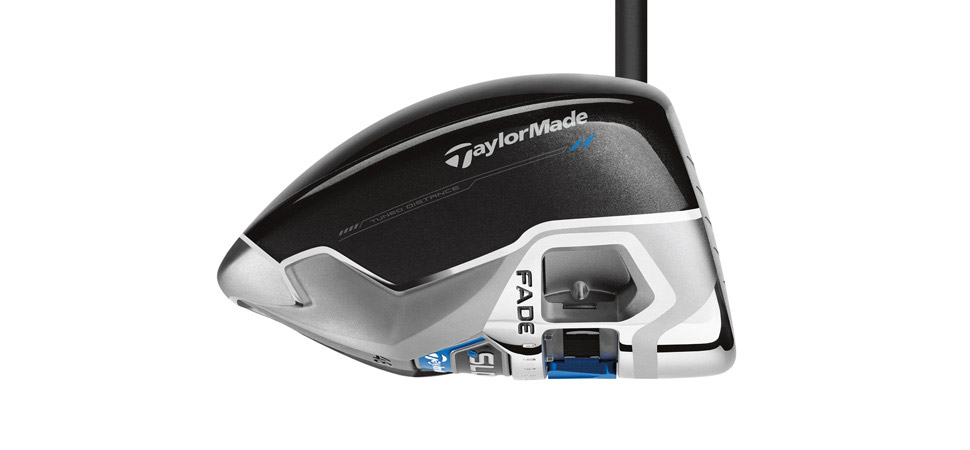
The TaylorMade SLDR driver is almost old hat at this point, having come out earlier this summer. TaylorMade loves to introduce new products at several points in the year, making it seem like there is a constant stream of new goodies coming from the R&D folks in Carlsbad, California. They say what makes this driver long is the placement of the CG (center of gravity) low and forward in the club to reduce ball spin. When combined with greater loft at impact, balls are launching higher with less spin, and according to the magical club testing robots and launch monitors, it is their longest driver ever.
We’ve all heard this before of course. Longer, straighter, more forgiving – these words are attached to every company’s new product launch press releases nowadays. Will the TaylorMade SLDR driver deliver on this promise? In a word, maybe. Every golfer will get different results, and obviously a proper fitting makes a huge difference. I compared the SLDR driver side by side with two current “gamer” drivers. The Adams Super LS and a Cleveland Classic that is now my backup.
Performance
Having such a low and forward center of gravity (CG), the TaylorMade SLDR will perform better if you add some loft. If you normally play a 9.5 degree driver, try the SLDR with 10.5 degrees. The forward CG lowers ball spin to the point that too little loft will leave you unable to carry the ball very far. I had the 10.5 lofted TaylorMade SLDR TP, which is the “tour” model with an upgraded shaft. I usually play 7.5 (Cleveland Classic) to 8.5 (Adams Super LS) degrees of loft, so going to the 10.5 head was a big change. Naturally I launched the ball very high with the SLDR driver. Since I was basically comparing apples and oranges, I didn’t notice a gain or loss in distance with the SLDR driver. The SLDR driver carried a bit further than the Cleveland Classic and Adams Super LS, but because the conditions are usually soft and wet in my area I wasn’t able to see how much roll I would get. It seems that every year my swing speed goes down, but I don’t lose distance. Advancements in club and ball technology are the main reasons for that. In practical terms, distance depends largely on one’s golf swing and playing conditions. It is too hard for me to judge if this driver is really longer than my “gamers” in real world testing. One thing is for certain, this driver is as hot as any current driver, so if you have a club that is a year or two old, you will most certainly see a gain in distance with the TaylorMade SLDR driver if properly fitted.
I generally don’t mess with adjustable drivers much, because I like to work the ball both ways off the tee and prefer a neutral setup that allows me to shape shots without too much extra effort. The SLDR driver’s sliding weight allows a person to dial in up to 30 yards of side to side ball flight, according to TaylorMade. Out of the box I found the TaylorMade SLDR wanted to draw the ball, so I set it a few clicks towards to toe and found a setting that worked pretty well. Had the shaft been a little stiffer I think the default setting may have worked. Either way, this adjustment is simpler and easier to adjust than the removable weights and confusing sole plate of the R1 driver, and a welcome change.
Aesthetics
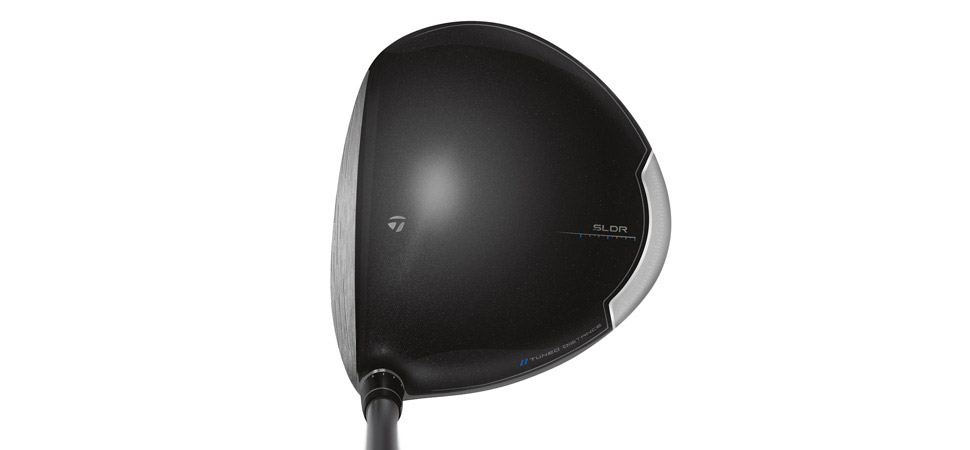
Is the era of the white drivers over? I’m not sure, but for the moment it is on hiatus for the TaylorMade SLDR driver. This one is painted a nice charcoal-gray color, which is more traditional and looks great. The chrome accent at the rear of the crown and busy graphics let you know this is still a TaylorMade driver, however. The busy design on the sole is classic TaylorMade, as the MWT (moveable weight technology) has evolved to become a single weight sliding along a track for adjustments in draw or fade bias. The adjustable hosel is still there to allow the golfer to adjust dynamic loft by opening or closing the club face. Compared to some of the more recent offerings, the TaylorMade SLDR is a pretty good looking club.
Conclusions
The SLDR driver is a solid, low spinning club that strikes a decent balance between new technology and classic looks. If properly fit, I’m confident that most golfers will see an increase in distance, but depending on what kind of driver you are upgrading from, that gain may be negligible in the real world. To get the most out of this driver, I highly recommend adding loft. Even the 10.5 that I was hitting wasn’t producing a ball flight that was too high for me. Everyone differs of course, so go out and hit one and see for yourself. If you are looking for a good upgrade from a driver that is a few years old, the TaylorMade SLDR is a worthy choice.
Thanks to their position as an industry leader and backed by their parent company the adidas Group, TaylorMade loves pumping out new clubs at a furious pace, often staggering their product launches throughout the year. It seems like they have a new driver on the market every 6 months. Earlier this year, the R1 Black was released, followed soon after by the new SLDR driver, now we have another new toy to play with. Here’s the official TaylorMade JetSpeed press release:
TaylorMade Golf Introduces JetSpeed Driver, Fairway Woods and Rescue Clubs
New Speed Pocket design unites with low CG and light weight to promote high launch and low spin for maximum distance
CARLSBAD, CALIF. (November 15, 2013) – TaylorMade, the No. 1 played driver brand on the PGA Tour, today announced the release of JetSpeed, a breakthrough line of metalwoods that includes the company’s first driver to feature Speed Pocket technology. In addition, JetSpeed fairway woods and Rescue clubs combine an enhanced Speed Pocket, an extremely low-forward center of gravity (CG) location and extremely light overall weight to promote faster swing speed, clubhead speed and ball speed for more distance.
“We expect ‘low and forward CG’ to represent the next great innovation in metalwood performance,” said Sean Toulon, Executive Vice President. “With our SLDR and JetSpeed products, we’re giving golfers of all types the opportunity to increase their launch angle and reduce their spin-rate, which ultimately leads to more distance.”
The First Driver with a Speed Pocket
The Speed Pocket was originally designed to increase the speed at which the clubface flexes and rebounds to promote faster ball speed. Why put a Speed Pocket in a driver, since the face is already as fast as the USGA will allow? TaylorMade engineers discovered that incorporating a Speed Pocket into the JetSpeed driver promotes less spin, as well as greater ball speeds on shots struck below the center of the clubface. Research suggests 72% of all golf shots are hit below the center of face, so the JetSpeed driver is designed to minimize the ill effects of shots struck below center.
“With most drivers, low impact generates too much spin, making the ball fly too high and land short,” said Brian Bazzel, TaylorMade’s Senior Director of Metalwood Creation. “JetSpeed’s Speed Pocket is engineered to dramatically reduce that added spin to promote more distance on that very common type of mis-hit.”
Visually, the extremely streamlined JetSpeed head features a matte black crown with a unique decal that promotes accurate face alignment at address. The matte finish also reduces glare and provides a stark contrast to the silver clubface, further making face alignment easier.
JetSpeed Fairway Woods and Rescues
JetSpeed fairway woods and Rescue clubs each incorporate a radically redesigned Speed Pocket that’s smaller and accounts for less weight, while remaining just as efficient at boosting the speed of the clubface.
The improved Speed Pocket is filled with a polymer that keeps debris out, improving turf interaction while absorbing unwanted vibration without slowing down the clubface.
The weight saved by the new Speed Pocket design is redistributed strategically within the clubhead to move the CG lower and more forward, a location that TaylorMade has proven promotes faster ball speeds and lower spin. JetSpeed fairways and Rescues reduce spin by 200-300 RPM compared to previous models to promote more distance.*
JetSpeed fairways and Rescues also feature a low-profile head design that makes it easier to make contact with the clubface below the ball’s equator, making it easier to launch the ball on a high, long-carrying flight and easier to get the ball in the air off the turf. The combination of low-profile head design and Speed Pocket work together to make JetSpeed fairway woods the longest and most playable fairways TaylorMade has ever created.**
TaylorMade Loft-Sleeve Technology
Available in the JetSpeed driver, TaylorMade’s Loft-Sleeve technology allows golfers to adjust the loft 1.5° up or down to dial in their optimal launch conditions. In the past, better players have been reluctant to play higher lofted metalwoods because of an increased spin rate. However, the new low-forward CG location dramatically reduces spin and results in greater distances with higher lofted clubs.
Shaft, Pricing & Availability
Equipped with the Matrix Velox T 49 shaft (46”), the JetSpeed driver is available in three lofts – 9.5°, 10.5° and HL (13°). Loft Sleeve Technology allows golfers to easily adjust their loft +/- 1.5° to find their optimal launch conditions. The manufacturer’s suggested retail price is $299 per club. An upgraded TP shaft, the Matrix Velox 60, is also available for a $100 upcharge.
The stock JetSpeed fairway wood shaft is the Matrix Velox T 69 shaft. At 69 grams, it’s a heavier shaft than TaylorMade has used in previous fairway wood models – which promotes better club control during the swing. Five fairway wood lofts are available: 3 wood (15°), 3HL (17°), 5 wood (19°), 5HL (21°) and 7 wood (23°). Each fairway wood retails for $229.
Matrix’s Velox T shaft powers the JetSpeed Rescue Clubs, with the weight determined by shaft flex: S/75 grams, R/65 grams, M/55 grams and L/45 grams. There are four lofts available: 3 (19°), 4 (22°), 5 (25°) and 6 (28°), each retailing for $199. JetSpeed metalwoods will be available at retailers nationwide starting December 13.
* TaylorMade robot testing indicates that a JetSpeed 3-wood generates 200-300 RPM less spin compared to an RBZ Stage 2 3-wood, to promote more distance. Both clubs tested at 15° with S-flex shaft. **Longest fairway claim based on robot testing, neutral setting at approximately 156 mph ball speed.
Let’s face it – these days to compete in the very competitive golf club market you need to have something unique. Companies like TaylorMade and Callaway spend lots of time and effort (and cash) in promoting their new clubs with flashy ad campaigns and PGA Tour endorsements. With every new driver model that comes out, the golf manufacturers almost always make claims to add distance and/or accuracy to your game, but let’s get real. If all these claims of more distance were true, we’d all be flying it 400 yards by now. I see lots of new club introductions every year, so when something truly unique hits the market I take note.
Cleveland Golf/Srixon made a splash last season with the Z-Star golf balls, the new XL, SL & TL series drivers (which I think are the most underrated on the market) and the re-birth of Never Compromise as a premium putter brand. Not resting on their laurels, they reintroduced one of the most popular wedges of all time in the 588 series, and this time around they are forged. Coming in 2012 is a new line of 588 forged irons in both a cavity back and blade model, and a complete line of Mashie fairway woods, hybrids and irons for the mid to high handicap players. There is also a fantastic new golf ball called the Srixon Q-Star. But the most exciting new product introduction for Cleveland in 2012 are the new Classic drivers.
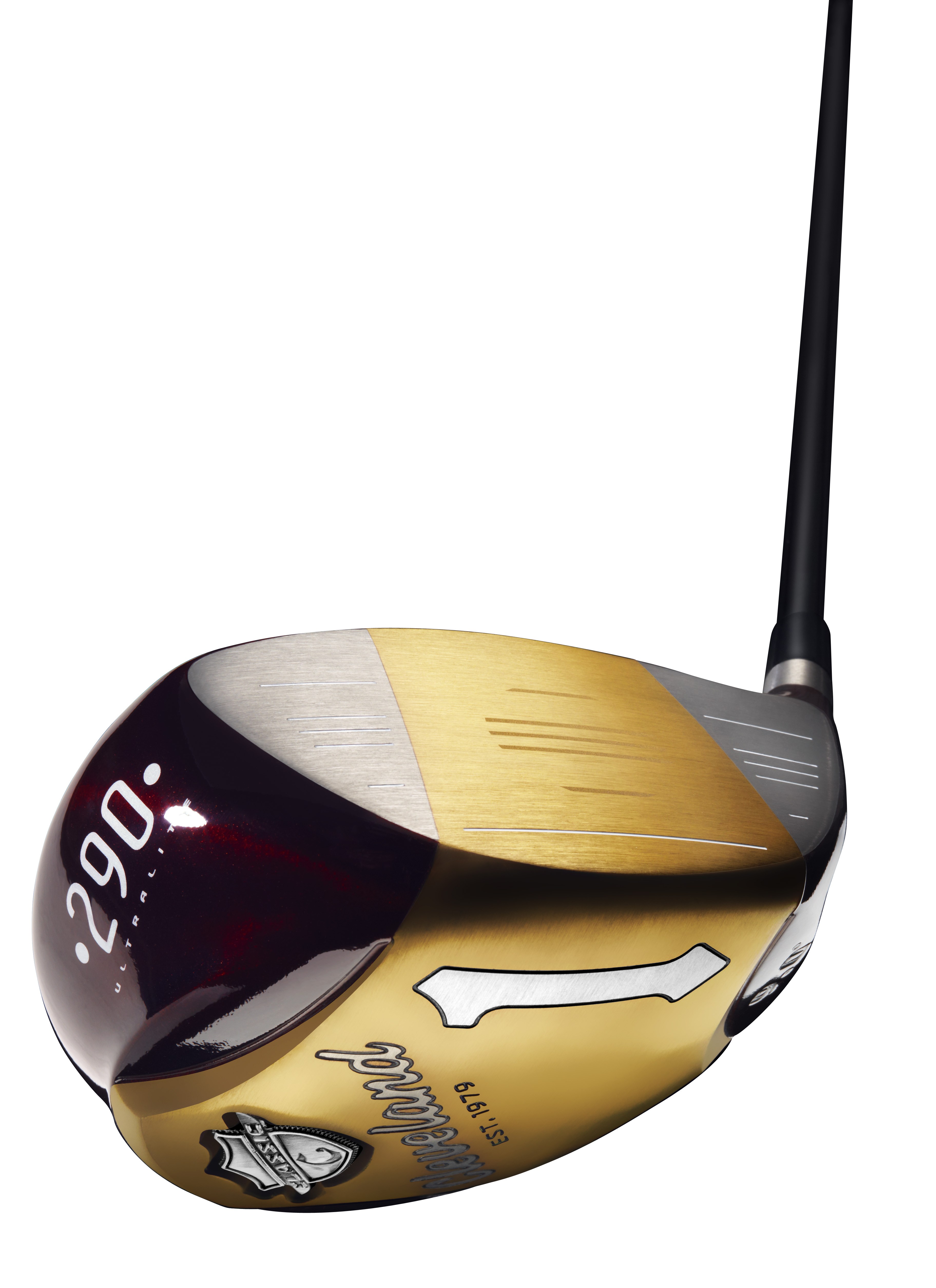
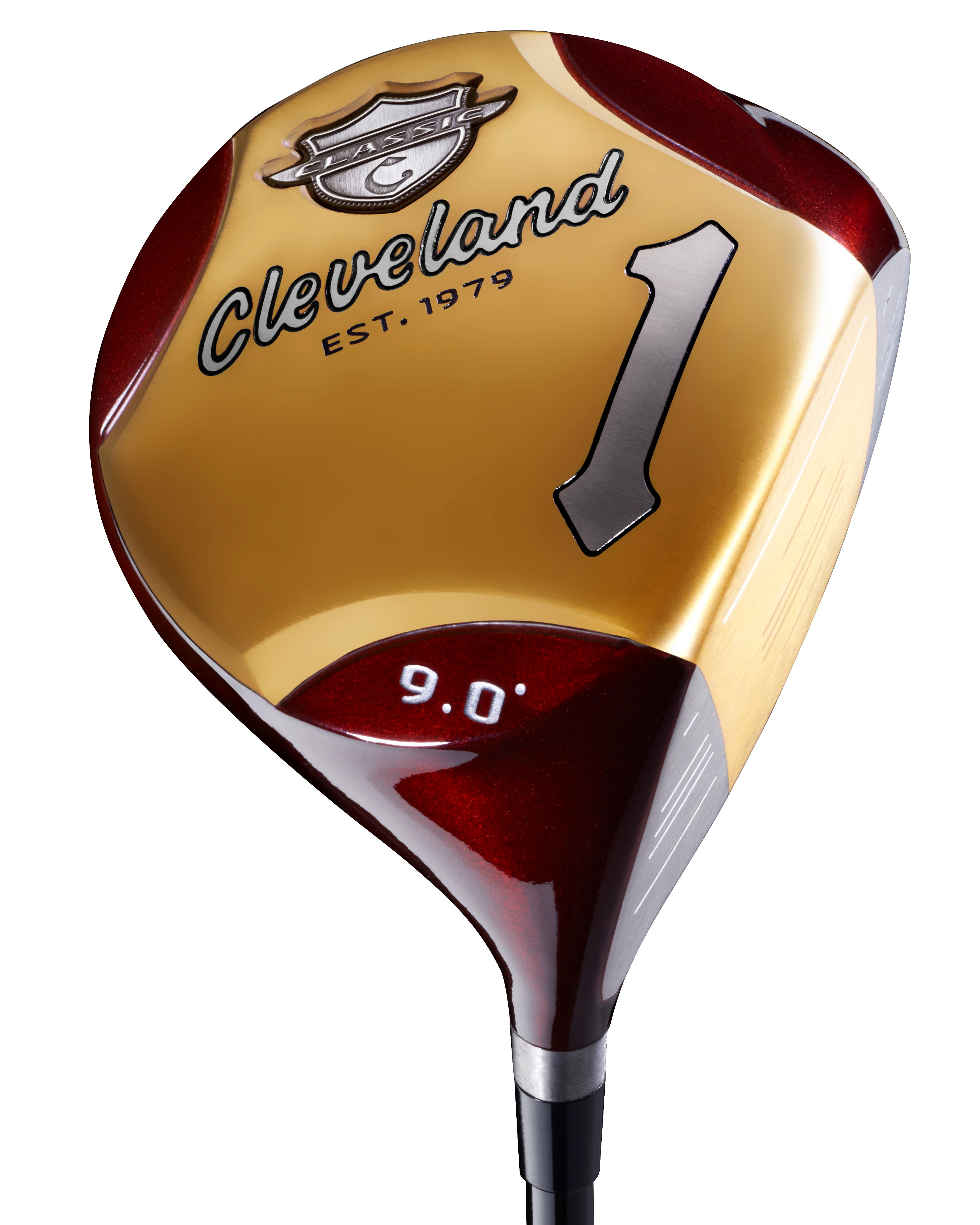
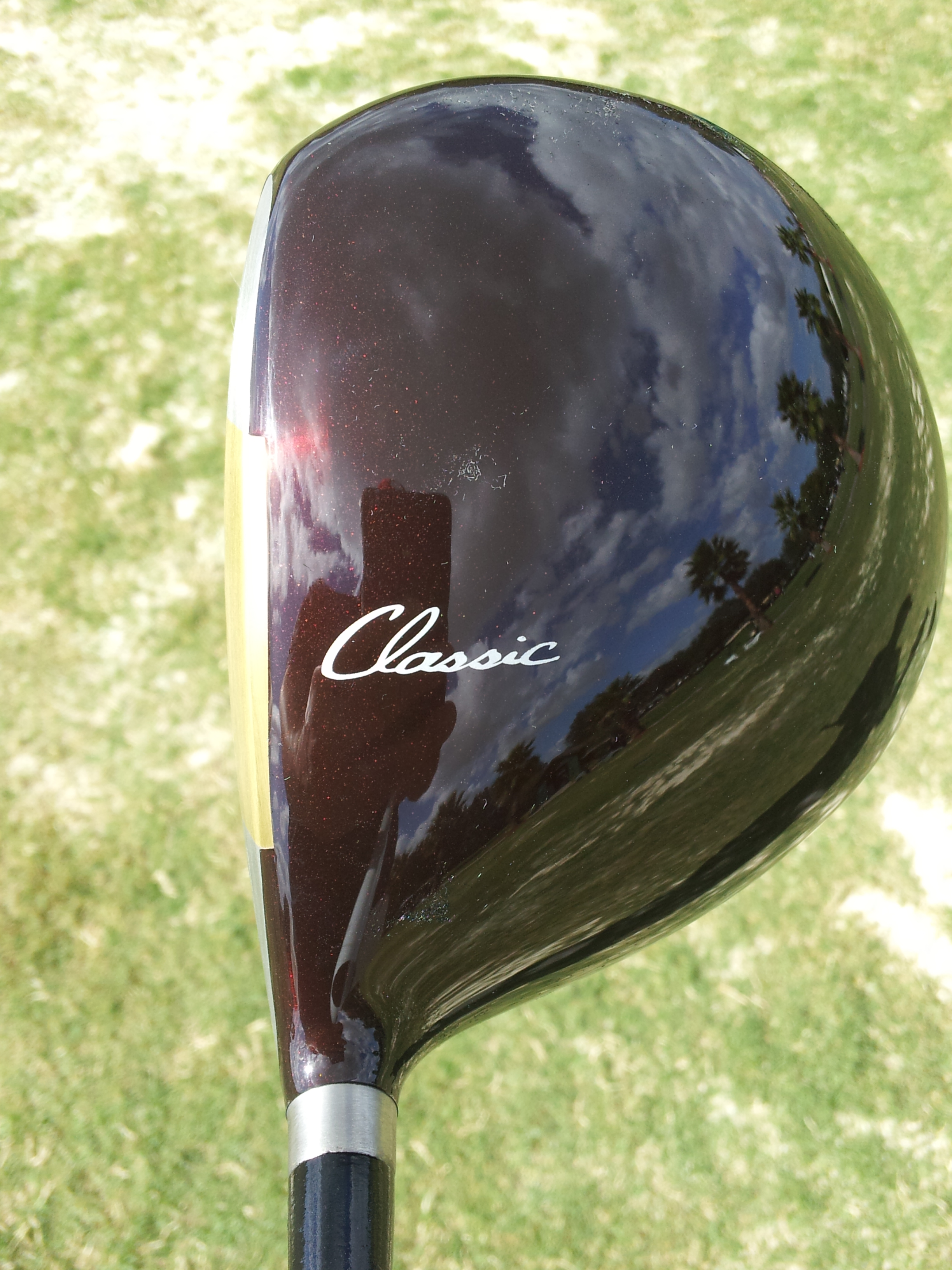
With drivers becoming more and more complicated with adjustable weights and hosels, interchangeable shafts and busy graphics, Cleveland went the other way with the Classic Driver. With a unique design and color scheme inspired by the persimmon drivers of the 50s and 60s, the Classic driver is sure to turn heads. I know this for a fact, because every time I pull it out of the retro leather barrel head cover, people want to see it. The Classic driver has a traditional pear shaped profile and a large, deep club face. In fact, it's the deepest club face Cleveland has ever produced. The sweet-spot of the driver is framed in by a brass colored section, just like a brass insert from a persimmon driver of yesteryear. The paint is a nice deep reddish brown, as most wooden drivers would have been painted back in the day. The word "Classic" is written along the top as an alignment aid, but I could have done without that as I prefer a clean look with no marks on the top. Either way, this club truly is a modern representation of a persimmon driver, but how does it perform?
I put the Classic up against my current gamer, which is Cleveland's awesome Launcher TL310 driver (8.5 degrees loft). When I switched to the Launcher TL310 from the Cleveland Launcher DST, I went from a 43 gram shaft at 46 inches long to a 56 gram shaft at 45 inches, and picked up 10 yards in the process. Not only was I hitting the sweet-spot a bit more with a shorter shaft, but the head and shaft combo on the TL310 worked better for my swing. For this test, Cleveland Golf sent me a Classic 290 driver (7.5 degrees loft) along with a custom Miyazaki C.Kua 56x shaft. This is the same shaft that is in my Launcher TL310. My club maker then built the Classic driver to match the playability characteristics (frequency, shaft deflection & swing weight) of the TL310. As a result, both drivers feel much the same while swinging, and the shafts perform almost identically.
After about two months of testing, both in practice sessions, casual play and even some competitive rounds, I can conclude that the Cleveland Classic 290 driver is going to stay in the bag. I can't say with confidence that the Classic is any longer than my Launcher TL310 driver because I've hit bombs with both clubs, and there are too many variables like ambient temperature, wind and course conditions to take into consideration. I'll have to get on a launch monitor for a while to determine which is longer, and if I do I'll be sure to update everyone on the results. What I can say is that the Classic driver spins less than the TL310 and other drivers I've hit recently. In my two months with the Classic, I've noticed that the ball flight is more penetrating and solid shots launch with less spin and seem to knuckle through the air with no ballooning, even into a strong headwind. When you catch a tee shot on the "hot area" of the driver (A shot struck just above the sweetspot), it launches high with very little spin and goes forever. Less spin means more fairways, and I've noticed that I'm hitting the ball with less movement left to right and right to left with the Classic. I've never been a very straight driver so I really notice when my tee shots don't curve as much. If I had to make an educated prediction, I would say that tee shots with the Classic driver carry less but roll more, and the Launcher TL310 hits a ball that carries more but rolls less than the Classic driver.
The sound and feel of the Cleveland Classic are a little different than most titanium drivers on the market today. I have to admit I prefer the sound and feel of the TL310, which is a nice high pitch click. At impact, the TL310 feels like the face is flexing, almost like a trampoline. The Classic driver however feels a bit harder, and you can't feel the ball on the face as much at impact. Perhaps this is part of what makes the driver spin less than the TL310. It certainly doesn't feel bad, but its not as smooth as the TL310. If you hit a hard two-piece distance ball with the Classic driver, you might want to wear ear plugs. I recently played in a "glowball" night golf event and the sound of that hard glow in the dark golf ball with the Classic driver left my ears ringing. Check out the video below and you'll see what I mean.
I had a chance to ask Nate Radcliffe, Cleveland Golf/Srixon's Metalwoods Development Manager, a few questions about this driver:
ITG: What was the origin of the design and the retro theme of the Classic driver?
NR: The design of the Classic driver was inspired by our heritage and history in creating persimmon woods decades ago. Cleveland is one of the few remaining OEMs that originally produced a Tour quality persimmon wood.
ITG: Is the brass colored face insert area actually an insert, or simply painted differently?
NR: The brass colored trapezoid is actually a thin metallic coating that is deposited over the titanium face and sole. The trapezoid hints at original persimmon designs but has drawn many extremely positive comments from our tour staff regarding alignment.
ITG: Is the driver a one piece construction, or several pieces welded together?
NR: The driver is created from several pcs using multiple, and carefully selected titanium alloys.
ITG: How does the Classic driver differ in performance compared to the TL series clubs?
NR: The Classic's deep face provides the potential for players with elevated tee heights to produce a high launching yet penetrating ball flight. Relative to the Launcher Ultralite, the Classic will spin slightly less for most players.
As far as specs go, there will be something for just about everyone in the Cleveland Classic Driver. There are three different models to choose from: The Classic 270, 290 and Classic Tour. The number designations refer to the club's overall weight. The Classic 270 is the lightest model, with a 460cc club head and a super-light Miyazaki C.Kua 39 shaft and a 25g Golf Pride grip, making it one of the lightest drivers on the market to help slower swingers to gain a few yards by swinging the club faster. The Classic 290 is a bit heavier, with a Miyazaki C.Kua 43 shaft and 36g grip. Also 460cc in size, this one favors a wide range of golfers that want a stronger shaft and more playability. Both the 270 and 290 drivers have a square face angle at address. The Classic Tour driver has a smaller club head that measures 440cc, and sits one degree open at address. Designed for better players and strong swingers, the Tour driver is fitted with a premium Miyazaki Kusala Black 61 shaft that promotes a penetrating trajectory with a very stable feel. This model weighs in at 310 grams.
Model: Classic 270
Size: 460cc
Lofts Available: 9, 10.5, 12
Shaft: Miyazaki C.Kua 39
MSRP: $299
Model: Classic 290
Size: 460cc
Lofts Available: 7.5, 9, 10.5, 12
Shaft: Miyazaki C.Kua 43
MSRP: $299
Model: Classic Tour
Size: 440cc
Lofts Available: 8.5, 9.5, 10.5
Shaft: Miyazaki Kusala Black 61
MSRP: $379
The Cleveland Classic driver will be available in retail locations on Feb 17, 2012. You can also pre-order from Cleveland at shop.clevelandgolf.com
Conclusions & Recommendations
Because the Classic driver is a low spin club, I suggest hitting this one before you buy. You may find that you'll need a bit more loft than usual, which will produce the ideal high-launch, low spin ball flight that is desireable these days for maximum distance. The Classic 290 will probably be the most popular model, with loft options from 7.5 to 12 degrees and a square clubface. With so many custom shaft options it's a good idea to get fitted by a reputable club fitter, should you choose to go with a custom shaft. For 90% of golfers out there I'll recommend the stock Miyazaki shafts. I've been playing them for a few years and they are among the best in golf for stability, consistency and light weight.
Cleveland Golf keeps coming up with great clubs, and the Classic driver is no exception. I thought the Launcher XL, SL and TL series drivers were as good as anything on the market, but with the Classic driver they have managed to make a uniquely styled, high performance driver that separates itself from the pack. Not only that, but its price point is better than most of the clubs it competes with. This driver is going to make a big splash in the marketplace, and in my opinion it is worth a demo for everyone serious about their game!
Subscribe to our email updates! You'll get the latest fresh news, reviews and stories delivered right to your inbox or RSS reader, and automatically be entered in our latest contests and giveaways! We are 100% SPAM FREE! Also, don't forget to check in with our Facebook fan page for exclusive content and get involved by leaving us comments on what you think!
For years, TaylorMade Adidas Golf (TMAG) has been known for technical innovation and marketing acumen. Last year they introduced the R11 and Superfast 2.0 drivers and fairways painted all white. Every time a player on a professional tour took the head cover off and you saw a white head, you knew instantly that it was a TaylorMade club. A club’s usage on the PGA Tour has a huge influence on consumers and drives equipment companies to come out with new designs constantly. If you don’t believe me, just walk into your local golf superstore and count how many belly putters are for sale this year versus last. The white driver was a marketing coup for TaylorMade, and they will continue being “..all in with white.” as one TMAG staffer told me. This year, the prolific company has a whole bunch of new clubs out which will make their debut at the annual PGA Merchandise Show on Jan 26-28. Here’s a first look at all the new wood offerings from TaylorMade Golf. (Click the title header for the official press release, and click the photos to zoom in for a closer look)
An update to the popular R11 driver, the R11S driver can be tuned for 80 separate launch settings, making it the most adjustable driver in golf, and maybe the most confusing too. The all white 460cc club features a 3 degree Flight Control Technology (FCT) sleeve, Movable Weight Technology (MWT) and the new 5-way Adjustable Sole Plate (ASP) that allows the golfer to find their optimum address set-up. In terms of TaylorMade’s lineup, this club will probably appeal to a larger cross section of golfers than any other on the market, because of the custom shaft options and the club’s adjustability.
Like the new R11S driver, the white R11S and R11S TP fairway woods from TaylorMade are classically shaped and feature the Adjustable Sole Plate Technology (ASP) and an upgraded Flight Control Technology (FCT) sleeve for added adjustability. These new features allow for up to 24 different settings, promoting maximum performance and increased distance through tuning. The new FCT sleeve allows the golfer to make an adjustment in the range of 3° of lie and 3° loft/6° face angle. The R11S fairways provide up to approximately 54 yards horizontal trajectory adjustment and 3° and 1500 rpm of launch condition change.
[caption id="attachment_3678" align="alignleft" width="150" caption="click to zoom"][/caption]
This is the one everyone is talking about. The RocketBallz (RBZ) name alone has been discussed, joked about and ridiculed by people I have spoken to about the new clubs, and the performance has been raved about by TaylorMade staff pros. Of course, when a paid endorser raves about a club you have to take it with a grain of salt, and TaylorMade's YouTube Videos seem a bit over the top with the distance they are claiming, but we'll get to see for ourselves in a few short weeks and let you know if there's any truth to the hype. Heck, the full name doesn't even fit on the club. They had to use the initials "RBZ". RocketBallz drivers are being offered in two models: RocketBallz and RocketBallz Tour. According to TaylorMade, The RocketBallz driver boasts a larger appearance at address with a standard face height, while the RocketBallz Tour driver is mid-sized at address with a deeper face. Both are traditionally shaped and feature improved aerodynamics thanks to what TaylorMade calls their Ultra-Thin Wall (UTW) casting process and Thick-Thin crown design.
[caption id="attachment_3680" align="alignright" width="150" caption="click to zoom"][/caption]
“The RocketBallz fairway woods and Rescues represent a game-changing breakthrough in performance comparable to few products in the history of our industry,” said Sean Toulon, Executive Vice President of TaylorMade. “To hold a RocketBallz metalwood in your hands is to possess confidence, power, speed and distance potential that will regularly and quite literally redefine the long game for golfers.” OK, marketing hype aside, these are being billed as some of the longest fairway woods and hybrids ever made. Here's what TaylorMade says about the new woods: Major challenges had to be surmounted to develop RocketBallz technology, including the need to create a durable yet flexible sole/face structure with a deep sole pocket. Additionally, we needed a deeper face design and low CG to maintain excellent playability off turf. Lastly, the products needed a front-low CG without sacrificing playability and control. To achieve these qualities, the RocketBallz fairway woods and Rescues were developed with a high-strength 455 steel face plate welded to a cast body. They incorporate improved sole geometry and a “Speed Pocket” to improve overall head and face flexibility and a slightly deeper face with a further-forward CG location than traditional designs. So what does this mean for golfers? According to TaylorMade it means distance gains of up to 17 yards for better players.
I'm looking forward to seeing the new clubs, and stay tuned because there's much more coming from TaylorMade, including new irons, wedges and golf balls! For now, here's a video from TaylorMade talking about the origins of the RocketBallz name...
Subscribe to our email updates! You'll get the latest fresh news, reviews and stories delivered right to your inbox or RSS reader, and automatically be entered in our latest contests and giveaways! We are 100% SPAM FREE! Also, don't forget to check in with our Facebook fan page for exclusive content and get involved by leaving us comments on what you think!
TaylorMade has always been at the forefront of metal wood technology, and the new R11S driver and fairway woods should be no exception. TaylorMade is known for releasing new clubs more frequently than most of the other golf companies out there, and while this leads to a small amount of customer frustration, it also means more innovation and saturation of the market which drives prices down on last year’s models, which is good for both TaylorMade and consumers. What follows is a press release from TaylorMade describing the new R11s driver. Enjoy!
CARLSBAD, Calif. (December 13, 2011) – TaylorMade Golf today launched R11S, the most technologically advanced driver to date. The all-white, USGA maximum 460cc R11S features a 3° Flight Control Technology (FCT) sleeve and an all-new 5-way Adjustable Sole Plate (ASP) which allows the golfer to find their optimum address set-up – a proprietary setting not found in any other driver. Combined with TaylorMade’s Movable Weight Technology (MWT), the new R11S driver can be tuned for 80 separate launch settings, making it the most adjustable driver in golf.
“The R11S is a golfer’s dream come true; it’s the realization of every ounce of innovation, adjustability, and performance we could package in a bigger, more aerodynamic, white clubhead,” said Sean Toulon, executive vice president. “It would have been easy for our product creation team to rest on the laurels of the original R11™ driver, the most successful product we’ve ever created. Instead, we’re delivering golfers yet another significant advancement in adjustability and performance. And, with the proper fitting, we know golfers of all skill levels will be longer and straighter off the tee.”
At 460cc, the R11S is at the USGA limit for size. Similar to the original R11, the new R11S features a flat-white crown color and black PVD face to improve alignment and accuracy off the tee. Its address footprint measures more than 11,500 mm², and its white crown color makes it appear even larger (2%). That’s an advantage given that TaylorMade testing indicates that the majority of golfers gain confidence at address from a head that appears large relative to the ball.
The R11S driver’s modern-classical clubhead shape is intended to suit the eye of better players, while still providing ample forgiveness and confidence for average players. The head boasts a contemporary, slightly more triangular appearance than traditionally shaped drivers that provides higher MOI and a deeper, farther-forward CG position.
New 5-Way ASP Provides More Tuning Options ASP technology was a major performance breakthrough as it complimented Flight Control, a technology first introduced in the R9 family. When FCT is employed alone, the loft and face angle is coupled by the sleeve system. Adjustable Sole Plate technology allows the decoupling of loft and face angle by using a sole plate to adjust face angle independent of loft sleeve setting. Very simply, that means you can adjust the face angle independently of the loft, and vice versa. The five face angles made possible by the improved ASP Technology of the R11S are neutral, slightly open, open, slightly closed and closed.
ASP Technology is characterized by a raised, five-pointed plate on the sole roughly the diameter of a quarter. Changing its position is easily achieved by loosening the screw that holds it to the sole, rotating the ASP, then re-tightening the screw.
ASP works with FCT to create 40 combinations of loft and face angle, which can be used to further accentuate a face angle or counter a negative face angle due to a sleeve adjustment. It effectively doubles the range of face angle for the club for ±4° to ±6° or alternatively can create 5 lofts in 0.75° increments with the same face angle.
Flight Control Technology Flight Control Technology allows you to change the orientation of the driver head with the shaft to effectively adjust the loft up or down, giving you 8 choices of lie and loft/face angles at range of 3° of lie and 3° loft/6° face angle for up to approximately 60 yards side-to-side trajectory adjustment and 3° and 1500 rpm of launch condition change.
Movable Weight Technology TaylorMade introduced Movable Weight Technology (MWT) in 2004 in the r7 quad driver. MWT gives golfers the ability to easily move discretionary weight to different areas of the clubhead to shift the CG location to promote changes in trajectory that produce greater distance and accuracy. Millions of TaylorMade metalwoods with MWT have been sold since the introduction of the r7 quad.
Employing two widely spaced weight ports delivers 4 mm of CG change from heel to toe to promote up to 20 yards of side-to-side trajectory bias. The R11S includes two MWT cartridges, one weighing 10-grams and one weighing 1-gram. Configuring the weights properly is intuitive: To set up a neutral bias, install the heavy (10-gram) weight in the toe; to create a draw bias, install the heavy weight in the heel. If a more neutral setting is desired, 4- and 6-gram cartridges are available separately, and so are other cartridges of varying weights, which allow you to change the club’s swing weight as well as promoting changes in trajectory.
Combining MWT, FCT and ASP Together, MWT, FCT and ASP allows for 80 launch-condition combinations, the most of any driver in existence. The total launch condition range is 3° and 1500 rpm by combining full FCT and MWT settings.
Players can also adjust the weights to influence trajectory, either to enhance the launch conditions created by the face angle setting, or independent of the face-angle setting. For instance, some players prefer to look at an open face at address while still desiring a draw-bias performance. With the R11S driver, the player can open the face and install the heavy weight in the heel, resulting in an open face but a draw bias weighting.
Inverted Cone Technology Like every TaylorMade driver since the R500 Series (launched in 2002), the R11S incorporates TaylorMade’s Inverted Cone clubface technology, which dramatically expands the COR zone, which is the portion of the clubface that delivers maximum ball speed.
Shaft and Club Specs The R11S measures 45.75” and is equipped with an Aldila RIP Phenom 60 shaft (X, S, R and M flexes), which weighs 60 grams and which features a medium-firm tip profile. RIP shafts feature Reverse Interlaminar Placement to provide more stability more stability at impact and promote more distance and control without the harsh feel associated with some firmer tip shafts.
Grip: TM FCT. Lofts: 9°, 10.5°, 12° in right-handed; 9° and 10.5° in left-handed. Street price: $399.
The R11S TP is equipped with an Aldila RIP Phenom TP 65 (X, S, R) 25 additional TP shaft choices are also available. Grip: TM FCT. Lofts: 9°, 10.5° in right-handed; 9° and 10.5° in left-handed. Street price: $499.
For golfers who have lost distance over the years or are looking for a few extra yards (Who isn’t?) with forgiveness on off-center hits, Cleveland Golf is introducing the new CB Black line of woods, irons and wedges as a solution. The CG Black line is the next logical step from Cleveland’s ultralight drivers that debuted last year with great success.
The Cleveland CG Black driver weighs in at a paltry 265 grams, making it the lightest driver on the market. Using an aerodynamic crown design called “Speed Crown Design” which is shaped like a teardrop helps to generate more swing speed by optimizing airflow around the head during the swing. Cleveland’s “MaxCOR2 Variable Face Thickness Technology” increases the trampoline effect on off-center hits, increasing distance. The CG Black driver features the ultra-light Miyazaki C. Kua 39 shaft and a Golf Pride Tour 25 grip, a combination that decreases the overall weight of the club. In my experience with several models of Miyazaki shafts, they have been very stable and consistent at weights from 39 grams all the way up to 85 grams. The minimum advertised price for the CG Black driver is $399.99
Click photo to enlarge
Like the driver, the Cleveland CG Black fairways are among the lightest in golf. The teardrop crown shape increases swing speed and the weight screw at the rear of the sole plate to create a deep and low center of gravity, helping shots get airborne. As with the driver, the CG Black fairways are draw biased for greater distance and a strong trajectory. The same Miyazaki C. Kua 39 gram shaft is in the fairways. The minimum advertised price for the CG Black fairways is $229.99
Click photo to enlarge
The Cleveland Golf CG Black irons and wedges feature a multi-material construction that incorporates a thin titanium face for maximum forgiveness and distance. CG Black irons and wedges have an undercut cavity that positions the center of gravity low and deep to optimize trajectory, spin and playability. The irons are available with optional Miyazaki 59 gram graphite shafts or the Nippon NS Pro 850GH lightweight steel shaft. All irons and wedges sport Cleveland’s Tour Zip Grooves and Laser Milled treatment to maximize spin. The Cleveland CG Black irons carry a minimum advertised price of $999.99 (graphite) and $899.99 (steel) for a set of 7 irons. the CG Black wedges will be $139.99 (steel) and $149.99 (graphite)
The prices are a minimum advertised price, but I suspect when the CG Black line is released on November 25, 2011 that the retail prices will be slightly lower. We’ll be getting a set of these very soon and posting our review as soon as we can so stay tuned!
Subscribe to our email updates! You'll get the latest fresh news, reviews and stories delivered right to your inbox or RSS reader, and automatically be entered in our latest contests and giveaways! We are 100% SPAM FREE! Also, don't forget to check in with our Facebook fan page for exclusive content and get involved by leaving us comments on what you think!
TaylorMade is having a contest! If you want a chance to receive a full fitting experience for you and three of your friends, just register your products and enter the contest using the link below.
TaylorMade staff will pick you up in the TaylorMade Tour Van, drive you to your local golf course to show off, and build you a full set of clubs to your specs. I’ve had a chance to hit most of their latest offerings and I can tell you that TaylorMade is one of the few companies out there that made top line equipment for every spot in your bag. I just put their R11 TP 3-wood in the bag and it’s pretty darn good. The R11 driver is one of the hottest sellers on the market, and the xFT wedges have been around for a while and probably don’t get their fair share of attention in the very competitive wedge market. Check out the video below and register for your chance to win!
Subscribe to our email updates! You'll get the latest fresh news, reviews and stories delivered right to your inbox or RSS reader, and automatically be entered in our latest contests and giveaways! We are 100% SPAM FREE! Also, don't forget to check in with our Facebook fan page for exclusive content and get involved by leaving us comments on what you think!
Building upon its successful history of high performance drivers for tour players, club professionals, competitive and aspiring golfers, Titleist takes driver performance and fitting to a new level with the introduction of the 910 series drivers. Boasting improved all around performance and an unrivaled level of fitting precision previously available only on the major professional tours, Titleist offers all serious golfers total driving performance through a more precise fit.
The revolutionary new Titleist 910D2 and 910D3 drivers feature the fastest, most stable head designs Titleist has ever created, as well as the new SureFit Tour (SFT) dual-angle hosel. SFT is innovative, patented technology that allows the loft and lie to be independently adjusted and set.
Click to Zoom
“The new 910 drivers provide improvements in flight, fit, looks, feel and sound, and provide a new level of precision fitting to deliver total performance and driving confidence,” said Steve Pelisek, General Manager, Titleist Golf Clubs. “Together, these advances put the Titleist 910 drivers in a class of their own, both on Tour and in the marketplace.”
“The new 910D2 and 910D3 are not only the highest performing drivers in the history of the Titleist golf club franchise, but represent a true competitive advantage in driver performance and fitting,” said Dan Stone, Vice President of Research and Development, Titleist Golf Clubs. “The ability to independently adjust loft and lie allows ball flight to be optimized both high and low, and for more fade or draw.”
Click to Zoom
Titleist 910 drivers are available in two models that provide distinct levels of forgiveness and shot control. The 910D2 features a 460cc full-pear shaped head designed for maximum playability and forgiveness, promoting a straighter ball flight with higher launch and low-to-mid spin. The 910D3 features a 445cc classic-pear shaped head design that produces a boring flight. The 910D3 also promotes a straighter ball flight with low spin, and provides increased workability favored by many tour players. Both the 910D2 and 910D3 utilize Titleist’s new SureFit Tour dual-angle hosel, a breakthrough in fitting technology inspired by the bending of metal woods on Tour to achieve more precise ball flight through the adjustment of loft and lie angle.
SUREFIT TOUR TECHNOLOGY: The SFT hosel features a sleeve and a ring, each with four settings. The sleeve settings are numbered 1, 2, 3, 4 and the ring settings are lettered A, B, C, D. This results in a matrix of 16 unique loft/lie combinations that allows the fitter or golfer to make left or right flight improvements (mostly via lie adjustment), and launch and spin improvements (mostly via loft adjustments). The combination and interaction of the ring and sleeve provides the “dual angle” technology that makes independent loft and lie adjustability possible. Current competitive adjustable hosel drivers feature only a single angle for dependent adjustability, meaning, every time the setting is changed, it alters both the loft and lie, which limits the ability to optimize ball flight.
Click to Zoom
“We describe SureFit Tour technology as a ‘Tour Van-in-a-hosel,’ because the dual-angle hosel technology in combination with the interchangeable shaft and rear bezel weight provides a fitter with all the power of a tour van right at the point of fitting,” said Pelisek. “We can adjust loft and lie, as well as change the shaft and weight of the driver right on the tee.”
“Previous to the new 910, our fitters on Tour would have to run back and forth to the Tour Van when we needed to adjust the loft and lie of a driver, change a shaft or build an entirely new club,” adds Stone. “Not anymore. Whereas it would take anywhere from several hours to a full day to fit and build new drivers for a player, with the 910 high performance heads and SFT technology we can now fit them in 30 minutes and they walk off the range with a more precisely fit driver.”
910 DRIVERS ON TOUR: Titleist 910 drivers officially debuted on the PGA Tour in late June at the PGA TOUR’s AT&T National. About a month later, Titleist Brand Ambassador Ross Fisher became the first player to win with a 910 driver in his bag at the Irish Open, capturing the 3 Irish Open with a 910D3 (7.5) model.
On the heels of Fisher’s performance, Titleist Brand Ambassador Charley Hoffman gamed the 910D3 (9.5) driver in his victory at the Deutsche Bank Championship, the second leg of the FedExCup Playoffs. The win was capped by a final round 62 that included 11 birdies. In fact, Hoffman topped a leaderboard that included 4 of the top 5 finishers relying upon a Titleist 910 driver for their success.
The momentum continued at the BMW Championship, where Titleist won the driver count with 23 players in the 70-man field, including 15 who carried a 910 model. Most recently, Titleist Brand Ambassador Bill Haas relied upon the new 910D2 (8.5) in his wire-to-wire victory at the Viking Classic. The win was Haas’ second of the year and vaulted him into the top 30 on the 2010 PGA TOUR money list. Haas followed his winning performance with a runner-up finish at the McGladrey Classic a week later.
Other notable players playing the new 910D2 include Ryder Cup participant Rory McIlroy, Marc Leishman, Michael Sim, Ben Curtis, Graham DeLaet, Jason Dufner, Ryuji Imada, Brad Faxon and Matt Jones. Among those choosing the 910D3 include Kevin Na, Geoff Ogilvy, Adam Scott, Jason Bohn, Greg Chalmers, Brendon de Jonge and Webb Simpson.
Other victories to date with a Titleist 910 driver include Mark O’Meara, who captured his first Champions Tour major at the Senior Players Championship with the 910D3 (9.5). Jean Hugo won the Vodacom Business Origins of Golf on the South African Tour, Aaron Goldberg won twice on the Canadian Tour, en route to earning the Canadian Tour Order of Merit, and Michio Matsumura, was victorious at the Tokai Classic on the Japan Golf Tour. In the three months since the 910 was seeded on Tour, over 100 players have already put the new driver in their bags, accumulating eight wins on six different tours, resounding affirmation that represents the quickest adoption by Tour players of a new driver product in Titleist’s storied history.
910 DRIVER DESIGN AND TECHNOLOGY:
OPTIMIZED FACE INSERT - Both the 910D2 and 910D3 drivers feature a variable thickness face insert with a thick central portion that is equidistant from all points around the face perimeter. This refinement provides for a substantially larger maximum ball speed area and an improved launch/spin face map gradient that yields increased distance potential. Compared to Titleist's previous-generation 909 drivers, the 910D2 has a 15% larger maximum ball speed area. The 909D3 realizes a 10% larger maximum ball speed area.
THIN CROWN: The 910 features a chemically milled, 17% thinner crown, allowing more discretionary mass to be relocated low and deep where it contributes to the club's outstanding stability.
LOWER REAR CROWN PROFILE: The rear portion of the 910's crown has been redesigned, sloping lower than the crown of its 909 predecessor. This change pushes the CG lower and deeper.
REAR BEZEL WEIGHT: Coupled with the thinner crown and lower crown profile, the relocation of the proprietary bezel weight lower and deeper into the chassis of the 910 head, and on-axis with relation to the center of the clubface, optimizes the CG location for increased speed and stability.
ACOUSTICALLY TUNED STRUCTURE: Sound is a crucial component of feel and the 910 drivers have been acoustically engineered to improve feel and produce a hotter, more solid sound off the club face that tour players have described as "lively.”
PRECISION MANUFACTURING: With the design of precision fixtures and improved manufacturing processes, 910 drivers are produced with unequalled visual and mechanical consistency. In fact, the loft and lie production tolerances set for 910 drivers are twice as tight as industry norms.
BLACK PVD FINISH: The performance advancements of the 910 driver are complemented by the club's striking black PVD paint finish. White scorelines provide an attractive set-up appearance that breeds confidence.
IMPROVED PROPRIETARY SHAFTS: The 910's high performance stock shaft options include three improved proprietary Mitsubishi shafts that feature Next Generation Diamana MDI (multi-dimensional interlay) technology and three different weight and bend profiles to fit a broad range of players. All of these shafts are also torque matched to flex and swing speed. Rounding out the line-up of stock shafts are the tour-proven Aldila RIP and Project X Tour Issue graphite shafts. In addition, there are more than 80 different shafts available in the Titleist custom shaft matrix.
PLAYER BENEFITS: Titleist 910 drivers deliver superior looks, feel and sound along with the core performance requirements that have made Titleist titanium drivers one of the top choices of tour players, PGA club professionals, and top competitive amateurs for more than a decade. Titleist 910 drivers deliver greater distance, more shot control, and more consistency than any driver Titleist has ever introduced.
910D2 Specs
• Head volume: 460cc (slightly higher launch and spin versus 910D3)
• Lofts: 8.5, 9.5, 10.5
• Stock grip: Titleist Tour Velvet 360 degree rubber
910D2 Stock Shafts
• Titleist Diamana 'ahina 72 (White)
• Titleist Diamana Kai'li 65 (Blue)
• Titleist Diamana 'ilima 61 (Red)
• Aldila RIP 60
• Project X Tour Issue Graphite
• 83 other custom shafts also available
910D3 Specs
• Head volume: 445cc (slightly lower launch and spin versus 910D2)
• Lofts: 8.5, 9.5, 10.5
• Stock grip: Titleist Tour Velvet 360 degree rubber
910D3 Stock Shafts
• Titleist Diamana 'ahina 72 (White)
• Titleist Diamana Kai'li 65 (Blue)
• Aldila RIP 60
• Project X Tour Issue Graphite
• 83 other custom shafts also available
Each 910 Driver includes:
• Headcover
• Lined valuables pouch
• Ergonomic torque wrench
• Foldout instruction booklet with Performance Guide
SureFit Tour Weight Kit Available for Purchase:
• Adjust for swingweight and feel preference
• Kit contains 2,5,7,9 and 12g screw weights, locking weight caddie, and instruction booklet
• Uses the SureFit Tour Wrench
PRICE AND AVAILABILITY
The new 910D2 and 910D3 drivers will begin shipping to golf shops on November 15, 2010, with a suggested retail price of $499 (Minimum Advertised Price: $399). For more information about the family of Titleist 910 drivers, shaft matrices and performance comparisons, please visit the Titleist 910 Drivers FAQ page.
Subscribe to our email updates! You'll get the latest fresh news, reviews and stories delivered right to your inbox or RSS reader, and automatically be entered in our latest contests and giveaways! We are 100% SPAM FREE! Also, don't forget to check in with our Facebook fan page for exclusive content and get involved by leaving us comments on what you think!

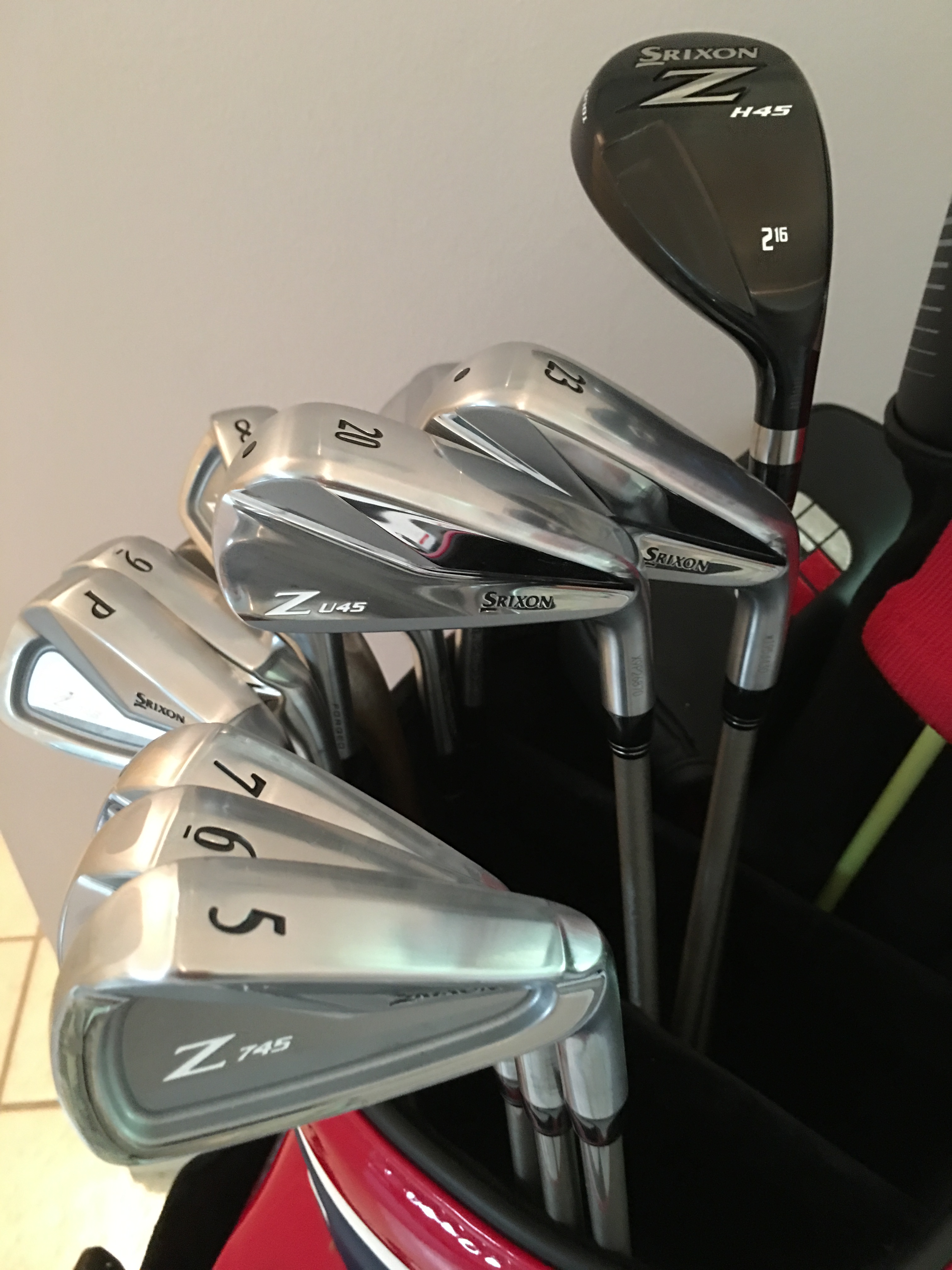 Back in September I posted my first “What’s In The Bag” segment that detailed the clubs I play with. WITB posts are pretty popular on other sites when they post pictures of PGA Tour players and their preferred equipment. It’s always interesting to see what the best players in the world play with, and the market for “tour van” or hard to find equipment – especially putters – is huge. Forget that most people couldn’t possibly hit the clubs that tour players use, they still want them for the exclusivity and cool factor. I’ll admit, I’m one of those people that love being unique and having things that nobody else has.