Tag: Bridgestone

  • WITB – May 2019

    WITB – May 2019

    It has been almost two years since my last “What’s in the Bag” post, so I thought I would update things with a new post since there have been several big changes in my bag for 2019. The golf industry changes fast, and there is always something new and exciting coming out. It’s tempting to want to get the latest and greatest driver, putter or wedges. Those are the clubs most golfers change out the most.

    What’s In The Bag?

    I’m an endless tinkerer and like to change things up if I think it’ll help me gain an edge or snap me out of a funk. However, sometimes frequent club changes can be a detriment and lead to inconsistency. One of the clubs that used to change most often in my bag was the putter, but since October 2017 that hasn’t been the case. In fact, only 4 clubs are still in my bag since the last WITB in June of 2017.

    Driver – PING G410 Plus
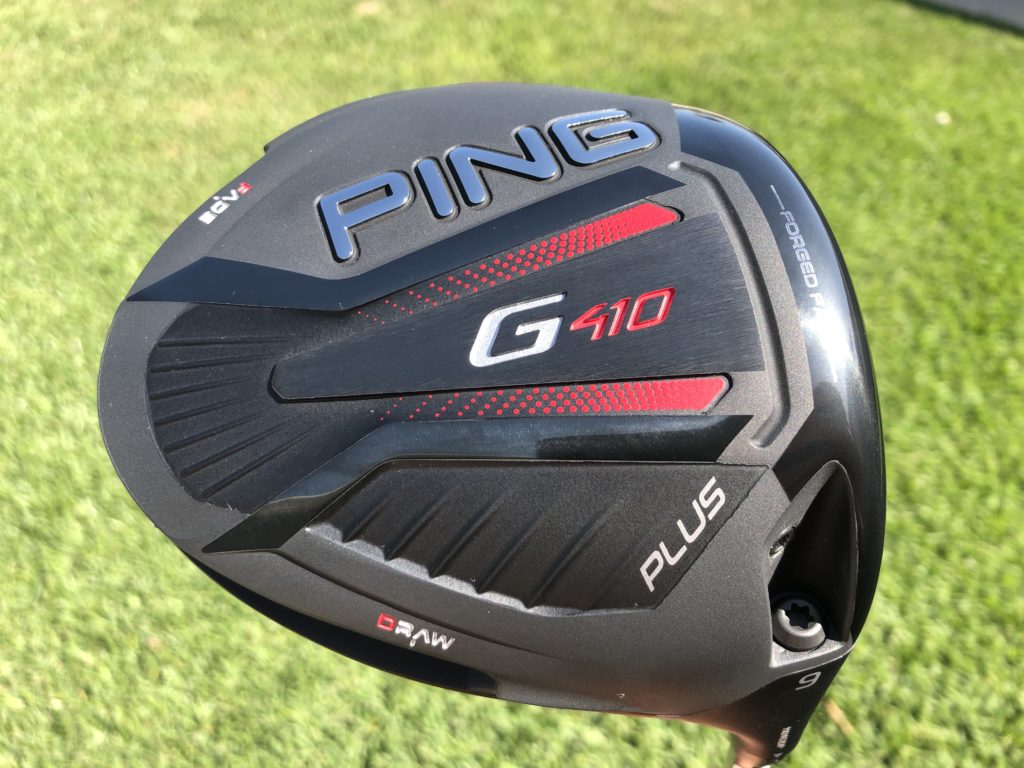
    Ping G410 Plus Driver

    I’ve been playing PING drivers exclusively since 2014 and have upgraded to every new model that has come out since then. I just replaced the awesome G400 LST driver with the new PING G410 Plus. This is a minor upgrade as I only switched out the club head. I continue to use the PING Tour 80x shaft that I got with the G driver in 2016 and used with the G400 also. The shaft is heavy, stable and consistent. I’m actively searching for an after-market shaft that is 15-20 grams lighter to see if I can pick up some distance.

    With the G410 Plus driver, I’m back to my standard 9-degree loft after experimenting for two seasons with the 10-degree head in the G400 that produced more spin, higher ball flight, and more carry. I gave up about 6 to 8 yards of distance but probably gained a bit of accuracy with the 10-degree lofted driver.

    3-Wood – PING G400
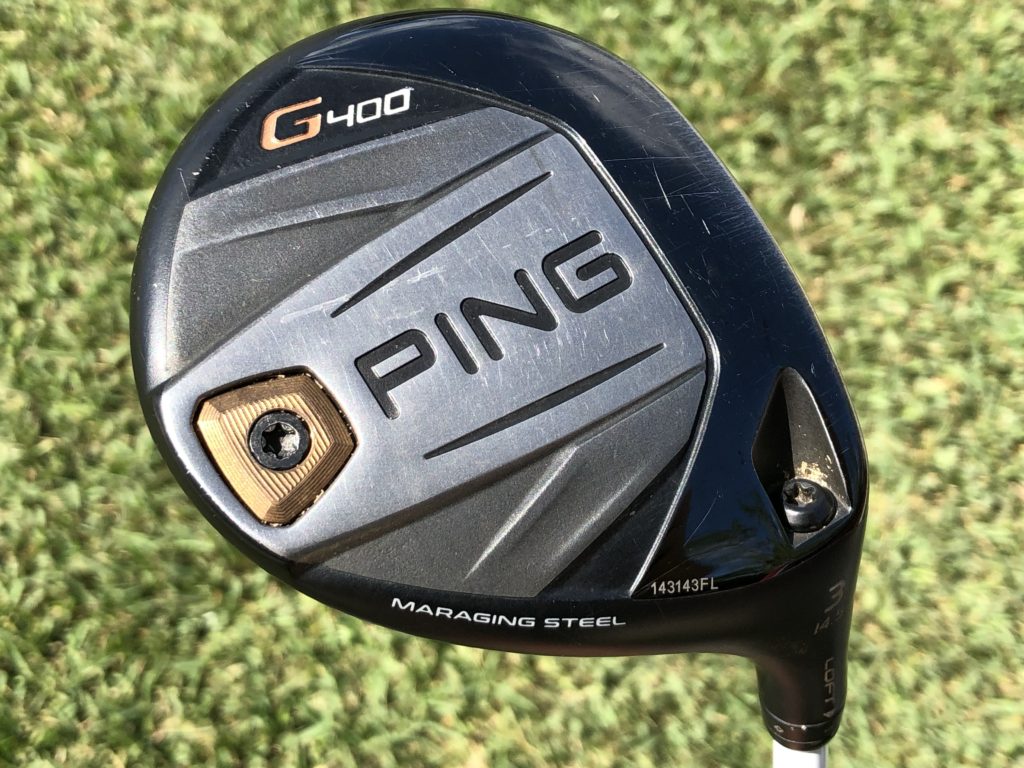
    PING G400 3-Wood

    In February of 2018, I went down to Trump National Golf Club in Jupiter, Florida for a fitting with the mad scientists from True Spec Golf. My mission was a difficult one for me, as I had been searching for years: Find the perfect 3-wood. Under the watchful eye of an expert club fitting specialist and a Trackman launch monitor, I hit fairways from almost a dozen manufacturers. Once we settled on the right club, we started testing shafts to arrive at a head & shaft combo that performed the best. The winner was a PING G400 3-wood (14.5 degrees turned down to 13.9) fitted with a Fujikura ATMOS Tour Spec 80x shaft. Finally, I found a new fairway wood that totally was dialed in for me. With the new 3-wood, my spin rates went down, launch angles went up and I gained over 10 yards! #ClubFittingMatters

    Hybrid & Long Irons
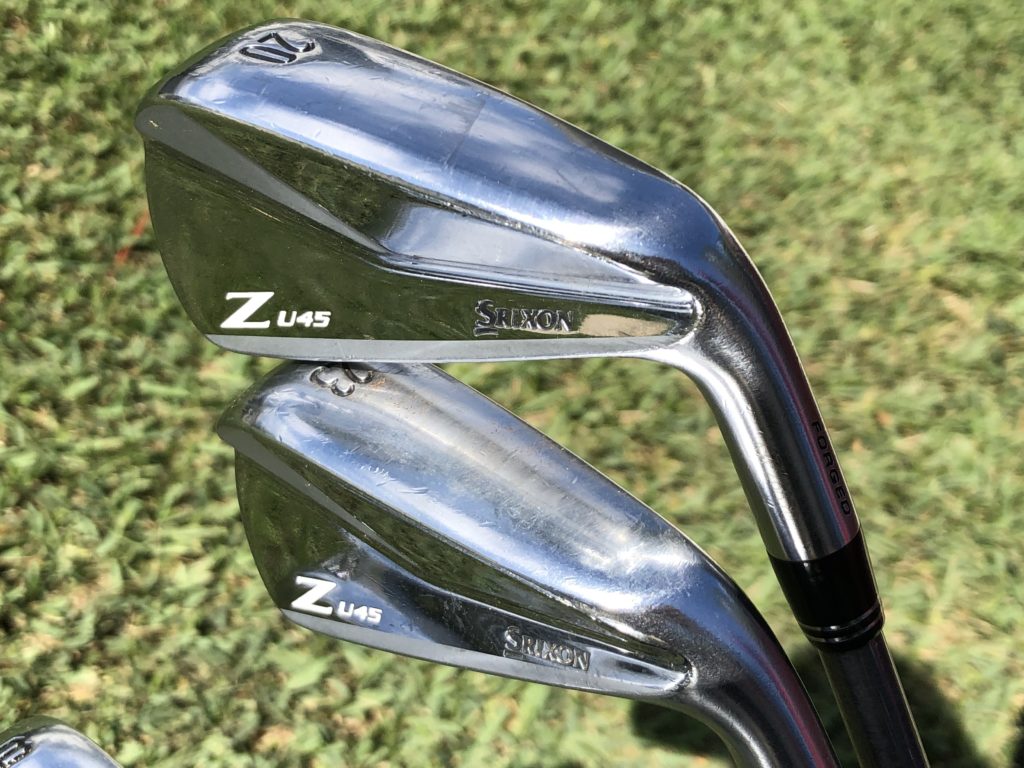
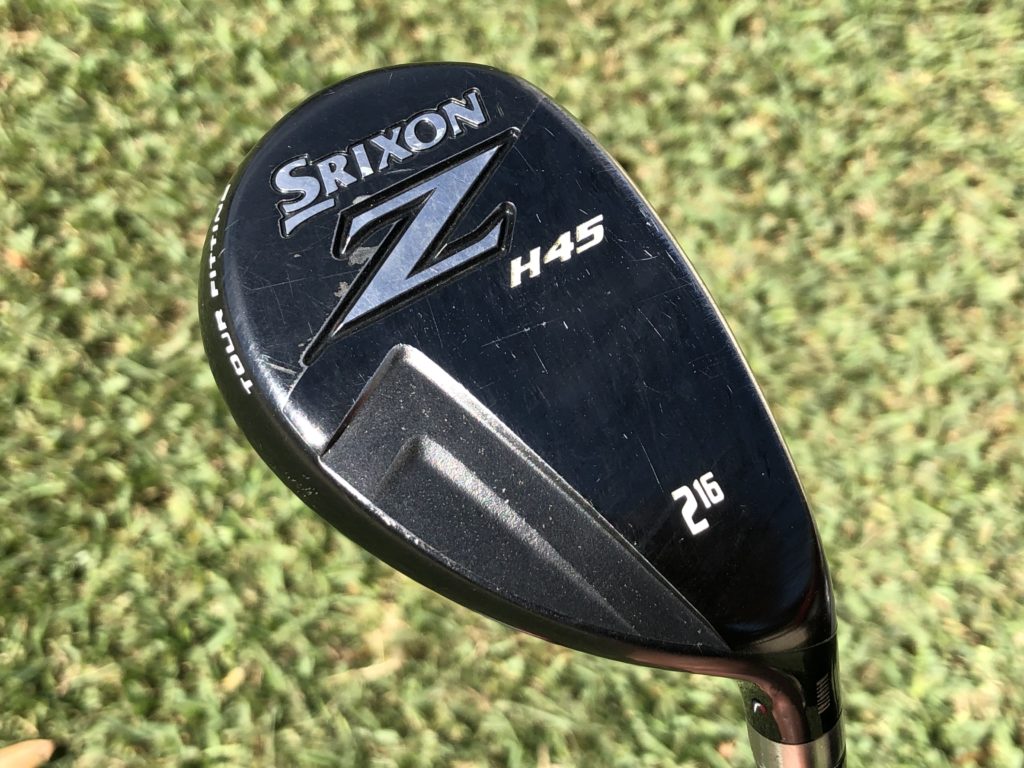
    No changes here – I’m still gaming the awesome Srixon Z H45 2-hybrid and Srixon Z U45 3-utility (20) and 4-utility (23) from late 2014. All are fitted with Aerotech shafts; the 2-hybrid has the Aerotech HLS880 and the long irons have the Aerotech Steelfiber i110cw shafts. Because I carry four wedges, bagging all three of these clubs usually puts me over the 14 club limit so the odd man out is usually the Srixon Z H45 2-hybrid, but that may vary depending on the course and conditions. For casual rounds on weekends or tournament practice rounds, I’ll often carry all three.

    Irons (5-PW)
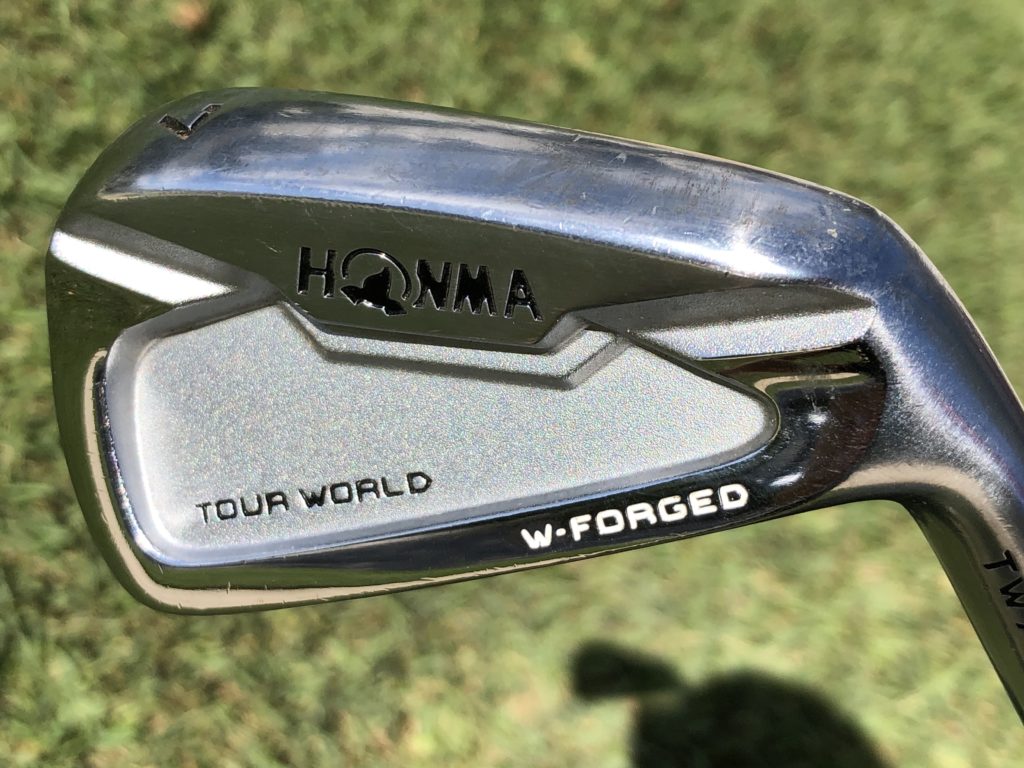
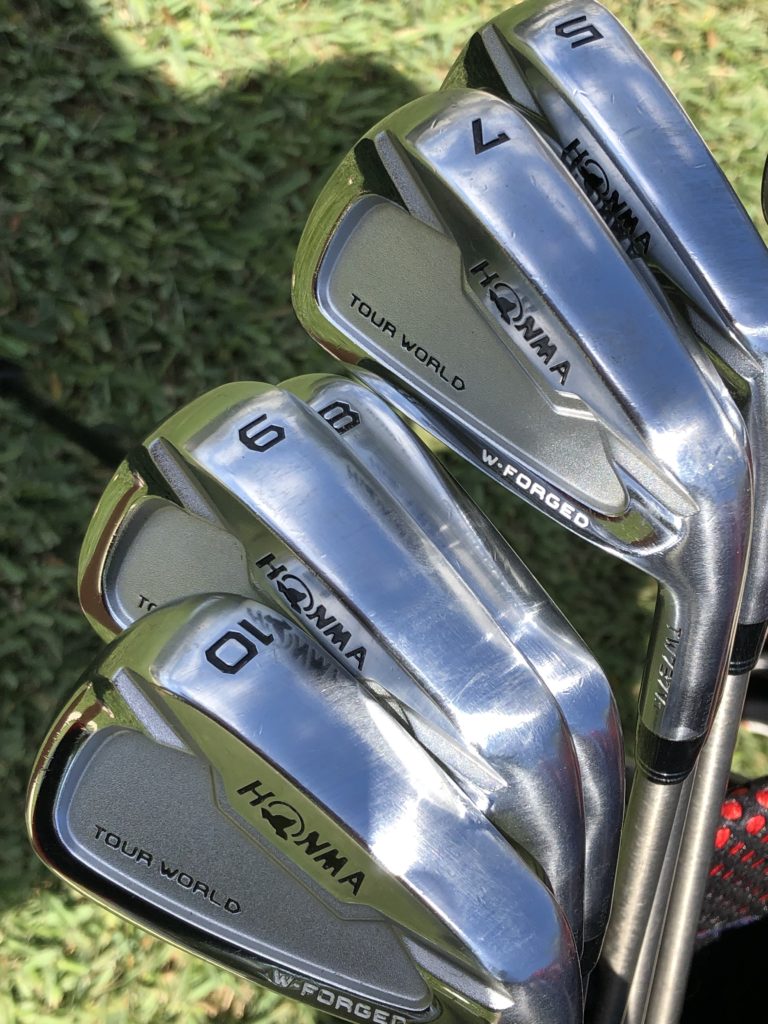
    There aren’t many clubs on the market that look as good and perform as well as the Srixon Z745 forged cavity back irons I got back in 2015. After three years in the bag, I was still very happy with them, so it would take something special to replace them. As it turns out, something special came along in the form of the gorgeous Honma Tour World 737vn irons. They sat in the garage for almost 6 months before I finally made the decision to reshaft them with my preferred shaft – Aerotech Steelfiber i95cw shafts. Once I did, there was no way I wasn’t going to game these amazing Japanese forged irons. So far so good.

    Wedges
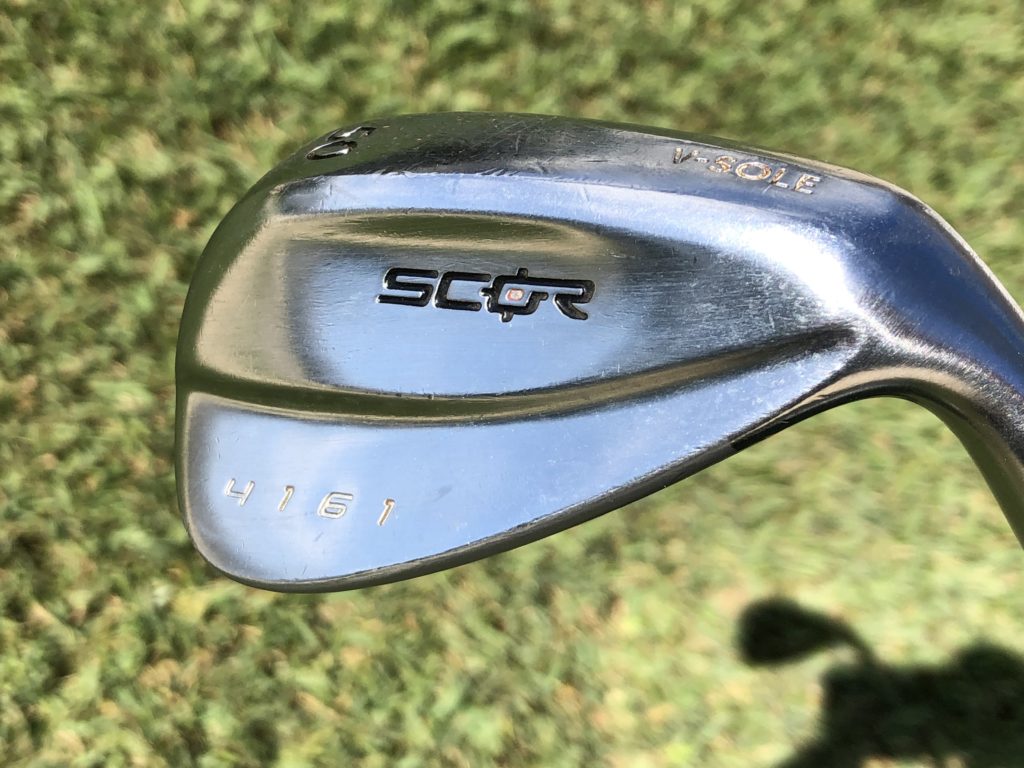
    My trusty but aging SCOR 50-degree gap wedge I got back in 2012 (part of a 5-club set) is probably the best club in my bag. That gap wedge is almost solely responsible for my 2017 WAGC National Championship win. I used it on the last three holes of the 54-hole tournament by getting up and down for par from 125 on #16, chipping to 2.5 feet for birdie on #17 and hitting it to 8 feet from 118 yards to birdie the final hole and win by a shot. Most recently I used it to play the final 3 holes in 3-under to win the North Florida regional qualifier for the Tour by Under Armor.

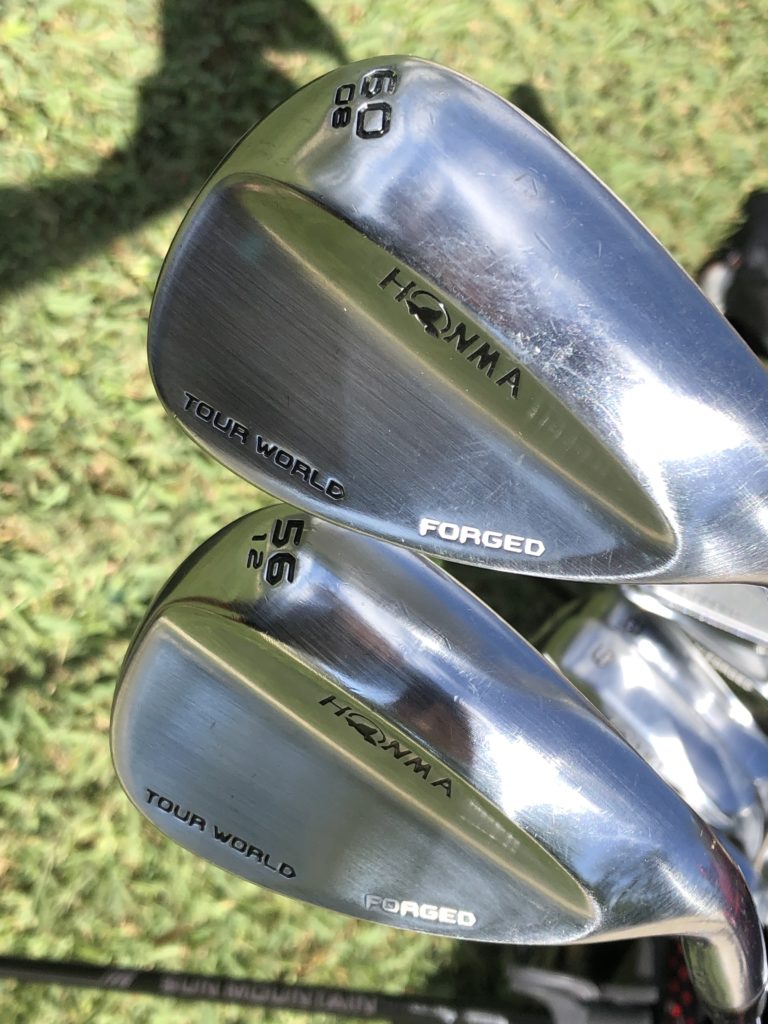
    It has only been a few months, but I replaced the very reliable Hopkins 54 and 60-degree wedges I had for several years recently with Honma TW-W forged wedges in 56 (bent to 55) and 60-degree lofts. The 60-degree Honma wedge, in particular, is fantastic for almost every shot inside 95 yards. The aggressive toe and heel relief allows me to open it up and play flop shots with ease, hit the “crowd pleaser” pitch shots that spin hard or land it soft with good distance control from 50-95 yards.

    However – I’m really struggling on bunker shots with the Honma wedges. My previous Hopkins 60-degree wedge had a channel sole grind with tons of bounce on open-faced shots, making it perfect for the deep Bermuda rough and soft sand bunkers we have down here in Florida. The new Honma 60-degree wedge has very little bounce by comparison, and that is making my bunker shots dig into the sand. I’ll have to practice a little with it and shallow out my bunker swing to make it work.

    Putter – Scotty Cameron Futura 5W
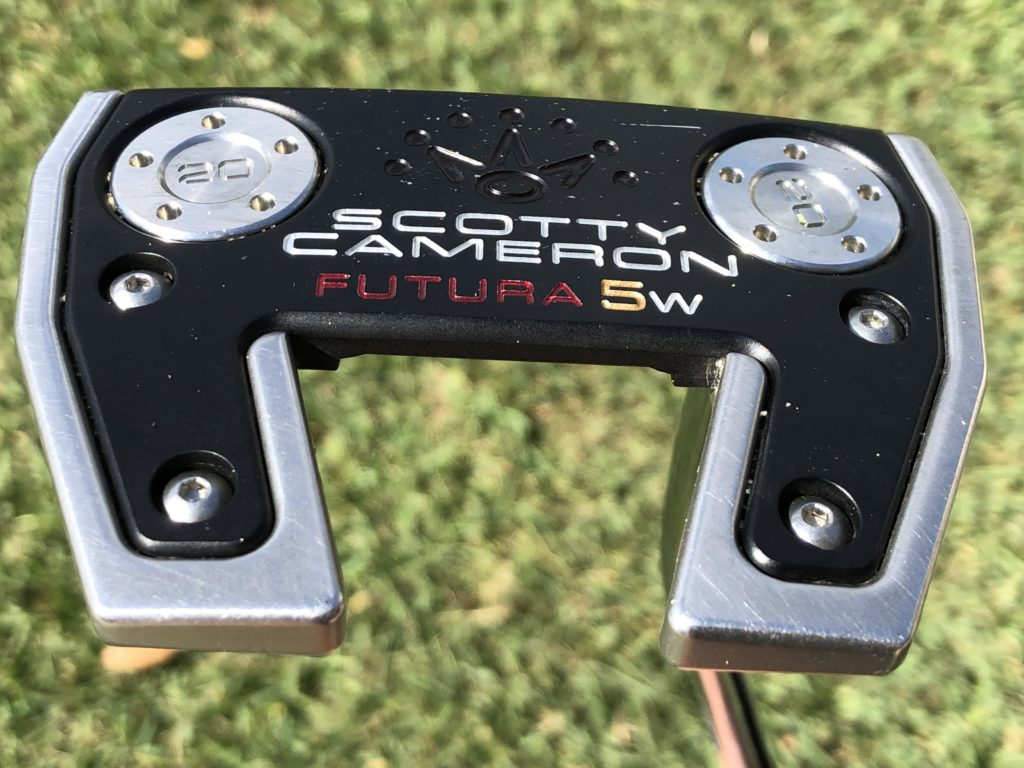
    Scotty Cameron Futura 5W

    The Scotty Cameron Select Newport 2 Notchback Dual Balance putter I had in the bag for most of 2017 is gone. It never made the trip back from the 2017 World Amateur Golfers Championship in Kuala Lumpur, Malaysia. When you putt as poorly as I did during that tournament, you have to take it out on the putter, so I did. It now resides at the bottom of a lake at the Mines Resort & Club that used to be the largest open cast tin mine in the world.

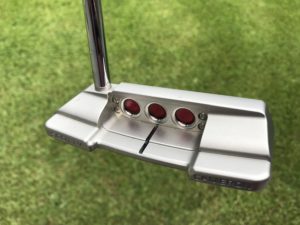
    My new flat stick is the putter I should have bought in the first place instead of that Newport Notchback that doesn’t float. It’s the Scotty Cameron Futura 5W. This mallet has been my gamer since December 2017 and was made even better with an upgrade to the innovative Stability Shaft from Breakthrough Golf Technologies in October of 2018. This specialized graphite shaft improves feel, launches the ball lower (yes, that matters in putting also) and rolls the ball more consistently. It’s fitted with the ubiquitous Super Stroke Mid-Slim 2.0 grip.

    Golf Ball
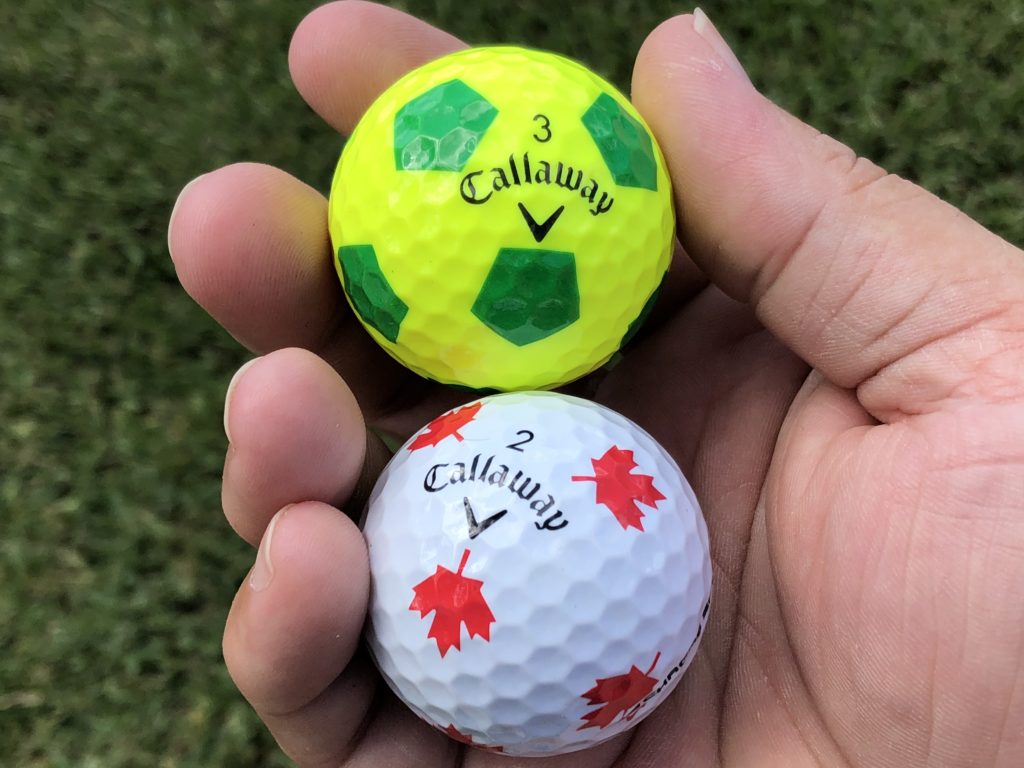
    Callaway Chrome Soft Golf Balls

    A few years ago when I published my last WITB, I had just received a shipment of 28 dozen Bridgestone B330 golf balls. After giving away several dozen to friends and playing the ball for over two years, I finally ran out a few months after the new Bridgestone Tour B golf balls were released. I was fitted for the new Bridgestone Tour B X golf ball but wanted to try something softer, so I switched to the Taylor Made TP5 for a while, then fell in love with the Callaway Chrome Soft. It feels fantastic from tee to green, performs well in windy conditions, and the variety of crazy colors and unique patterns available is awesome. However, the Chrome Soft may not be ideally matched for my game. On full swings, I may tend to overcompress it a bit and lose distance over the higher compression Bridgestone Tour B X. Plus, every now and then I’ll nip a wedge shot just right and spin the ball back 20 feet on the green. Most of the time that means watching as a good shot spins further away from the hole. Too much spin on wedge shots is not ideal.

    Distance Measuring Devices
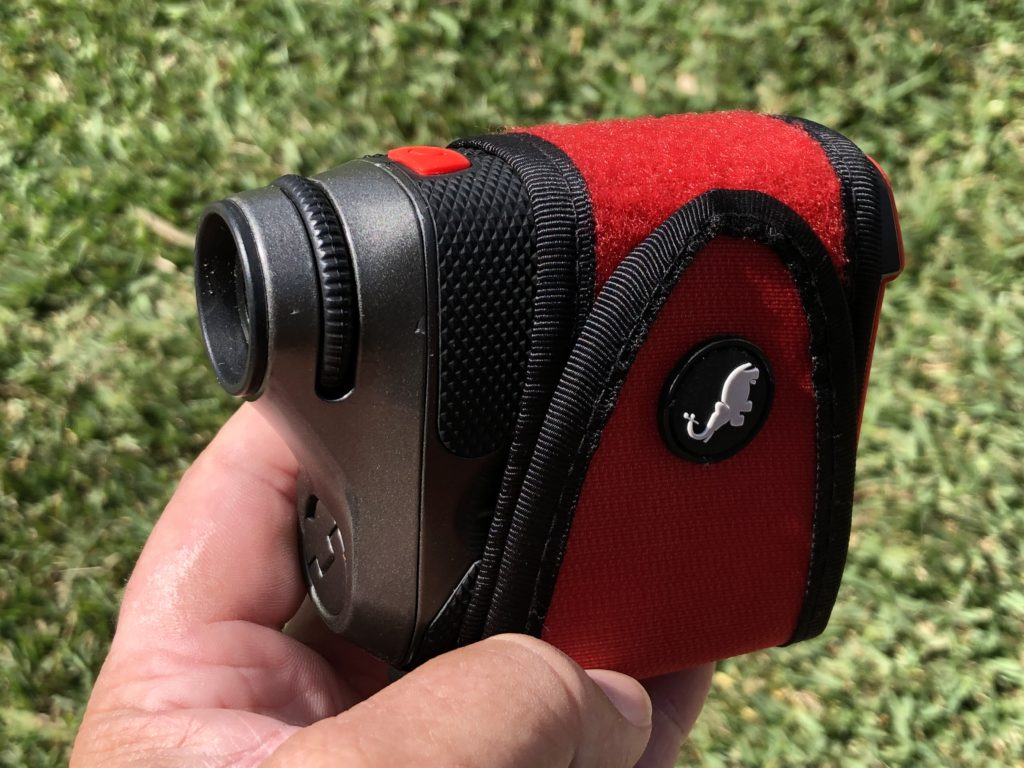
    My current laser rangefinder of choice is the excellent Bushnell Pro X2 that was the flagship model from Bushnell until the new Pro XE was released a few months ago. It has a bright red display, acquires targets fast, measures accurately and the battery life is excellent. You can turn on or off the non-USGA conforming slope function with a simple switch on the side of the unit. I have mine wrapped with a magnetic strap from Monument Golf.

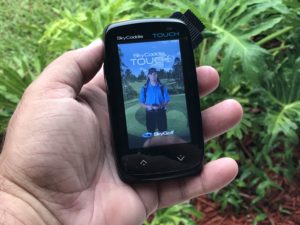
    When playing tournament golf or a course I’m unfamiliar with I like to supplement a laser rangefinder with a GPS device to measure distances to bunkers, fairways that run out and doglegs. I also like to have not only the distance to the pin but to the front or back of the green depending on the pin location. For several years I’ve used the Sky Caddie TOUCH and it works flawlessly. It’s lightweight and provides plenty of information. Sky Golf maps out courses themselves and in many cases, they give you much more information than other golf GPS devices.

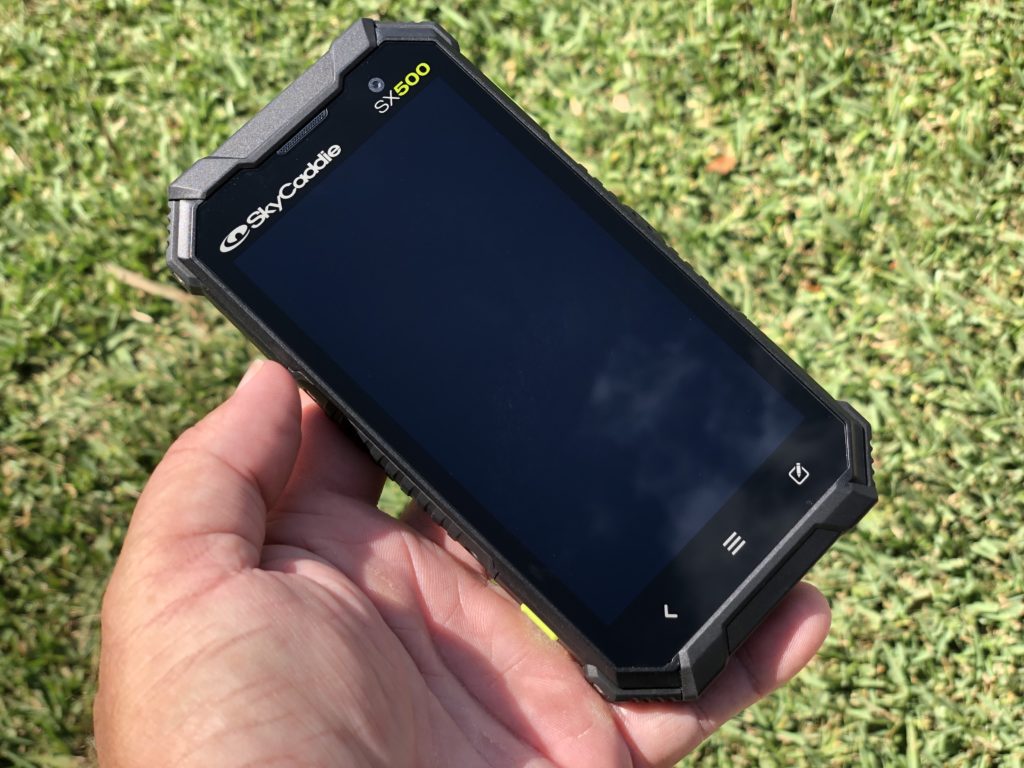
    This year I have replaced the trusty Sky Caddie TOUCH with their new flagship model – The Sky Caddie SX500. This thing is about the same size as a large smartphone with a big, bright and responsive touchscreen. While the size annoyingly prevents it from fitting in many golf cart cup holders, the large screen makes it easy to see the hole maps and the screen is easy to manipulate with changing modes or moving the cursor around to measure different targets. Battery life is amazing too. I used it recently after fully charging it overnight, and the battery was still at 89% after 18 holes and over 4 hours. Simply put – The Sky Caddie SX500 is my new go-to golf GPS.

    Must-Have Accessories
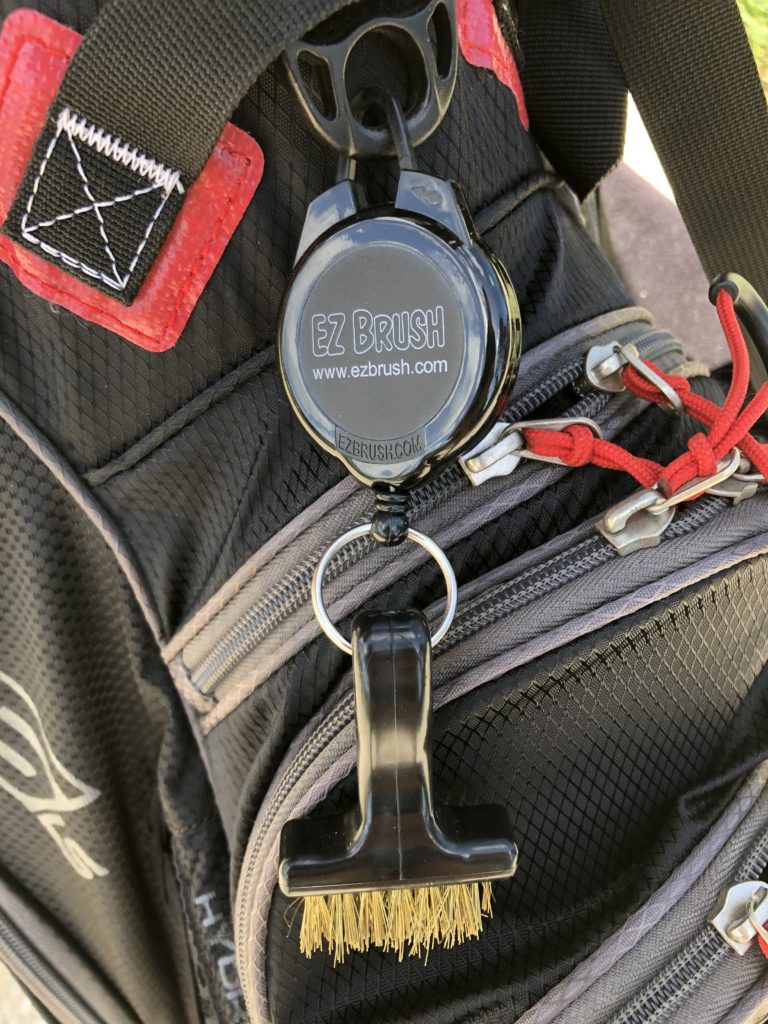
    There are a few oft-overlooked items that I can’t live without, like the little EZ Brush to clean my clubs. This small wire brush is conveniently spring loaded on a retractable cable and extends up to 30 inches. It simply gets the job done without being a nuisance and keeps my clubs clean.

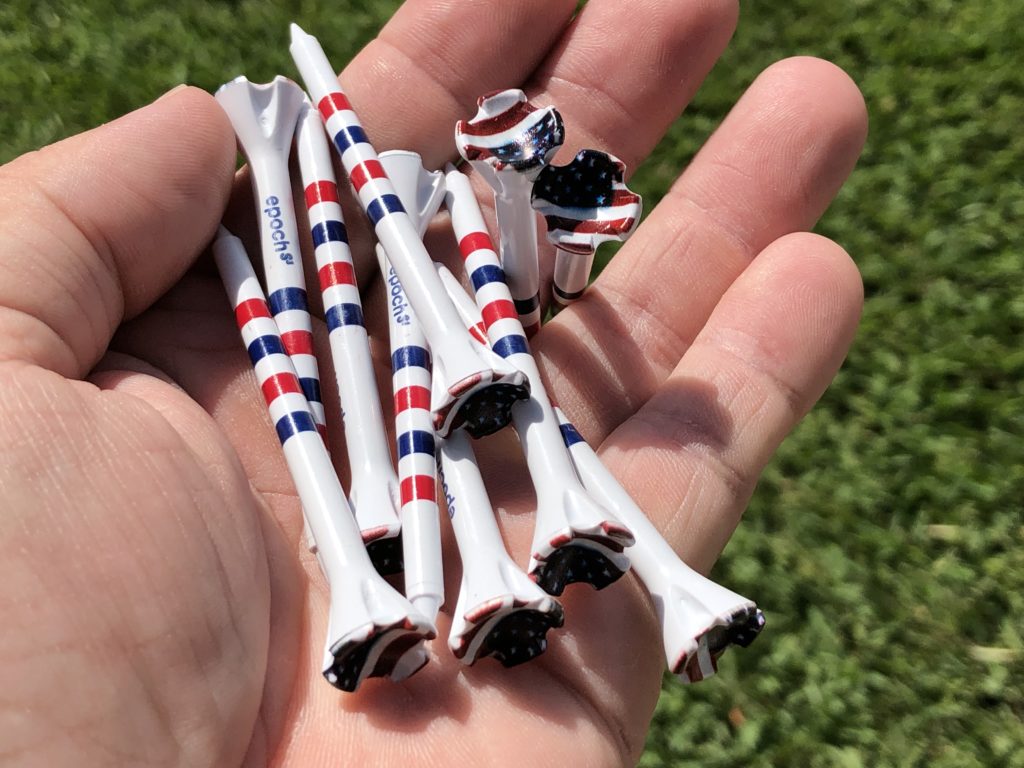
    I’m also kind of a snob when it comes to tees. I love the Epoch tees from Evolve Golf and I got a 300-count bag of their special USA themed tees before going over to Malaysia in 2017 to compete in the World Amateur Golfers Championship for Team USA. They also made a great gift for players from other countries that gladly snatched them up.

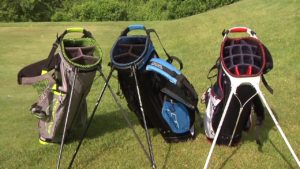
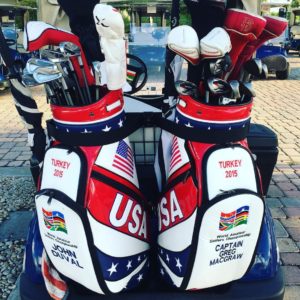
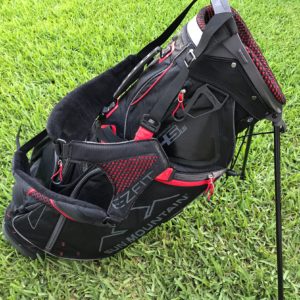
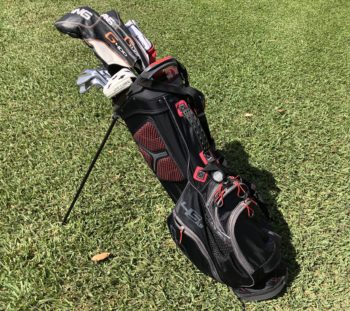
    Finally, what would a good WITB post be without the bag itself? Every now and then I use my huge Burton USA Staff Bag from the WAGC, but for the most part, I stick with my trusty Sun Mountain 4.5LS stand bag. It’s on the large end for a carry bag, but is still pretty light and holds everything I need and more. Since I’m riding a golf cart 95% of the time, weight isn’t much of an issue for me. The 4.5LS also had features that make it perfect for golf carts like a flat bottom, lockable legs and a cart strap pass through.

    What’s Next?

    There will be a few changes coming in the next few months as I get ready for my next big event – The Tour sponsored by Under Armor’s National Championship in Ocean City, Maryland in June.

    The first change may be my golf ball. As I mentioned before, while I love the Callaway Chrome Soft’s great feel, wild patterns, and bright colors, it is not perfect for my game. It spins a bit too much on wedge shots and flies shorter off the tee than the ball I was fitted for – The Bridgestone Tour B X. I’ll be considering a switch back to Bridgestone in the near future.

    The guys at MyGolfSpy.com recently confirmed my suspicions with some interesting ball testing results. According to their robot testing with a driver at 115mph, on average the Chrome Soft flies 12 yards less than the Tour B X. I would be giving up some feel around the greens and going back to a boring white golf ball, but I could be hitting one less club into the greens and that can make a big difference over the course of 18 holes.

    As far as club upgrades, my wish list includes a new hybrid from the Tour Edge Exotics CBX line. The latest model is the CBX 119 and they are very hot on the PGA Tour Champions right now. I haven’t decided what loft to go for yet since they make every loft from 16 to 20 and a 22.

    My wedges are in a constant state of flux these days. I love the new Honma wedges that are currently in the bag, but the lob wedge and I aren’t getting along in the bunkers so I may switch back to the Hopkins 60-degree. Heck, I may even get nostalgic and put the old SCOR 54 and 58-degree wedges back in the back to accompany the SCOR 50-degree gap wedge. Time will tell!
  • 9 Last Minute Gift Ideas For Golfers

    9 Last Minute Gift Ideas For Golfers

    There are less than two weeks left before Christmas, and for online shoppers this weekend is probably the cut-off point for shipping to make sure it arrives on time. In case you are out of ideas for the golfers in your life, here are a few suggestions!

    bushnell-pro-x2-features

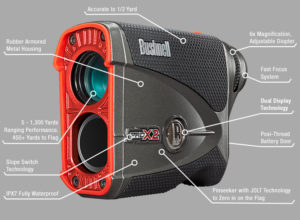
    • Bushnell Pro X2 Rangefinder – With Slope-Switch technology, dual display modes, Pinseeker with JOLT, 6x magnification, a range of up to 1300 yards and a solid waterproof metal housing, the Bushnell Pro X2 is the flagship of Bushnell’s laser rangefinder line. It’s legal for tournament play when the slope-switch is turned off. It locks on to targets quickly and vibrates when locking on to the flag from distances up to 450 yards. Available on Amazon: $449.98

    Club Glove Last Bag

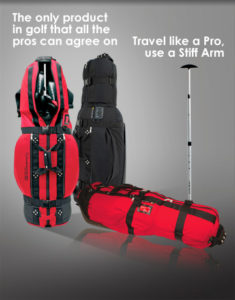
    • Club Glove Travel Gear – If you ever travel by air to play golf, you’ll need a reliable travel bag to protect your clubs. There’s a good reason that 90% of tour players use Club Glove – They are the best quality, most reliable travel bags available. Made in the USA and available in several sizes, your golf bag will be well protected and getting around the airport is a breeze. I’ve logged close to 50,000 miles of air travel with my Last Bag, and it’s not showing any signs of wear other than some dirt and dust from airliner cargo holds. Paired with their matching luggage and the Train Reaction system and you have a complete travel set that’ll last you decades. Club Glove Last Bag available on ClubGlove.com: $319.00

    Bridgestone-Tour-B-Golf-Balls
    Photo Credit: MyGolfSpy.com

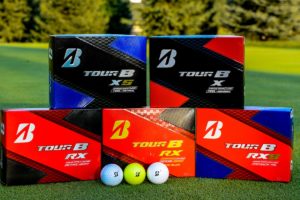
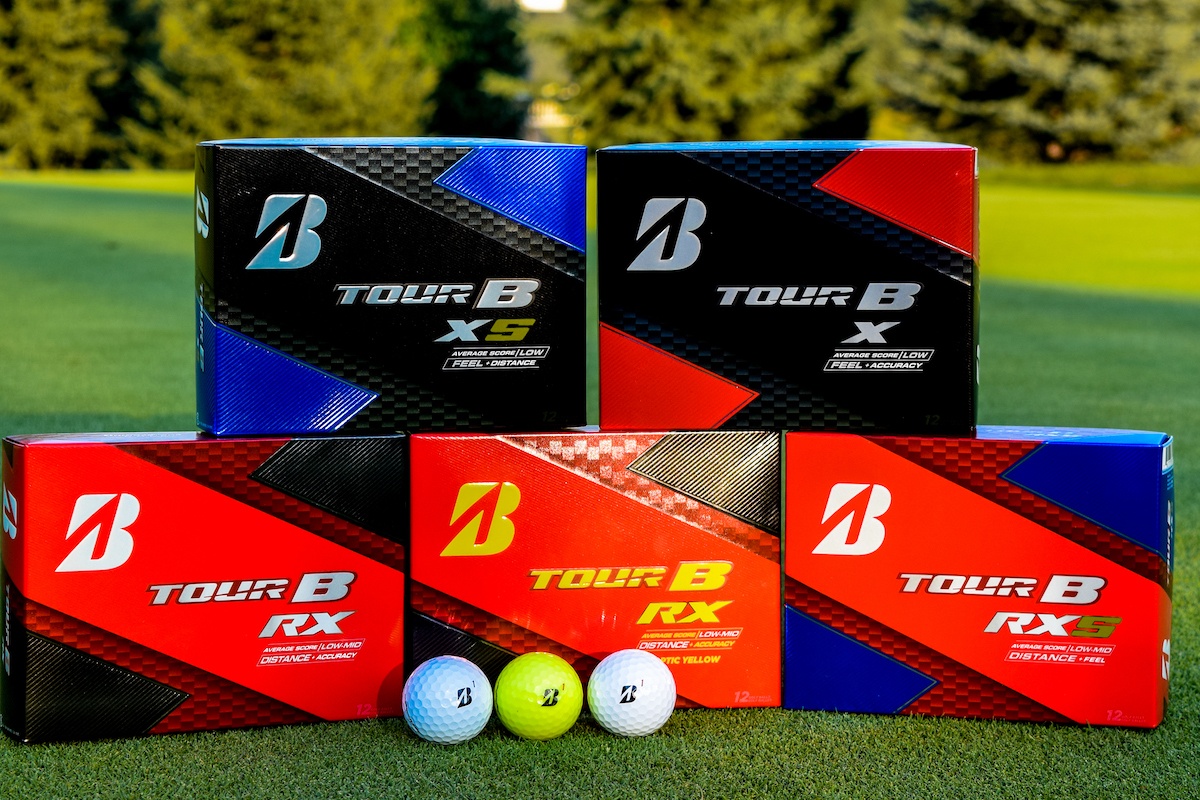
    • Bridgestone Tour B Golf Balls – Played by Tiger Woods, Fred Couples, Matt Kuchar, Brandt Snedeker, Bryson DeChambeau, Paula Creamer and more, the new Bridgestone Tour B golf balls are one of the top performing golf balls available. I’ve been using them since the 2015 season and I love the stable flight, penetrating trajectory and predictable spin and fell around the greens. Bridgestone Tour B XS: $44.89/dozen

    puma-soundchuck-mini

    • Cobra Golf Soundchuck Mini Bluetooth Speaker – It seems that more and more people are playing music on the golf course these days. With mobile phones and unlimited data plans, streaming music from the internet is very popular. Play music from your phone or tablet in style with the Cobra Soundchuck Mini bluetooth speaker. Available in three colors, it clips to your golf bag, cart or person to keep the party going on the course. MSRP: $79.99 – Amazon Price: $64.99

    Rickie-Fowler-Puma-P-Cap

    • Puma Golf P Cap – Rickie Fowler wears this cap on tour. It’s simple and stylish. Available in 6 colors. Why not get a few? You can never have too many snapbacks… Amazon Price: $27.85

    golf-pride-mcc-align-grips

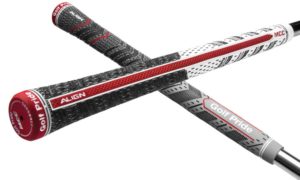
    • Golf Pride MCC Plus4 Align Grips – The most neglected part of any golfer’s equipment is usually the grips. Your only connection to the club is obviously important, and you are probably giving up strokes if you are playing with worn out grips. The most used grips on tour for decades, Golf Pride makes grips in all styles and sizes, but perhaps the most popular grips in their line are the MCC Plus4 that feature a reduced taper design for greater feel. Golf Pride’s new ALIGN technology helps you feel the grip under your hands and achieve consistent hand placement. You’ll be sure to improve your scores with new grips, so why not get the best? You can get a set of 13 Grips with all the tools you’ll need for $149.99 on Amazon

    Sun Mountain 4.5LS Bag

    • Sun Mountain 4.5 LS Golf Bag – If you are anything like me, you play some rounds riding in a golf cart and some walking the course. The folks at Sun Mountain know this and designed a carry/stand bag that works for any situation. When walking the course the adjustable, heavily cushioned dual strap manages the load and the stand deploys easily and holds the bag stable. When riding, there’s a cart strap pass through that allows access to all the pockets and the flat bottom is shaped to fit in the cart’s bagwell. The Sun Mountain 4.5 LS really is the best of both worlds in one bag. Available in many colors on Amazon for $209.99

    tatoo-golf-mens-wear

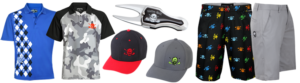
    • Tattoo Golf Apparel – The mad scientists over at Tattoo Golf have been making unique & stylish golf apparel for years, but they’ve really stepped up their game lately and have quickly become my current favorite golf apparel brand. Mixing their trademark skull & crossbones logo with daring patterns and bright colors, one could describe Tattoo’s style as golf clothing for bikers, but their look now transcends the biker crowd and appeals to anybody that wants more than just the boring old khakis and solid color shirts your dad wore on the golf course. Not only is their stuff exciting and fun to wear, but they are quality built and priced to blow the big brands away. Sign up for their mailing list for flash sales and big discounts (sometimes up to 30% off!) and check out their fashions online at https://www.tattoogolf.com/

    Team USA 2017

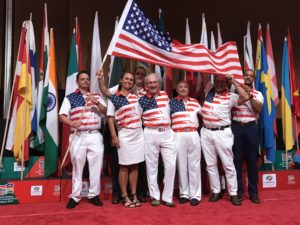
    • WAGC USA Membership – Calling all American residents! Would you like a chance to play golf for Team USA in an exotic location, all expenses paid? It doesn’t matter what your ability, because the World Amateur Golfers Championship (WAGC) is an annual golf competition that is broken down into five flights with handicaps ranging from 0.0 to 25.0. The WAGC plays locally all over the USA, and players earn points in local events to earn exemptions towards the national championship, where the winners of each flight are named to Team USA and represent the US (all expenses paid) against 35 other countries at the 2018 WAGC World Finals, being held in Johor Bahru, Malaysia For more information visit the WAGC USA’s website here. Annual membership is only $189
  • WITB – June 2017

    WITB – June 2017

    My very first WITB post was written in September of 2015 before I left for the WAGT National Championship in Pennsylvania. Since then a lot has changed. In fact, nothing from that bag remains in play for me today, including the bag itself! All fourteen clubs have changed, I got a new staff bag from the WAGT and I’ve even switched golf balls.

    I love to tinker with equipment, but being a low handicap golfer with a self-taught swing means that in order to play my best I need custom fit clubs. This makes testing new clubs a bit of a challenge. Variations in a shaft’s weight, kickpoint and flex can send shots way offline if not fit properly. I’ve worked hard with my amazing club builder to get every club in my bag set up perfectly for my game, and I can’t tell you how important it is for your game to have your clubs properly tuned and fitted by a competent club fitter.

    Now – Let’s dive into my golf bag(s) and talk about my clubs, and how they’re set up as well as my favorite gadgets and gizmos that help me play golf.

    My Golf Bags, Accessories & Favorite Gadgets

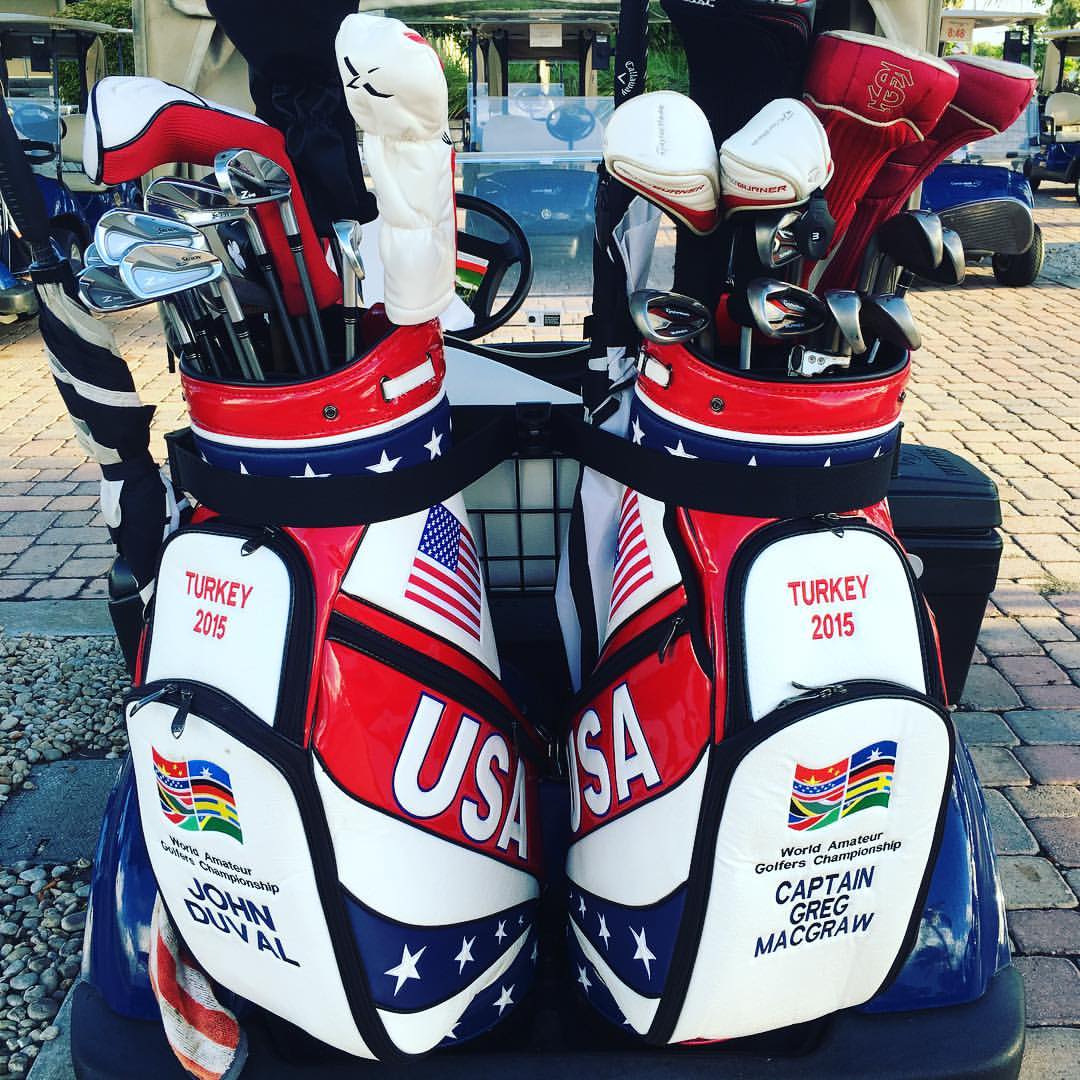
    While I would prefer to walk, I play golf using a motorized cart most of the time since it is mandatory at many Florida golf courses, and most of my golf buddies are too lazy to walk with me at the courses that allow it. For that reason, I alternate between a custom 10.5″ Burton USA staff bag I got when I qualified to represent Team USA at the World Amateur Golfer’s Championship in 2015 and a new Sun Mountain 4.5 LS carry bag.

    Burton Team USA Staff BagSun Mountain 4.5 LS Carry Bag

    I’ve only had the Sun Mountain 4.5 LS carry bag for a few months, but I’m a big fan of the innovative design and efficient use of space. It’s the heaviest of Sun Mountain’s carry options, but also adapts well to life on a golf cart and holds everything I need to bring with me with ease. My Burton “Team USA” staff bag is huge and heavy, but I can pack it with everything I’ll need for tournament golf like some snacks, 32oz sports drinks, extra towels, rain gear and more. Despite the large size, I can shoehorn it nicely into my Club Glove Last Bag travel case and go anywhere in the world with it easily. So far I’ve logged over 20,000 miles of international travel on in without incident.

    SkyCaddie TOUCH

    I like to have as much information as possible when playing, so I frequently combine the use of a GPS distance device with a laser rangefinder to get accurate yardage information and help plotting my way around the course. To that end, my distance measuring devices of choice are the SkyCaddie TOUCH and the Leupold GX-5i³ laser rangefinder. Both devices are one of the best available in each category, and function flawlessly. Adding Frogger Golf’s Latch-It rangefinder strap makes using the rangefinder that much easier, and the Latch-It ecosystem is my favorite new golf gadget in years. While I haven’t posted a round with it in a while, GAME GOLF is still a fun and easy way to track stats and help you improve. Since most of my clubs have changed, I plan to start using GAME GOLF again this summer to see how the newer clubs perform compared to the older ones.

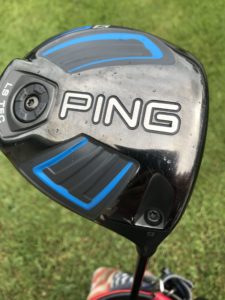
    Driver – Ping G LS-TEC 9°

    Ping G LS-TEC Driver

    Ping gave us one of the best drivers in the game a few years ago when they introduced the G30 and G30 LS-TEC drivers. I was fortunate to see amazing accuracy gains of 30% with it while still getting more distance over my old driver. Also fortunate for me, Ping later introduced the G LS-TEC driver that I now use. It is fitted with the Ping Tour 80 shaft in X-Flex, which is a custom option. They updated the head and made it sound a little different, but I haven’t gotten enough data to know if it’s really longer and straighter as they claim. Either way, I hit it great and recommend it for anyone that wants the best blend of distance with accuracy and forgiveness.

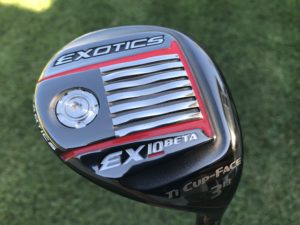
    Fairway Woods – Tour Edge Exotics EX10 Beta

    Exotics EX10 beta 3-Wood

    My recent struggle to find the perfect three-wood has been well documented, but when Tour Edge came out with the Exotics CB Pro f2 last year thought I had found my new fairway howitzer. It is a very high performance, versatile three wood that averages almost 260 yards and I couldn’t be happier with it. But – Tour Edge being one of the leading golf club companies when it comes to technology, they took some of the best design features from previous fairway wood designs and combined them using new a manufacturing process and created the Exotics EX10 and EX10 beta fairways. I immediately ordered the EX10 beta in 13 degrees with the new Project X HZRDUS Black shaft. I had my club fitter tweak it to my specs with a spine-alignment and swing weight adjustment, re-gripped it with my preferred Golf Pride MCC Plus4 grips and it is now ready for prime time. It’s very new and I’ve only played 18 holes with it so far, but the results have been impressive and I’ve already hit some tee shots with it to places I’ve never seen before. I can’t wait to try it out on the launch monitor.

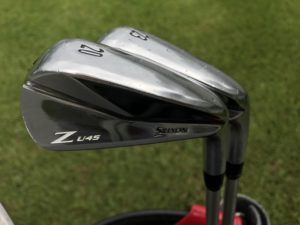
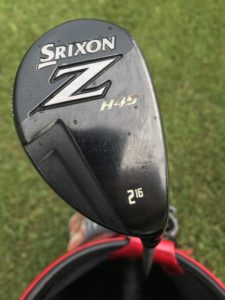
    Hybrids/Long Irons – Srixon Z H45 & U45

    Srixon Z U45 Long IronsSrixon Z H45 HybridI got my Srixon Z H45 hybrid and Z U45 utility irons back in 2015 and from the first ball I knew I had something special in my hands. Even though it is marked with a number two, the Z H45 hybrid has 16 degrees of loft which makes it more of a one iron. As a result, it hits low, piercing bullets which makes it great for use off the tee, but not very versatile for approach shots. Depending on the course, this club may be swapped for a 50 degree gap wedge. It is fitted with an amazingly consistent Aerotech hls880 hybrid shaft.
    I have two Srixon Z U45 long irons in the bag – The 20º and 23º models, which are my three iron and four iron. I absolutely love hitting these clubs. Forget about traditional long irons, these utilities are amazingly easy to hit while being more versatile and just as forgiving as a hybrid. My only regret is not replacing my old long irons with utilities like these much sooner.

    Irons – Srixon Z745 (5-PW)

    Srixon Z745 Irons

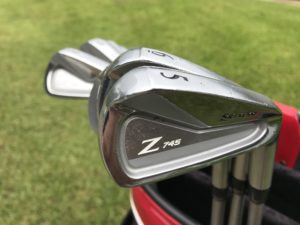
    My irons are the 2015 model year Srixon Z745 cavity back forged irons. They replaced my Cleveland CG16 Tour Concept irons from 2010. The Srixon irons have a little less offset than the Cleveland irons which took a wee bit of adjustment for me, but I adapted to the new clubs quickly. I’ve been playing Aerotech Steelfiber shafts in my irons for over 5 years and I saw no reason to change with these clubs. I fitted them with the Steelfiber i110 constant weight shafts. There’s nothing like the feel you get from a forged iron with a graphite shaft, and with Aerotech you get that awesome graphite feel with the consistency and control of steel. I keep saying it over and over, but Aerotech really does make the best shafts in golf.

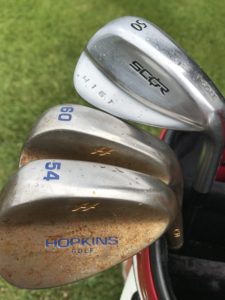
    Wedges – Hopkins CJ1 (54 & 60)

    Hopkins CJ1 Wedges (54 & 60)When Greg Hopkins left Cleveland Golf in 2012, took one of Cleveland’s lead designers with him and formed Hopkins Golf, I became an instant fan. What Hopkins was doing essentially was selling a Cleveland look-alike wedge cast from soft 8620 steel direct to the customer that you could customize with various grind options and plenty of paint fill and stamping choices. I got a raw lob wedge with the channel grind and fell in love instantly. Sadly, Hopkins Golf seems to have shut down operations since mid 2016, so I took to the interwebs to find some and discovered a website that had the discontinued wedges I wanted in stock, so I ordered two for $60 each.
    The other change I made in my wedges was going to a softer shaft. After consulting with my club fitter, we decided it would be best for me to switch from a Dynamic Gold X100 to the softer S400 that is so popular on tour. After a half-dozen rounds with the new wedges I’m glad I did and a little peeved that I didn’t so it years ago. At least now I have a three-wedge setup that works well for most situations. I still swap the 2 hybrid or 3 iron out for a SCOR 50º gap wedge on occasion if the course demands it, and will be replacing the SCOR 50º with a Hopkins 50º soon for a matching set.

    Putter – Scotty Cameron Select Newport 2 Notchback Dual Balance

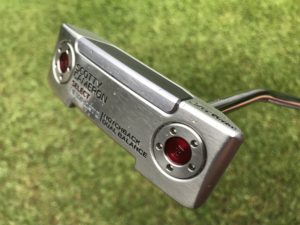
    Scotty Cameron Select Newport 2 Notchback DB Putter Scotty Cameron Select Newport 2 Notchback DB PutterThe most important club in my bag is the putter. It is also the club I struggle with the most, and as a result it becomes the club that changes most often. I have a bad habit of changing putters whenever I have a bad day on the greens, and these frequent putter changes only compound the problem by hurting consistency. I suppose that’s one of the drawbacks of being a golf blogger and having a couple dozen putters in the garage, all fighting for my attention.
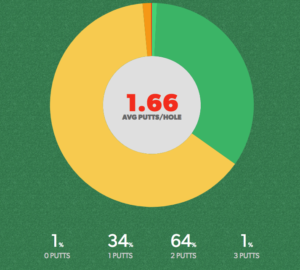

    When I really think about it, I’m being unnecessarily hard on myself because my putting statistics are very good compared to other players of my ability, but that’s the point – I’m trying to improve, not be average. Using a tool like GAME GOLF has shown me that I need to make more putts in the 5-15 foot scoring range. I think just sticking with one putter will help, so that’s my goal.

    GAME GOLF Putting Stats
    GAME GOLF Putting Stats

    The putter I’ll be sticking with is a good one, even if the name is way too long and complicated – In my bag is the Scotty Cameron Select Newport 2 Notchback Dual Balance. It is like the standard Newport 2 Notchback but measures 38 inches long, has a 50 gram back-weight in the handle and features a larger head with an additional 50 grams of weight – hence the name Dual Balance. The idea with all the extra weight is to help slow down your stroke and eliminate the small muscles that tend to sabotage putting strokes. I love the heft and balance of this putter and if it’s a Scotty you know it rolls the ball well. My only gripe with Scotty Cameron is that they tend to have more loft (3.5º) than I like in a putter.

    The Golf Ball

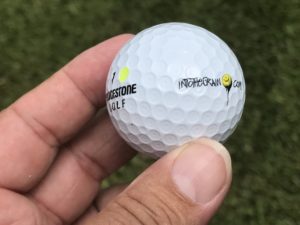
    Bridgestone B330 Custom Logo Golf Balls

    Last but certainly not least, since our last WITB post I have a new golf ball. In 2000 Titleist introduced the legendary Pro V1 golf ball and killed my beloved Titleist Tour Prestige and Tour Professional, effectively ending the wound golf ball era. In the coming years I struggled mightily adjusting to the new solid core golf balls. Eventually I found the Srixon Z-UR balls in 2005 and most recently played with the Srixon Z-Star & Z-Star XV until early 2016.

    In early 2016 at the PGA Show in Orlando I met with the folks from Bridgestone to talk about their new B330 line and came away impressed. After a few rounds of testing the new B330, I switched. I ordered a case of the B330 balls with my logo, and an additional ten dozen without a logo so I’m set with enough golf balls to last me several years. The B33o is very similar to the Z-Star XV I used to play, but spins a bit more around the greens and flies a bit straighter in the wind. It’s very durable for a “tour” ball and I’ve been very happy with it so far.

  • Lostgolfballs.com – Never Buy New Golf Balls Again

    DiverIt is estimated that golfers lose about 300 million golf balls per year in the United States alone. That’s a lot of cash sitting at the bottom of a lake! So tell me, why are you paying full retail price for golf balls? Professional golfers on the PGA Tour will use between 5 and 9 golf balls per round on average. That’s fine for them because they get their balls free. The average weekend golfer may also use several golf balls per round, but that’s usually because they get lost in the trees or water!
    Lostgolfballs.com finds those golf balls, cleans them up and sells them back to you at a deep discount. They have been doing it for over twenty years, and they are the best at it. Golf is hard, and let’s be honest – Most golfers suck at it. Company founder Gary Krueger knows this better than most. He played on the PGA Tour. Think I’m exaggerating? Lostgolfballs.com recovered, recycled and sold over 43 million golf balls in 2015. That accounts for 6% of all golf balls sold worldwide! Since the company started they’ve processed and sold close to 530 million golf balls. That’s million, with a capital M.

    The Recovery Process

    As the company likes to say, every golf ball is used once it has been hit. Lostgolfballs.com uses a proprietary and environmentally friendly cleaning system that washes every golf ball without damaging its original condition. Once they have been cleaned and sorted by brand and model, the golf balls are given a rating from A to AAAAA. Golf balls rated AAAAA (5A) are in almost new condition and show hardly any signs of wear, if at all. The most common difference between a 5A rated used ball and a new ball will be some ink left over from the previous owner’s personal markings that the cleaning process wasn’t able to fully remove. AAAA (4A) golf balls will show minor signs of wear, similar to a golf ball that has been played for a few holes, but with no drop in performance.

    Why Buy Used?

    In a word? Cost! Lostgolfballs.com sells their 5A rated golf balls at almost 50% off the retail price, and in some cases more than 50% off. AAAA (4A) and AAA (3A) rated balls are even less. Taking the most popular golf ball as an example – The Titleist Pro V1 and V1x golf balls retail new for $47.99 per dozen. At lostgolfballs.com, the cost for a dozen is $26.99 (5A), $21.99 (4A) and $14.99 (3A). Furthermore, you can buy in bulk. Titleist Pro V1 buckets of 50 or 100 (5A quality) are available for $111.99 and $223.99, respectively. When buying brand new, you pay $4 per golf ball. When buying used, 5A quality balls you pay about $2.25 each. If you choose 4A rated balls you’ll pay $1.83 each.

    Does A Used Ball Perform Like New?

    When it comes to golf balls, they don’t make ’em like they used to, and that’s a great thing for us! Golf balls are no longer constructed with liquid cores and rubber windings, and as a result they are far more consistent and durable than they have ever been. It’s not uncommon for golfers to play multiple rounds with the same golf ball. Personally, I’ve played 54 holes with one ball before, and after a quick cleaning by hand it still resembled one of lostgolfballs.com’s 4A rated balls.

    To help consumers understand that used golf balls perform just as well as new ones, lostgolfballs.com did some testing at an independent research facility to compare used balls they sell with brand new versions of the same balls. Given the variables in testing and statistical margin for error, the data showed that the difference between the used balls and new balls was almost negligible. In some cases the used balls even flew further than the new ones!

    To Summarize…

    • Lostgolfballs.com’s recycled golf balls fly just as far and spin just as much as their new versions.
    • Used golf balls are much cheaper than new balls, and in some cases over 50% cheaper.
    • AAAAA (5A) rated golf balls are almost like new and show little (if any) signs of wear.
    • Every major brand and model is available – Titleist, Callaway, Taylor Made, Srixon, Bridgestone, Nike and more
    • Free shipping on orders over $100

    Give lostgolfballs.com a try if you are in the market for golf balls, and I know you are. I think you’ll be impressed at the quality of golf balls you get, and you’ll get a lot more for your money too. Once you’ve played a few holes with them you’ll realize you’ve been wasting money all these years, and you’ll never buy new golf balls again.

  • 2015 PGA Show – Best New Golf Balls

    Callaway Chrome Soft
    Callaway Chrome Soft

    Frankly, I’ve become tired of all the promises golf ball manufacturers like to make about how their latest ball goes further, feels softer and spins more. We hear it every year around this time when the new models come out, but very few can actually deliver on their promises. Let’s take a look at the golf balls that lived up to the hype at the 2015 PGA Merchandise Show, and those that didn’t deliver. When you are done, come back up and click here to see the best new golf balls at the 2016 PGA Show!

    The Usual Suspects

    • Bridgestone E Series – Bridgestone Golf has performed over a quarter million live launch monitor fittings since starting their golf ball fitting program. This feedback from this testing has helped Bridgestone develop golf balls for every type of golfer, and the newest E series balls reflect the ongoing efforts to fit the right golf ball to each golfer. The Bridgestone E5, E6 & E7 golf balls feature WEB Dimple Technology that increases surface coverage by more than 10%. The E5 ball is designed to fly higher for the slower swinger or low ball hitters out there looking for more height. The E6 is softer and designed to spin less for straighter shots, and is the most popular ball in the series. The E6 has consistently been a favorite of testers during Golf Digest’s Hot List ball testing. (Even though we weren’t supposed to know what ball it was, I found out in some cases. Of course if I told you how I found out I would have to kill you.) Finally, the E7’s dimple pattern and construction are optimized for a more piercing ball flight for those who hit the ball high.
    • Srixon Z-Star & Z-Star XV – I’ve been playing Srixon golf balls almost exclusively since 2009, when the original Z-Star golf ball arrived. I was bitter when Titleist killed the wound “Tour Prestige” golf ball to focus on producing the new Pro V1, and I struggled to adjust to the solid core golf ball. The softer feel and added spin of the Z-Star helped my game almost immediately, and I haven’t looked back since. The latest Srixon Z-Star and Z-Star XV balls feature a new “Spin Skin” coating on the urethane cover that improves friction between the golf ball and club surface by 20%, according to the company. Players looking for a ball that spins around the green with soft feel off the putter but still remains controllable for flighted tee shots and workability with irons should look no further. Obviously I’m a bit biased, but I still think it’s hard to find a golf ball that performs better than the Z-Star.
    • Titleist ProV1 & ProV1x – Every couple of years, Titleist brings us a new version of their flagship ProV1 golf ball. And every two years they promise the same things. Distance! More spin! Softer feel! Just read for yourself from their website – “The new Pro V1 and Pro V1x deliver extraordinary distance and consistent flight. And there’s more short game control, even softer feel and long-lasting durability.” Seriously, how much more “short game control” and softer feel can I have? What does that even mean? All kidding aside, the Titleist ProV1 and ProV1x are the most popular golf ball on the professional tours and with many amateurs for good reason. It’s a great golf ball. What I’m trying to say is, buy with confidence because we all know the new ProV1 will perform, but don’t get too down if you don’t see much improvement in the new ball over last year’s version.
    • Nike RZN Black Volt – Speaking of colored golf balls… Nike has developed the RZN Black Volt golf ball in part to go with the new Vapor woods and irons which incorporate a similar yellow trip color scheme. The golf ball is essentially identical to the RZN Black tour ball that features the interlocking RZN core design that is supposed to deliver more energy between the layers for faster ball speeds and longer distance, according to Nike. The ball is softer than previous generations, which is good because the first RZN ball they delivered was hard as a rock. Watch for several Nike staffers to be playing the new RZN Black Volt on tour.

    The Up & Comers

    • Volvik – The South Korean company that has been making golf balls for over 30 years, and chances are you may not have heard of them! Their golf balls have been used to make over $5 Million, with 10 victories and 70 top ten finishes on men’s and ladies professional tours. Their most popular golf ball is the White Color S3 golf ball and the new White Color S4 was just launched. The S4 improves on the S3 golf ball by having a firmer feel and less spin for faster swing speed players. The original White Color S3 is in play by almost 70 tour pros, and the S4 should be very popular also. Volvik is famous for being the most popular colored golf ball on the market, so the golf balls are not only available in white, but several other bright colors as well.
    • Wilson Duo & Duo Spin – Have you ever hit a golf ball with a 29 compression rating? That’s how soft Wilson claims the Duo golf ball is. While “compression” ratings from manufacturer to manufacturer can vary wildly, it’s still a very, very soft golf ball. The main complaint against the Duo was lack of spin, so they are now offering the Wilson Duo Spin ball to fix that problem. With a slightly higher 35 “compression” and softer cover, the Duo Spin is sure to be a hit with golfers who prefer a very soft feel and added spin around the green.
    • Hopkins VL Pro – I love Hopkins wedges and have their fantastic 60 degree “channel” grind wedge in the bag as a gamer, but they offer golf balls too, and they are very good. To paraphrase their website, the Hopkins VL Pro golf balls are round, white and they perform just as well or better than the other balls they compete with, for a cheaper price. They sell for $22.99 per dozen and get even cheaper if you buy several dozen.

    Disappointment

    • OnCore MA 1.0 – A few years back, a startup called OnCore Golf sent me a dozen golf balls to try out that had a hollow, solid metal core. I thought the concept was interesting, but the first batch of balls I got from them didn’t work very well, because the covers were literally falling apart. A bad batch of golf balls had been sent to me in error. Fast forward 3 or 4 years, and OnCore has a new model golf ball called the MA 1.0 (Maximum Accuracy). This time around, the hollow metal core golf balls have been USGA approved. The concept behind the OnCore MA 1.0 is that by having a hollow core, the weight is shifted towards the perimeter of the ball to create a higher moment of inertia, reducing side-spin and leading to straighter shots. Unfortunately, this claim doesn’t seem to make any scientific sense, and I haven’t seen any data to back up their claims. Sure, the ionomer cover of this golf ball won’t provide much extra spin, but you won’t get much feel either. You’d need a urethane cover for that. Having said that, the problem I have is not with the technology or performance claims, but the price. When you offer a distance ball at a $44.99 price point that is normally reserved for tour caliber balls, your ball better deliver. I fail to see how the OnCore MA 1.0 can out perform the class-leading Bridgestone E6, which costs half as much as the OnCore.

    To The Victor Go The Spoils

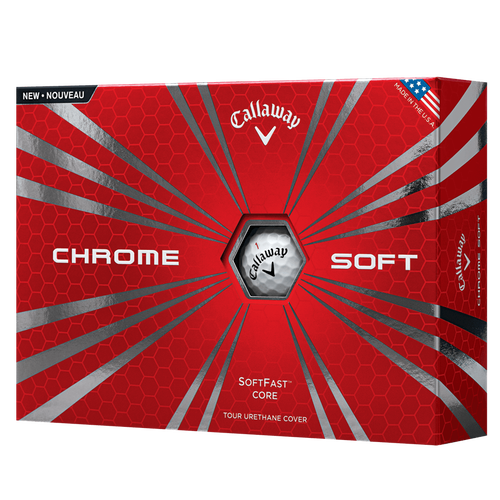
    • Callaway Chrome Soft – Callaway took the golf ball market by storm this year with the introduction of their new Chrome Soft golf ball. Any company can add a soft urethane cover to a low compression golf ball, but nobody has found a way to make that ball playable without spinning too much or flying too high – until now. The Callaway Chrome Soft features a resilient, 65 compression “SoftFast” core with mushy thermoplastic urethane cover and Callaway’s hex aerodynamics. As a golfer with tour-level swing speeds, I was worried about two things when testing this ball – over-compression and ballooning ball flight. Over-compression would mean a loss of energy and distance for faster swingers, and ballooning ball flight would be one that flies very high and out of control with too much spin. I experienced neither with the Callaway Chrome Soft. The ball feels soft, yet solid on full swings and flies on a stable mid-high trajectory. Knockdown shots are no problem. The Chrome Soft spins at least as much as other urethane cover balls like the ProV1, Z-Star and Bridgestone B330. In fact, on partial swing wedge shots I seem to get more spin, which makes sense when talking about a softer compression ball. I tried to dislike this ball, but I can’t. This is a great golf ball. My feelings were justified a week after my own testing when I learned that several Callaway staffers would put the ball in play on tour, including none other than Phil Mickelson. The feedback so far has been very favorable. Now is the time for you to try this ball. You’ll love it too.
  • 2015 PGA Show – Best New Clubs

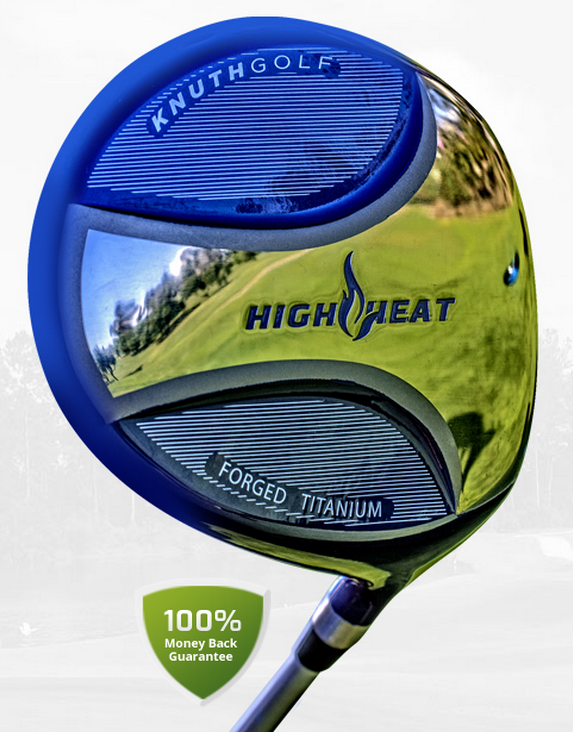
    Knuth Golf High Heat Driver
    Knuth Golf – High Heat Driver

    We were in attendance at the madness that was the 2015 PGA Merchandise Show last week, and other than registering about 18,000 steps (8.5 miles) on the pedometer each day, we met many old friends and saw lots and lots of golf products in the more than 1 million square feet of exhibit space at the Orange County Convention Center. As always, some products stood out among the rest. Here’s a few of the golf clubs that caught our eye this year.

    Best New Clubs

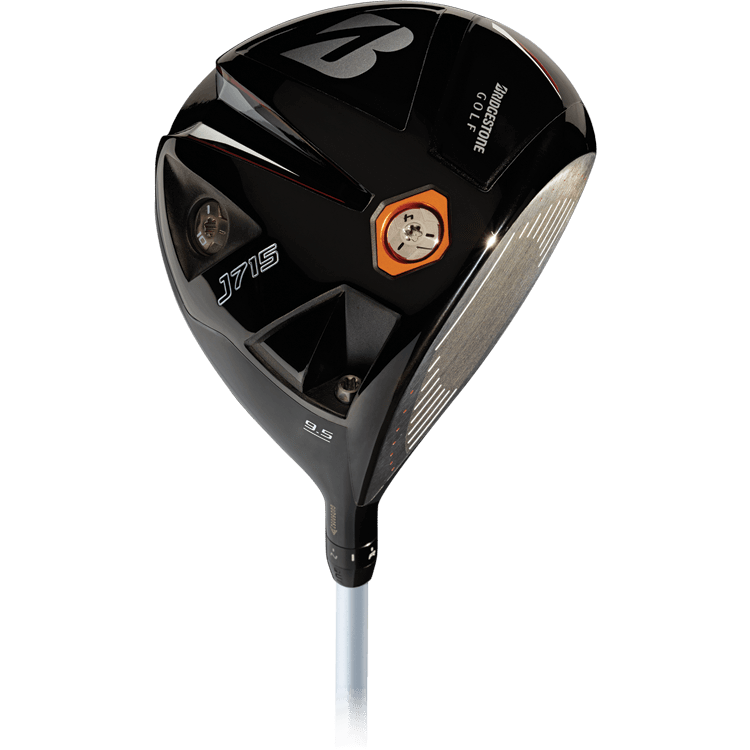
    • Bridgestone J15 irons, J715 & J815 Drivers – Bridgestone hasn’t released any new clubs for a couple of years, but fans of the brand have plenty of options in 2015. Bridgestone golf has released two new drivers and five new iron models. The J15 muscle back, cavity back, driving forged, dual pocket forged and cast irons have something for every level of golfer from low handicap to beginner golfers. The J715 driver has a cleaner, more traditional look, while the J815 driver gives more forgiveness and higher launch angles.

    Bridgestone J715 Driver
    Bridgestone J715 Driver

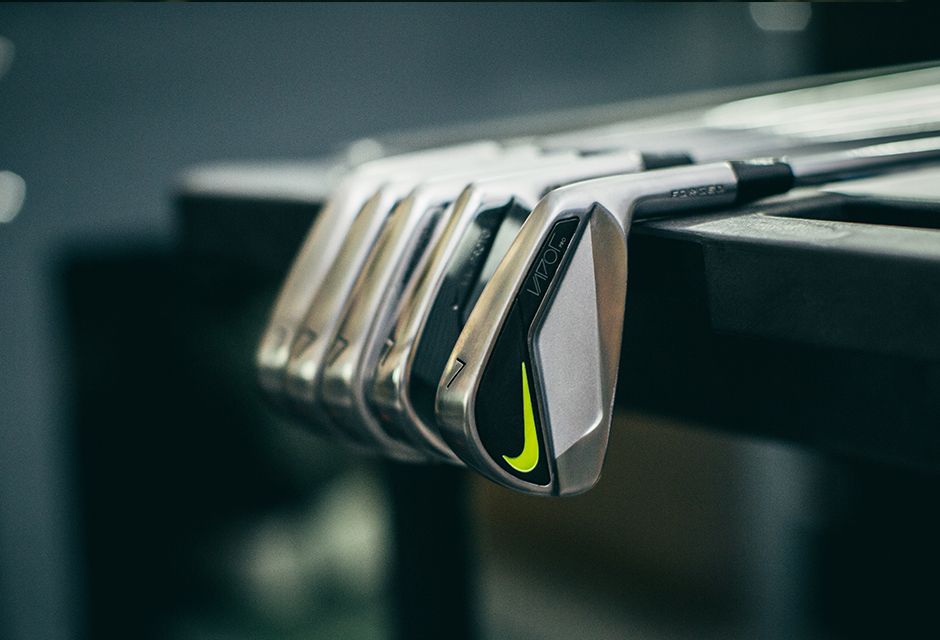
    • Nike Vapor – 2015 brings some new offerings from Nike Golf as well. The new Vapor Speed, Vapor Pro and Vapor Flex drivers give every level of golfer a club fit for their game. The Vapor Flex is Tiger Woods’ model of choice, while the Vapor Pro is in Rory McIlroy’s bag, and the Vapor Speed is for the rest of us who need more help. Matching the drivers and fairway woods are three new Vapor iron models, similarly called Vapor Speed (more forgiveness), Vapor Pro Combo (Cavity back w/ feel & forgiveness), and the Vapor Pro (Small cavity back/blade for feel and workability) The Vapor Pro blades were one of the best new irons I tested, and are sure to be popular with better players that fancy the Nike brand.

    Nike Vapor Irons
    Nike Vapor Irons

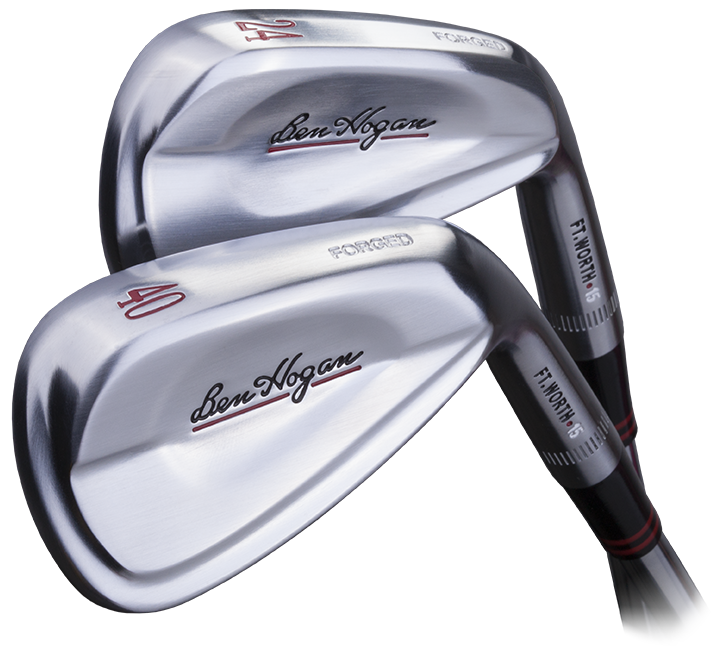
    • Ben Hogan Golf – The biggest club story of the 2015 PGA Show was the re-birth of Ben Hogan Golf. Club designer Terry Koehler has not only given us a beautiful forged blade worthy of the Ben Hogan name, but his unique club fitting system is a much needed innovation for the modern game. Eschewing the traditional numbered iron set, the new Ben Hogan irons and wedges have the club’s loft stamped on the bottom instead. The new Ft. Worth 15 irons and TK 15 wedges combine to offer 44 clubs available with every loft from 20 degrees to 63. This allows golfers to tailor a set to their particular preferences for loft, distance gapping or personal tastes. For example, slower swingers may choose 4 or 5 degree gaps in their long irons as they tend to hit traditional long irons the same distance, or longer hitters may prefer smaller 3 degree gaps in their wedges to cover more yardages in the short game. With soft & surprisingly playable forged 1025 carbon steel heads in 44 different lofts and the most playable sole grind on any wedge available – V-Sole (Increased leading edge bounce, decreased trailing edge bounce creates a V- shaped sole) The new Ben Hogan irons and wedges are going to be a big hit. Even mid to high handicappers have praised the clubs for being easier to hit than anticipated for a forged blade.

    Ben Hogan Ft. Worth Irons
    Ben Hogan Ft. Worth Irons

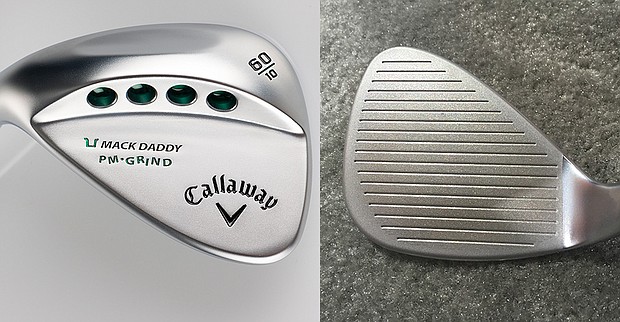
    • Callaway PM Grind Wedge – Phil Mickelson is one of the most influential players in golf. His long relationship with Callaway Golf has led to some interesting club designs and ideas over the years. One of the most recent ideas comes in the form of the new Mac Daddy PM Grind wedges. Wedge designer Roger Cleveland came up with this design at Phil’s request to help him hit high, soft shots around the greens. The wedge features a very high toe area and grooves that extend all the way across the face to the edges. It also has a scalloped sole grind and drill holes to remove weight. The wedge is so new that Callaway haven’t even put it on their website yet. Check out the scoop on PGATour.com here. It’ll be available in May with lofts of 56,58,60 and 64 degrees. Time to work on your flop shot!

    Callaway Mac Daddy PM Grind Wedge
    Callaway Mac Daddy PM Grind Wedge

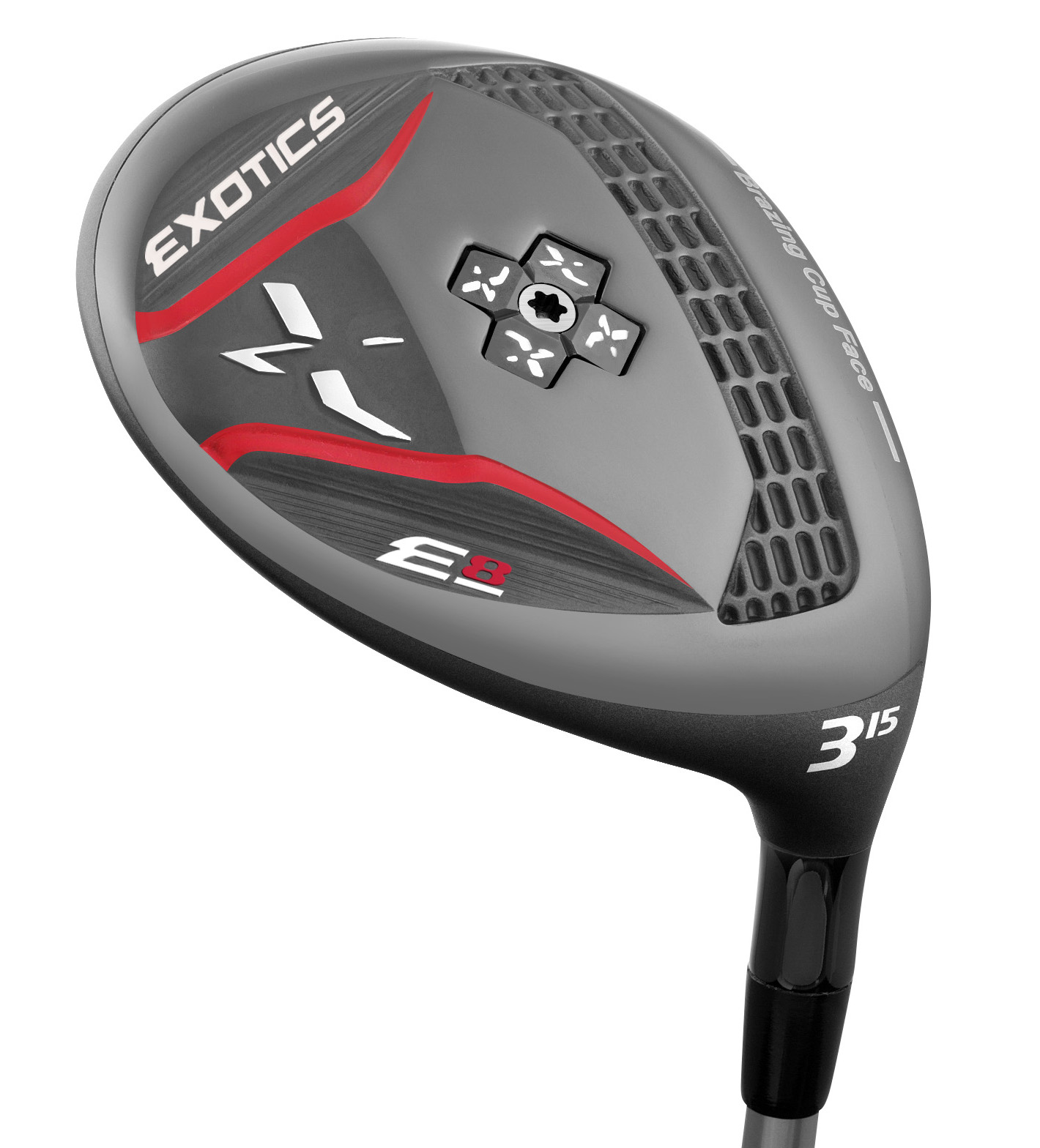
    • Exotics E8 Woods – What is there to say about the legendary Exotics fairway woods? The best just keep getting better. The new E8, E8 Beta and E8 Tour fairways are as hot and easy to hit as ever. As usual, the Exotics E8 was the most versatile, best looking and best feeling fairway wood I hit at the PGA Demo day. Those wanting a higher launch and a bit more spin to get the ball airborne will favor the E8 (185 cc) , while those that prefer a smaller head and lower spin will gravitate to the E8 Beta (175 cc). The E8 Tour fairways complete the lineup with a compact head size (150cc) and a fancy new manufacturing process called 360 degree robotic laser beam bonding to ensure very precise tolerances. Adjustable hosels (E8 Tour) and weight kits allow for a custom fit, and a multitude of shaft options are available. Prices range from $249 to $399.

    Tour Edge Exotics E8 Fairway
    Tour Edge Exotics E8 Fairway

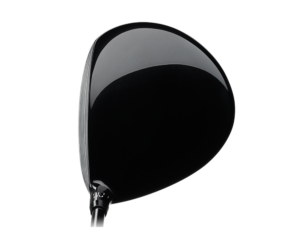
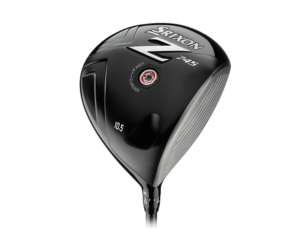
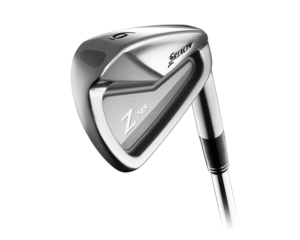
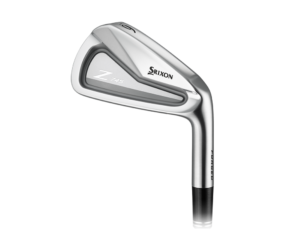
    • Srixon Z745 – In 2015, the parent company for Srixon & Cleveland Golf (SRI Sports) has repositioned the Srixon brand at the head of the table behind the popularity of their Q-Star and Z-Star golf balls. This year Srixon has released an entirely new line of irons and woods. I’ve had a chance to spend some time testing the Z745 Driver, ZF45 Fairways and Z745 irons, and I’ve come out impressed. Srixon haven’t jumped on the gimmick bandwagon with these clubs. Even though they are modern clubs with hot faces and have adjustable hosels and interchangeable weights, the look and feel of the driver and fairway woods is clean and simple. No fancy paint scheme or alignment marks, no flashy colors or crazy shapes here, just a classic look and shape. The forged cavity back irons have a familiar look that better players and purists will appreciate, and the polished chrome finish on the back edge of the irons reflects the turf, making the club appear thinner at address. The forged feel is solid and delivers great feedback, as expected from a forged club, while providing enough forgiveness for mid handicap players. Higher handicap players may want to try the Z545 driver and irons, which are built with more forgiveness than the Z745 line.

    Biggest Surprise

    • Knuth Golf High Heat Driver – Perhaps the biggest surprise of the PGA Demo Day, Dean Knuth (Known by many as the “Pope of Slope” for his role in creating the USGA’s slope rating system for golf courses) has introduced a new improved version of the High Heat driver he originally created in 2007. The High Heat driver has the lowest CG (Center of Gravity) of any driver on the market, and the company claims that the low, deep CG also makes the driver more accurate on off center hits than any other driver. If you are among the majority of golfers that tend to make contact slightly off center and lower on the face, this is very good news. Even if you make consistent contact, you need to try this driver! Having hit the High Heat myself, I believe their their claims. The High Heat driver hits the ball very high, very far and very straight. Available with Fujikura and Aldila shafts. $399 direct – www.knuthgolf.com

    Biggest Disappointment

    • Honma Golf – The Japanese luxury club maker has a strong following in Asia for building top of the line, high performance clubs. If price was not a factor, Honma’s Tour World TW727 Driver, Fairways and TW727M forged blades might very well be in my bag. Being one of the few OEMs that manufacture their own shafts allows them tighter control over quality and the ability to make shafts specifically for their clubs. This advantage translates to better performance and more fitting options. However, given the price of their products they aren’t likely to become very popular in the USA or Europe anytime soon. Street price for the TW727 driver will be around $800 USD, and the irons typically sell for $275 per club ($2200 per set). There are other companies that sell premium priced clubs that compete with Honma, but sadly the elitist mentality and condescending looks I’ve gotten from the Honma reps at the PGA Show for the last several years has turned me off to the brand. Perhaps if I had a check in hand for $3000 I may have been treated better.
  • Bridgestone True Balance Putters

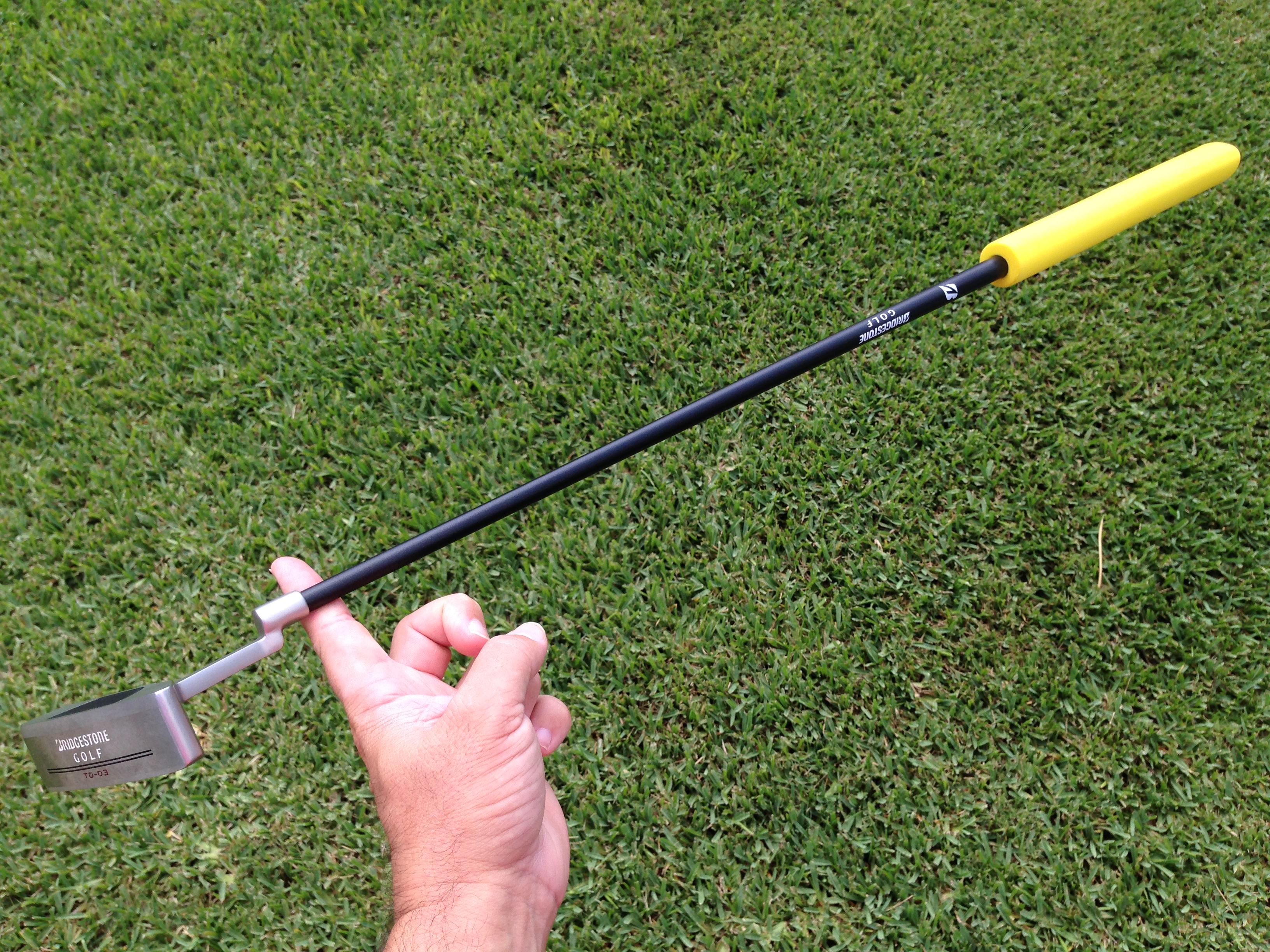
    Bridgestone True Balance PutterBridgestone Golf is one of the more conservative companies in golf.  They seem to know what they are good at, and they stick with it. By and large they release solid products, but don’t make waves around the golf world. Their most recent irons came out a few years ago without much fanfare. The J40 Cavity Back and J40 Dual Pocket Cavity irons combine classic lines with modern cavity back technology to result in one of the best irons on the market, in my opinion. But Bridgestone is a golf ball company. That’s their sweet spot. The B330 and E series golf balls are some of the more popular in golf. I think the E6 is probably the best overall golf ball for “average Joe” golfers out there, and the new B330 is every bit as good as some of its competitors like the Titleist Pro V1 and Srixon Z-Star. When we showed up at the PGA Demo Day last January in Orlando, the last thing we expected from this quiet, conservative company is a radical new putter.

    The Bridgestone True Balance putters are something unique, and an unexpected move for Bridgestone. With the current industry trend moving away from belly and long putters into a counter-balanced design, the Bridgestone True Balance putter goes in the other direction altogether, looking at the competition and saying “Talk to the hand!” Where many manufacturers are adding weight to the grip end of putters to counter-balance them, Bridgestone took as much weight away from the grip and shaft as they could to come up with a very interesting flat stick.

    They achieved the weight savings by using an extremely light 35 gram graphite shaft and using a grip made of 100% EVA (Ethylene Vinyl Acetate) which is a chemist’s fancy way of saying “waterproof foam”. The standard size grip weights only 10 grams and the oversize version goes up to 20 grams. Compared to a standard rubber grip that weighs about 80-85 grams and steel putter shafts that weight over 100 grams, this putter has lost a lot of weight. Mated with a putter head that is 360 grams, the extremely head-heavy design leads to a balance point that is less than five inches from the sole.

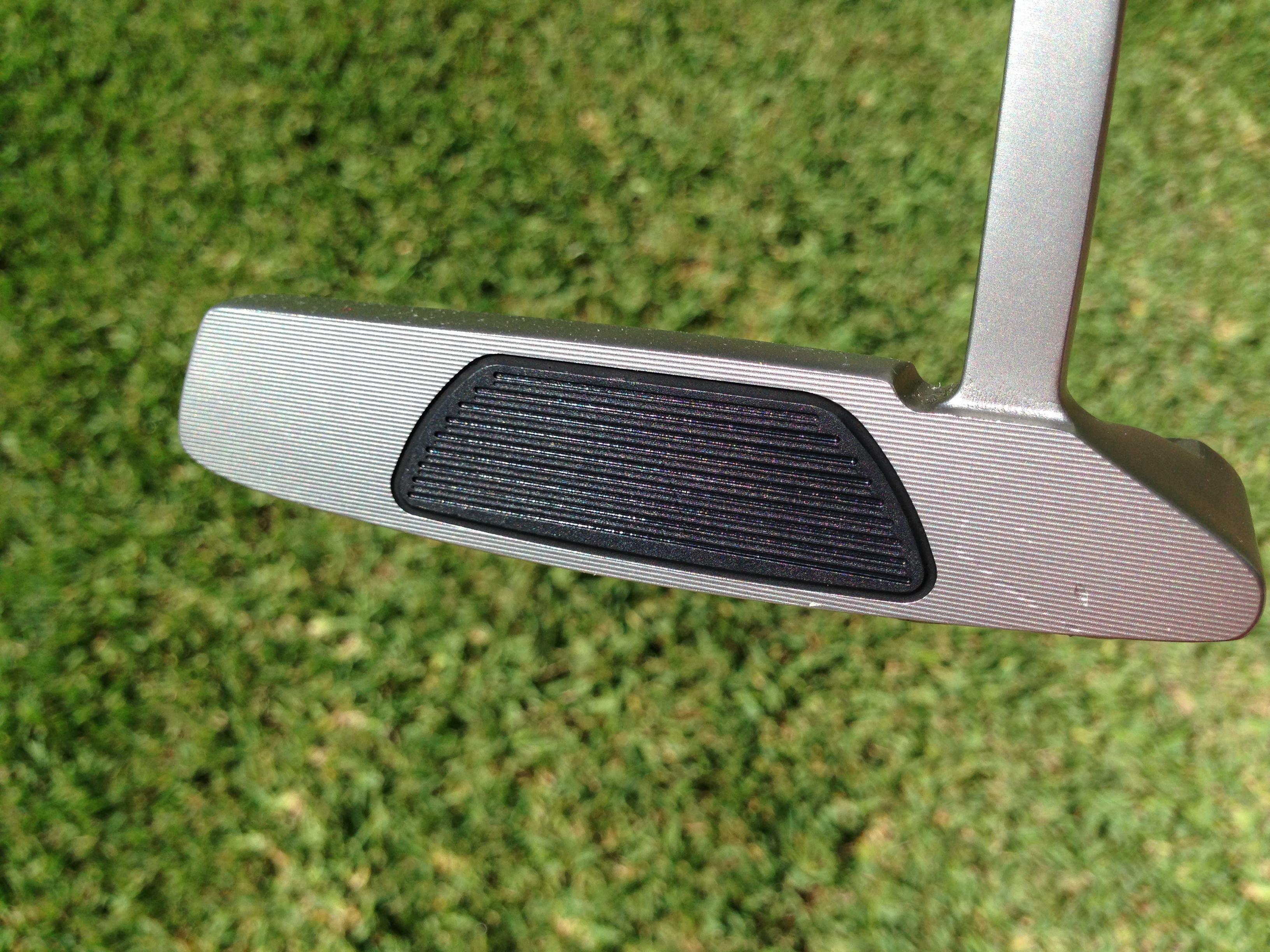
    2014-06-05 10.37.23With such a low balance point, the feel of the putter changes dramatically. You immediately get a better sense of the putter swinging like a pendulum as you stroke a putt. A grooved insert provides better feel and a true roll off the face, and the ball pops off the face with a solid clicking sound. This is a stainless steel putter, so the fell will be firmer than more expensive carbon steel putters, but the insert does a good job at dampening impact and the important thing here is that the ball comes off the face consistently and predictably every time. The other nice thing about this putter is because all the weight is at the bottom of the swing arc, it seems to want to square itself up at impact with greater ease than a standard putter.

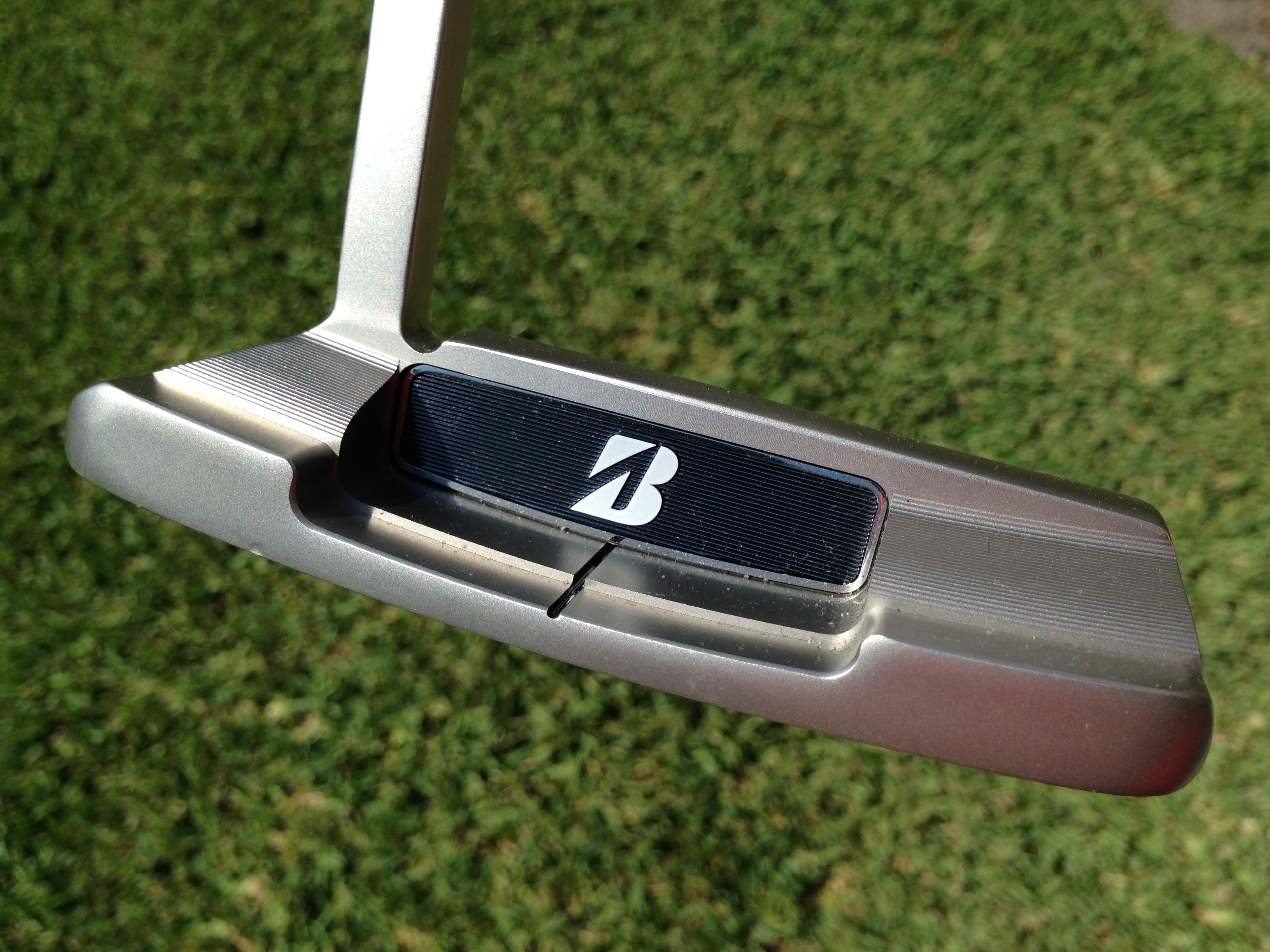
    My testing model was the TD-03 model, which is the classic heel-toe cavity back model. The putter resembles the classic Ping Anser and Scotty Cameron Newport designs that have become the standard for modern putters. The TD-01 model is a half-mallet design with a long neck to achieve a face-balanced putter. As mentioned above, there are two sizes of grip available. The standard grip is a 3cm x 2cm taper, and the oversize grip is 4cm x 3cm taper design. My tester had the oversize grip, but I prefer the standard size personally. Standard length is 34 inches, but it can be ordered anywhere from 32 to 36 inches online. Street price is $199.

    2014-06-05 10.37.29I own a lot of putters, but very few have earned a regular spot in my bag. Many end up collecting dust in the garage, and some are given away to friends in need. I like this putter a lot, but there are a few things that can be improved upon to make this putter worthy of a spot in my bag on a regular basis. First is the price. I can understand someone paying $300+ for a limited run carbon steel putter from a boutique manufacturer like Bettinardi, Bobby Grace or Piretti, but $199 for a mass-produced stainless steel putter from a large company is a hard sell in my opinion. I predict we’ll see this putter do best in the $139-$159 range, but we’ll see.

    The second minor complaint I have with the Bridgestone True Balance putters is the grip. While it certainly is very light, it isn’t very tacky. The oversize grip especially could be a little tougher to hold secure in smaller hands. I could see people using a tennis wrap over the EVA grip for a tackier feel without adding too much weight. You don’t want to regrip this putter with a rubber grip, as this would defeat the purpose. Even a tennis overwrap would dramatically alter the balance point, so beware. I think for most hands the standard size grip is much better.

    Overall, the Bridgestone True Balance putter is a winner. Fitted with a standard size grip and a slightly longer 34.5” length, this putter will certainly find a spot in my putter rotation. I’m that guy that likes to tinker with clubs (especially putters), so it’s not uncommon for my regular playing partners to ask, “So, what putter are you using today?” I have two or three putters that I rotate into play, based on course conditions and (more importantly) my mental condition. The Bridgestone True Balance putter has now further complicated my decision…

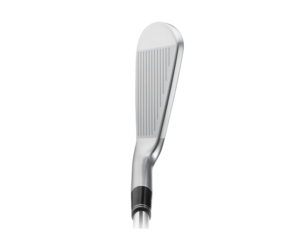
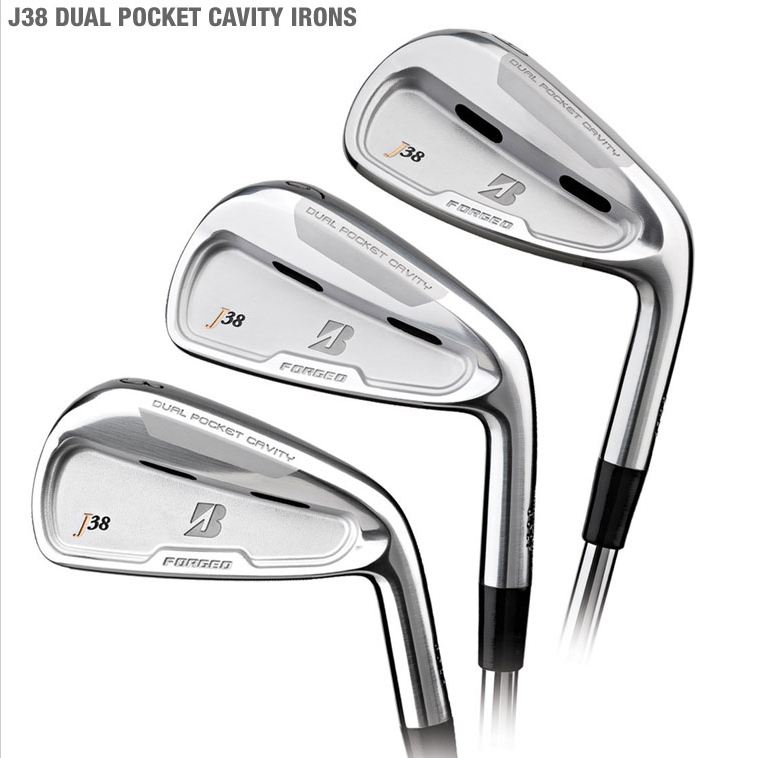
  • Bridgestone J38 Dual Pocket Cavity Irons – Review

    Bridgestone J38 Dual Pocket Cavity IronsBridgestone Golf has gained lots of recognition in recent years with the media campaign revolving around its B330 and B330s golf balls and the fitting system they use to match players with the balls. Bridgestone has signed several well known pros to their staff, including Fred Couples, Lee Trevino, Nick Price, Charles Howell III and Brandt Snedeker, among others.

    Bridgestone has been making golf balls since 1935, and has been the leading manufacturer in Japan for years, so it’s no surprise that their golf balls are becoming more and more popular in the US, despite a very crowded golf ball market. As far as golf clubs are concerned, they have been in this arena for 38 years. They haven’t been well known for golf clubs in the US market, but I have a feeling that will change very soon.

    For 2010, Bridgestone Golf has introduced the J38 and J38 Dual Pocket cavity forged irons to go with their new J38 460 Driver, and if you overlook these when shopping for your next set you are making a mistake. I first saw these irons at the PGA Demo Day during the PGA Merchandise Show in Feb 2010. Just about every major golf manufacturer was there (about 90 in all) around the huge circular range at Orange County National showing off their new clubs, and the J38s were one of the top three irons that I hit that day, so I wanted to give them a more thorough trial.

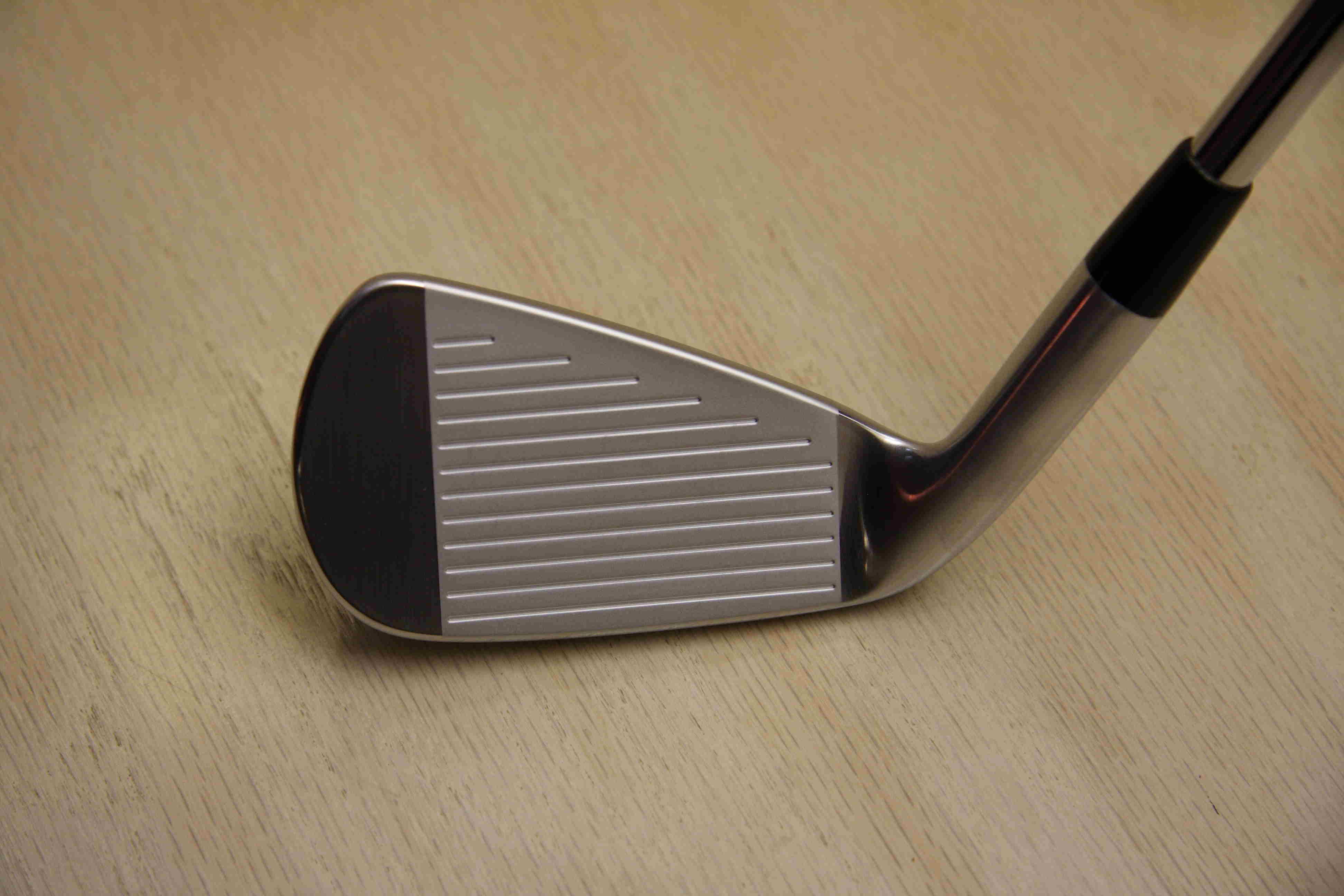
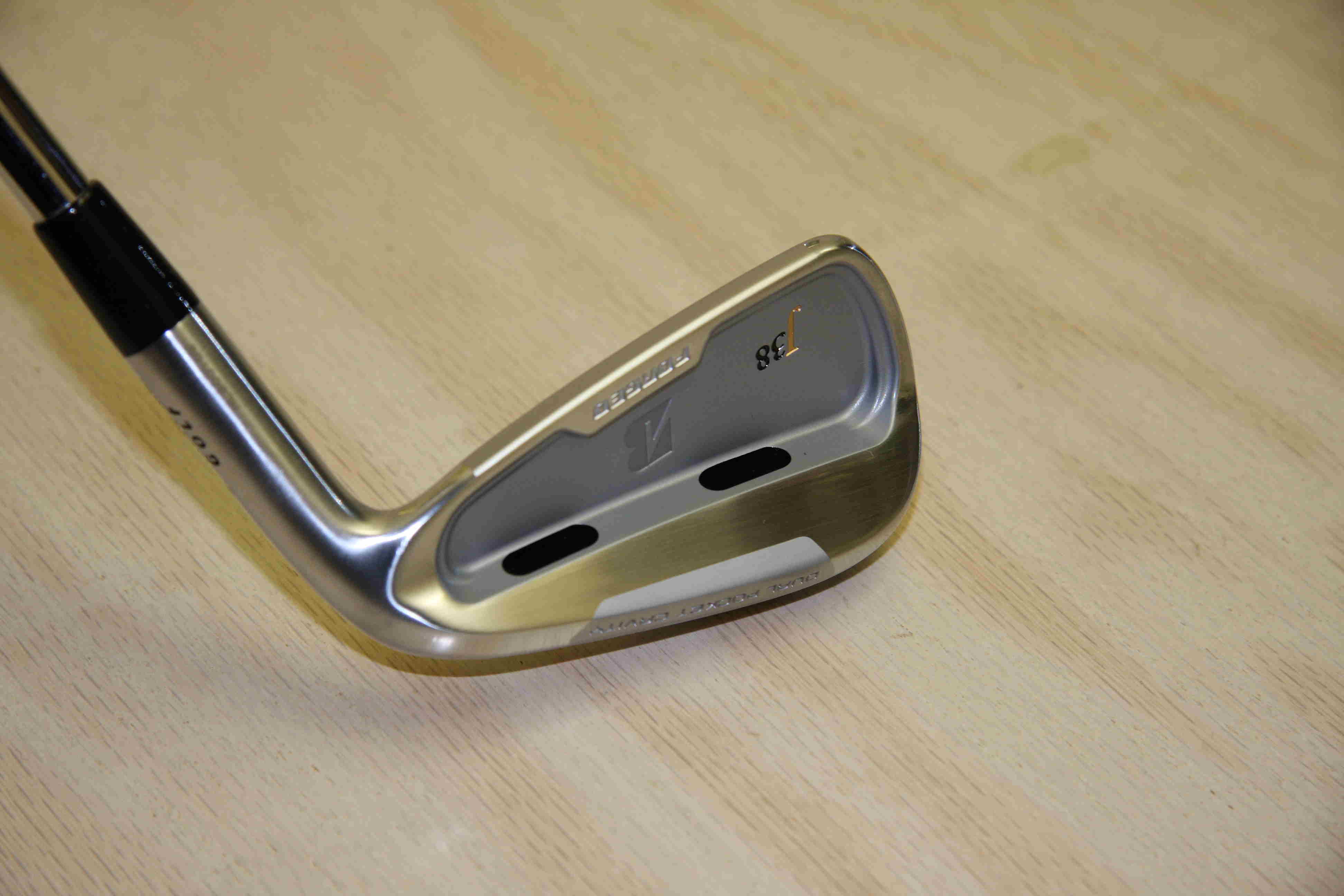
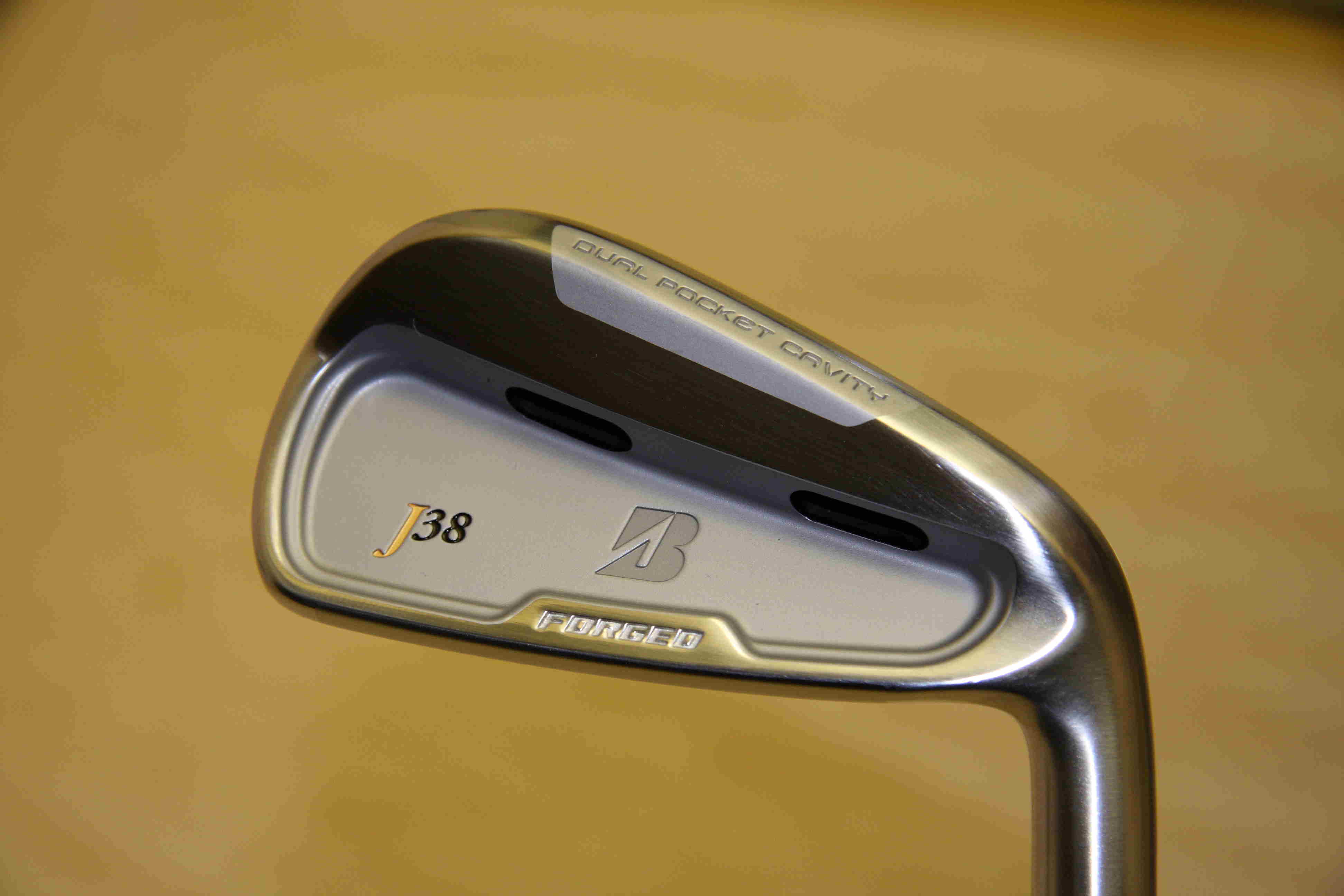
    I was sent a set of the J38 Dual Pocket Cavity irons to try out, and I was able to hit about 300 balls and play a few rounds with them, along with letting a friend play a few rounds with them as well. How did they perform? Read on! (Click on the photos below for a closer look)

    Appearance

    Bridgestone J38 Dual Pocket Cavity IronsThe Bridgestone J38 Dual Pocket Cavity irons are a classic looking forged cavity back. There are no fancy graphics or weird technological features added to these sticks. The biggest difference these clubs have to most of the other forged cavity back irons I've seen is that these are a midsize head. The heel to toe length is greater than most other clubs, and this is noticeable at address, but isn't distracting by any means. Having a longer blade profile makes them more forgiving. The rest of the lines are very clean and traditional. They have the thin top line, shallow heel and minimal offset that many lower handicap players prefer.

    Performance

    Bridgestone J38 Dual Pocket Cavity IronsThe J38 Dual Pocket Cavity irons are designed for mid-handicaps down to professionals. Having classic lines and 1020 forged carbon steel heads, they would tend to appeal to lower handicap players anyway. Matched with the high quality Project X Flighted shafts, they would be a good addition to many golfer's bags. With the midsize heads, these irons were indeed more forgiving than my current set, the Srixon i701 Tour forged cavity backs. Hits towards the toe resulted in greater distance and the iron remains very stable at impact. While the J38 DPC irons are forged, they felt a bit firmer than other forgings, but still provide plenty of useful feedback to the player. The Project X Flighted shafts tended to hit the ball higher for me than my Dynamic Golds, but that is the idea. The "Flighted" shafts move the kick point lower in the long irons for a higher trajectory, and move it up in the short irons for better trajectory control. The 6.0 flex rating in my demo set was softer than my usual X100 shafts, also contributing to a higher ball flight for me. When given to my other play tester Tim, an 8- 10 handicap with slower swing speed, the shaft performed flawlessly. At first he didn't like the irons, favoring a club with slightly more offset and a darker finish like the Cleveland CG7 Black Pearl, but after a few rounds of golf with the J38s he didn't want to give them back! The Dual Pocket Cavity feature is simply two cavities in the back of the club that removes weight from behind the face so they can re-distribute it towards the perimeter to make them more forgiving. The cavities are painted black, which makes them blend in to the design so they aren't distracting. Bridgestone staff pro Fred Couples put these irons in his bag, and since joining the Champions Tour he's won just about everything in sight. In his first four events on the senior circuit, he finished 2nd, 1st, 1st and 1st. That's as good an endorsement as you can get! When I tried the J38 Dual Pocket Cavity irons at the 2010 PGA Demo Day in Orlando, I remarked that they were one of the top three irons I had hit that day. The other two irons that I was very impressed with were forged blades. The J38 was the best cavity back iron there in my opinion. They are forgiving without making it too hard to work the ball in either direction. The top of the line shaft offering is a plus as well, since the Project X shaft is usually an upgrade for most other companies. For the street price of $799, you get the stock Project X Flighted shaft.

    Specs and Options

    Bridgestone J38 Dual Pocket Cavity IronsBridgestone offers numerous custom shaft options for the J38 irons, including options from companies like Aldila, FST, Grafalloy, Nippon, True Temper and Royal Precision. The Project X Flighted and Project X shafts should be popular, as are the KBS Tour shafts and the old standby - Dynamic Gold and Dynamic Gold SL. The lofts and lies of these irons can be adjusted by Bridgestone's custom department in one degree increments, plus or minus 3 degrees. The lofts in this set are pretty strong, as with most modern sets. The PW here is 46 degrees, making a gap wedge likely a good idea. The J38 DPC irons conform to the USGA's new groove rule, making them OK for play under the new condition of competition on the PGA Tour - not that 99.99% of people that buy these are really concerned with that, but I had to mention it.

    Overall Impressions

    These irons can do it all, from high flying shots that stop fast to low, penetrating knockdowns. They perform well from the rough and are just as workable as any other forged cavity back irons on the market. They have a larger head than most other forged cavity back irons, but that doesn't hinder them in any way. These irons are solid, stable and look good. If you are in the market for high performance forged cavity back irons with premium shafts, these irons will deliver. I think these will be best for a mid handicap player that is working his/her way to single digits and wants a forgiving forged club that will provide enough feel and feedback to help them improve. Take some time to try these out, and you won't be disappointed!

    Want to win free stuff? Subscribe to our email updates! You'll get the latest fresh news, reviews and stories delivered right to your inbox or RSS reader, and automatically be entered in our latest contests and giveaways! Also, don't forget to check in with our Facebook fan page for exclusive content and get involved by leaving us comments on what you think!

  • First Look – Bridgestone J38 460 Driver

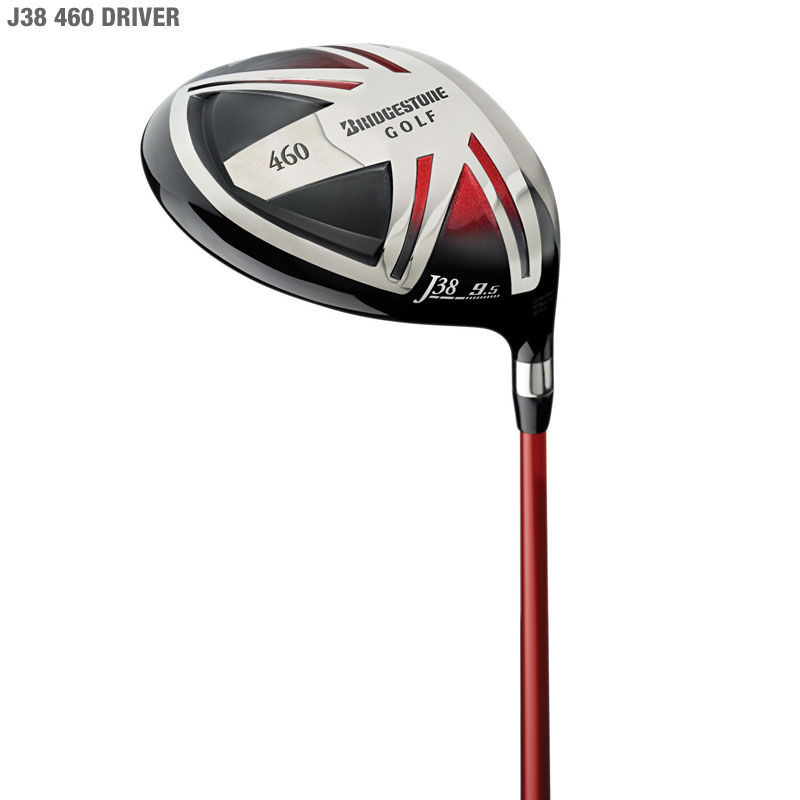
    Bridgestone J38 460 DriverBridgestone is a relative newcomer to the world of golf for many people, but did you know that Bridgestone started making golf balls back in 1935? Yeah, I thought that was pretty amazing myself. Bridgestone started making golf clubs as early as 1972 and even though the company may not be as well known in the US market as Callaway, TaylorMade and Titleist, they have become the number one producer of golf balls in Japan. If you haven’t looked at Bridgestone Golf before, it’s probably time that you do, because their 2010 line-up of balls and clubs are going to take the US market by storm.

    Bridgestone’s golf ball spots on television have become pretty well known. You know the ones? Fred Couples sitting with a beautiful woman reading fan mail about the B330RX golf ball, only to find out Lee Trevino is the one who’s letter they are reading? They also have had some success with their Ball Fitting campaign for amateurs. Indeed, the B330 line is a good golf ball and we should give it it’s due, but this post is about the new clubs for 2010. More specifically, the new J38 460 driver and Fairway woods.

    Leading up to the PGA Show in Orlando I stopped by the PGA Demo Day at Orange County National and hit so many golf balls with so many different clubs that my hands, arms and back hurt for days! Of all the beautiful and technologically advanced drivers I got to hit, the Bridgestone J38 460 was one of the hottest, best feeling clubs there. What’s so special about the J38? Read on!

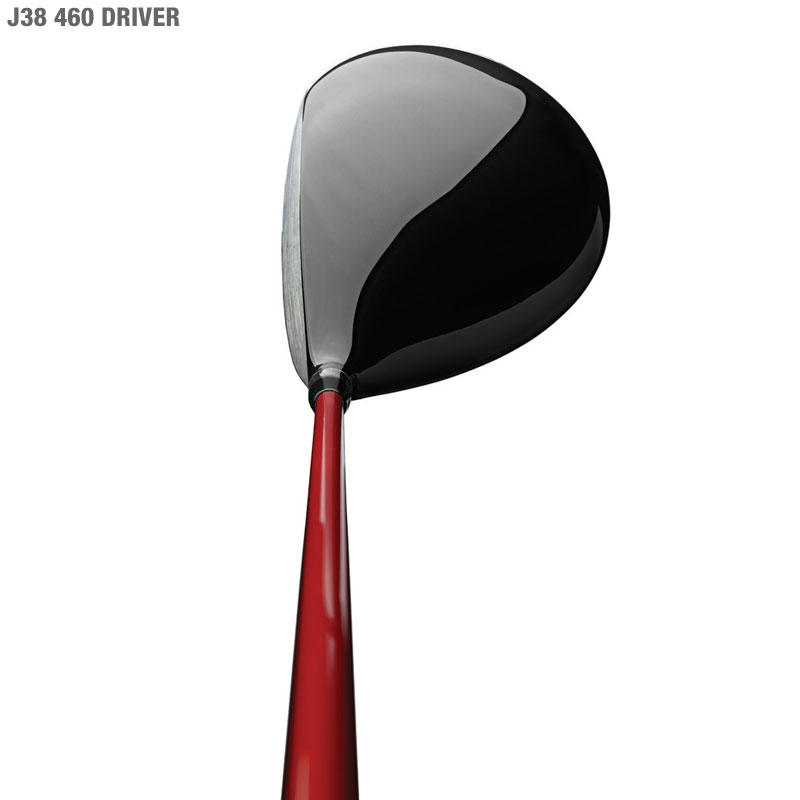
    The J38 driver is all new for 2010. Followers of Bridgestone Golf will note that this is the first new driver they've introduced in some time. It's easy to get caught up in the 12 month new product lifecycle of TaylorMade and Callaway, but Bridgestone and a few others don't seem to follow that strategy.  Along with a totaly new look, the J38 driver features an extended crown profile from the shallow face that promotes a low and deep center of gravity, for high launch and low spin. That, according to Bridgestone, allows for longer carry and maximum distance. There isn't any fancy weight plugs, or an adjustable hosel, or spiffy multi-material construction in this club. Bridgestone sticks to the KISS principle and I admire that. Bridgestone J38 460 DriverThe biggest selling point for me is the high-quality Fujikura Motore F1 shaft that comes standard. It weighs in at 65 grams and comes in R/S/X flexes. This shaft is an upgrade for most other drivers, but comes standard in the J38. What's also impressive is the list of custom shaft options from Bridgestone. It's simply too long to show here, but the full list is available on their website. I counted almost 50 different shafts and a dozen grips that can be custom ordered with your J38. The J38 460 comes in 8.5, 9.5 and 10.5 degree lofts and all models are 45" long and sit square at address. There isn't much trickery going on here to help you hit it further, like making the shaft an inch longer as some companies do these days. The facts are, the longer the shaft, the harder it is to make solid contact. The primary factor affecting distance is solid contact, so a longer club doesn't necessarily mean more distance for most players. The Driver will retail around $399 and will be available in stores in March of 2010. Stay tuned soon for a first look at the hot new J38 Cavity Back and J38 Dual-Pocket Cavity irons!

    Want to win free stuff? Subscribe to our email updates! You'll get the latest fresh news, reviews and stories delivered right to your inbox or RSS reader, and automatically be entered in our latest contests and giveaways! Also, don't forget to check in with our Facebook fan page for exclusive content and get involved by leaving us comments on what you think!