Tag: Tour

  • Against the Grain: July 17, 2026

    Against the Grain: July 17, 2026

    🔬 Bryson DeChambeau Shot 67 At The Open Using Clubs That Don’t Technically Exist Yet

    Round one at Royal Birkdale, and the man who turned professional golf into a personal science experiment just fired a 3-UNDER 67 using PROTOTYPE irons that aren’t commercially available, in steel shafts he specifically switched to for links conditions, attached to Krank woods that approximately ZERO other tour players use. His driver loft is SIX degrees. Some putters have more loft than his driver. (source)

    Here’s what makes this genuinely maddening: it works. He doesn’t just post podcast episodes about optimizing launch angles — he shows up at a major with irons his equipment rep probably printed out that morning and goes low. The steel shaft pivot is the part that should get more attention. Every other elite ball-striker on tour is chasing lighter graphite, more responsiveness, less weight. Bryson looks at firm links turf and goes “actually, steel.” And then shoots 67. There is no rational explanation for how he keeps being right.

    The Krank situation is its own thing entirely. He’s basically the only tour-level player running their woods, full stop. Most equipment brands would kill for a single tour staffer. Bryson looked at the entire endorsement ecosystem and said “no thanks, I’ll use the one company nobody else chose.” And the driver goes FOREVER. You can roll your eyes at the Extended Bryson Universe — the protein content, the lab, the podcast, all of it — but the equipment instincts are legitimately elite in a way that deserves more credit than he gets.

    The gap between “guy who thinks obsessively about this” and “everyone else” has never been more visible than watching him post a round-one 67 with clubs that don’t have a product page yet. Annoying that it works. Good for him that it does.


    🚲 Someone Rode An E-Bike Across The Greens At River Oaks CC In Houston And There Is Now A Manhunt

    The greens are cooked, every superintendent in Texas is in SHAMBLES, and whoever this kid is, he has achieved a level of notoriety that no amount of apologizing will ever fully undo. (source)


    ⚙️ Collin Morikawa Took His Irons To A Cart Path And Dragged Them Across It. On Purpose.

    Pre-Open prep included Morikawa literally scraping the leading edges of his irons along a cart path to simulate how firm links turf interacts with the club at impact. Not a metaphor. He found a cart path, crouched down, and ground his irons into it like he was sharpening something. (source)

    The logic actually holds up — links turf hits the leading edge harder than soft parkland grass, and recreating that contact before the tournament gives you real feedback on how the iron behaves. It still looks completely unhinged. Two-time major winner, crouching over a stretch of asphalt, running a 6-iron across it. The mental image alone is incredible.


    🏴󠁧󠁢󠁥󠁳󠁣󠁴󠁿 Tom Watson, Five-Time Open Champion, Is Just Wandering Royal Birkdale Dispensing Wisdom Like A Golf Gandalf And Nobody Asked For This But We All Need It

    Nobody requested this. Everyone wants it. (source)


    🤔 Has Scottie Scheffler Lost His Edge, Or Are We Just Desperate For A Story?

    The “has Scottie lost it” narrative is floating around Open week and it’s worth taking seriously for a second instead of just dismissing it. (source)

    Real take: Scheffler hasn’t lost anything. What’s actually happened is the field has spent two-plus years adjusting their approach specifically because of him. When you’re World No. 1 by a margin that embarrassing for that long, opponents stop playing their own game and start playing around yours. The question worth asking isn’t whether Scottie has slipped — it’s whether his margins have compressed. “Slightly worse Scheffler” still looks like “very good golfer” to everyone else, but it shows up differently on leaderboards.

    The more interesting point is what links golf specifically does to his game. Birkdale rewards a kind of creative, low-trajectory shot-making and course-management patience that’s genuinely different from the target golf he executes perfectly week to week on tour. His iron game is elite in any format, but links conditions expose everyone’s ceiling differently. If he struggles this week, it’s not an edge problem. It’s a format problem. Those are different things and the “has he lost it” framing collapses them into one.


    👟 FootJoy Just Dropped Their Annual Harris Tweed Collab And They Are, Once Again, Extremely Good Shoes

    Every year. Every single year. We say we’re not going to want them. We are always wrong. (source)


    🚗 MyGolfSpy Tested FORTY-TWO Drivers This Year And Someone Had To Finish Last

    Forty-two drivers. One finished last. The brand is not named here out of what can only be described as mercy, but it exists, it has a product page, and somewhere a marketing team is having a very bad week. (source)


    🎸 Noah Kahan Made A Hole-In-One And Immediately Treated It Like A Press Conference

    Folk music’s most famous sad boy went viral for an ace and then sat down with the Fore Play guys to give a full debrief. The energy was “athlete addresses the media after a playoff win.” Respect the commitment to the bit. (source)

    He’s got a sold-out arena tour, an awards season situation, and now an ace he gets to bring up at dinner parties until he’s eighty. Genuinely earned that one. The hole-in-one industrial complex welcomes another member.


    That’s the week. Bryson’s prototype irons are probably already obsolete — he’s definitely on version two by now. See you after the cut.
  • Aldila Tour Green Shaft

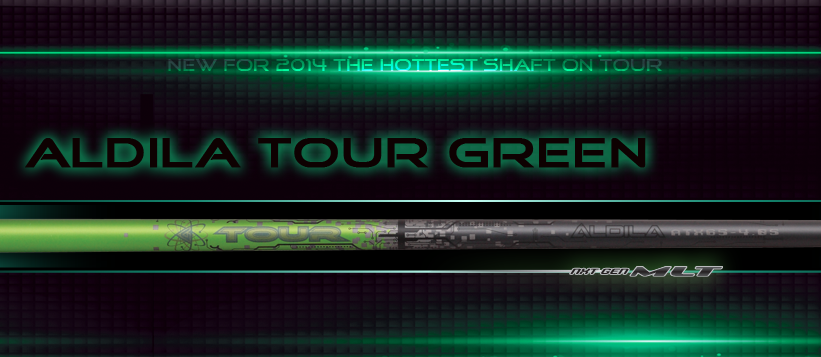
    Aldila Tour GreenAldila has been making graphite golf shafts for as long as I can remember, and has been one of the industry leaders for decades. Aldila is actually an Italian word that means “the next life” or “above and beyond” depending on the context. As manufacturing processes and materials continue to improve, golf shafts have become more and more precise and consistent. As of this writing, Aldila was leading the shaft count on the PGA Tour for more than 30 straight events.

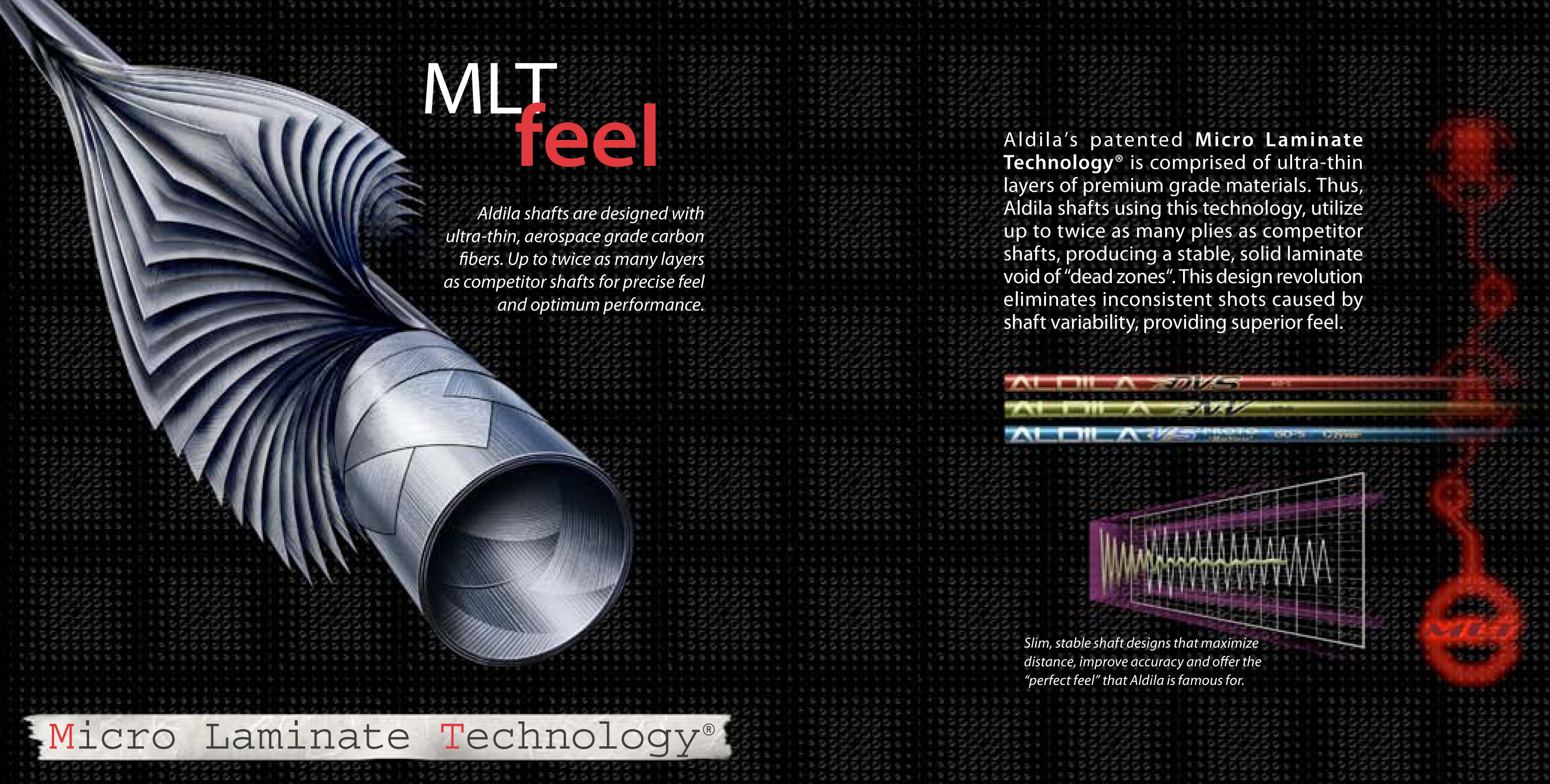
    The Aldila Rogue shaft is currently the most popular shaft on the tour, and while we didn’t get to test out the Rogue, we got our hands on its little brother – the Aldila Tour Green shaft for some play testing recently. The Tour Green shaft is a constant taper wood shaft that is designed to launch the ball on a mid-low trajectory with tight dispersion and a smooth, consistent release. Featuring their Micro Laminate Technology, the Aldila Tour Green will be more consistent from shaft to shaft than competitors.

    Testing the Aldila Tour Green

    We fitted the Tour Green in two clubs for testing. The first is an Adams Super LS driver (9.5 degrees) and the other is a TaylorMade SLDR Mini Driver with 14 degrees of loft. Our professional club builder Glen Belden fitted the shafts according to the manufacturer specifications and we saw a marked improvement in performance over the stock shafts in both test clubs.

    In the Adams driver, the stock Fujikura Kuro Kage 60X shaft simply wasn’t stiff enough or consistent enough for the strong swinger that it belongs to. The Aldila Tour Green 65X shaft was able to bring down spin rates and the launch angle, eliminating the ballooning ball flight that sometimes plagued the golfer with the stock shaft. The owner also had to dial the adjustable face to the open position to counteract the tendency for the shaft to release early and hit the ball left. Once we got the Tour Green in there however, we set the club face back to square and the owner’s tee shots because more controllable and consistent. The Tour Green 65X did its job by bringing the trajectory down and the release is more predictable, leading to increased accuracy.

    Aldila MLT TechnologyThe next test subject was my TaylorMade SLDR Mini driver (14 degrees), fitted with the stock Fujikura Speeder 57S shaft. Since I play a heavier extra-stiff shaft, the 57 stiff was obviously inadequate for my 110+ mph swing speeds. Like the Adams Driver, I found the stock shaft to be wildly inconsistent at producing a repeatable ball. This was mostly due to the Fuji shaft not being stiff enough, but also because most OEM shafts are not ready for prime time. (See my footnote about this later.) I fitted the Aldila Tour Green 75X to the SLDR Mini and instantly transformed it. The Tour Green shaft turned the SLDR Mini Driver into a strong 3 wood that launched the ball on a high trajectory with low spin. The ball carries forever with this club, and the Tour Green shaft makes sure that the ball won’t balloon too high or with too much spin. The heavier weight of the Tour Green 75 shaft is perfect for fairway woods.

    Conclusion

    There isn’t much to say about the Aldila Tour Green shaft other than it simply performs as advertised. It gives the golfer a lower launch and lower spin for stronger players, without feeling “boardy” or too heavy. The Tour Green also has a sister shaft called the Tour Blue that has a slightly softer tip section for a higher ball flight. Both shafts are available through national retailers and custom club fitters for around $249. If you want to upgrade to the latest tour-proven technology and breathe new life into that 2 year-old driver, spending $249 for a new shaft will probably be a better investment than plunking down $400+ on yet another new driver making promises it can’t keep.

    Footnote on OEM Shafts

    In my experience of testing dozens of clubs every year since the mid 90s, I’ve learned that most stock OEM shafts are garbage to be perfectly honest. While the brand names are familiar, the shafts are mass produced and along the line the quality control process is scrapped to cut costs. I don’t mean to pick on the big guys, but my club builder has several 50 gallon drums full of OEM shafts from Callaway & TaylorMade that were pulled from clubs to be replaced with shafts that are properly fit to the player. Most of the shafts that are pulled from these clubs show huge variations in stiffness, weight and frequency readings, which explains why Joe Golfer can hit his buddy’s identical driver great, but his performs awful. It’s hard to know if the club you buy will have a good shaft nowadays, but you can give yourself a better chance of success by staying away from the stock “off the shelf” shaft when buying a new driver or fairway wood. Instead, go to the local golf shop and get fitted for the right shaft by a qualified fitting specialist, then order the driver with that shaft as a custom option. It may cost a bit more, but you’ll be more likely to get the right fit and get the most out of your investment.

  • Charley Hull and Minjee Lee Headline LPGA Q School Field

    QSchool2014International Teen Stars Headline LPGA Q School Finals Field

    Teen golf sensations Charley Hull of England and Minjee Lee of Australia will be two of the major headliners at the final stage of LPGA Qualifying School in early December. They are among 155 players who will be trying to earn their LPGA cards for the 2015 season. As usual, the five-day event will be played on the Hills and Jones course at LPGA International Golf Club in Daytona Beach, Florida, the home of the LPGA’s headquarters. The top 20 finishers will earn full playing status on the tour for next year. The next 25 finishers will earn limited playing status.

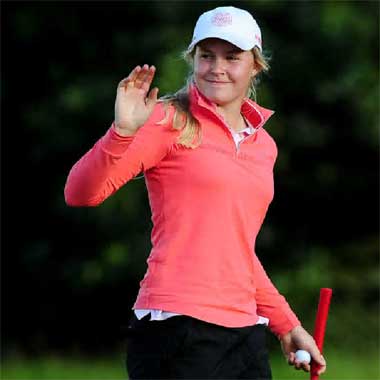
    charley_hull_1Charley Hull is currently the 34th ranked woman player in the world according to the Rolex rankings. She turned pro at the beginning of 2013 at the age of 16. She has played full time for the last two seasons on the Ladies European Tour and has received several sponsor invitations to play in LPGA events. Last year she played on the winning European team in the Solheim Cup where she became the youngest player ever (at 17) to compete in Solheim Cup competition.

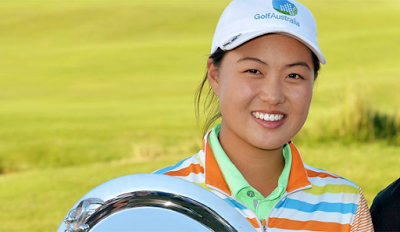
    minjee-leeMinjee Lee from Perth, Australia, is also 18 years old. She became the number one ranked woman amateur golfer in the world in February of this year after winning the Oates Victorian Open on the ALPG Tour. She had a strong finish this past summer in the U S Women’s Open and in July she played on the Australian team in the first edition of the LPGA’s International Crown team competition. She turned pro in September and earned her first check as a golfer at the Evian Championship where she finished tied for 15th place. She is currently the 79th ranked woman golfer in the world.

    Other notables to watch for at Q School…

    Stephanie Meadow from Northern Ireland: This University of Alabama grad turned pro in June, just before the U S Women’s Open. She finished 3rd and earned $271,000 in her first event as a pro.

    Ariya Jutanugarn from Thailand: She is the younger sister (19) of LPGA player Moriya Jutanugarn. She suffered a shoulder injury last year which required surgery and has limited her playing time.

    Several current LPGA players will be returning to Q School this year. They are players who did not finish the season in the top 100 on the tour’s money list and will be trying to maintain their full time playing status for next year by finishing in the top 20 at Q School.

    Among those players are Rebecca Lee-Bentham (Canada), Kathleen Ekey (U S), Chei Arimura (Japan), Vicky Hurst (U S), Lorie Kane (Canada), Meghan McChrystal (U S), Giulia Molinaro (Italy), Paola Moreno (Colombia), Ryann O’Toole (U S).

    Many players in the field will come from the Symetra Tour. They will be looking to make the big jump up to the LPGA after working for one or more seasons on the LPGA’s official developmental tour. The top 10 finishers on the Symetra Tour’s money list this season automatically earned their 2015 LPGA cards.

    The final stage of the 2014 LPGA Q School runs Wednesday, Dec. 3rd to Sunday, Dec. 7th.

    Dave Andrews, Author of Pops and SunshineAbout the Author: Dave Andrews is a Harvard-educated former television news reporter. Dave is an avid golfer who has become a fan of the LPGA and the Symetra Tour. He  is the author of Pops and Sunshine, a novel and screenplay about life on the women’s tour. The screenplay has been optioned by a production company in Hollywood. 

  • TaylorMade Introduces Tour Preferred Golf Balls

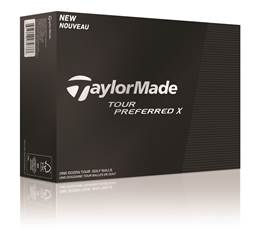
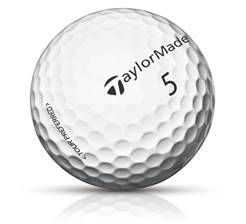
    TaylorMade Tour Preferred X Golf BallTaylorMade is making waves in the golf equipment market with their “Loft Up” message that relates to the popular SLDR driver. They also recently announced the new line of Tour Preferred irons, which should be very popular. Next up are the new Tour Preferred golf balls! The last two performance golf balls TaylorMade had to offer were good, but not really my cup of tea. The Penta TP5 spun too much and launched too high for my tastes, and the Lethal didn’t really register on the “must try” scale. The new Tour Preferred and Tour Preferred X golf balls however will be on my test list. Below is the official press announcement from TaylorMade:

    Softer and more durable cover makes new line-up the best performing
    golf balls in company history

    CARLSBAD, Calif. (January 30, 2014) – TaylorMade Golf Company, the No. 2 golf ball brand on the PGA TOUR, is proud to announce the release of Tour Preferred and Tour Preferred X: two tour-caliber golf balls that provide complete tee-to-green performance.

    After a decade of prototyping and testing with the world’s best players, the company believes the new Tour Preferred franchise is the best performing ball the company has released to date.

    “Golf ball innovation doesn’t just happen overnight. Rather, it is a series of ongoing conversation with our Tour players,” said Dean Snell, vice president of golf ball R&D. “These conversations have led to the introduction of breakthrough technologies including low drag aerodynamics for ultimate wind resistance, a five-layer construction for superior control throughout the club set and now our softest and most durable cover.”

    TaylorMade Tour Preferred Golf Ball

    Key to the performance of the Tour Preferred and Tour Preferred X golf ball line is TaylorMade’s patented and proven technologies, including:

    • REACT™ Core for greater ball speed on all shots for increased distance.
    • Spin Mantle™ designed to deliver precise and consistent spin rates on given shots throughout the bag.
    • Low-Drag Performance Aerodynamics (LDP™) A 322-dimple pattern designed to minimize distance loss on low spin shots and also maintain a penetrating ball flight into the wind.

    A new technology featured in the golf balls is Soft Tech™, TaylorMade’s softest and most durable cover to date. Made of a cast urethane, the new cover provides an even softer feel around the greens than previous TaylorMade offerings.  The Soft Tech cover will also provide higher resistance to shearing and will last longer.

    Click image to see Sergio test the new Tour Preferred X around the green

    What separates Tour Preferred and the Tour Preferred X from each other is spin. The Tour Preferred is designed for players who desire more spin in the mid-to-long iron shots. The additional spin will also promote a higher trajectory on approach shots.

    Tour Preferred X maintains the same spin and trajectory into the green as its predecessor Lethal. Unlike Lethal, Tour Preferred X promotes better green side control because of its new Soft Tech cover.

    TaylorMade anticipates that more than 80% of its tour players will gravitate to this model as they are seeking controlled iron spin, for a more penetrating ball flight.

    Click image to watch Dustin test Tour Preferred X from 150 yards

    Since their introduction on Tour earlier this year, tour players have quickly made the switch to both models including Sergio Garcia who has already won twice with the Tour Preferred X (Thailand Golf Championship in December and Qatar Masters in January). Emerging LPGA star Jessica Korda also played the Tour Preferred X in her season-opening win at the Pure Silk Classic.

    Tour Preferred and Tour Preferred X will be available at retail on March 1st at $45.99 per dozen. For more information, please visit www.taylormadegolf.com

  • The Road (Back) to the LPGA

    Symetra TourThe Symetra Tour is the official developmental tour of the LPGA. It is made up primarily of young women from all around the world who have just turned pro and are trying to make the big jump to the highest level in women’s professional golf. The tour’s official nickname is “The Road to the LPGA.” It’s the equivalent of the Triple A league in Major League Baseball.

    Each year the top 10 money earners on the Symetra Tour receive full playing status on the LPGA for the following season. In 2013 the tour might have been better nicknamed “The Road Back to the LPGA.” Only one of the 10 players that earned her playing status on the LPGA for this year’s season will be a true rookie. The other nine have made it up to the LPGA in past seasons (either through the Symetra Tour or LPGA Q School), but they did not perform well enough… make enough money… to keep their cards. Their stories point to the difficulty of making a steady (and lucrative) career as a professional woman golfer. It is very hard getting to the LPGA. It is just as hard for many to stay there.

    GiuliaMolinaroThe only true LPGA rookie out of the Symetra Tour this year is Giulia Molinaro from Italy. Molinaro, who played college golf at Arizona State University, spent just the 2013 season on the Symetra tour and finished 2nd on the money list with just under $40,000 in earnings. Molinaro has done what few players have done, going from Symetra Tour rookie to LPGA rookie in only one year. Most players spend a few years on the Symetra Tour before they are able to make the jump to the LPGA. The vast majority of Symetra players never make it to the LPGA.

    The other nine top finishers on the Symetra Tour’s money list have had LPGA status in the past. All of them had to return to the Symetra Tour last year, or for the past few years, because they lost the LPGA playing status they had gained in previous seasons either through the Symetra Tour or Q School.

    Here are the other nine players and the year (in parenthesis) that they first earned their LPGA cards.

    P.K Kongkraphan-Thailand (2013)

    Marina Alex-USA (2012)

    Christine Song-USA (2010)

    Cydney Clanton-USA (2012)

    Sue Kim-Canada (2013)

    Hannah Jun-USA (2008)

    Perrine Delacour-France (2013)

    Alena Sharp-Canada (2005)

    Jaclyn Sweeney-USA (2011)

    There will be 28 rookies on the LPGA this year. 26 of those players earned their rookie cards through the Q School process. Besides Giulia Molinaro from the Symetra Tour, teenage sensation Lydia Ko earned her rookie card by winning an LPGA event in 2013.

    Of those 26 players, just 9 earned full playing status by finishing in the top 20 at Q School. That gives them Category 12 status on the LPGA’s player priority list. They will get into all of the full field events this season, giving them a good opportunity to make money and maintain their playing status for 2015. The top 125 finishers on the LPGA money list each season are assured of playing status for the following year.

    The other 17 rookies from Q School (those who finished 21st to 44th) earned limited playing status, Category 17, which will only get them into a handful of LPGA events this year. That means they will have to take advantage of those few playing opportunities to climb up the LPGA money list, or they will have to return to the Symetra Tour or Q School. Many of those players will play primarily on the Symetra Tour this season and hope they can finish the 2014 season in the top 10 on that tour’s money list.

    Hannah YunThe story of Hannah Yun exemplifies how difficult it is for players to reach the LPGA tour and to stay there once they have. Yun, who will turn 22 in April, first earned her full status card on the LPGA at Q School in December of 2011. She had already played three full seasons on the Symetra Tour at that point without doing well enough to earn her LPGA card that way.

    The gifted teenager played a full season on the LPGA in 2012. However, like most rookies, she had a hard time competing at the top level. She made only 4 cuts in 16 events, earning less than $30,000, and finished the year 116th on the tour’s money list. She returned to the final stage of LPGA Q School in December of 2012, trying to improve her playing status for the 2013 season.

    Yun did not do well at Q School and dropped to 152nd place on the LPGA’s priority list for the 2013 season (she maintained tour status for 2013 because she had finished in the top 125 on the money list in 2012). Her struggles continued in the limited number of LPGA events she was able to enter. She missed the cut in each of the 6 events she played. Midway through the 2013 season she lost her LPGA playing status through the “reshuffle” in the priority list and she was forced to drop down to the Symetra Tour for the remainder of the year.

    Her play and results improved dramatically against the lesser competition on that tour. She had several good finishes, including a win (her first as a pro) in the Symetra Tour’s Volvik Championship in August. She finished the Symetra Tour season in 20th place on the tour’s money list. That was not good enough, however, to earn her LPGA status for the 2014 season.

    She returned to the final stage of LPGA Q School last December where she shot a 68 in the first round and was tied for 4th place early in the five-day event. But her scores went up over the next four days and she finished the event in 63rd place, not good enough to earn her any LPGA status for this season.

    So this year Hannah Yun will be playing a full season again on the Symetra Tour. Her goal is to finish in the top 10 on the money list and automatically return to the LPGA fulltime in 2015. She is not alone in her up-and-down ride in women’s professional golf. The competition is intense, and only those with strong physical skills and an equally-strong mental game last a long time on the LPGA tour.

    The LPGA schedule has grown again this year. There will be 32 events, an increase of four from 2013. The season gets underway at the end of January with the Pure Silk Bahamas LPGA Classic. For the new rookies (or any player) it is all about making cuts and earning paychecks. In professional golf that is what it’s all about. If you don’t play well, it’s back to “the minors” where the road to the top of the hill starts all over again.

    Dave Andrews, Author of Pops and SunshineAbout the Author: Dave Andrews is a Harvard-educated former television news reporter. Dave is an avid golfer who has become a fan of the LPGA and the Symetra Tour. He  is the author of Pops and Sunshine, a novel and screenplay about life on the women’s tour. The screenplay has been optioned by a production company in Hollywood. 

  • TaylorMade Introduces Tour Preferred Irons

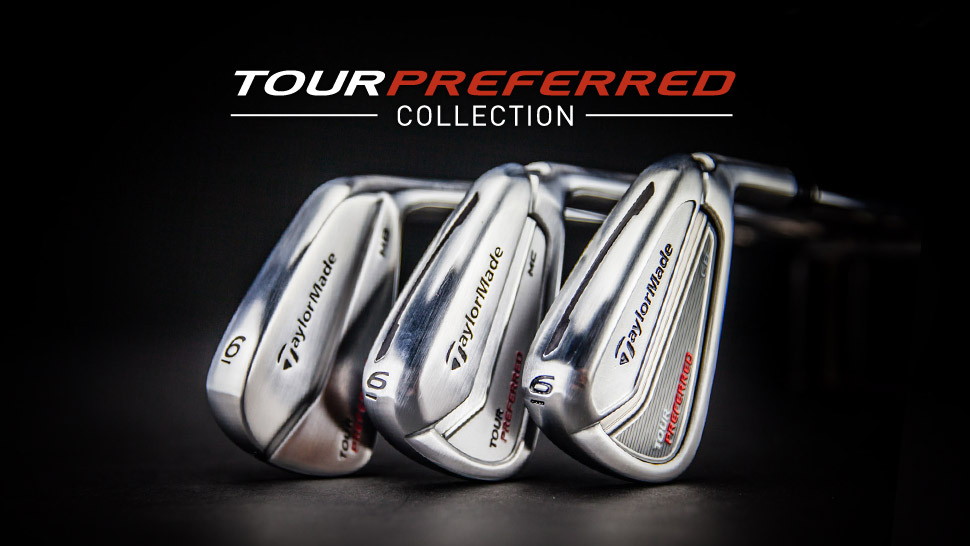
    TaylorMade Tour Preferred IronsTaylorMade is at it again. More new clubs! This time they are addressing a segment of the market that has been lacking in recent years – low handicap golfers. Large, clunky looking irons aren’t very popular with better players, and while TaylorMade will tell you their staff pros are playing the RocketBladez Tour irons, the clubs they play aren’t like the ones in the store.

    With the new Tour Preferred irons, better players now get to choose from three different iron models. I’m sure they can even be mixed and matched by the custom department for a nice combo set as well. More details to come. Here are the basics on the three new models:

    Tour Preferred CB

    The TaylorMade Tour Preferred CB iron combines a compact and elegant shape with a semi-deep cavity back for stability and forgiveness. TaylorMade says this club is a union of speed, feel, control and forgiveness in a clean design.

    Tour Preferred MC

    The Tour Preferred MC iron marries a thin topline and sole with a shallow muscle-cavity that adds some forgiveness on off center hits while preserving the soft feel of a muscle back iron. The TP MC is an artful balance of feel, power workability and stability, according to TaylorMade.

    Tour Preferred MB

    The Tour Preferred MB irons are simple muscleback blades intended for the purist. These are for the consistent ball striker who wants the ultimate in feel and shot-shaping workability.

    With a purchase of TaylorMade Tour Preferred equipment, consumers have the option to register for Tour Preferred 360. It is a consumer-minded program that will allow those golfers who have made the choice to play Tour Preferred to enjoy certain benefits (good through 12/31/15) that are normally reserved for TaylorMade’s tour players, including but not limited to:

    • Tour Preferred 360 Hotline – 855-654-TOUR (8687)
    • Annual loft/lie checks
    • Annual re-gripping
    • Access to additional content on taylormadegolf.com
    • Advanced communications on upcoming product launches

  • Masters Inspired Socks From Kentwool

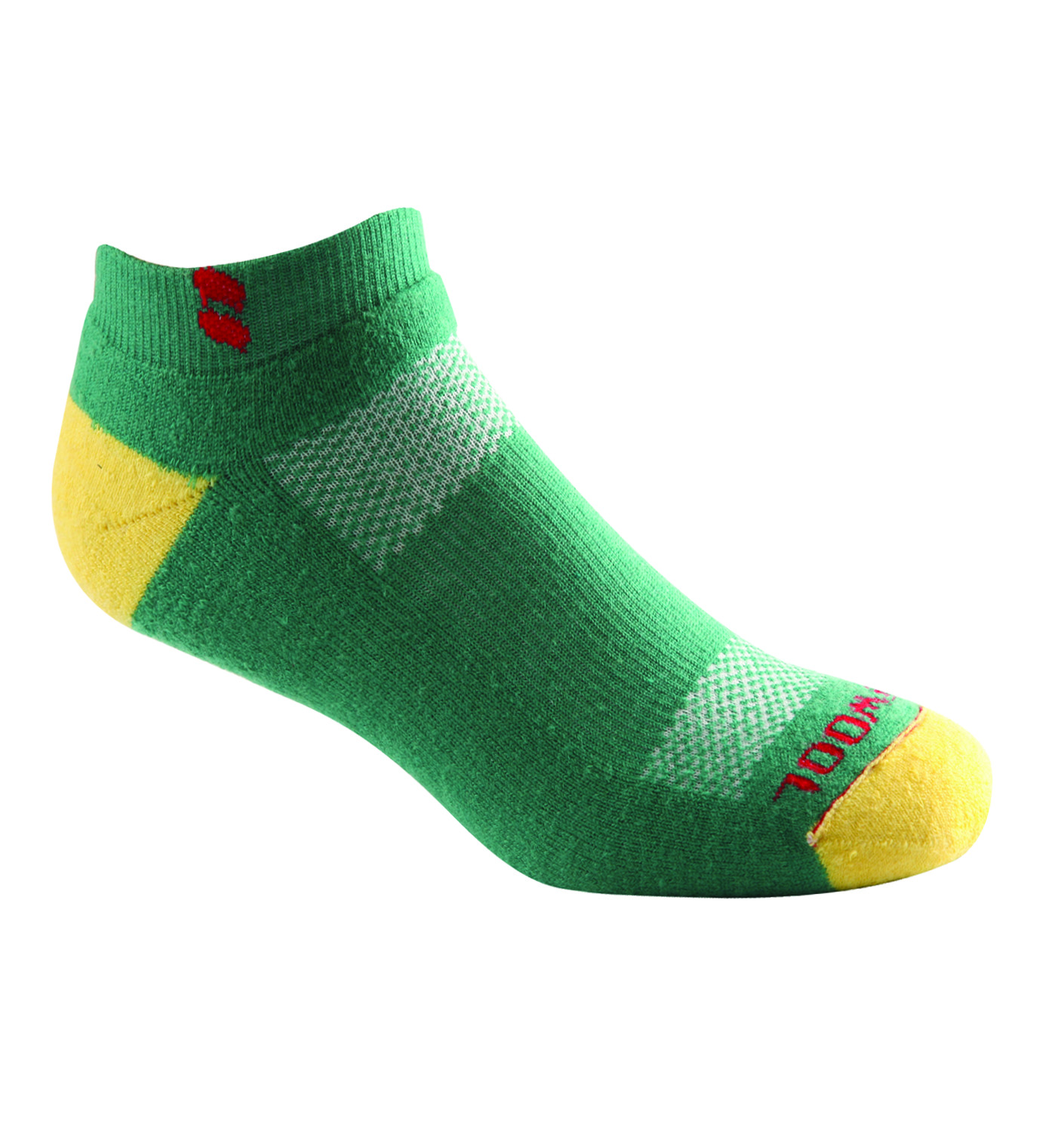
    KentwoolTourProfileGreenOrdinarily I have a hard time getting excited about something like socks, but as I’ve mentioned before about Kentwool – These aren’t ordinary socks! After getting a few pairs to try out for our initial review, I bought several more pairs and now I find that I can’t wear anything else. I wear them to work every day and to the golf course on the weekends.

    Naturally, to kick off Masters week Kentwool has brought back their soon-to-be-almost-famous Tour Profile Masters colored sock! The 170-year-old, family-owned American textile innovator will commemorate Bubba Watson’s 2012 Masters win with the return of their limited-edition Tour Profile performance sock boasting a distinctive green base color highlighted by yellow heel and toe patterns with red brand accents.

    During the 2013 Masters, Watson will once again compete in this distinctive style ($19.95) that will be available through May 15 while supplies last at www.KENTWOOLSocks.com. Crafted from a proprietary blend of fatigue-reducing merino wool and high-tech fibers for superior moisture management, the socks are Made in the USA and come with a 100 percent blister-free guarantee.

    “This style became a sensation last year following Bubba’s historic performance and sold out quicker that we ever expected,” says Mark Kent, CEO and President of KENTWOOL. “With there being so much pent-up demand, we wanted to once again offer our loyal customers a chance to ‘Rock the Socks’ with a pair of their own.”

    In addition to Watson, Kentwool socks are trusted by many PGA Tour players, including Matt Kuchar, Jonathan Byrd, Ryann O’Toole, Peter Jacobsen, Duffy Waldorf, Brendon de Jonge, Tom Gillis, Jane Park, Catriona Matthew, Charles Warren, Kevin Johnson, Kristy McPherson, Shasta Averyhardt, Jenny Suh, Sarah Kemp, Jenny Gleason, Meaghan Francella and Jenny Hong.

    For more information: www.KENTWOOLSocks.com, 1-877-5-PROSOX (1-877-577-6769).

  • Premium 3 Wood Shootout

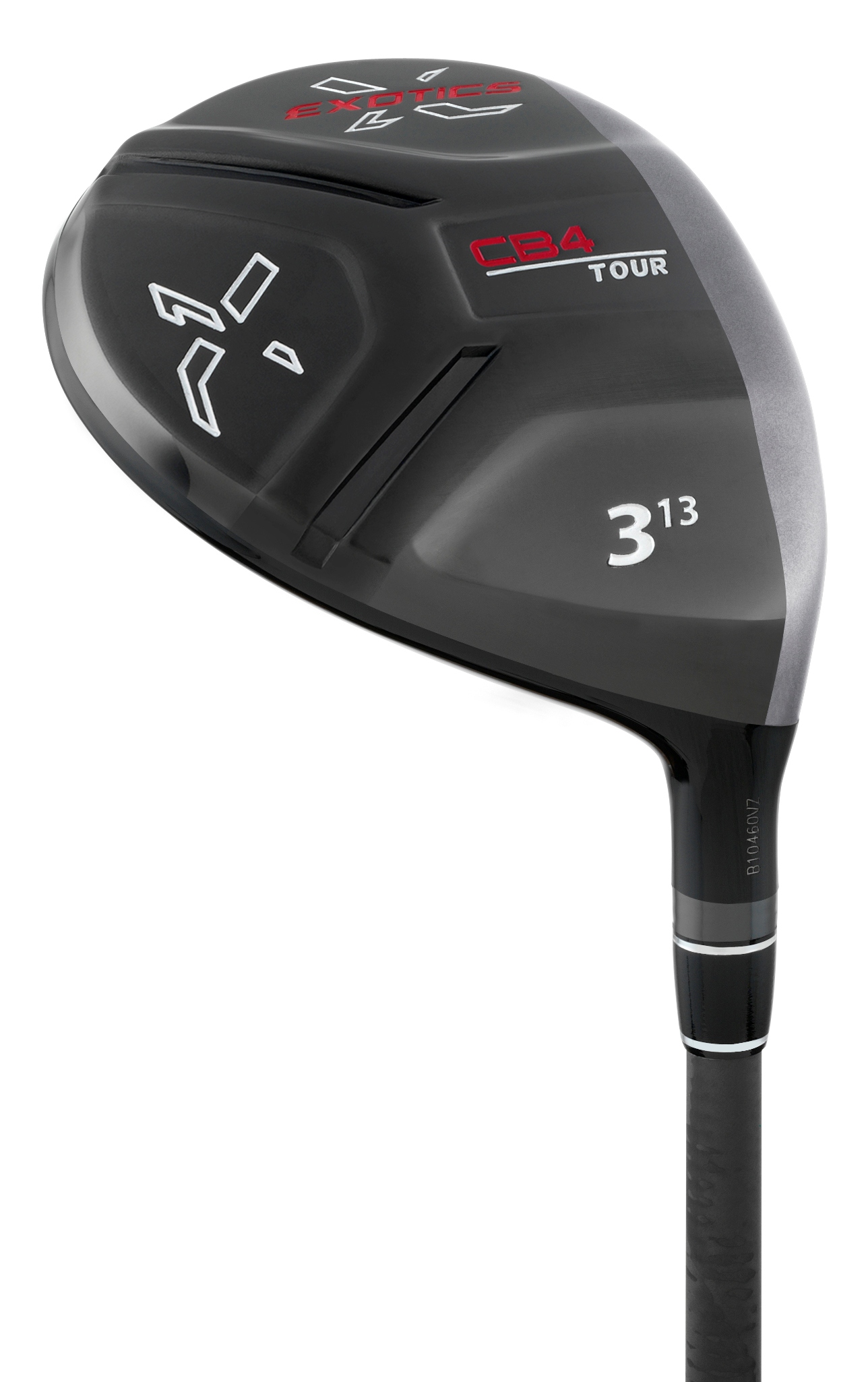
    Exotics CB4 Tour 3-WoodFor a while I’ve been searching for a replacement for my current 3-wood, which is an Adams RPM LP Tour Prototype with 13 degrees of loft, fitted with the awesome Fujikura Rombax 7W06 shaft. It is over five years old, but I have yet to find a club that can beat it. I put it in play at a US Open Qualifier 3 years ago and haven’t even thought about changing it until this year. Considering I picked it up for only $40 on eBay, I would say I got my money’s worth. I set out to test three new fairway wood models designed for better players in an effort to find the successor to the 3-wood throne in my golf bag. After several rounds and hundreds of range balls, I think I finally have a winner.

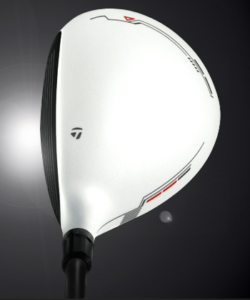
    Over the summer, I traded in a hybrid I won at a tournament for a Taylor Made R11 TP 3-wood, intending to sell it. When the buyer backed out I decided to give it a shot. It has 14 degrees loft and a Fujikura Motore F3 80x shaft. For the testing, it was set up neutral on the FCT adjustable hosel. I recently received the Tour Edge Exotics CB4 Tour 3-wood (15 degrees, Aldila RIP Sigma X-Flex) for review, and Nike Golf sent me their new VR Pro Limited Edition 3-wood (also 15 degrees, Diamana ‘Ahina, X-Flex) at the same time, so I decided to test the Exotics and Nike head-to-head with the Taylor Made. As a control, I used my trusty old Adams.

    Nike VR Pro Limited Edition 3-Wood All 3 clubs are fitted with high quality shafts, and all 3 are very solid feeling clubs. I didn't notice any measurable distance advantage with any club, but I would need to use a launch monitor to be sure. My Adams went the furthest, but that's because it has less loft than the others and I'm more familiar with it, having it in my bag for over 3 years. The Nike VR Pro Limited edition ($229 street price) and Exotics CB4 Tour ($299 street price) produced a mid-level ball flight that balloons just a tiny bit, but it’s predictable. The Taylor Made R11 TP ($299 street price) flew a bit lower with no ballooning (likely due to a stronger shaft and slightly lower loft). All 3 clubs are workable both ways, and they work well from a variety of lies. The Taylor Made tends to dig a bit and take a small divot, where the others glide over the turf. That is undesirable, and sometimes leads to fat shots and pop-ups. Both the Exotics and Nike look great, with no extraneous marks or graphics, but the Taylor Made is a bit distracting with the white paint, logo and pin stripes on the crown of the club. I’m not a big fan of the White clubs, but if they perform I can overlook it. For the most part, adjustable clubs seem like a marketing gimmick to me, but I really like the ability to adjust the club open or closed with the sole plate of the Taylor Made without having to remove the shaft. The adjustable FCT hosel has settings for lower or higher loft, but this is misleading. (See my note below for an explination) The Nike looks very clean and sharp, and the graphics and sole design are attractive. The all black head and shaft of the Exotics is very cool. I think if Darth Vader played golf, he would probably have this club in the bag. Taylor Made R11 3-Wood All three clubs sound great at impact but the Nike’s metallic click sounds the most like my gamer, so it wins the acoustic battle in my mind. However, some may prefer the CB4 Tour’s titanium click sound, which is a little higher pitched than the metal heads of the others. NOTE: Adjustable TaylorMade Woods & Dynamic Loft The TaylorMade R11 TP 3-wood features an adjustable design, allowing a player to adjust the club for lower, standard or higher loft. You can also adjust the sole plate to alter the face angle of the club. In theory this means the R11 can play at 13, 14 or 15 degrees of loft, but the way they achieve this is a bit confusing. Allow me to explain - When setting the R11's FCT hosel to the "lower" setting you think you are reducing the loft of the club from 14 to 13 degrees, but really what you are doing is simply opening the face angle of the club 2 degrees. Using an oft misunderstood concept called dynamic loft, when you open the face of a driver or fairway wood by two degrees and the club returns to the ball square, the resulting loft at impact will be about one degree lower, thus theoretically producing a lower ball flight. Conversely, if I set the club to the "higher" setting all I'm really doing is setting the clubface two degrees closed. When I make a swing and return the clubface back to the ball with a square face angle, the result is a higher dynamic loft of one degree and a higher ball flight. This is one reason why those closed faced, offset, slice-fighting drivers always seem to hit the ball so high. Since the sole plate of the R11 TP can also adjust the face angle of the club at address, you can create a paradox. For example - If you set the hosel on "lower" (open face) and set the sole plate to closed, the club will sit perfectly square, exactly the same as the neutral position. I can also set the sole plate to open, and the FCT hosel to "higher" (closed) and it is the same as the previous two settings. Perfectly square. The two adjustable features can cancel each other out, not affecting ball flight at all. Are you confused yet?
    Conclusions

    On the range and over the course of several rounds, I found every one of these clubs worthy of going in the bag, but in the end the Exotics beats the Nike by a slim margin. If price is a big factor for you, you may want to consider the Nike. The Taylor Made is a good club and performs well, but it was third in this test. A representative from Taylor Made told me their Superfast fairways would have fared better, so we'll revisit when I can test the Superfast. Don't feel too sorry for TaylorMade just yet, because the R11 (and R11 TP) Driver is one of the best on the market, and worth a hit for anybody. Here are my final notes:
    • The Exotics CB4 Tour has an edge in forgiveness over the Nike and Taylor Made, making it appealing to a broader range of players.
    • The Nike is the cheapest by $70, but the loft options are limited to 15 or 19 in the Limited Edition. You’ll have to buy the regular VR Pro to get the 13 or 17 degree lofts.
    • The Taylor Made is ugly. I like a clean, simple look. The the color, graphics and FCT hosel of the R11 TP makes this the ugly duckling of fairways.
    • With the option of all three clubs in my bag on the range, more people reached for the Exotics CB4 Tour first. Nuff said.

    Subscribe to our email updates! You'll get the latest fresh news, reviews and stories delivered right to your inbox or RSS reader, and automatically be entered in our latest contests and giveaways! We are 100% SPAM FREE! Also, don't forget to check in with our Facebook fan page for exclusive content and get involved by leaving us comments on what you think!

  • Tour Striker – Review

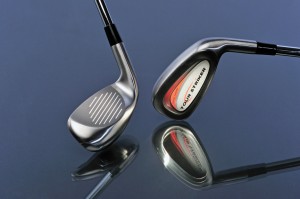
    Tour StrikerHere at intothegrain.com, we get plenty of training aids and swing gadgets to try out. Some of them work great, and others… not so much. When I first saw the ads for the Tour Striker I thought it would be just like many golf training aids that claim to fix your swing, so I paid it no real attention. Then, at the PGA Merchandise Show and Demo Day at Orange County National in Orlando I got to actually try it, and my impressions changed. A friend of mine happened to be a rep for Tour Striker and I was able to bring home a few units to test out for this review.

    There are several models of the Tour Striker available. The regular Tour Striker is targeted for mid-to-high handicap golfers and slower swing speeds (under 90 mph with driver), while the Tour Striker Pro is generally geared for players with higher swing speeds and a handicap of 10 or less. There is a Tour Striker for women and younger players also, with a graphite shaft that is slightly shorter (35 inches vs. 36 inches) which is more appropriate for women and juniors. The last model, and the one I was most interested in is the Tour Striker Pro X. This model is basically the same as the Tour Striker Pro, but the sweet spot is only the size of a quarter. This one is designed for low handicap golfers who want a real challenge. More specifically, there are 6 models available: The Tour Striker 8 iron, the Pro 7 iron, Pro X 7 iron, Pro 5 iron, 56 degree wedge and Tour Striker Ladies/Junior. The Tour Striker sells for $119.99 for graphite and $99.99 for a steel shaft.

    Tour StrikerSo what’s the big deal with the Tour Striker? If you’ve seen their commercials on the Golf Channel, you know that the concept behind this training club is to promote forward shaft lean at impact, which produces a descending hit, a boring trajectory and the solid strike that is desired by touring pros and top amateurs. If you watch good players and pros, they all swing with the hands leading the club. To help train the golfer in producing this impact position, the Tour Striker was designed with the leading edge of the club raised up a half inch or more from the bottom of the club. From this design came a club in which the only way to get the ball airborne is to use a descending hit with the hands ahead of the club, so that the leading edge is lowered to get under the ball. If the required swing is not made properly, you’ll hit the ball with the bottom of the leading edge, producing a rolling dribbler that resembles a topped shot.

    .

    Now that you know what the concept is behind the tour Striker, does the thing work? Yes! I went to the range to give it a try in the hopes of not making a fool out of myself in front of the other golfers. I brought the Pro 5 iron and the Pro X 7 iron to try out. After a warm up with my own clubs I started with the Pro 5 iron. Setting the Tour Striker down behind the ball is strange, because it’s not like any other club I’ve hit before. It’s also intimidating with the raised leading edge. Initially hitting shots with the Pro 5 iron wasn’t too hard, but I had to make sure I made a good swing to make solid contact. I’m a plus handicap player, so leading with the hands is a natural move that I make already. This made hitting the Pro 5 iron relatively easy. However, you still have to be on your toes when hitting the Tour Striker. Making a swing that would produce a thin shot with a normal club instead results in a low worm burning roller that is sure to turn heads. You must hit down on the ball to get a good result.

    Tour Striker Pro X 7 ironAfter having success with the Pro 5 iron, I moved on to the Pro X 7 iron (shown at left) with a good deal of confidence. Setting the 7X down behind the ball, I noticed that the quarter-sized sweet spot seems much smaller when you set it down behind the ball. Clearly this model was designed for players who make consistent contact. Confident but apprehensive, I made a few swings. Of the first four balls I hit, 1 of them got airborne. The Tour Striker Pro X 7 iron is no joke. You have to make a good swing with a descending blow and manage to hit a tiny sweet spot to get the ball in the air. I found shots hit just a bit on the heel curved way left. Solid shots flew high and straight, like a normal 7 iron would. I found the best way to use this club was by hitting a few balls with the Tour Striker, then switching to my normal 7 iron for a few, then back and forth. Once you get in a groove with the Tour Striker, it’s a pretty good feeling.

    The Tour Striker is cast from 431 steel and should last a long time. They are available in steel and graphite shafts. The stock steel shaft was more than adequate for my use, but if you are serious about using the club extensively in your practice, I would suggest having the club re-shafted with the same shaft and stiffness as your irons and bent to your specs for lie angle also. In summary, of all the swing aids and training devices I’ve ever tested, this may be the best. The Tour Striker is simple to use, easy to carry with you, doesn’t need batteries or a computer to work and provides instant feedback on good and bad swings alike. Perhaps the best selling point for this training aid is the fact that everywhere I play people are always reaching into my bag to try it out. I play golf with players ranging from high-handicap amateurs to touring pros, and they all enjoy testing themselves with the Tour Striker.

    I recommend the Tour Striker to all levels of golfers, but those who will benefit the most from it are mid to high handicap players. This level of golfer have not yet learned to hit the ball with a descending blow and lead with the hands, and the Tour Striker is ideal at showing you how to produce this impact position in real time. There is a model available for all abilities too. Beginning golfers can start with the Tour Striker 8 iron, and work up to the Pro X 7 iron for the maximum challenge. Through their affiliate program, readers interested in purchasing a Tour Striker can use the following link to the Tour Striker Store, or simply click on the banner below.

    .

    Subscribe to our email updates! You’ll get the latest fresh news, reviews and stories delivered right to your inbox or RSS reader, and automatically be entered in our latest contests and giveaways! We are 100% SPAM FREE! Also, don’t forget to check in with our Facebook fan page for exclusive content and get involved by leaving us comments on what you think!

  • Callaway Tour i(s) Golf Ball

    Callaway has a new golf ball called the Tour i(s), and from the immediate success it has seen on tour, it will be a hit. Just ask Ernie Els and Ryan Moore; using the new ball, they finished second and third this past weekend at the WGC HSBC Masters in China, behind Callaway staff player Phil Mickelson, who is still using the Tour ix. “I started playing a new golf ball that Callaway made,” Els said. “This is what I’ve been looking forward to, is this golf ball. It would have been unbelievable if I could have won with this ball. It would have been great for Callaway and myself. I’m looking forward to the future now, and I think my equipment is now spot on.”

    Many companies have been researching and testing new golf balls for their tour players in response to the groove rule change that goes into effect on January 1, 2010. Since the groove placement and shape is being reduced, players are looking for a way to maintain high spin without losing distance. Taylor Made has released the new five piece Penta golf ball, and now it seems like Callaway has answered with the new Tour i(s) ball.

    I played 18 holes with the new Tour i(s) ball recently. It was a cold and windy day at Falcon's Fire Golf Club in Orlando Florida, a day after the close of the PGA Merchandise Show, but we braved the elements in the service of our readers! OK, and because we're kind of nuts too.

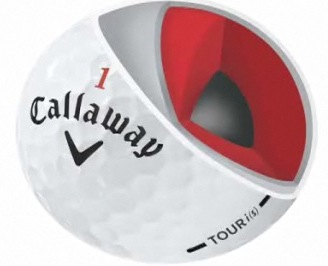
    Callaway's vice president of ball R&D, Steve Ogg, called the Tour i(s) the most highly-engineered golf ball product they have ever come out with. Using four piece construction, it is the softest ball they have ever developed. To increase performance, the new ball features a large degree of spin separation. What this means is the inner core and outer core work together on certain types of shots to reduce or increase spin. For example, on a driver swing, the force of the shot compresses the very soft inner core of the ball, reducing spin. On an iron shot, the force of the shot reacts with the harder outer core, producing more spin for greater control. The result, according to Callaway, is a ball that is much softer with higher spin than anything they have ever offered without losing any of the distance as compared to the Tour i and ix. Callaway Tour i(s)My first impression of the ball was that even in 50 degree temperatures, the ball felt very soft off the putter. It's very similar in feel to the Titleist Pro V1. What I don't like about the V1 is it's durability (or lack thereof) and the performance in the wind. The Callaway performed beautifully in the windy conditions that day, which was a bit of a shock. Usually a soft, high spinning ball will have a tendancy to balloon into the wind, but the Tour i(s) was solid and stable into the wind, and in cross winds the ball doesn't budge! I hit many a solid iron shot that simply didn't drift towards my target as I expect in a cross wind. This ball likes to fly straight when hit crisply. I also expected a ball this mushy feeling not to go, but that wasn't the case either. This ball flew as far as any other ball I hit against it, including my current gamers, the Srixon Z-Star X Tour Yellow. Callaway seems to have been able to combine a soft feeling, high spinning ball without sacrificing distance or wind stability. It's early adoption on tour suggests it has a winner on it's hands, and my play test with it in the strong winds and on firm greens confirmed that this golf ball is indeed a winner. In fact, I'm seriously considering switching to it. I'll have to do some more testing to be sure though. The Callaway Tour i(s) will be available in mid-January 2010 for about $43 per dozen.

    Want to win free stuff? Subscribe to our email updates! You'll get the latest fresh news, reviews and stories delivered right to your inbox or RSS reader, and automatically be entered in our latest contests and giveaways! Also, don't forget to check in with our Facebook fan page for exclusive content and get involved by leaving us comments on what you think!