Tag: golf travel

  • Swing into Spring at These Southeastern Golf Destinations

    Swing into Spring at These Southeastern Golf Destinations

    While the blooming dogwoods and azaleas of the Southeastern U.S. and the 2021 Masters are behind us, the golf season is just getting started. And oh, what a season it is shaping up to be.

    Golf participation surged in 2020 as avid golfers played even more golf, new players were introduced to (and stuck with) the game, and an influx of juniors has the future of the game looking brighter than ever. And if 2020 was the year for playing golf around town, 2021 is looking like the year to grab the clubs and hit the road.

    Fortunately, this golf-rich region serves up some of the best golf destinations the country has to offer. Here’s a sampling of top shelf resorts from the land of BBQ, bourbon and college football.  

    Florida

    Innisbrook Golf Resort –Innisbrook’s Copperhead Course is a favorite among PGA TOUR pros, and it’s also one of the most difficult on the circuit. This highly amenitized resort west of Tampa on the Gulf of Mexico houses four courses along with a variety of rooms, suites and vacation rentals.

    PGA National Resort and Spa – Palm Beach County is a hotbed of golf, and it doesn’t get any hotter than PGA National Resort and Spa, home of the PGA TOUR’s Honda Classic. Five courses, including the Jack Nicklaus designed Champ, await golfers willing to test their mettle against this tournament tested venue.

    PGA Golf Club – The flagship public property of the PGA of America, PGA Golf Club is a 54-hole golf panacea with a world-class practice range, short game area and short course. Catch a bite to eat in the Taplow Pub and stay a few nights in the adjacent Perfect Drive Villas or neighboring Hilton Garden Inn.

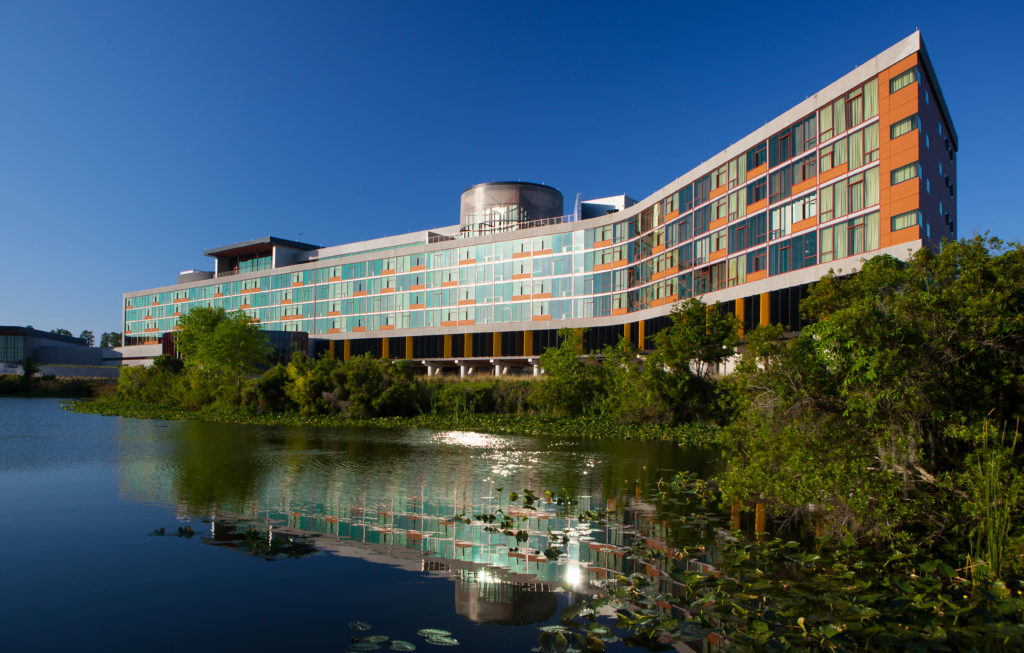
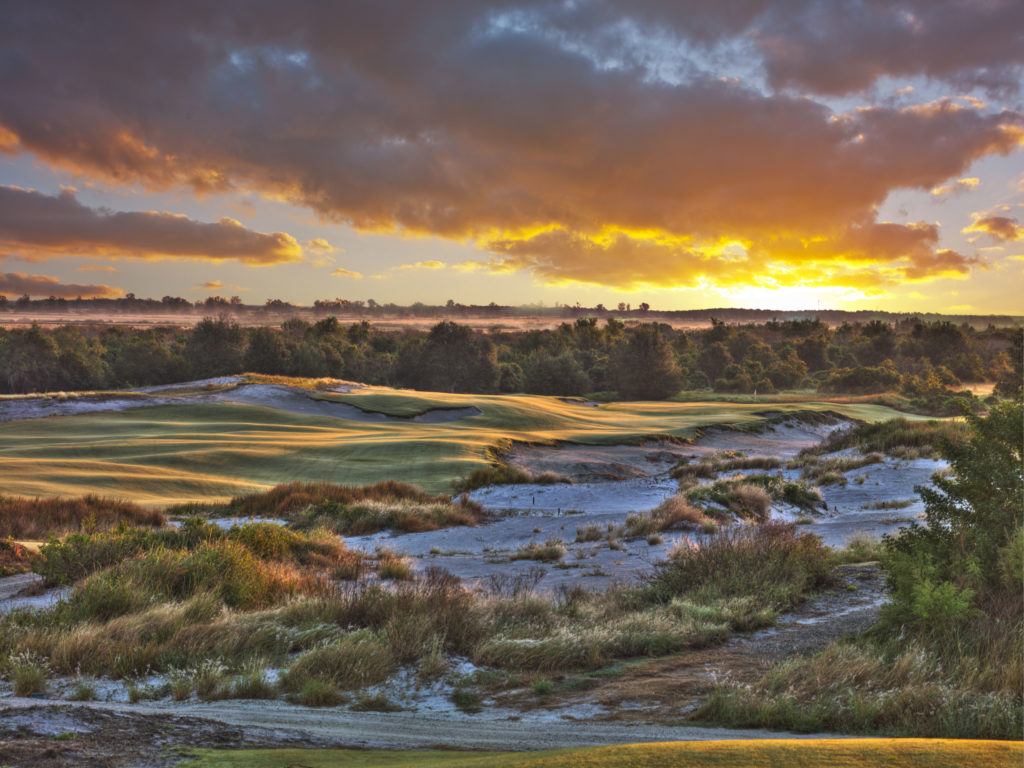
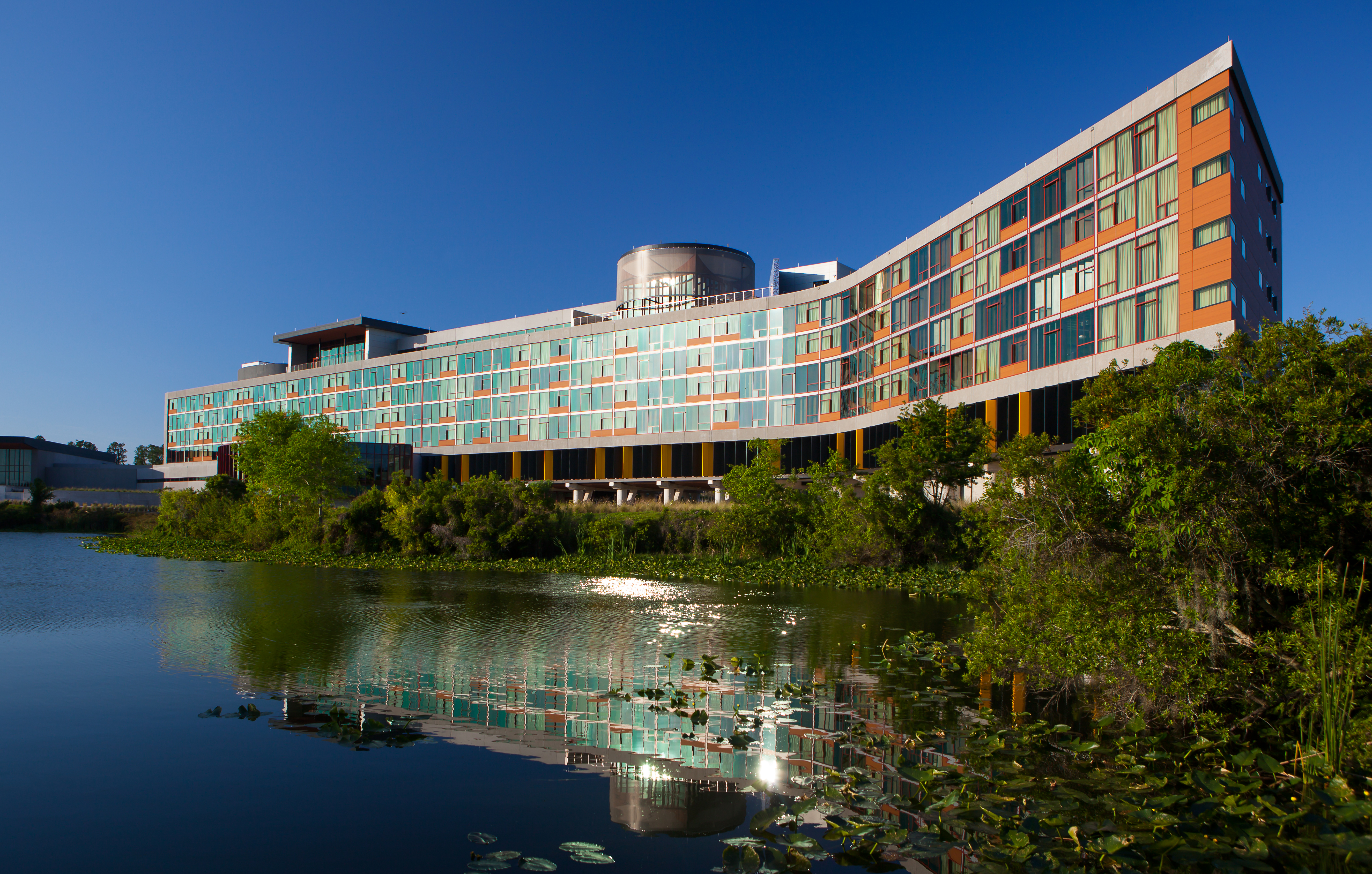
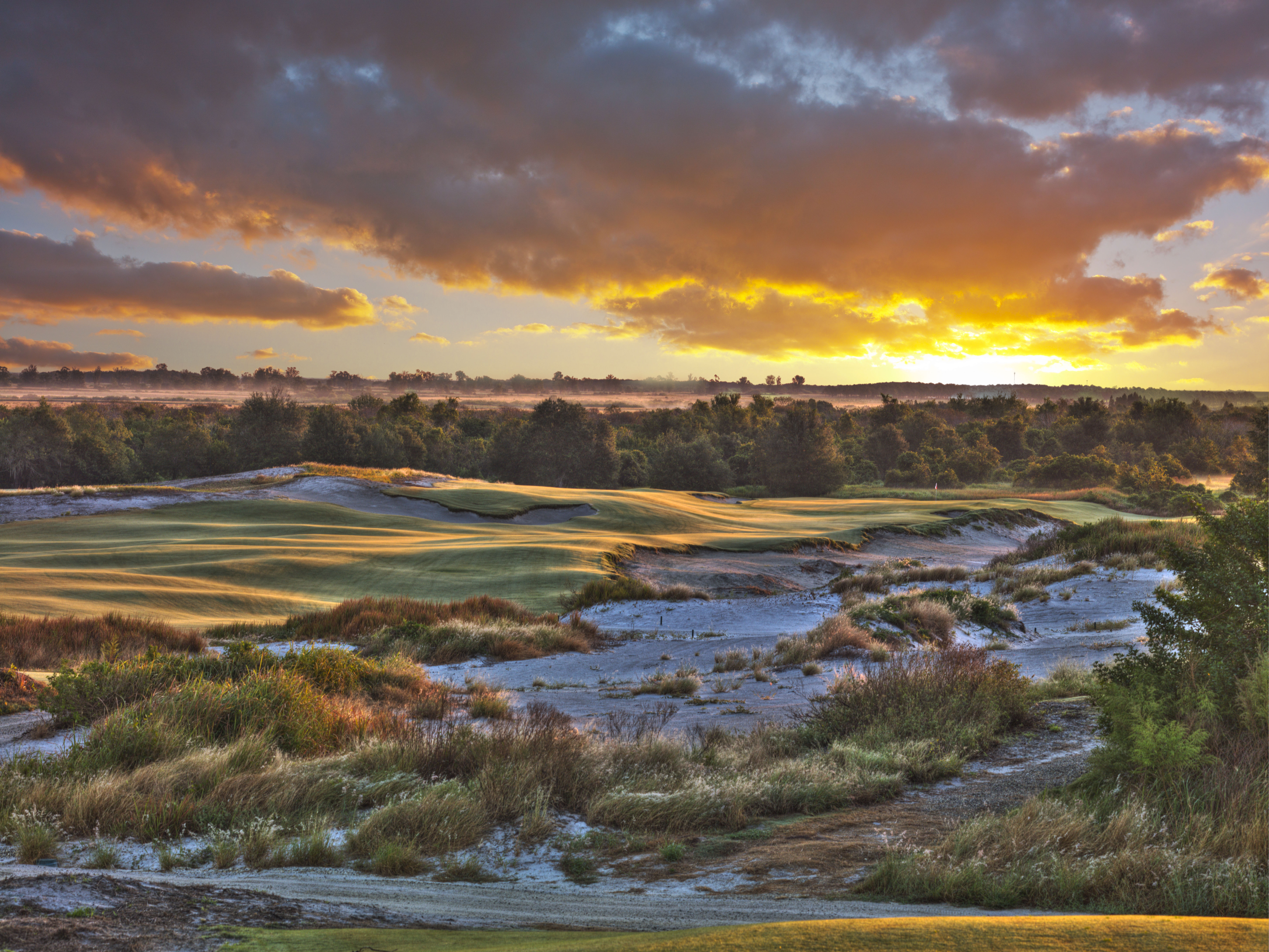
    Streamsong Resort – One of Florida’s newest golf resorts got even newer with the opening of its Gil Hanse-designed Black Course in 2018. The resort’s Red and Blue courses have also quickly moved atop the national rankings, and the Streamsong Lodge is the perfect place to kick back and relax, post round.
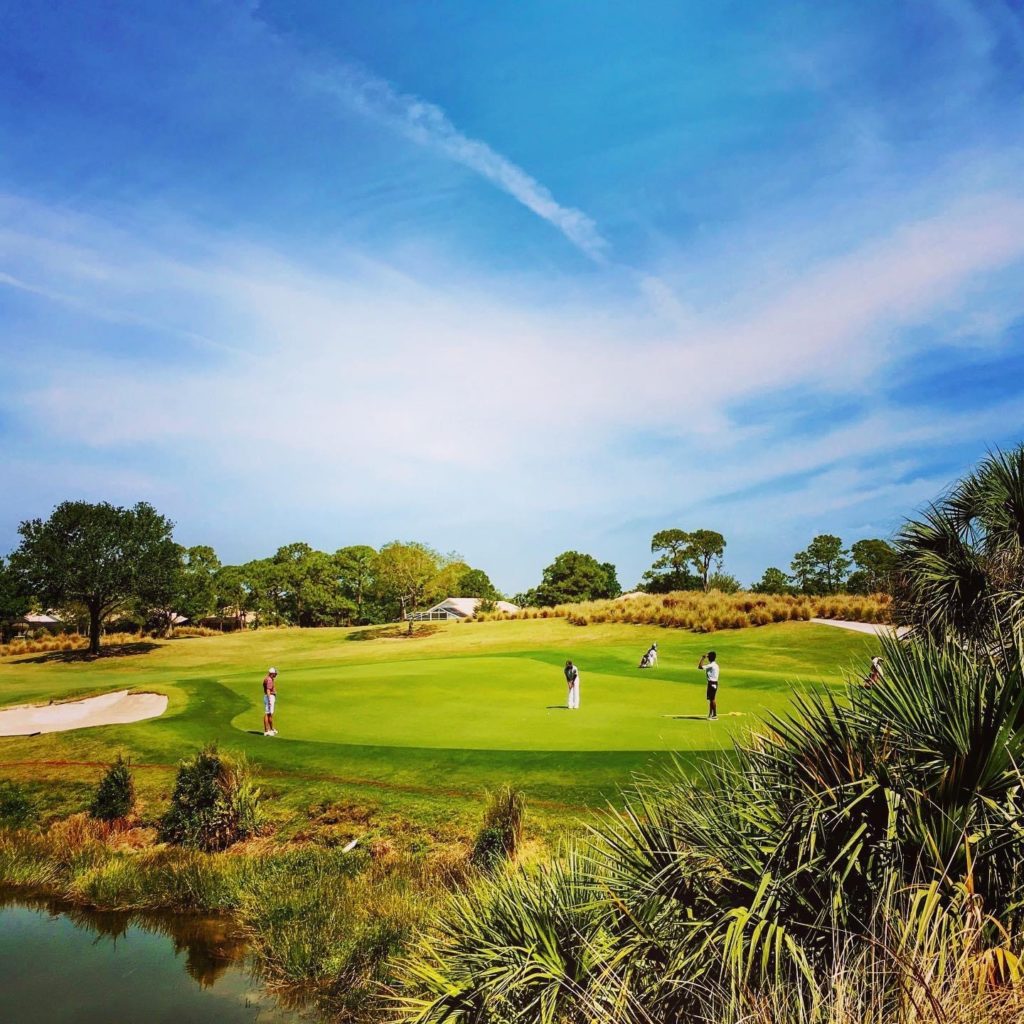
    Georgia

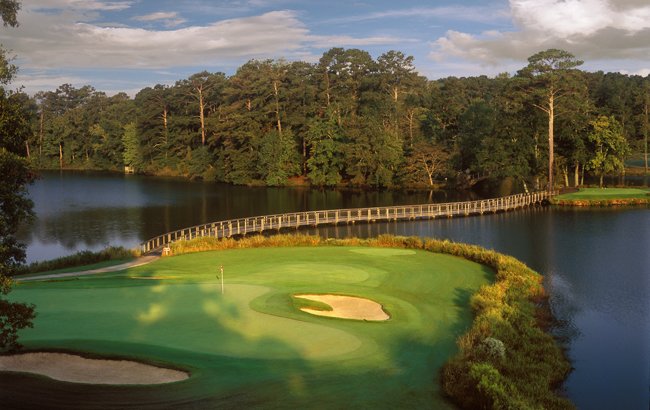
    Callaway Resort and Gardens – Golf may not be the first thing that comes to mind at this famous water-skiing stronghold, but the 18-hole Lake View and Mountain View Courses are a couple underrated gems. Golfers can chose from the AAA Four Diamond Lodge, cottages or villa accommodations.

    Reynolds Lake OconeeReynolds Lake Oconee is to Georgia as Pinehurst Resort is to North Carolina. That is to say, a seemingly endless supply of golf in the form of six highly-ranked layouts designed by Jack Nicklaus, Tom Fazio, Rees Jones, Bob Cupp and Jim Engh. Lodging ranges from cozy cottages to the luxurious Ritz-Carlton, Lake Oconee.

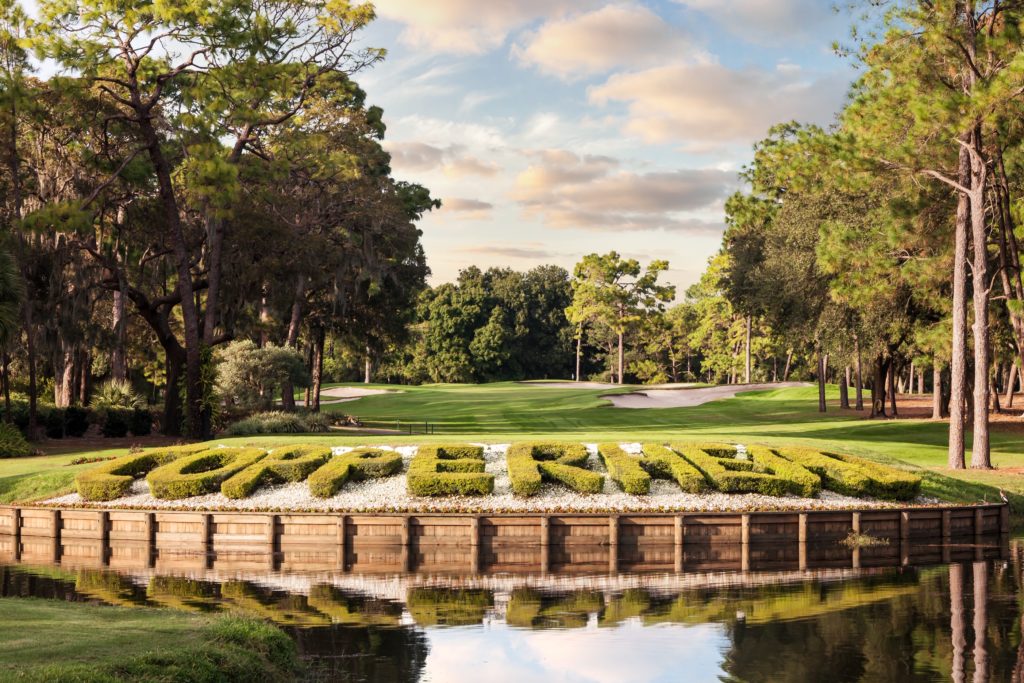
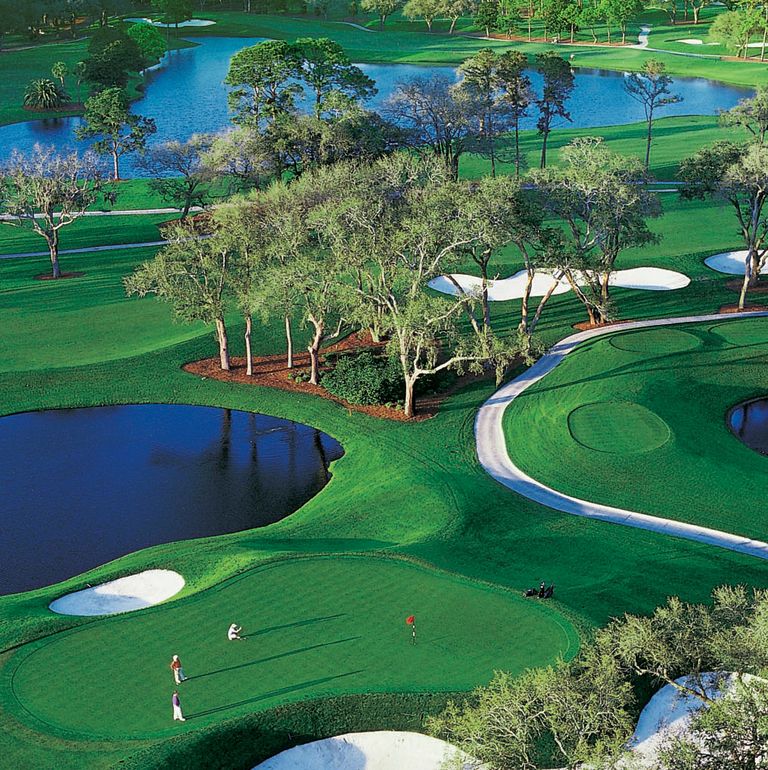
    Sea Island Resort – While Georgia is better known as the home of The Masters, the RSM Classic at Sea Island Resort is a PGA TOUR player favorite. So much so, several pros make their home at this golf haven on Atlantic. The Seaside Course is a Tom Fazio redesign perched hard on the Atlantic, the Plantation Course was recently renovated by natives Davis and Mark Love, who also recast the Retreat Course in 2001.
    North Carolina

    Grandover Resort – Golfers need only veer off I-85 in Greensboro to access this 36-hole collection designed by Gary Panks. A full-service onsite hotel offers all the accoutrements, from casual and fine dining to a spa and fitness center.

    Pinehurst Resort – Nine 18-hole courses, including the famed No. 2, frequent U.S. Open host course, make Pinehurst Resort the largest golf resort in the U.S. Golfers also love The Cradle, a nine-hole short course designed by Gil Hanse, and Thistle Dhu, a 75,000 square-foot putting course. Golfers can choose from three hotels, including the recently renovated Manor Inn, just a short walk to the new Pinehurst Brewing Co.

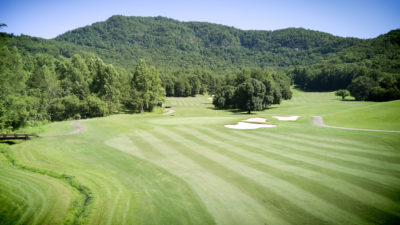
    Rumbling Bald – Spring in Western North Carolina means mountain golf and Rumbling Bald along scenic Lake Lure obliges with two 18-hole tracks, Apple Valley and Bald Mountain, designed by W.B. Lewis and Dan Maples. Spacious vacation rentals are available for stay-and-plays, and the lake offers endless off-course activities.
    South Carolina

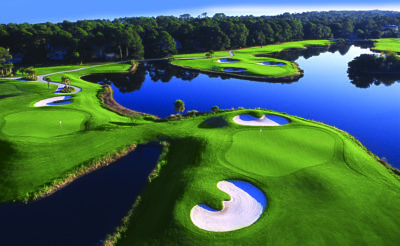
    Cherokee Valley Course and Club – Upstate South Carolina’s premier golf destination, Cherokee Valley is home to a P.B. Dye mountain-style layout, on-site cottages and a brand-new casual dining restaurant, Core 450. Get game ready at one of South Carolina’s most expansive practice facilities.

    Kiawah Island Golf Resort – For golfers who want to play where the pros play this year, Kiawah Island Golf Resort’s Ocean Course is hosting the 2021 PGA Championship in May. If Pete Dye’s diabolic oceanside layout it too tough to tackle, four other 18-hole courses adorn this majestic barrier island near Charleston. Catch a good night’s rest at the Sanctuary at Kiawah, a AAA Five Diamond hotel.

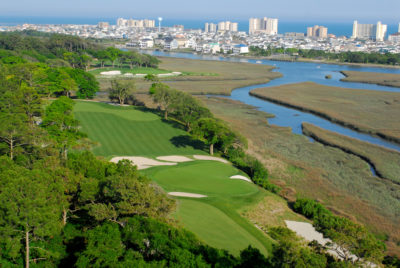
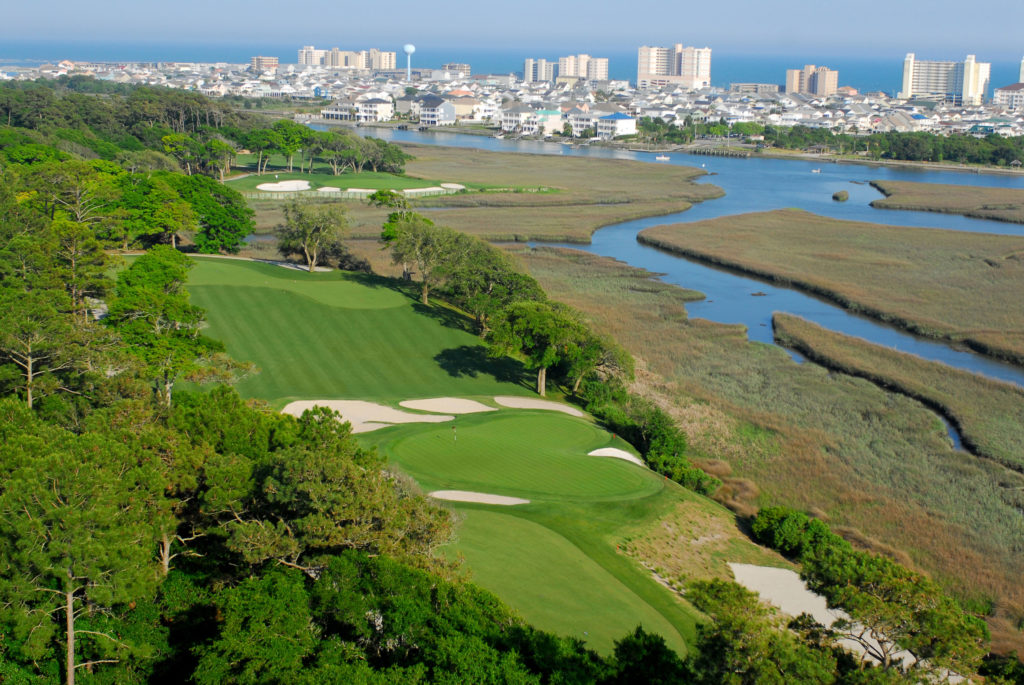
    Myrtle Beach – While it’s not a resort, per se, the Grand Strand one of the world’s most iconic golf destinations. Accommodation options are limitless, and lineup cards can be filled with vaunted venues like Tidewater Golf Club, Grande Dunes Resort Course, King’s North at Myrtle Beach National, Caledonia Golf and Fish Club.

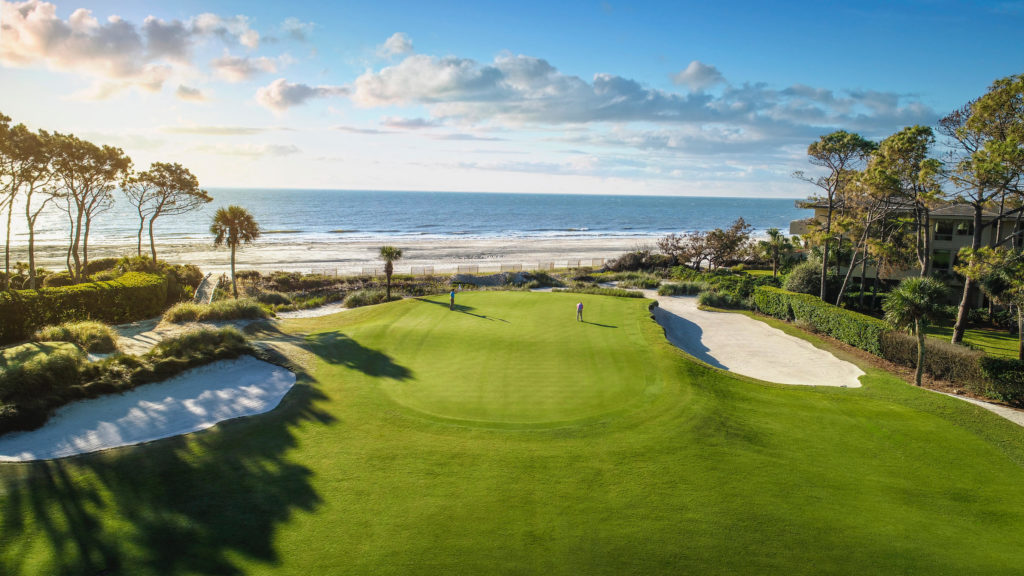
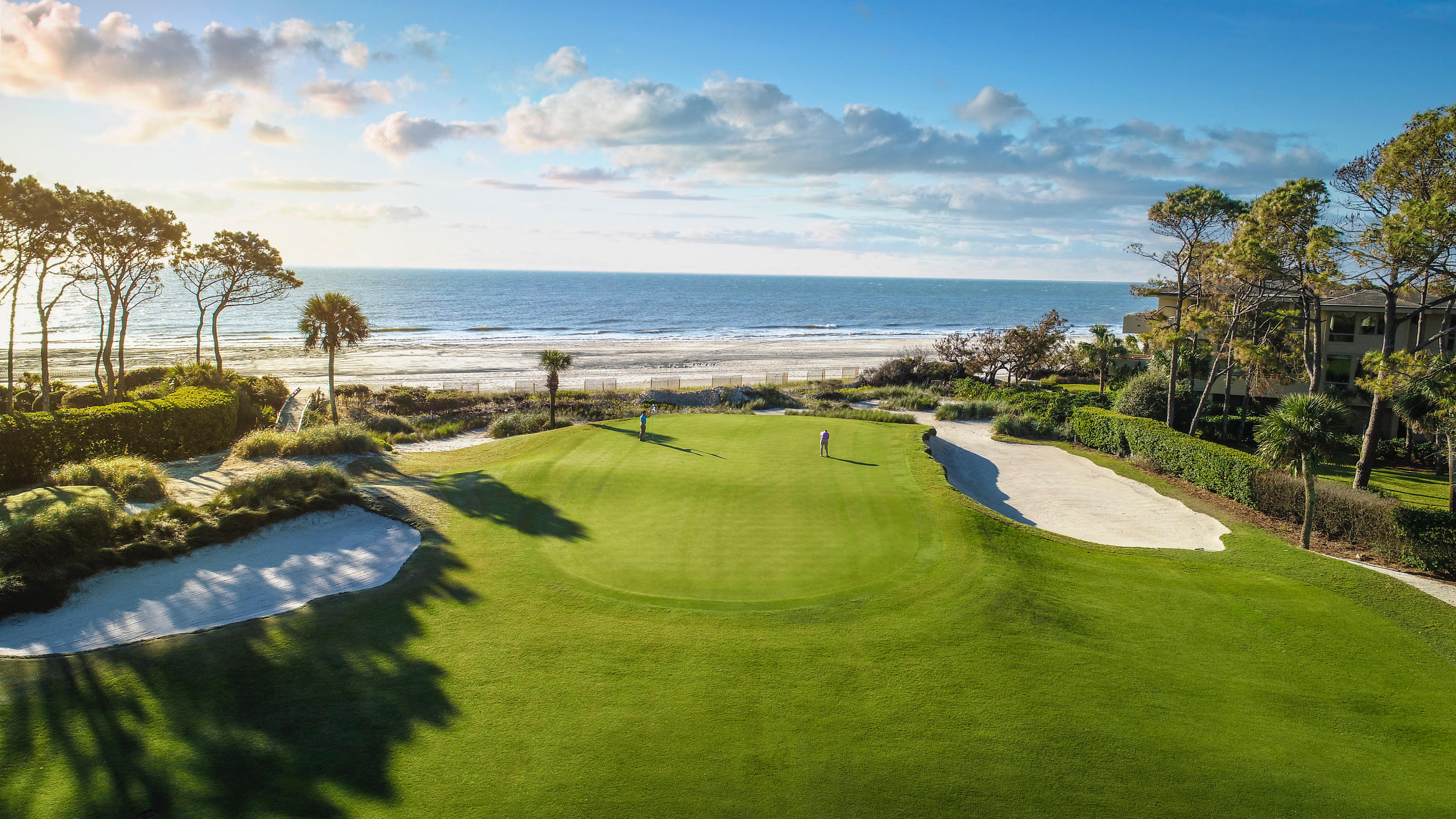
    Palmetto Dunes Oceanfront Resort – Hilton Head is known as “Golf Island,” and the three brawny layouts at Palmetto Dunes are a big reason for that moniker. The Robert Trent Jones features one of the island’s only oceanfront holes, and the George Fazio and Arthur Hills courses round out the bill. Golf groups love the popular “Birdies and Beer Getaway” and the resort’s comfy vacation rentals.

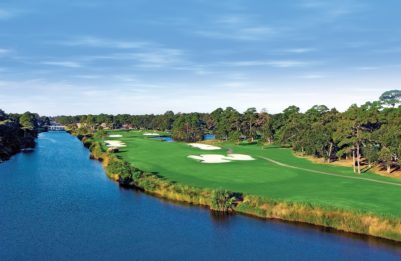
    Sea Pines Resort – Settled along Hilton Head Island’s south end, The Sea Pines Resort is home of the PGA TOUR’s RBC Heritage tournament and famed Harbor Town Golf Links. Two other championship caliber tracks reside inside the gates, Heron Point by Pete Dye and Atlantic Dunes by Davis Love III. The Inn and Club at Harbor Town is just a pitching wedge from the clubhouse and the famed Yacht Basin is a short jaunt away.
  • Destination: Hilton Head Island

    Destination: Hilton Head Island

    When it comes to golf getaways, Hilton Head still holds its own with any golf destination in North America. More than $200 million has been invested in upgrading “Golf Island’s” hotels, resorts and golf courses over the past decade.

    There are more than 30 courses clustered within the island’s 70 square-miles and sprinkled around neighboring Bluffton and Beaufort, so the next round of golf is never more than a few minutes away. And with the spring forward to daylight savings time, the Hilton Head area sets up perfectly for a 36-hole-a-day golf binge.

    Here’s a lineup of premier on- and off-island courses, as well as the inside scoop on accommodations, dining and transportation.

    Top Tier

    Harbour Town Golf Links at The Sea Pines Resort is the long-time home of the PGA Tour’s RBC Heritage, a fan and player favorite. This Pete Dye/ Jack Nicklaus collaboration epitomizes Lowcountry course design replete with live oak-lined corridors, diminutive greens and Dye’s trademark bulkheads lining languid lagoons.
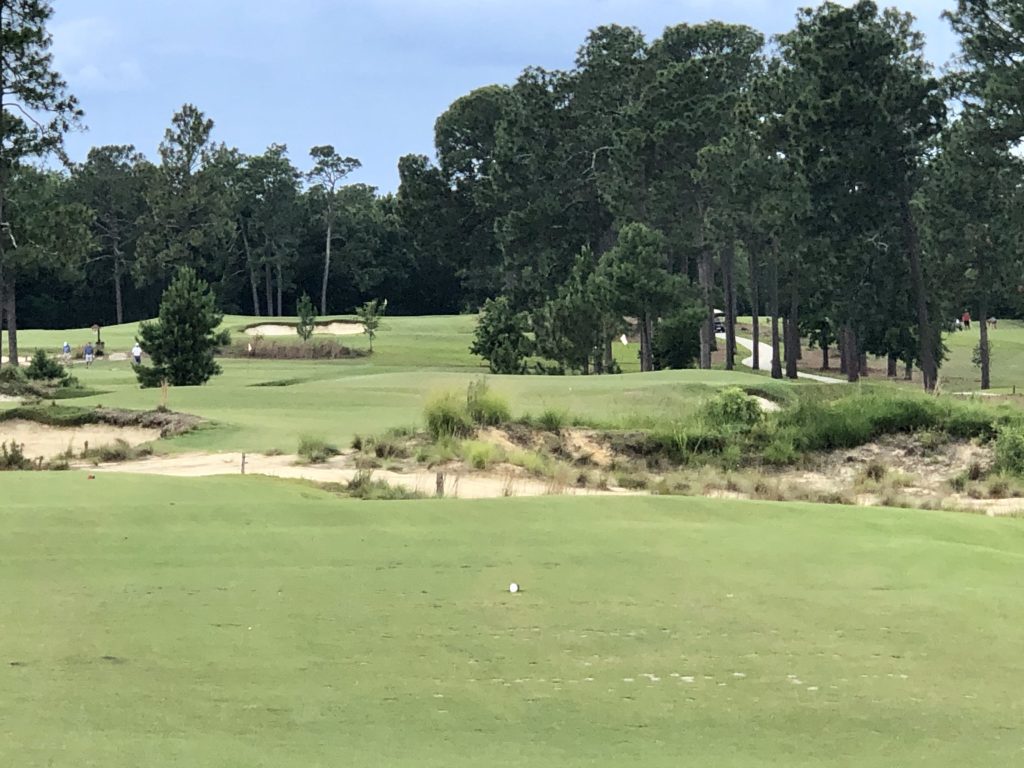
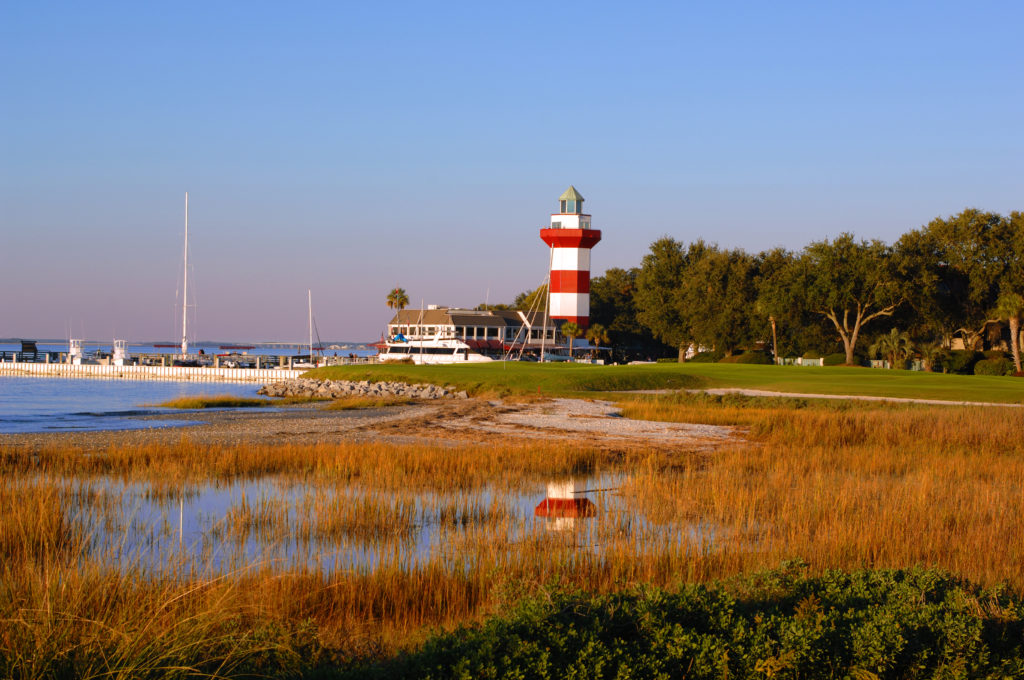
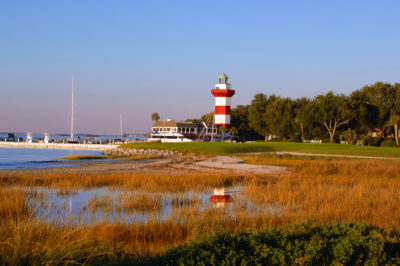
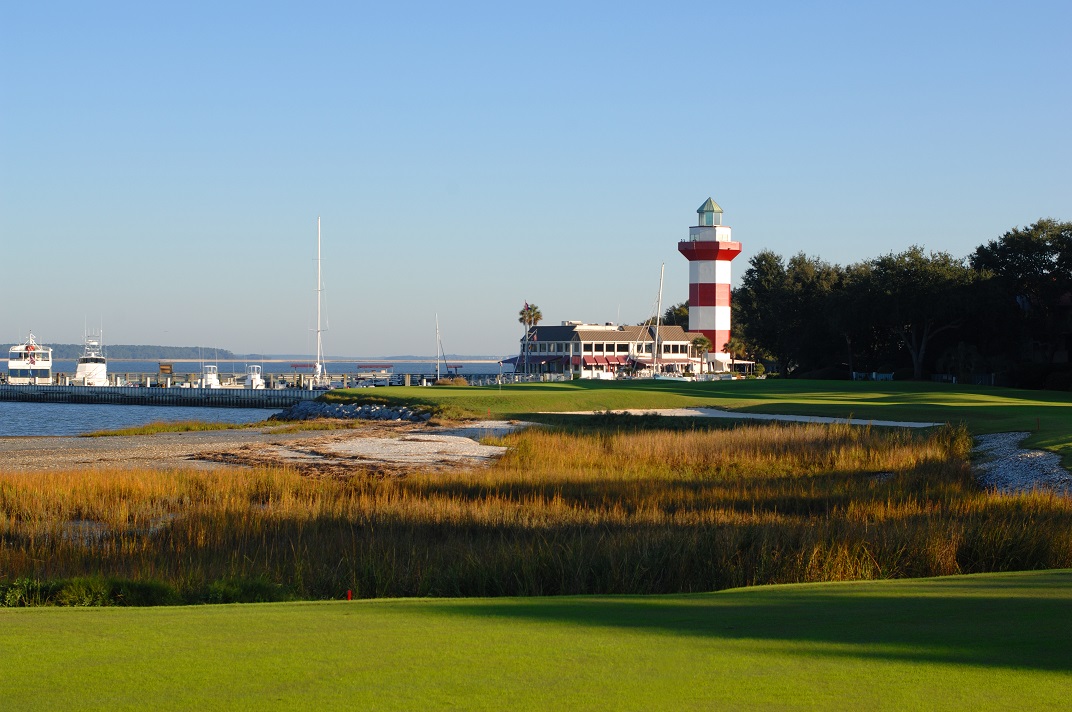
    Walking off the 16th green and toward the tee box on the par-3 17th, the Calibogue Sound comes into view with shrimp and sailboats passing by. Harbour Town concludes with one of America’s most famous finishing holes, the par-4 18th playing into the iconic Harbour Town Lighthouse.

    Just a smooth 3-wood away from Harbour Town, Sea Pines Resort’s Atlantic Dunes by Davis Love III is a masterful overhaul of the resort’s historic Ocean Course, the island’s first course. Completely reinvented by Love Golf Design, native seaside grasses and coquina shells meld with pines and oaks to create a calming coastal ambiance that puts golfers at ease. 

    The Robert Trent Jones Course at Palmetto Dunes Oceanfront Resort is widely considered one of the most scenic and challenging courses in the state. Having opened in 1967 just two years before Harbour Town, the two courses’ histories are forever linked by two World Golf Hall of Fame architects.

    Jones’ former protégé Roger Rulewich updated the course in 2002, elevating the fairway on the signature par-5 10th hole for even better views of the Atlantic Ocean. Credited with designing the majority of the Robert Trent Jones Golf Trail, Rulewich spent considerable time reworking every tee box and green.

    George Fazio’s Palmetto Dunes – #16

    Solid Seconds

    While it’s technically in Bluffton just off the island, Old South Golf Links is the area’s most underrated layout. Designed by local golf course architect Clyde Johnston, Old South is the only area public course playing along the Intracoastal Waterway.
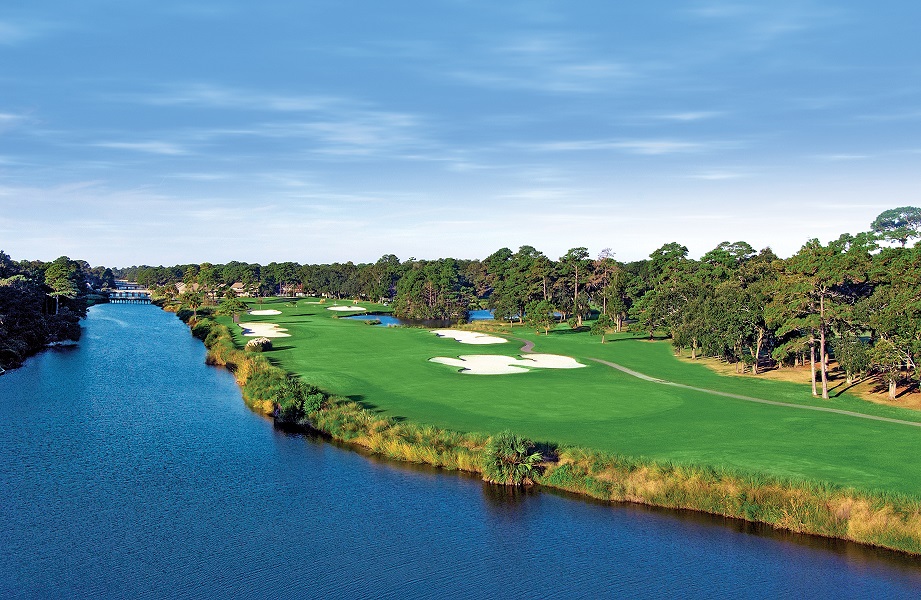
    The front and back nine views, with MacKay Creek and the Calibogue Sound in the distance, are among the best in the region and are a great way to welcome your golf group to the Lowcountry. The variety of indigenous terrain is also surreal – oak forest, pastures and tidal marshes are all on display, and in play.

    Back at The Sea Pines Resort, Heron Point by Pete Dye (formerly the Sea Marsh course) was a labor of love for the renowned golf course architect, who returned several times to tweak its putting surfaces and greens surrounds. From its 7,035-yard tips and with a slope of 140, it gives Harbour Town a run for its money as the resort’s toughest track.

    Playing to more than 7,000 yards with a 139-slope rating from the tips on the island’s north end, Oyster Reef continues to challenge low handicap golfers while appealing to players of all skill levels with its spectacular setting. Jones returned in 2018 to lead a full-scale bunker renovation project, restoring the course to its circa 1982 splendor.

    At Palmetto Dunes, George Fazio Course is Hilton Head Island’s only par-70, and with a slope of 144 from the 6,873-yard back tees, it’s considered by many to be the most difficult resort course on the island. With just two par 5s and a series of meaty par 4s, proper tee selection is paramount.

    Preferred Private

    It’s a well-established pattern: a week-long visit to Hilton Head Island one year turns into a month-long stay the following year. Eventually golfers fall in love with Golf Island and relocate to enjoy its laid-back lifestyle year-round. And when they do, Sea Pines Country Club is often the private golf venue of choice.

    The only private club located inside the gates of the Sea Pines community – a 5,000-acre masterplan including the resort, Beach Club, shops, dining and more – Sea Pines Country Club’s Arnold Palmer-Clyde Johnston-designed layout is a pure Lowcountry offering replete with live oaks draped in Spanish moss, languid lagoons and native grasses.

    While not as widely known as the 18th hole on Harbor Town, the finishing hole at the club, set along one of the island’s largest tidal marshes, is an absolute stunner. Post round, members enjoy their favorite beverages and a variety of eats at the Blue Heron Pub and Grille or relax by the club’s expansive resort-style pool.

    Where to Stay

    For sheer convenience during a multi-day golf trip, it’s hard to top a rental home or villa at The Sea Pines Resort or Palmetto Dunes Oceanfront Resort. These vacation residences are fully-appointed with all the amenities of home, including flat screen TVs, washers and dryers, wireless internet and fully-equipped kitchens.

    Dining and Nightlife

    There are more than 250 restaurants on Hilton Head Island ranging from celebrity chef-driven restaurants to locally owned seafood joints. For a true taste of Lowcountry waterfront dining, check out Skull Creek Boathouse or Skull Creek Dockside.

    Replenish calories burned from a long day on the links with a full Italian meal at Frankie Bones or a dry aged steak from WiseGuys. And whether it’s breakfast, lunch or dinner, do not miss the chance to visit Java Burrito for the region’s best “Fresh Mex” and espresso.

    For those who prefer to grab a bite at or near the golf course, options abound. At Palmetto Dunes, Big Jim’s BBQ, Burgers, Pizza at the Robert Trent Jones Course clubhouse is open seven days a week serving three meals a day. Links, an American Grill, in the stunning new Harbour Town Clubhouse, serves up signature filet, strip and porterhouse steaks. The LagerHead Tavern at Oyster Reef showcases Southern comfort food with a twist.

    Getting Here

    Hilton Head Island Airport (HHH) on the island’s north end offers non-stop and one-stop service from multiple hub cities and connections via American Airlines. Seasonal Saturday flights to/from Boston Logan International Airport (BOS) are offered as of April 10, 2021

    The new route complements year-round service from Charlotte Douglas International Airport (CLT) and seasonal service from Washington Reagan Airport (DCA), Chicago (ORD), Dallas/Ft. Worth (DFW) and Philadelphia (PHL).  Book your flight to Hilton Head Island at www.AA.com.

    Delta Air Lines Airlines also offers nonstop and one-stop service to HHI via its Atlanta (ATL) hub with connections from 200+ cities worldwide.

    Golfers can also utilize Savannah/Hilton Head International Airport (SAV), with direct flights from numerous East Coast, Midwest and Texas airports. Southwest Airlines service began in March with six flights from five markets.

    Hilton Head Golf Island expert golf vacation planners are available to help you design your ideal Hilton Head Golf Island golf trip. Click here to complete a brief form and to receive a custom quote.

  • Pinehurst Resort Trip Log – Day 3

    Pinehurst Resort Trip Log – Day 3

    For our final day at Pinehurst Resort, we saved the best for last – A round on the iconic No. 2 course. The legendary 1909 Donald Ross design has hosted more big tournaments and national championships than I can even list here, including the 2014 Men’s and Women’s US Open and the 2019 US Amateur.

    Before you go on – Catch up by checking out the trip logs from the first two days of our trip to Pinehurst Resort:

    Pinehurst Resort Trip Log – Day 1
    Pinehurst Resort Trip Log – Day 2

    Our caddie for the day was a Pinehurst veteran named Marshall who has been there for close to 20 years and knows just about every inch of the course and every subtle undulation on the greens.

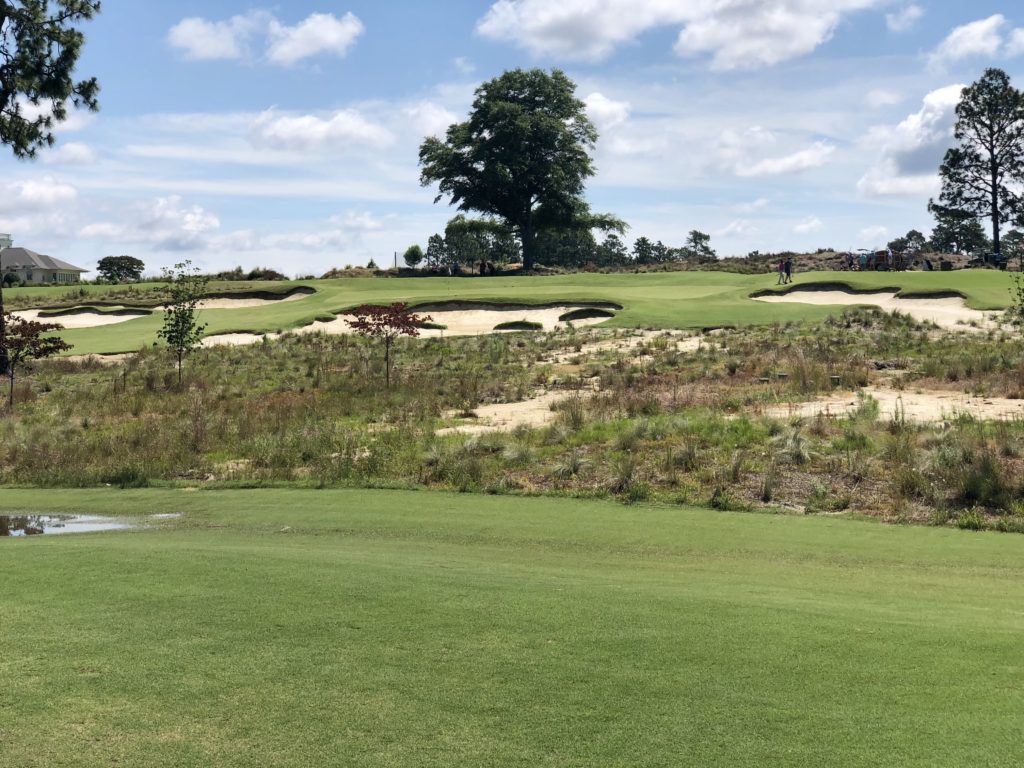
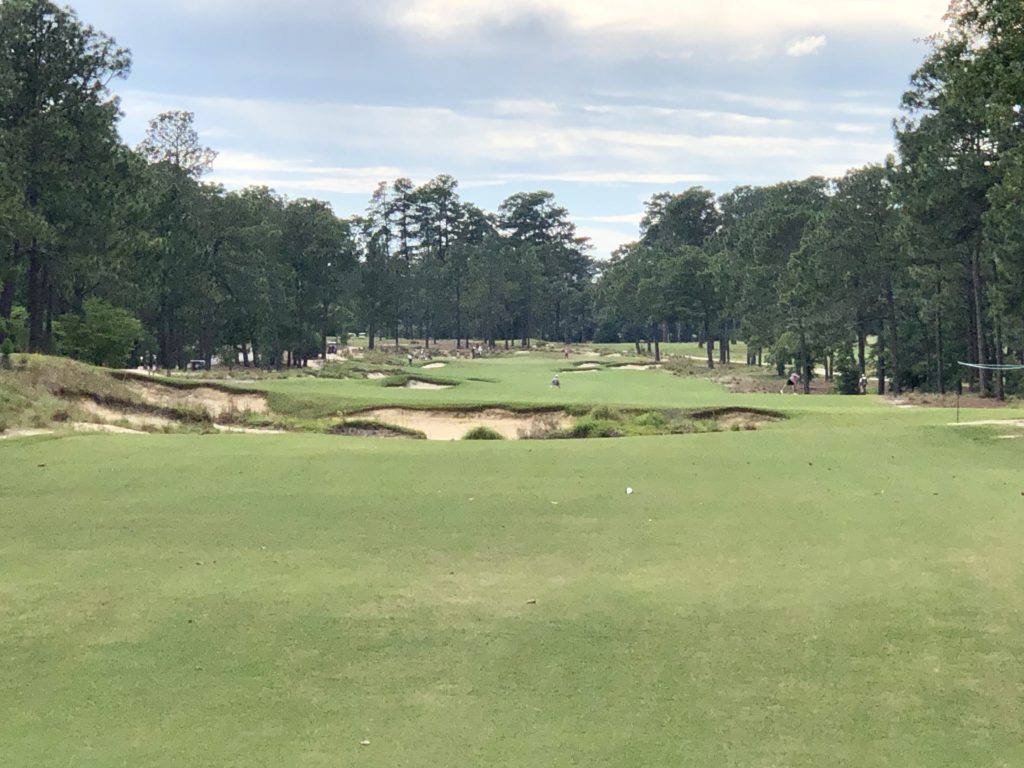
    I think what makes the No 2. course at Pinehurst so revered is that it is playable and challenging for golfers of all abilities, provided you play from the correct set of tee markers. There is ample room off the tee for most, but many landing areas pinch in at 270-300 yards with bunkers and native areas coming into play and make hitting the fairway more challenging for the back-tee bombers. Big hitters will not be overpowering this golf course!

    Finding fairways is only the first step to scoring on the No 2 course, however. Donald Ross and his famous (or infamous, depending on who you ask) upside down bowl greens demand accurate approach shots. Wayward shots or mishits will catch the slopes and false edges and, in many cases be directed away from the hole and off the green into collection areas and bunkers.

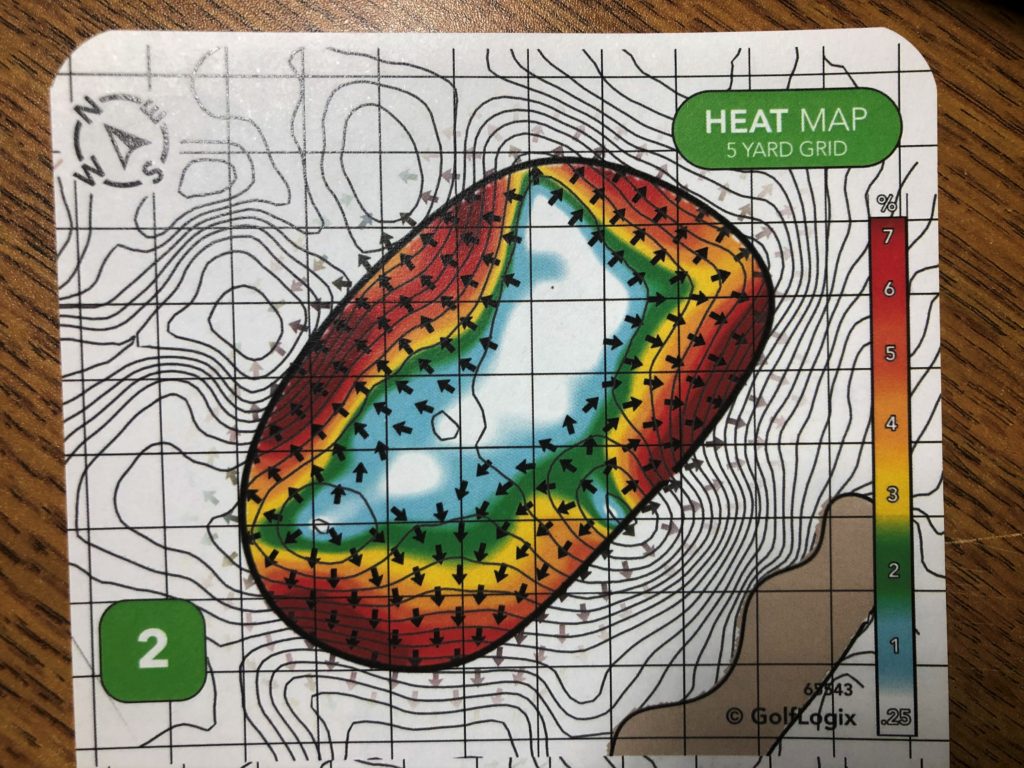
    Knowing where to hit your approaches is critical to good scoring in general, but especially on this course, and a good caddie is invaluable in that regard. It also helped to have a detailed green book to refer to, like the ones used by the pros on tour. In this case, I picked up one of the new green books from GolfLogix before my trip. As you can see below, the heat map for the green on the second hole is quite dramatic, with false edges on every side of the green and a plateau in the middle for hole locations. Effectively, the green is only the size of what you can see in white and green on the heat maps. The areas in yellow, orange and red are slopes that will not hold a golf ball. That convex shape is what makes the greens at Pinehurst No 2 such a challenge.

    GolfLogix green maps – Pinehurst No2, second hole

    On this day, the pin was located in the back right on the edge of white area, which means missing long or right was a huge no-no. As it turns out, I pulled my 9-iron approach way left into the mounds to the left of the green but (with a little luck) managed to chip in for birdie!

    After our experience sitting on the patio at The Deuce watching other groups coming up 18 to finish their round on the No. 2 course, my concentration levels peaked as we reached the last hole. I didn’t want to be heckled for hitting a bad shot on the last hole! I hit a solid tee shot up the right that found its way into the native area, but I had a good lie on some firm sand and hit a nine iron that drifted left on the wind and ended up in a greenside bunker. Without much green to work with, I took my medicine and decided to play past the pin. A decent bunker shot left me with a 20 footer for par, which I missed. Fortunately, the masses on the patio didn’t roast me, as most of them probably suffered worse fates than shooting 76 from the tips on a course that has hosted six majors and a Ryder Cup. I hit the ball very well, but five 3-putt bogeys was my undoing on those treacherous greens.

    https://www.youtube.com/watch?v=V7kVFewwjVM

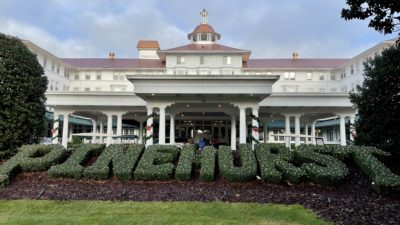
    The village of Pinehurst is small and quaint, with almost everything within walking distance. The shuttle service is always ready to take you anywhere you need to go, or you can even take a bike to explore on your own. After a great day on the No. 2 course we took the shuttle back to the Carolina Hotel just up the road from the clubhouse to clean up and sit down for a steak dinner at the elegant Carolina Room downstairs and wrapped up the evening with a few drinks at the Ryder Cup Lounge.

    Day 3 of our trip is in the books, and our final day will be spent off site playing the very unique and visually striking Tobacco Road Golf Club before hitting the road back south.

  • Pinehurst Resort Trip Log – Day 2

    Pinehurst Resort Trip Log – Day 2

    Our first full day at Pinehurst Resort for this trip was packed full, starting with a full, hearty breakfast an the Carolina Hotel in one of the great restaurants called the Carolina Room. The breakfast buffet includes all the usual items like scrambled eggs, bacon, sausage and they add some distinctly southern charm with fresh grits, griddle cakes and biscuits & gravy. The omelet bar is also fully stocked. You won’t leave the Carolina Room with an empty stomach, that’s for sure.

    Catch up on our trip by reading the Trip Log from Day 1 here.

    INSIDER TIP: Since we’re on the topic of food – I highly recommend adding the meal plan when you book your visit to Pinehurst get access to this great breakfast and a full dinner each day. Everything I ordered during my stay was fantastic, and with 6 restaurants to choose from, you really can’t go wrong.

    To start the day we had a tee time lined up at The Cradle – A 9-hole short course that’s nestled in a valley behind the main clubhouse where the first holes of the #1 and #3 courses used to be. Designed by Gil Hanse who also recently redesigned the #4 course, The Cradle’s nine holes range from 56 yards up to 127 yards. Most players carry a few wedges and a putter to navigate this little gem. Even though we played it in the morning, the best time to go is after dinner.

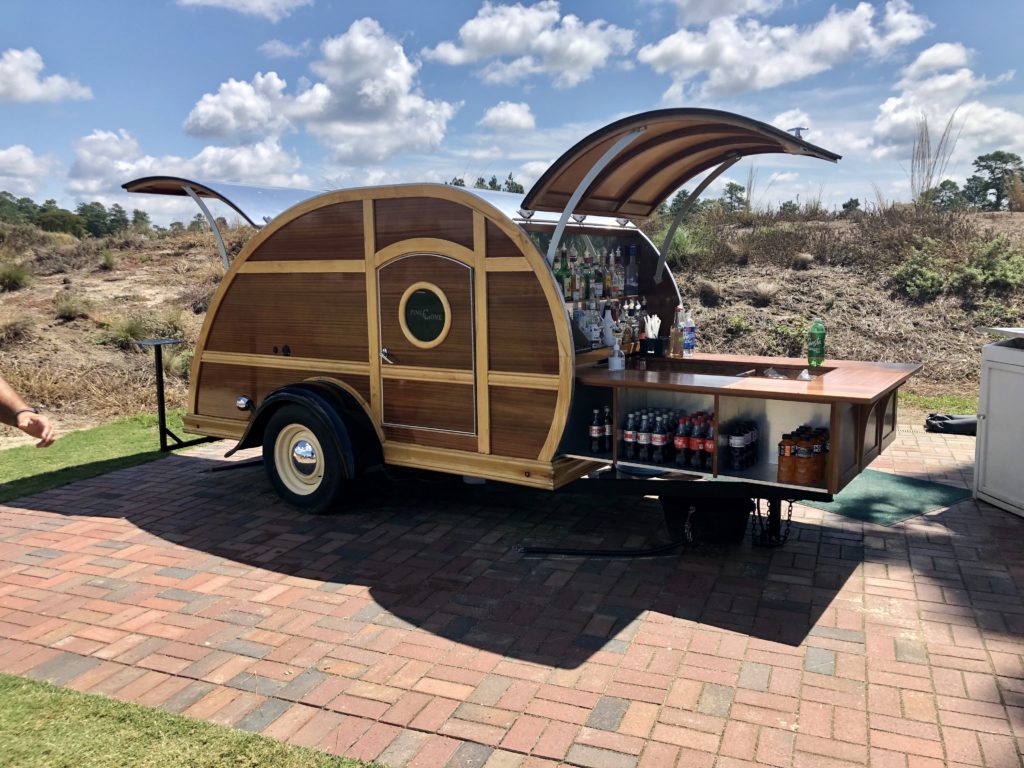
    Up at the top of the hill between the 3rd and 4th holes and along the walk between 8 and 9 sits a small teardrop trailer bar called The Acorn. It’s a very popular spot in the late afternoon when players come off one of the big courses and want to enjoy a few adult beverages while settling some bets on the short course. The atmosphere is similar to that of a low-key college block party, with music playing, drinks flowing and people navigating the fabulous par three course in various sized groups, attire and states of mind. It’s not uncommon for groups of 5 or 6 to play the course barefoot with a drink in hand. It’s all about unwinding at The Cradle.

    We teed off on the No. 4 course just after lunch for a nice walk with our caddie and were fortunate to avoid any bad weather the rest of the afternoon. It had rained quite hard the previous evening, but the course drained very well. Being in the sandhills region of North Carolina has immense benefits for golf, and good irrigation and drainage is just one of them.

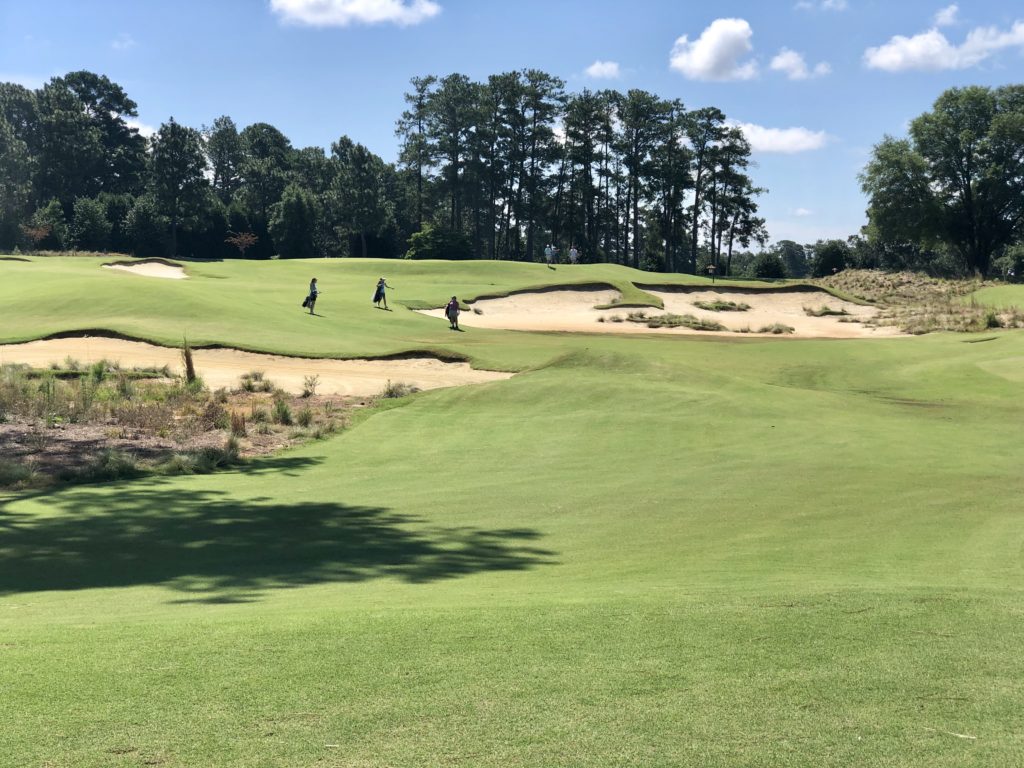
    Unfortunately I had never played the No. 4 course prior to the renovation by Gil Hanse but from what I saw the accolades Mr. Hanse and Pinehurst Resort received for their work are well deserved. The layout of the No. 4 course caught me off guard, with dramatic elevation changes and water features I was not anticipating. The routing is quite brilliant at saving the player from having to walk up too many steep slopes, even though there are several holes that play very much down hill. The steepest slope is on the monstrous Par-4 5th hole that measures 489 yards from tha back tees. It takes a bomb off the tee to reach the top of the hill, but if you do you’re rewarded by a downslope that can add 20+ yards to your tee shot.

    After a grueling test of golf from the back tees on the No. 4 course, I understand why this course (along with the No. 2) was selected as host venue for the 2019 US Amateur Championship.

    Enjoying a drink at The Deuce @ Pinehurst
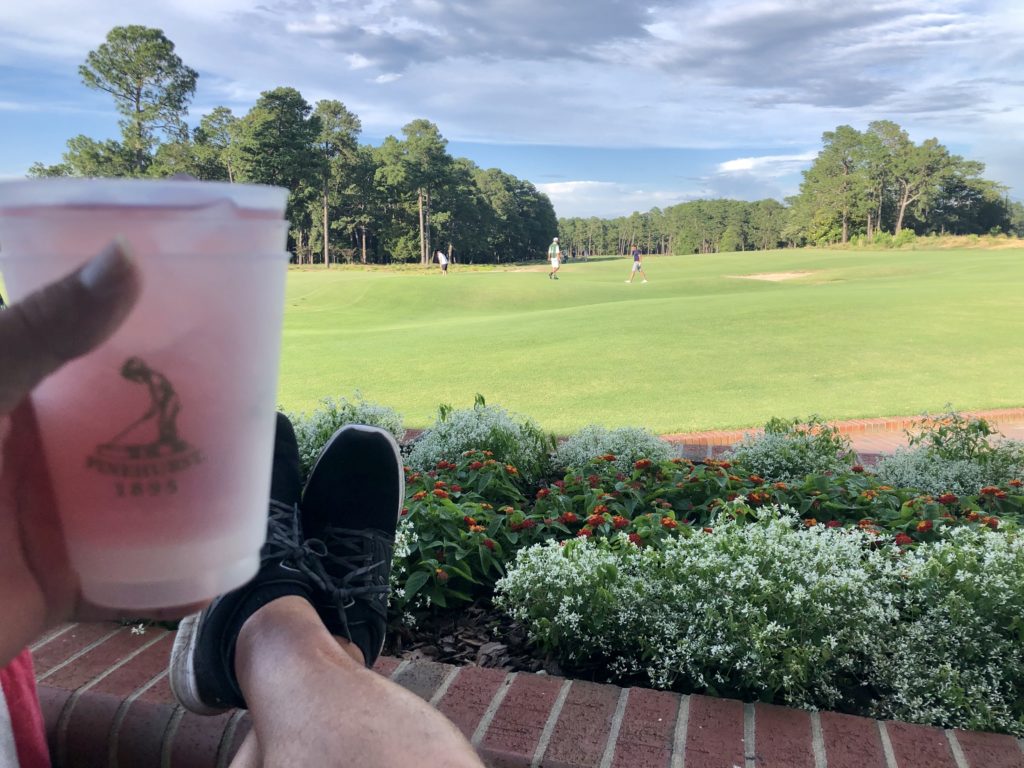
    Enjoying a drink at “The Deuce” behind the 18th green of Pinehurst No. 2

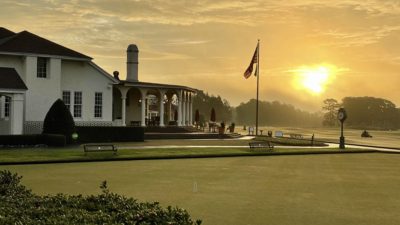
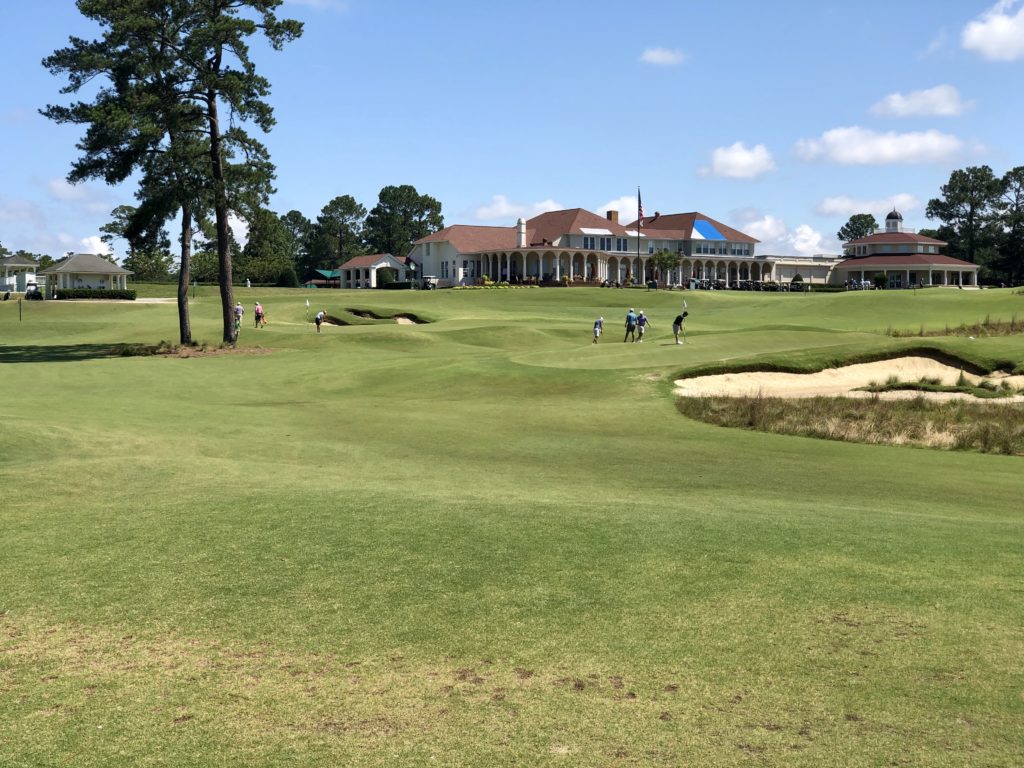
    After 9 at The Cradle and 18 on the No. 4 course, our evening started with a few drinks at The Deuce, which is the restaurant & bar located in the clubhouse right behind the 18th green of the No. 2 course. The patio is a fantastic place to sit in an old rocking chair and watch the late groups coming up the 18th hole. Later in the evening as the alcohol starts to flow more liberally, the folks on the patio are a little less reserved and have a habit of cheering or clapping for good shots, and jeering and booing the poor ones. It’s a great atmosphere, and I look forward to my own walk up the 18th hole, hoping to get cheers from the crowd.

    Our final stop for the day was dinner at the famed Pinehurst Brewing Company. It’s not only the best microbrew in the sandhills, but it’s also the best smokehouse. They serve up pulled pork, beef brisket, ribs and chicken smoked on site. I got the sampler to try everything, and it was fantastic. The great thing is, Pinehurst Brewing Company is also included in the meal plans as part of your package.

    Day 2 was a full day, and wore us out. Time for a restful sleep to recharge, because tomorrow we take on the legendary No. 2 course!

  • Discover the Hidden Side of Hilton Head Golf

    Discover the Hidden Side of Hilton Head Golf

    While the PGA TOUR goes on a (hopefully) brief hiatus, we’re left with enough collective time to plan our next golf trip. And if jumping on an airplane doesn’t sound all that appealing right now, we’ve got good news: 80 percent of all South Carolina visitors arrive by car.

    Even from Canada, believe it or not, travel bans notwithstanding.

    That also pertains to the Palmetto State’s storied Lowcountry region, including Hilton Head, also known as “Golf Island.” While the RBC Heritage was cancelled along with all of April and most of May’s PGA TOUR events, Hilton Head, Bluffton and Beaufort still await traveling golfers from points north and south.  

    From exclusive private courses and high-end resorts to must-play mid-tier daily fee layouts, the region is rife with golf options. It’s easy to unearth the wildly popular tracks, like Harbour Town and the Robert Trent Jones Course at Palmetto Dunes.

    But dig a little deeper, call in a few favors or even pony up for a membership to go private, and golfers will discover a hidden side of Hilton Head golf to be fully explored and treasured.

    May River Golf Club, Montage Palmetto Bluff

    Located just off the island in idyllic Bluffton and originally opened in 2004, May River Golf Club has developed a reputation as of one of Jack Nicklaus’ finest designs. The Golden Bear returned in 2017 to restore the Signature layout to its first-class form.

    Nicklaus’ deft delineation between formal and native bunkers adds a unique design element architecture aficionados will appreciate. The layout meanders around the May River and coastal wetlands of Palmetto Bluff, and caddies educate golfers on optimal angles and club selection.

    Golfers can bed-down at the Montage Palmetto Bluff set within 20,000 acres of Palmetto Bluff’s maritime forest and surrounded by 32 miles of riverfront. The boutique features three pools, eight restaurants, a spa and a seemingly endless array of activities.

    The Club Course, Sea Pines Country Club

    Sea Pines Country Club’s Club Course is a pure example of Lowcountry golf course design, with its narrow, tree-lined fairways, doglegs, subtle green complexes and languid lagoons. There’s a since of intrigue on every tee box of this Arnold Palmer-designed layout as to what style of hole comes next.

    A private, invitation only club situated in Sea Pines Plantation, members are not required to live inside the gates to join. The club sets up perfectly for those relocating to Hilton Head or east Bluffton who want freedom of residential choice. As the saying goes, every Hilton Head visitor is a future resident, and every resident a future golfer.

    The Club Course, updated by Clyde Johnston in 2001, has even been referred to as “Little Harbour Town” due to its similarities to the Pete Dye, Jack Nicklaus masterpiece just a sand wedge to the south. Apropos, given that original architect Palmer won the inaugural RBC Heritage in 1969 and incorporated many of Harbour Town’s design elements.

    Old-South-Hole-18
    Old South Golf Links, Hole 18

    Old South Golf Links, Bluffton

    Also designed by Johnston, Old South Golf Links is the only area public course playing along the Intracoastal Waterway. The front and back nine views, with McKay’s Creek and the Calibogue Sound in the distance, are among the best in the region, public and private venues considered.
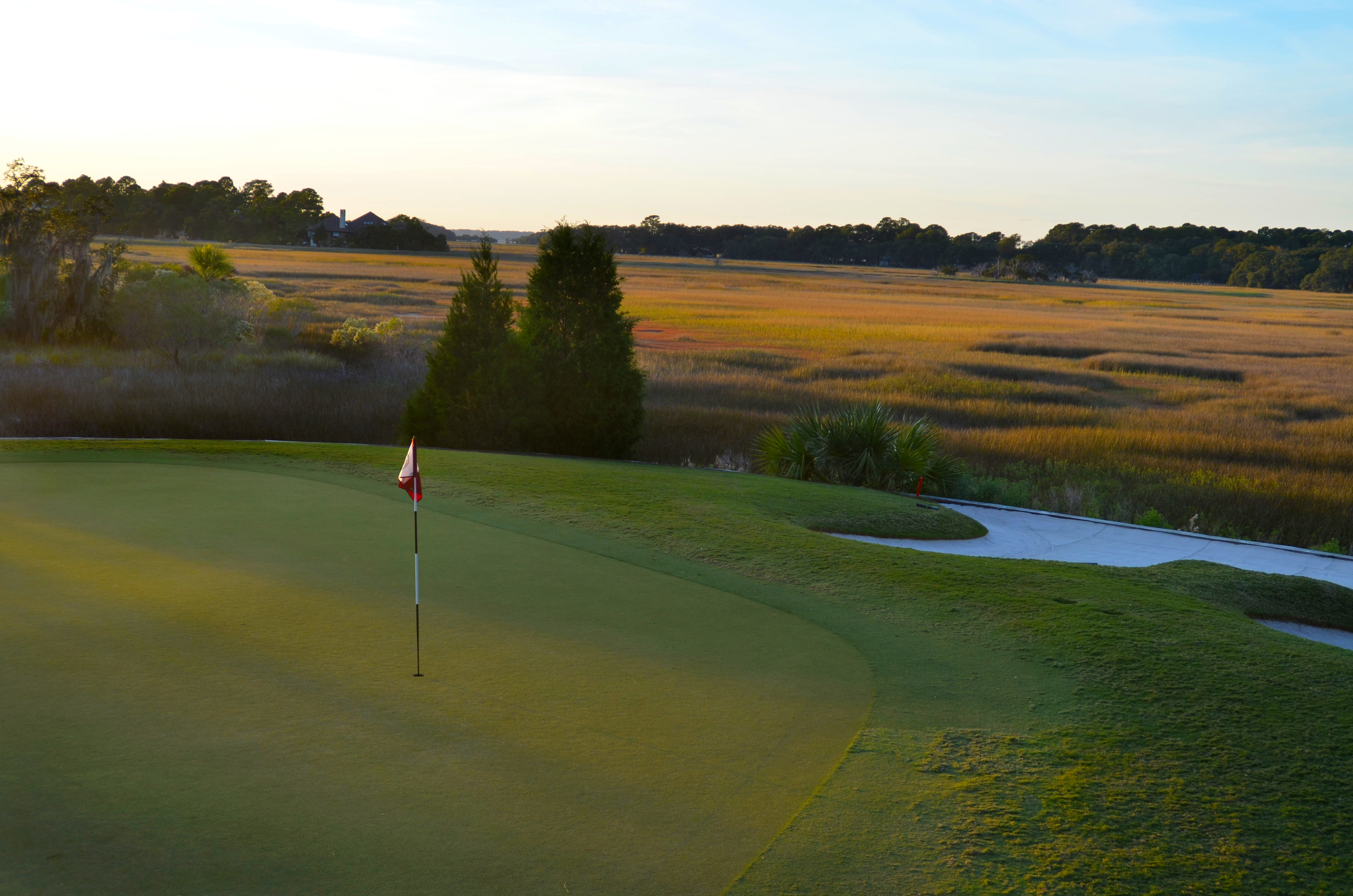
    The variety of Lowcountry terrain is also fascinating – oak forest, pastures and tidal marshes are all on display, and in play. The finishing stretch, holes 16 through 18, is vintage Lowcountry with target fairways and greens requiring carries over marshland. Golf packages are offered with other area courses.

    One round at Old South and golfers will appreciate Johnston’s brilliant routing and subtle approach to Lowcountry golf course design.

    Oyster Reef

    When Oyster Reef Golf Club on Hilton Head Island opened in 1982, it was recognized by many golf experts as one of the best new courses in the U.S., because of its fortunate location, a marquee designer in Rees Jones and a strategically compelling layout.

    Playing to more than 7,000 yards with a 139-slope rating from the tips, Oyster Reef continues to be a place where golfers go to look for a challenge, as well as one of the most visually appealing courses in the entire region.

    Atlantic Dunes

    Atlantic Dunes, The Sea Pines Resort

    Having opened in 2016, Atlantic Dunes is the newest course at The Sea Pines Resort, wrought from what was once the oldest course on Hilton Head Island. Originally the Ocean Course, Davis Love III, brother Mark and lead architect Scot Sherman completely overhauled the layout to present a pure coastal aesthetic.

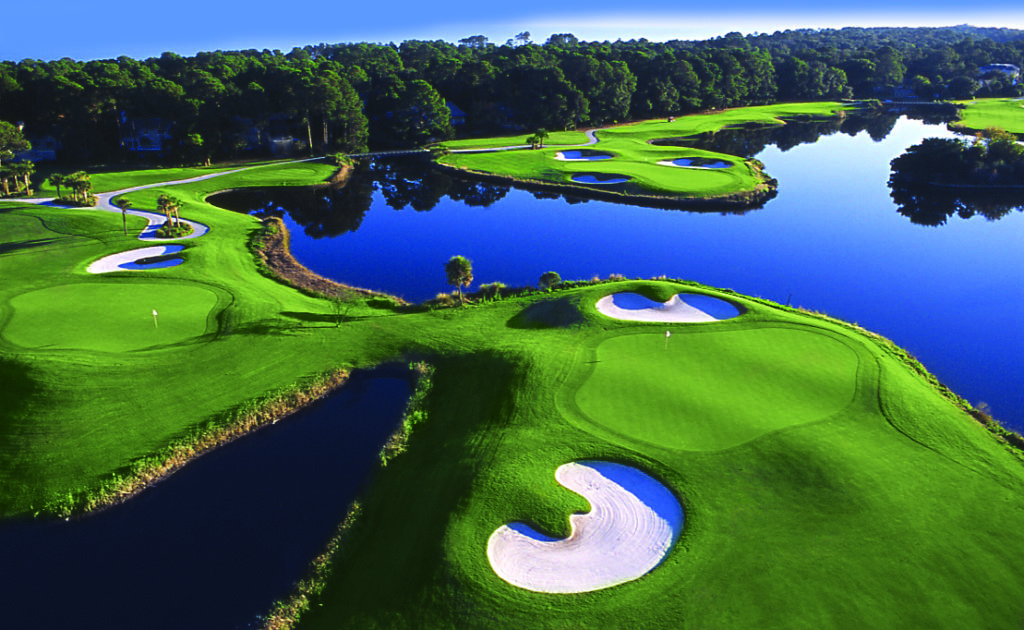
    Love Golf Design removed hundreds of aging trees (all environmentally approved), restored natural dune lines and added coquina shells and native seaside grasses. The par-3 15th hole is one of just two holes on the island with an unencumbered view of the Atlantic Ocean.

    Getting There

    Hilton Head is within a half-day’s drive of major Southeastern cities like Atlanta, Charlotte and Raleigh, and just over eight hours from Washington D.C. Kentucky, Tennessee and Ohio — all popular golfer origins, are six to 12-hour drives. Golfers have two airport options, Savannah Hilton Head International Airport (SAV), or Hilton Head Airport (HHH) on the north end of the island. Service was once limited to HHH, but has been exponentially expanded with direct flights on Delta, American and United from nine major cities

    Shane Sharp is a longtime member of the Golf Writers Association of America and contributing editor to GOLF Magazine. He’s based in Greenville, S.C. where he owns Southbound 4, a golf-focused content marketing and PR firm.

  • 10 Ways To Save For A Golf Trip

    At some point in every golfer’s life, he or she learns about the great courses and golf destinations of the world. We all dream of taking a historical pilgrimage in our respective sports. Tennis players want to go to Wimbledon, football fans to Cowboy Stadium or Lambeau Field. For baseball fans it’s usually Yankee Stadium or Fenway Park, and many Soccer fans dream of going to Wembley Stadium or Estadio Azteca. The great thing about golf is that we often get to play on the same venues as the pros, which isn’t the case with most other sports. For example, every serious golfer I know wants to some day take a trip to the home of golf and play the Old Course at St. Andrews. Last month my friend and fellow golf blogger Tony did just that. He spent a week with friends at St. Andrews and played most of the courses in the area.

    I too would love to take a trip to St Andrews, or any number of other fantastic golf destinations. The problem is, most of us simply don’t have the cash laying around. A week long golf trip can run from $500 to well over $2500, depending on where you go. There are however, plenty of ways to save up your pennies to one day take that great golf trip. With that in mind, we’ve compiled ten ways how you might be able to scrape together enough money to make your dream golf trip happen!

    1. Cut out the Starbucks! Personally I don’t understand why people willingly pay upwards of $5 every morning for a cup of coffee, but just think about how much you can save if you cut back to maybe twice a week, instead of having it every day. You could save over $500/year just by scaling back your fancy coffee & caffeine fix by drinking a Diet Coke in the morning instead, which contains about as much caffeine as a cup of that precious mocha latte.
    2. Cook! If you eat out regularly, you are probably aware of how expensive it is. Dinner and a few drinks at a restaurant like Chilis or Olive Garden usually runs me between $20 and $30. Surely you can eliminate one $25 meal at a restaurant per week right? If you do you’ll save over $1000/year.
    3. Walk! If you normally ride in a golf cart when you play golf, try walking for a change. Golf cart fees usually range from $12 to $24 for 18 holes, and if you play once a week that’s $50 to $100 per month. In 2 months you can save enough to buy a push cart like the fantastic ClicGear push cart that I use when walking. Walking will also get you in shape, and you’ll need it if you plan to go to St Andrews, because they don’t typically allow the use of motorized carts anyway.
    4. Play more cheap golf! It’s nice to play well maintained golf courses, but they are also more expensive. Get to know your local municipal golf course, and play there more often. You’ll save quite a bit of money on greens fees, and chances are your scores will be pretty much the same even if the greens aren’t perfect. You can also take advantage of tee time services like GolfNow.com to get good deals and save 20% to 60% on tee times. Let’s face it, if you want to save up for that guys or gals golf trip next summer, you’ll need to make sacrifices.
    5. Stop Smoking! OK, now I’m getting personal. Forget about the health concerns or the difficulty of quitting – no smoker will argue with me when it comes to the financial impact of smoking. A pack of cigarettes costs between $4 and $8 in the US, depending on where you live. Forbes.com estimated that the average cigarette smoker could save $200 to $900 a year by quitting. Add to that the inevitable added cost of healthcare, insurance premiums and even dry cleaning, and it could be significantly more. I’ll step down off my soapbox now.
    6. Spend less on equipment! If you are saving for that golf trip to Pinehurst with your buddies, you probably shouldn’t be spending $499 on that new driver that promises 10 more yards. Look, if every new club on the market lived up to its promises, we’d all be hitting it 400 yards off the tee by now. Besides, that $499 driver will likely be just as good six months later when it goes on sale for $299. Another way to save a few bucks is by recycling golf balls. The pros on the PGA tour switch to a new golf ball every three to six holes. You can probably go 36 holes or more with the same golf ball, assuming you don’t plop it in a lake on the way. It’s OK to be uncompromising and insist on playing only with a Titleist Pro V1, but maybe for a season while saving up you can buy the $25 second hand balls instead of brand new ones for $50. Remember Shooter – New golf balls sink in the water just as fast as second hand ones do.
    7. Chill out on the betting! I love a good money game as much as the next guy, but if you are trying to save up for that trip to golf heaven you might want to drop the stakes on the weekend Nassau down to more reasonable levels. Most golf games involve small amounts like $5 or $10, but loses can add up pretty quick over the course of the year. You may even come out in the black over the course of the year, but the money you are taking is probably coming from the guys that will accompany you on the trip, so give them a break too and try cutting the stakes in half until you’ve saved enough to make your trip.
    8. Carpool to the course! Gas prices are going up. If you have a regular weekend foursome, why not try to carpool to the course and save a few bucks on gas? This way you only have to drive every fourth weekend, and more time with your buddies means more time for trash talk and gloating! This works better in the USA where everyone seems to drive SUVs (or land-yachts as I like to call them), but it may not work too well if you live in the UK and drive a small car. Even if one person picks up another and you can manage to take two cars to the course instead of four, you’ll be doing your wallets (and the environment) a favor.
    9. Sell some old clubs! Do you really need 6 backup drivers and 12 putters? You may not think your old clubs are worth much, but one man’s trash is another man’s treasure! I recently sold several clubs on eBay, and when all was said and done I had raised over $1000. It adds up pretty quick. Every one of the clubs I sold were of value to me and I didn’t want to see them go, but it was becoming increasingly unlikely that they would ever find a place in my bag again, so I sold them. Easy money.
    10. Open a golf savings account! Many banks these days offer free online savings accounts. This is a perfect way to keep track of your fundraising efforts. You can transfer money from your regular checking and savings accounts to the online account and watch it grow as your dream golf trip becomes more and more of a reality. Check companies like Chime to set up an online account with no fees and start saving!

    If you play this game long enough, it’s inevitable that you’ll go on a golf trip. With the economy in a recession and money being tight, it can be hard to put money away for such trips. But there is always a way to save a few extra dollars. Using the suggestions we’ve already talked about combined with your own efforts and discipline, that golf pilgrimage you’ve always dreamed about can become a reality in no time! If you have any other suggestions for way to save, feel free to share with us in the comments below! Happy saving!

    Don’t forget to check in with our Facebook fan page for exclusive content and get involved by leaving us comments on what you think!