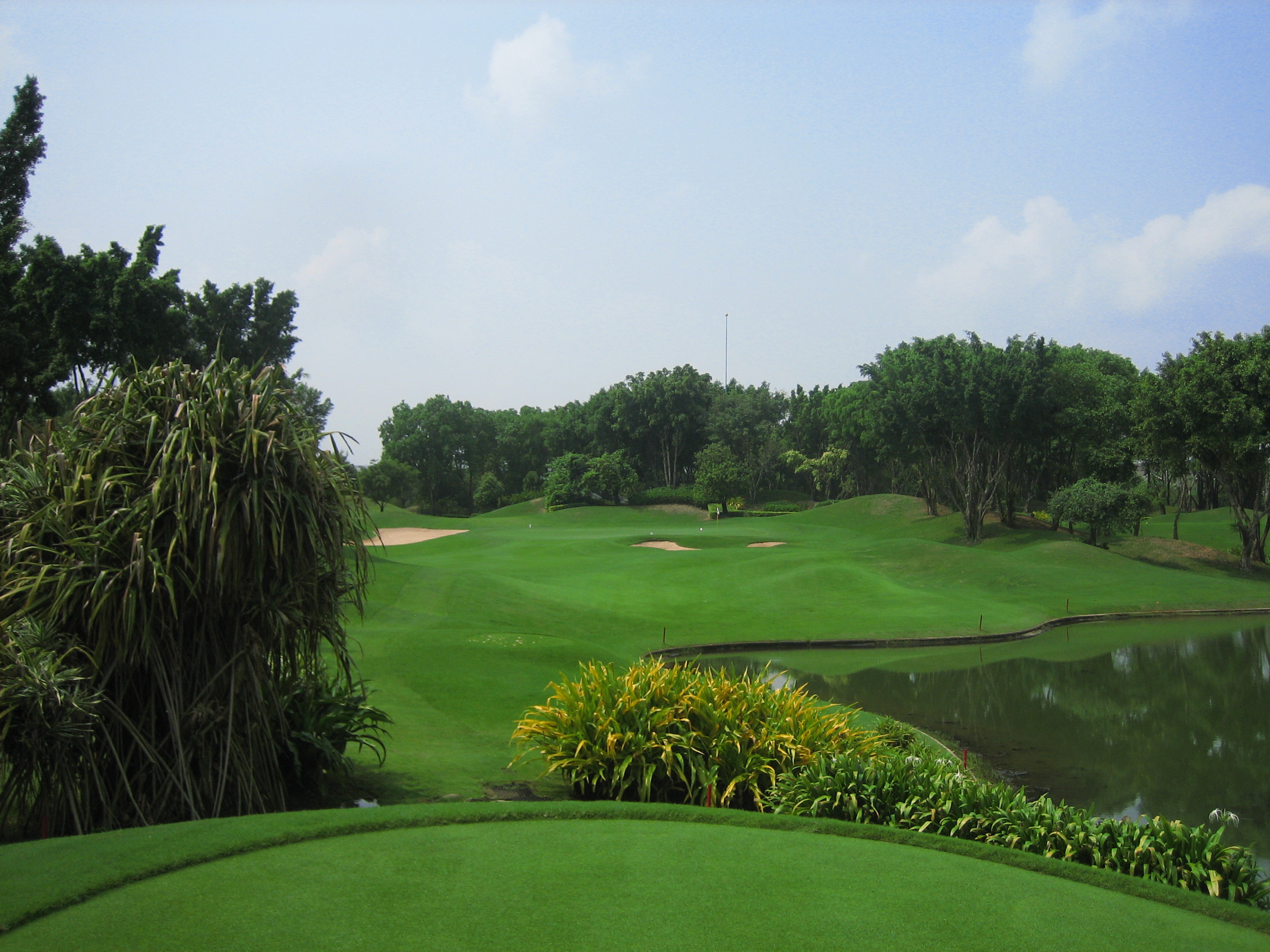
There are thousands of golf courses in the UK, meaning that no matter where you live you will always be within a short distance of somewhere good to play. Occasionally, good is not enough: you want the best. And we don’t blame you. That’s why we’ve created this list of the top 5 UK golf courses, so you don’t have to.
When you’ve checked out our top 5, make sure you head over to the Gamola Golf Course Finder to find fresh, quality courses in your local area.
Woodhall Spa (Hotchkin), Lincolnshire
The Hotchkin Course is in impeccable condition, with a stunning landscape of majestic trees, rich heather and gorse. Visuals aside, the course is challenging due to its tight fairways, rough and giant sized bunkers. The clubhouse offers great facilities and magnificent catering for afterwards.
St Andrews (Old), Fife
Scotland’s finest, St Andrews old course is rich in history as one of the oldest golf courses in the world, and the course where ladies golf began. Its 17th hole, the Road Hole, is one of the most famous holes in the world. The course itself is challenging, with various humps, bunkers and ripples hidden among the great expanse of land. St Andrews is a course to be played at least once, preferably more.
Royal Birkdale, Merseyside
Royal Birkdale has a rich noble history and has hosted many championships in the past. Each hole runs through stunning landscapes of sand dunes and heather, and the course itself is extremely challenging due to tight fairways, deep bunkers, rough greens and sea gathered wind. The course itself is in excellent condition and each hole is varied, suiting the course to all players.
Royal Birkdale is famous for hosting many championships and its stunning course. Navigating through sand dunes, heather, narrow fairways and rough in the blustering wind is no easy feat, making the course challenging but rewarding for players of all abilities. The course is kept pristine, providing a gorgeous view for dining in the clubhouse.
Royal County Down, Newcastle, NI
Set in the Murlough Nature Reserve, the scenery surrounding Royal Country Down is breath taking. Towering over stands the Mourne Mountains, while the fairways are lined with purple heather and golden gorse. The course is challenging, demanding great accuracy and strategy, or perhaps just a caddie’s knowledge.
Murfield Golf Club, East Lothian
Murfield is a world famous golf course, known for hosting major championships both nationally and internationally. Unlike traditional links courses, Murfield routes around a hill, giving little protection from the Scottish weather. The course is tough, but good shots are rewarded fairly. Both the course and the clubhouse are immaculately kept.
Every winter, the PGA Merchandise Show in Orlando, FL brings together thousands of people from all facets of the golf industry. I’ve been fortunate to meet PGA and LPGA legends and superstars, golf equipment gurus, company presidents, prominent media members, world class instructors and many more colorful and interesting people. Of all the people I’ve met and befriended over the years, the most captivating to me are golf course architects. I’ve always had a huge interest in golf course design, and it has always been a dream of mine to help design a golf course.
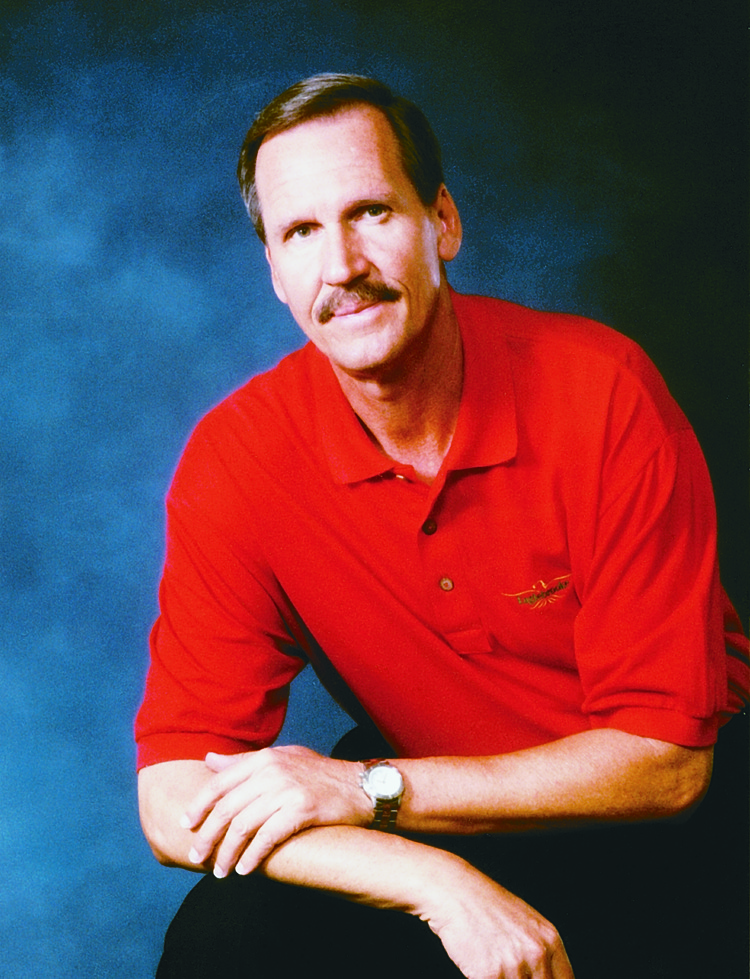
One of my favorite golf course architects is Ron Garl. Holding a degree from the University of Florida with a specialization in turf grass management, he has designed over 250 golf courses world wide, and had put his signature on close to 100 facilities in Florida alone. His designs are special because they will challenge the golfer to use every club in the bag, and he has a great talent for routing a course to best take advantage of the host site’s natural topology.
One of my personal favorite golf facilities is a Garl design called Golden Ocala Golf & Equestrian Club. When it opened, it was the first replica course in the world. The 8 replica holes are recreations of famous holes from Troon (Postage Stamp), Muirfield (#9), Augusta National (#12 and #13 of Amen Corner), Baltusrol and St. Andrews (Road hole, #1). While the replica holes get most of the attention, the rest of the course is even better, and the practice facility at this private club is second to none, with a large driving range, three practice holes and several spaced out short game practice greens.
I ran into Ron at the PGA Demo Day this past January and struck up a conversation. After discussing a few of his designs in central florida that I am very familiar with, he agreed to take some time to answer some questions for us.
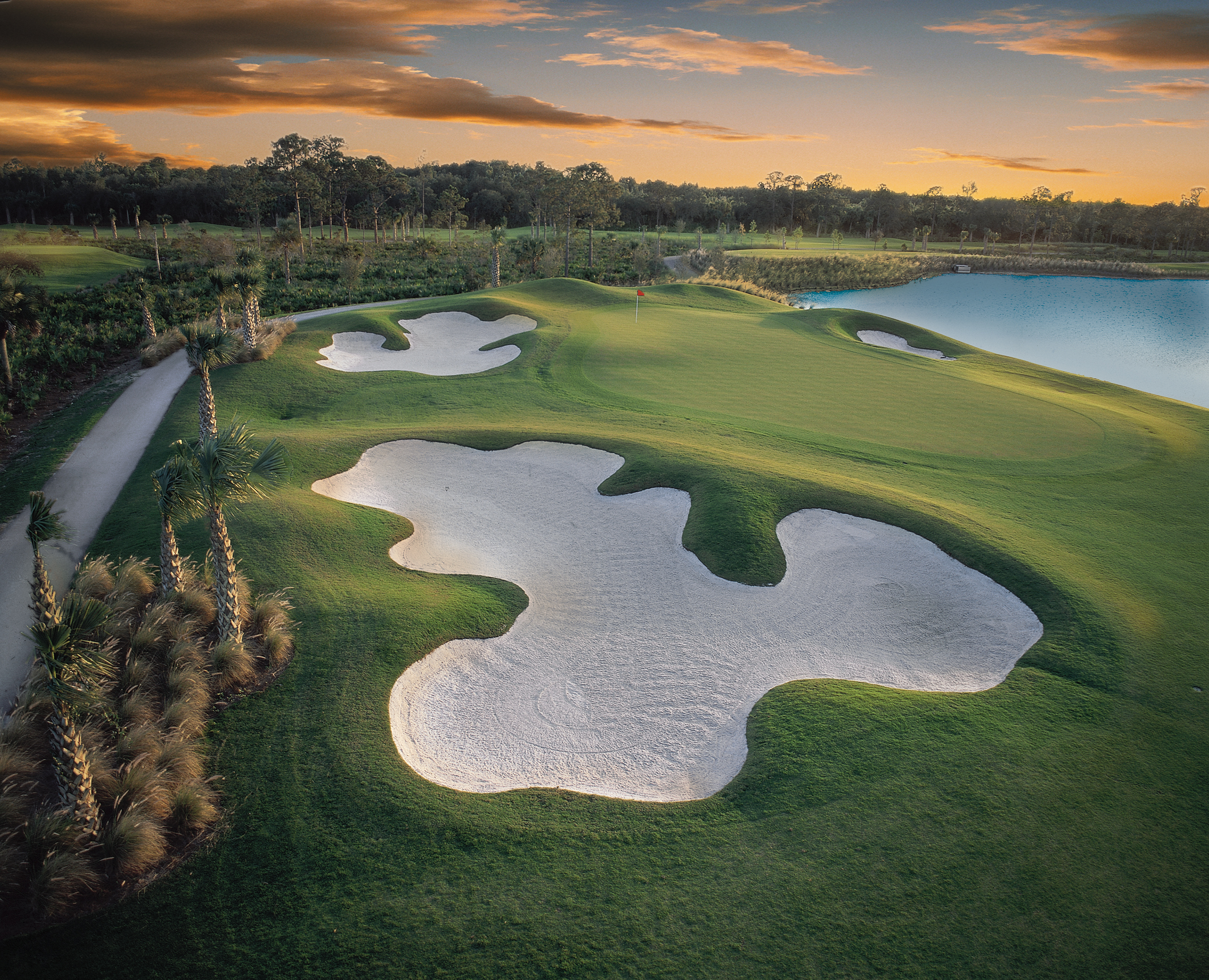
Crown Colony – Fort Myers, FL
ITG: How long have you been involved in golf course architecture?
RG: 42 years. 250 golf courses later, many lessons learned and a lot of great friends made along the way!
ITG: How & why did you get started as a golf course architect?
RG: As a kid, raking bunkers on a maintenance crew and I dreamed of moving and reshaping the bunker. I would design courses in my head that people would love to play.
ITG: Who would you cite as your biggest design influences?
RG: Joe Lee, Robert Trent Jones (both of whom I worked for in my early years) and Allister Mackenzie.
ITG: How has golf course architecture changed over the years?
RG: Originally golf course architecture was more art than science. Today it has become more technical, but art of the layout is still most important to golfer!
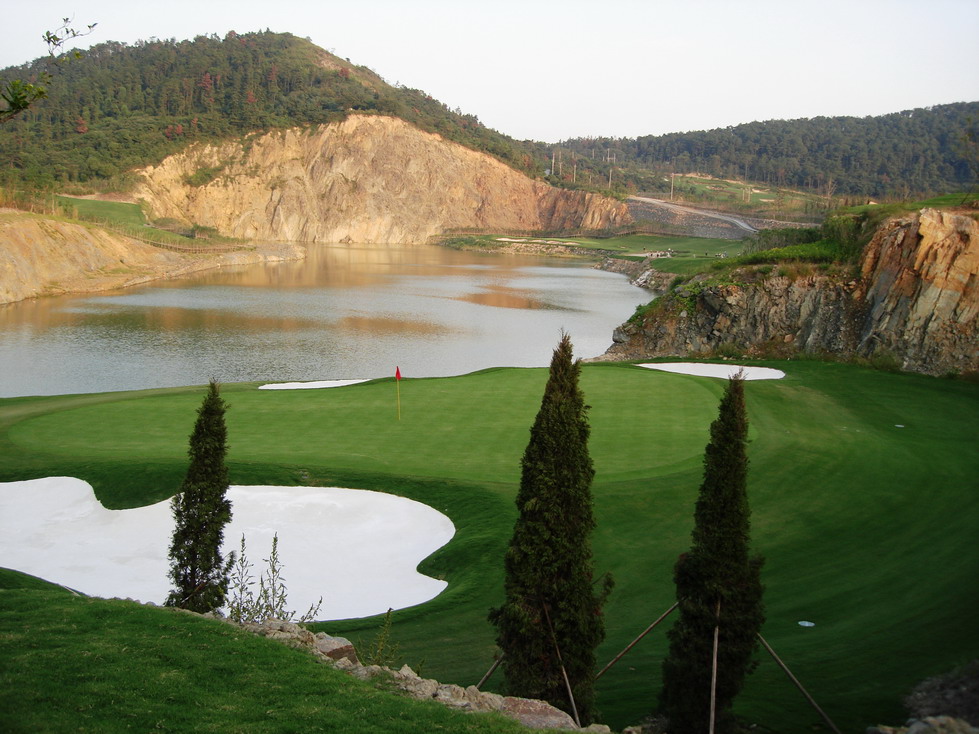
#8 Nine Dragons – Shanghai, China
ITG: Do you think lengthening courses or “Tiger-proofing” is hurting the game?
RG: Yes, there is a huge difference between length of tour players and amateurs. Barney Adams, of Adams Golf, did an analysis of the length of tour players vs. the average male amateur for them to use the same irons on their approach shot to the green as the tour player would use. For the average male amateur playing a course at 6,700 yards, the pros would have to play the course at 8,100 yards.
ITG: Conversely, what do you think of the USGA’s Tee It Forward campaign?
RG: Great idea – people enjoy the game and will play more!
ITG: In what other ways can a designer make courses tough for the Pros without simply adding length? RG: By adding options and strategy off tees so that you create a risk reward.
ITG: How is the design community making courses more environmentally friendly?
RG: Making more waste areas and bunkers that do not have to be watered. Using more native grasses.
ITG: Do you have a specific approach in mind for each course you design, or do you let the natural topology and features determine the design?
RG: It is always our goal to design a course to lay softly on the land and enhance the natural features which mother nature gave us to work with.
ITG: What are the hottest and coldest places for new golf courses right now?
RG: Coldest: U.S. Hottest: Everywhere but the U.S. – U.S. is too expensive!
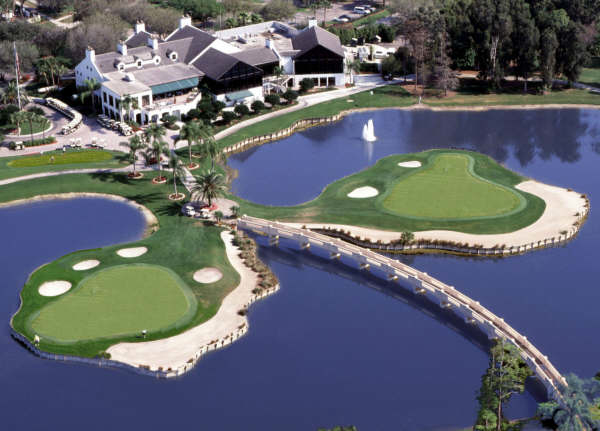
Fiddlesticks #9  – Fort Myers, FL
ITG: Where do you currently have projects on the books?
RG: We are currently working in 12 countries from China to Africa.
ITG: What is your basic course design philosophy?
RG: Simple. To make courses Enjoyable, Traditional, Challenging & Memorable
ITG: Do you have any advice for would-be golf course architects out there?
RG: It is a difficult time to get into the golf course architect business.
ITG: What are the challenges presented to a designer to make a course challenging but playable for a wide array of abilities?
RG: The use of multiple tees that not only make the hole play shorter, but change the angle of attack.
ITG: What is the future of golf course design? Where do you see the industry going in the next 20 years?
RG: Renovation and sustainability, most of the growth being outside the U.S.
ITG: What is your favorite golf course, and what is your favorite course that you designed?
RG: My favorites, broken into categories:
Oceanfront: Nine Dragons (Shanghai, China) – Holes in the ocean, holes on cliffs
Inland: Fiddlesticks (Fort Myers, Florida) – Twin island finishing greens
Mountain: Alpine Chiangmai (Chiangmai, Thailand) – Peaceful, natural setting in the mountains, tranquil
ITG: Golden Ocala is a personal favorite of mine. What kind of challenges do replica holes present to a designer?
RG: Golden Ocala, which I dreamed up and designed, was the 1st replica golf course in the world. The real challenge is to capture the feeling of a hole!
Alpine Golf & Sports Club – Bangkok, Thailand
ITG: Have golf equipment technology advances changed how you design courses?
RG: Yes. The option instead of adding length is to create more target specific zones within the landing areas, therefore if you are going to hit the long ball you have to be more accurate with it to be rewarded with the best approach into the green.
ITG: Anchored putters – Ban or allow?
RG: Allow! Putting is very frustrating to most amateurs. Most players don’t have the time (hours & hours) to practice putting and no desire to. It gets back to enjoyment. If they enjoy it more they will stay with the game and play more. Let amateurs use anchored putters! Loss of players is game’s biggest problem the game has. Listen up USGA!
ITG: What are your interests outside of golf course design?
RG: Flying/piloting your own plane, i.e. soar with the eagles, Antique Scooters & Fishing
ITG: How can readers find out more about your golf course designs?
RG: Our web site: www.rongarl.com

 There are thousands of golf courses in the UK, meaning that no matter where you live you will always be within a short distance of somewhere good to play. Occasionally, good is not enough: you want the best. And we don’t blame you. That’s why we’ve created this list of the top 5 UK golf courses, so you don’t have to.